Community of Madrid
Spain's cultural capital blending royal heritage with modern energy
Madrid doesn't whisper — it shouts. The Spanish capital throws royal palaces next to cutting-edge art galleries, centuries-old tapas bars alongside rooftop cocktail lounges. You'll find Velázquez paintings in the morning and electronic music until sunrise. The Community of Madrid extends far beyond the city limits, encompassing medieval towns like Toledo and fairy-tale castles in Segovia. But the heart beats strongest in the capital, where madrileños have perfected the art of living well. Late dinners at 10 PM aren't fashionably late here — they're just getting started.
Best Months
APR · MAY · JUN · SEP · OCT
Culture & Context
DINNER AT TEN
Madrid runs on a different clock than the rest of Europe. Lunch doesn't really start until 2pm. Dinner before 9pm marks you as a tourist, and restaurants don't fill up until 10pm or later.
Nobody apologizes for this. It's just how the city works, and once you accept it, the rhythm feels completely natural. The siesta myth is half-true.
Smaller family-run shops do close from roughly 2pm to 5pm, but the city doesn't stop. The Prado stays open. The bars stay open.
Madrileños simply reorder their day around food and conversation. Locals call themselves "gatos" (cats), a title reserved for those whose parents and grandparents were all born in the city. It carries a quiet pride.
The Movida Madrileña, the countercultural explosion that swept through the city after Franco's death in the late 1970s and early 1980s, still shapes the creative DNA of neighborhoods like Malasaña. You can feel it in the record shops and bar names. Tipping isn't expected the way it is in the US.
Rounding up or leaving small change is common and appreciated. Anything more than €2–3 on a regular meal is unusual. And always ask for the bill.
It won't come until you do.
Local Customs
MENÚ DEL DÍA WINS
Dinner before 9pm is unusual. Most restaurants don't fill up until 10pm. Don't rush it..
The 'menú del día' is how locals do lunch. Two or three courses plus a drink for €12–18. Order this, not the tourist menu..
At tapas bars, eat standing at the bar. You'll pay less and get faster service than at a table. Sitting outside on a terrace in a scenic plaza often adds a €0.
50–1.50 surcharge per drink.. Splitting the bill is called 'pagar a pachas.
' Asking the server to split it is normal and not considered rude.. Don't order a cortado after lunch and call it coffee. Order a 'café con leche' in the morning, an espresso after meals.
Ordering a latte at 3pm is a guiri move.. Greet shopkeepers when you enter. 'Buenos días' in the morning, 'Buenas tardes' after lunch.
Skipping this is considered rude, not neutral.. The bill doesn't come until you ask for it. Catch the server's eye and say 'la cuenta, por favor.
'. Locals say 'Madrí' and 'Madriz' instead of 'Madrid.' Drop the final D and you'll sound less like a textbook..
August is when many small family restaurants close. The city doesn't empty entirely, but some locals leave for the coast, so certain neighborhood spots shut down for 2–3 weeks.
Safety
WATCH YOUR POCKETS
Madrid is ranked the 25th safest city out of 60 in global studies, safer than Barcelona, Milan, and Rome. Violent crime is rare. The honest risk is pickpocketing, and it's concentrated exactly where you'd expect: Puerta del Sol, Plaza Mayor, La Latina on Sundays during El Rastro, crowded metro cars (especially Line 1 and Line 10 through the center), and busy bus stations.
The standard playbook for pickpockets involves distraction. Someone bumps into you, someone asks for directions, someone offers you a sprig of rosemary for luck. While you're dealing with one person, another reaches your pocket.
Front pockets, zipped bags, and not leaving your phone face-up on terrace tables are your main defenses. Avoid the area south of Lavapiés and around Atocha station at night, and skip dark parks after midnight. Peripheral districts like Caño Roto and Pozo del Tío Raimundo have drug trafficking issues, but you'd have no reason to be there as a visitor.
For scams: ignore clipboard survey people, and always verify taxi credentials. Unlicensed taxis at the airport do overcharge. Tap water is completely safe to drink.
Emergency number is 112 (not 911). The Foreign Tourist Assistance Service (SATE) at Calle Leganitos 19, near Plaza de España, is open every day 9am–midnight and handles incidents involving foreign visitors.
Getting Around
METRO & CERCANÍAS
The Madrid Metro is the backbone. It's clean, safe, and comprehensive, covering all the neighborhoods you'll want to reach. Get a rechargeable Multi Card (€2.
50 one-time fee) and load a 10-trip Metrobus pass for €6.10. The card is shareable between people traveling together, which saves money if you're a couple or group.
Single tickets cost €1.50–€2.00 depending on distance.
Monthly Zone A passes run €54.60, or just €10 for anyone under 26. From Barajas Airport, Metro Line 8 connects directly to Nuevos Ministerios (city center) with a €3 airport supplement on top of the regular fare.
The Airport Express Bus is €5 and runs 24 hours. Don't take unlicensed taxis at the airport. Licensed taxis charge a flat €33 to anywhere inside the M-30 ring road.
Cercanías (commuter trains) are useful for day trips to Segovia, Toledo, El Escorial, and Alcalá de Henares. All depart from Atocha or Chamartín stations. For the F1 Grand Prix in September, Metro Line 8 and Cercanías Line C1 (stop: Valdebebas) provide direct access to the MADRING circuit at IFEMA.
Do not rent a car for use inside Madrid itself. The Low Emission Zone (Zona de Bajas Emisiones) covers the entire city, parking is scarce and expensive, and the metro does everything a car would do, faster. Book a car only on day-trip days when you're leaving the city entirely.
Useful Phrases
Explore Cities
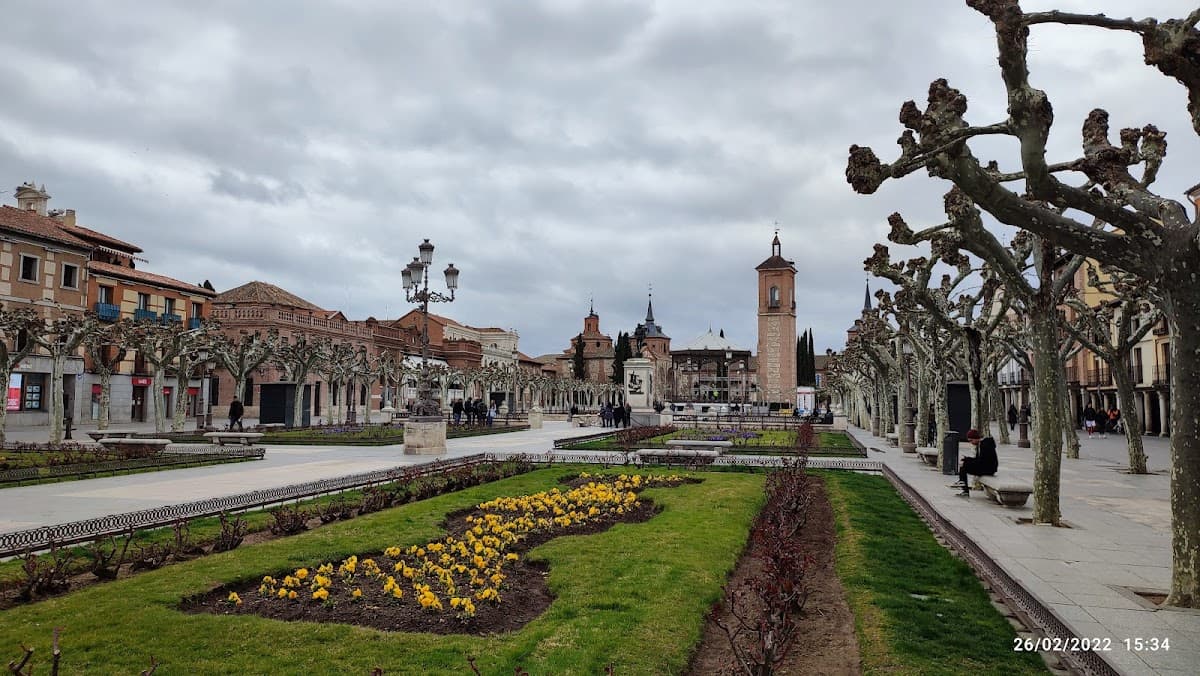
Explore the Region
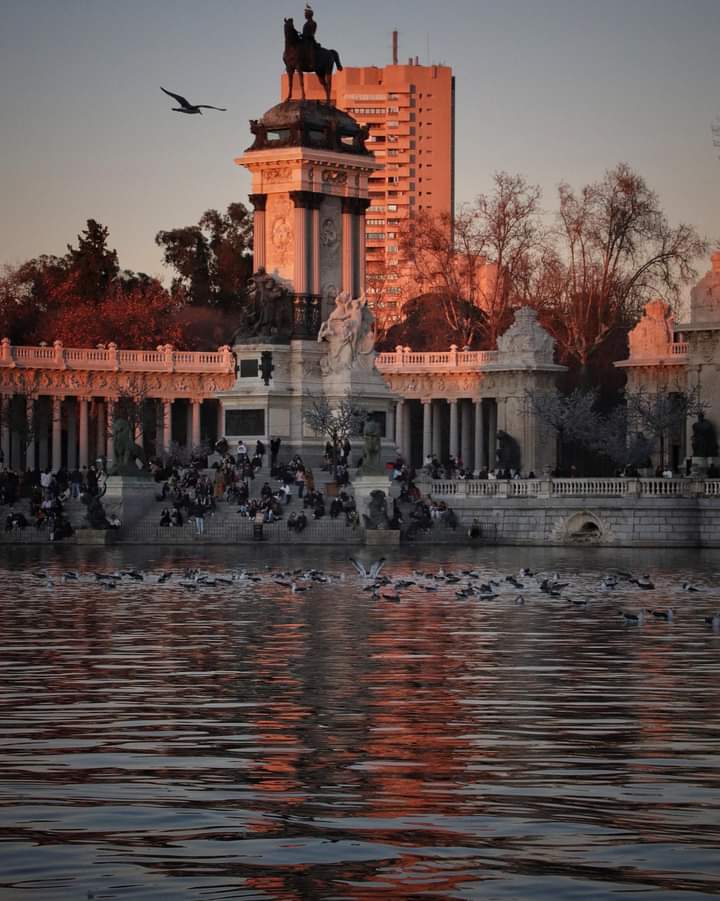
Community of Madrid Itineraries
View all
Packed Madrid: Parks, Tapas, Markets & Matchday Magic
Weekend · $$$
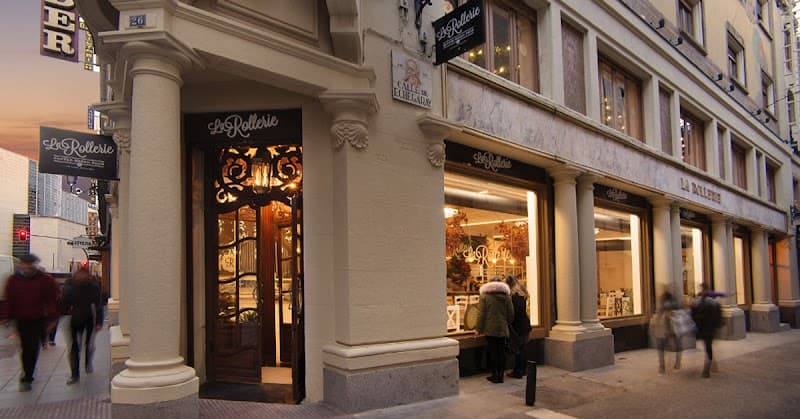
One Intense Day in Madrid: Art, Parks & Nightlife
Weekend · $$$
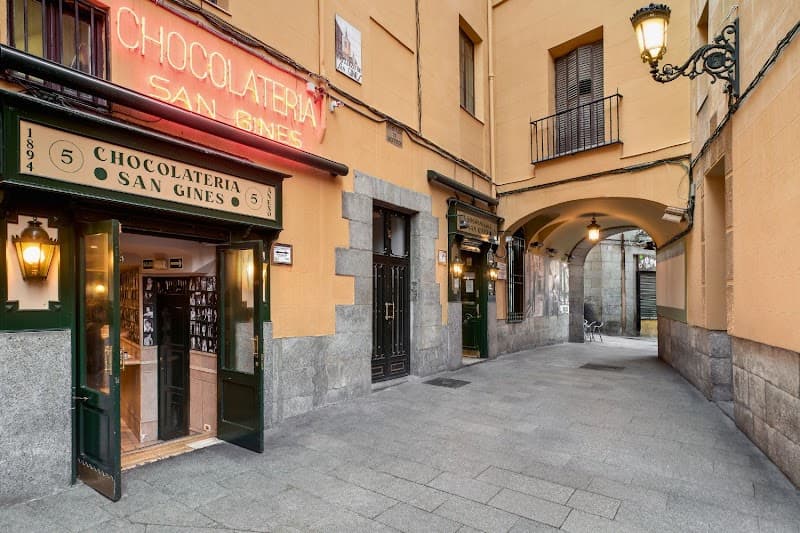
Seven Savory Days in Madrid
Week · $$$
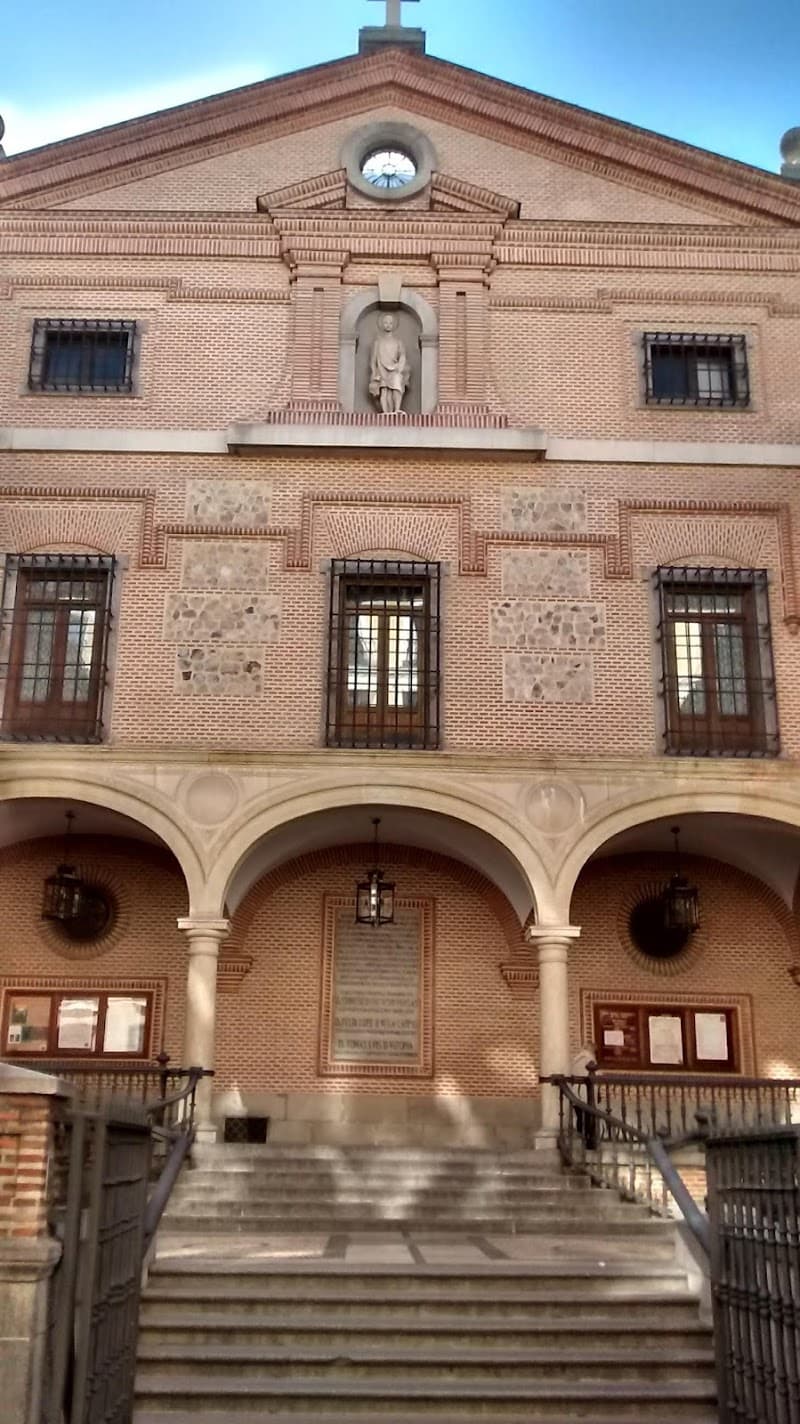
Timeless Madrid: A Slow, Elegant Cultural Weekend
Weekend · $$$
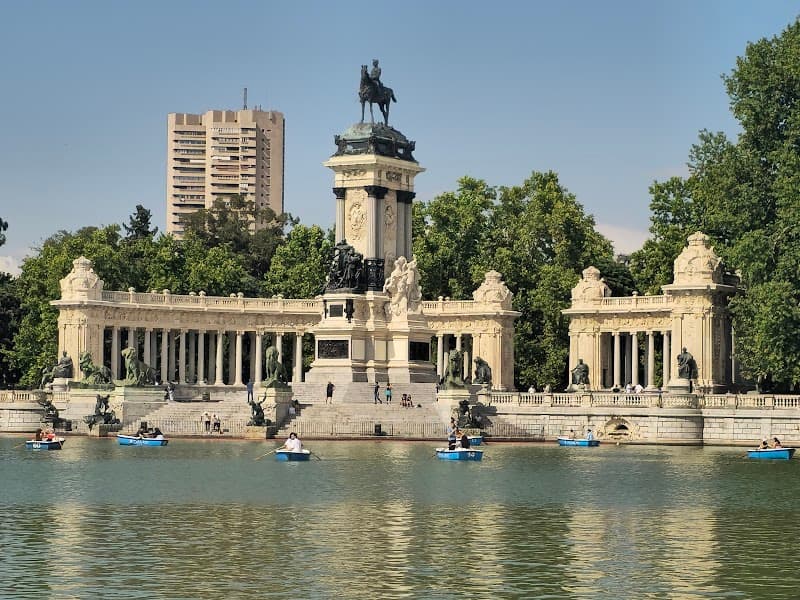
48 Adventure-Packed Hours in Modern Minimalist Madrid
Weekend · $$$
7 Relaxed Days in Sunny, Lively Madrid
Week · $$$
Money-Saving Tips
- 1.Buy a 10-trip metro ticket for €12.20 instead of single rides at €1.50 each — saves €3 over individual tickets
- 2.Many bars still serve free tapas with drinks in traditional neighborhoods like La Latina and Lavapiés
- 3.Visit major museums on free admission days: Prado (Monday-Saturday 6-8 PM, Sunday 5-7 PM), Reina Sofía (Monday and Wednesday-Saturday 7-9 PM, Sunday 1:30-7 PM)
- 4.Lunch menus (menú del día) at local restaurants cost €12-18 for three courses, versus €25-35 for dinner à la carte
- 5.Shop at El Rastro flea market on Sunday mornings for vintage finds and local crafts at bargain prices
- 6.Book high-speed trains to Toledo and other cities in advance online for 40-60% discounts off walk-up fares
Travel Tips
- •Dinner before 9 PM marks you as a tourist — embrace the late Spanish schedule for authentic experiences
- •Always greet shopkeepers and restaurant staff with 'Hola' before making requests — it's considered rude not to
- •Siesta is real in Madrid — many shops close 2-5 PM, plan museum visits or park walks during these hours
- •Learn basic Spanish numbers for ordering tapas and asking prices — locals appreciate the effort
- •Carry cash for small bars and traditional restaurants, especially in neighborhoods like La Latina and Lavapiés
- •Book flamenco shows and high-end restaurants well in advance, especially during spring and fall peak seasons
Frequently Asked Questions
Explore Community of Madrid
BUILD YOUR COMMUNITY OF MADRID PLAN
Insider picks, smart timing, and a plan ready when you are.