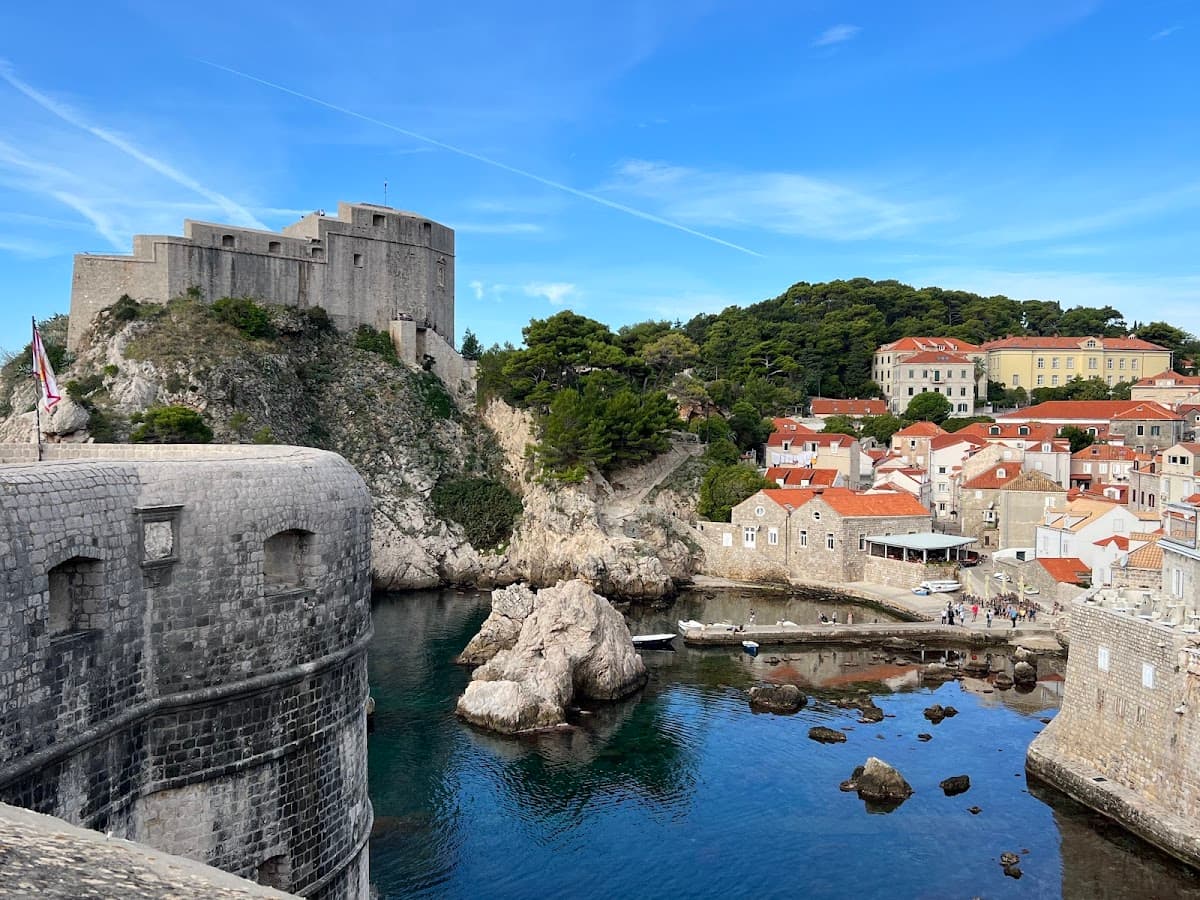
Croatia
Adriatic jewel of medieval cities and island paradise
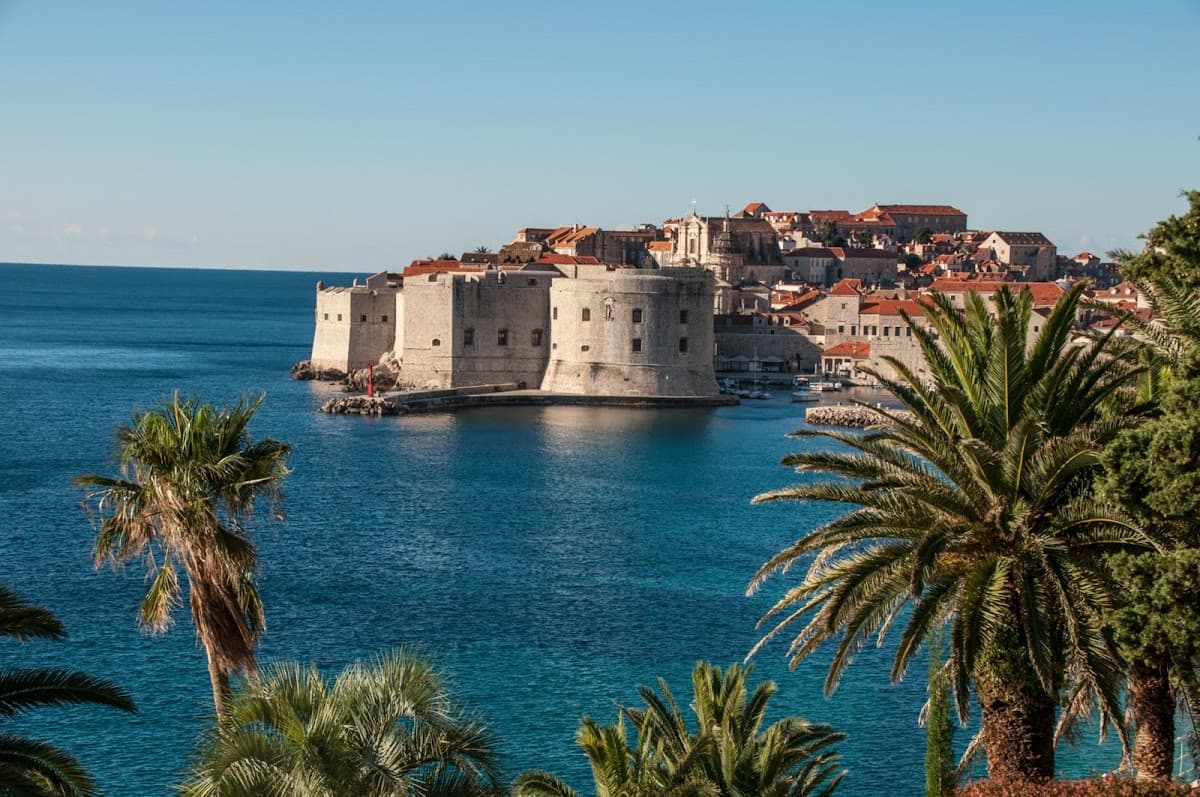
Croatia hits different. One morning you're walking the ancient walls of Dubrovnik, watching the sunrise paint the Adriatic gold. By afternoon, you're island-hopping to Hvar, where lavender fields meet crystal-clear waters. And come evening? You're dining on fresh seafood in a 1,500-year-old palace in Split.
This isn't just another Mediterranean destination. Croatia serves up Roman ruins, medieval towns, and over 1,000 islands scattered like emeralds across impossibly blue water. The food scene has exploded beyond tourist traps — Zagreb now rivals Vienna for coffee culture, while Istria produces wines that make sommeliers weep.
But here's what travel guides won't tell you: Croatia's popularity means summer crowds that can crush your soul. The trick is knowing when to go, where to stay, and how to dodge the cruise ship masses. That's where this guide comes in.



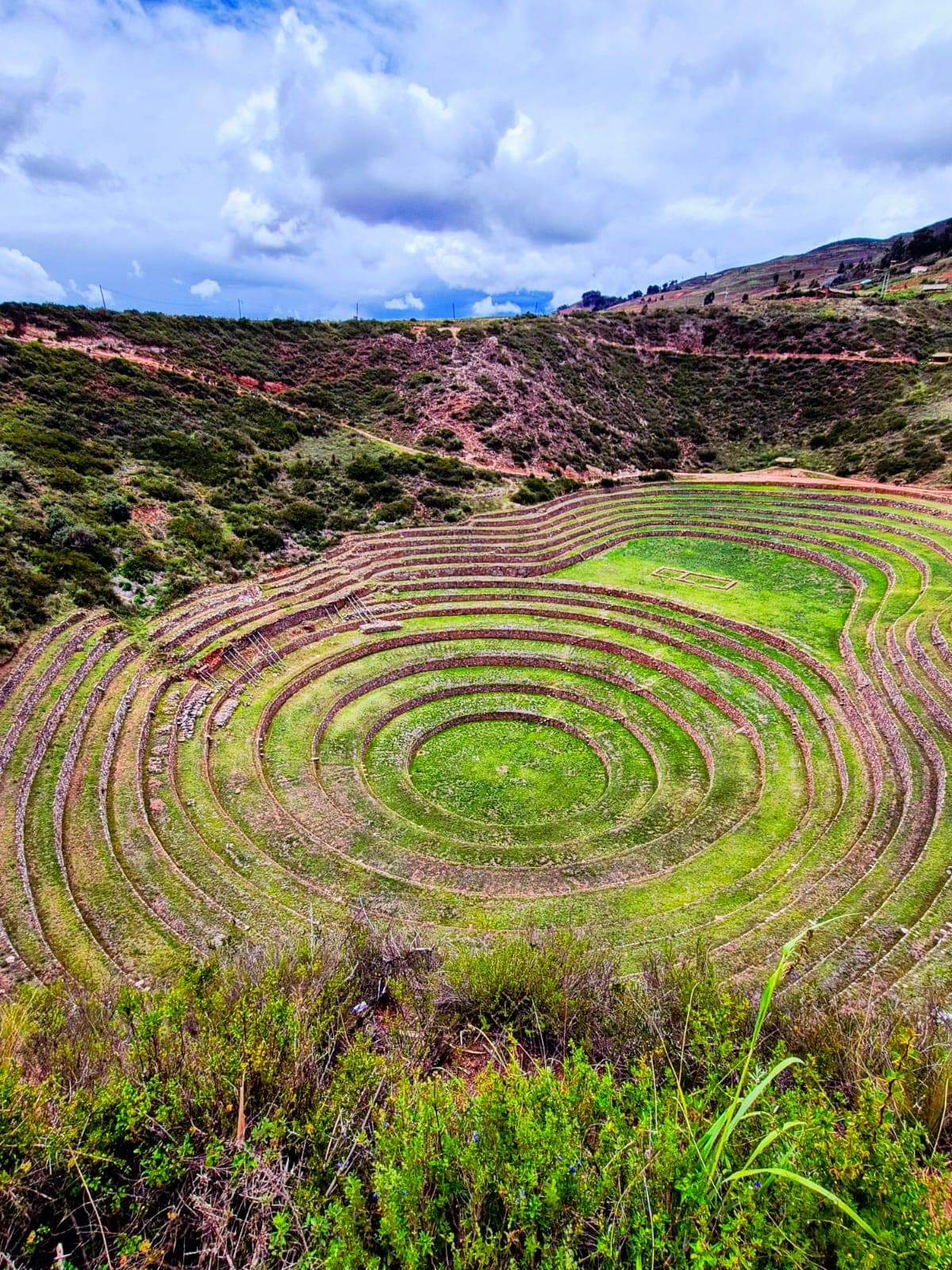

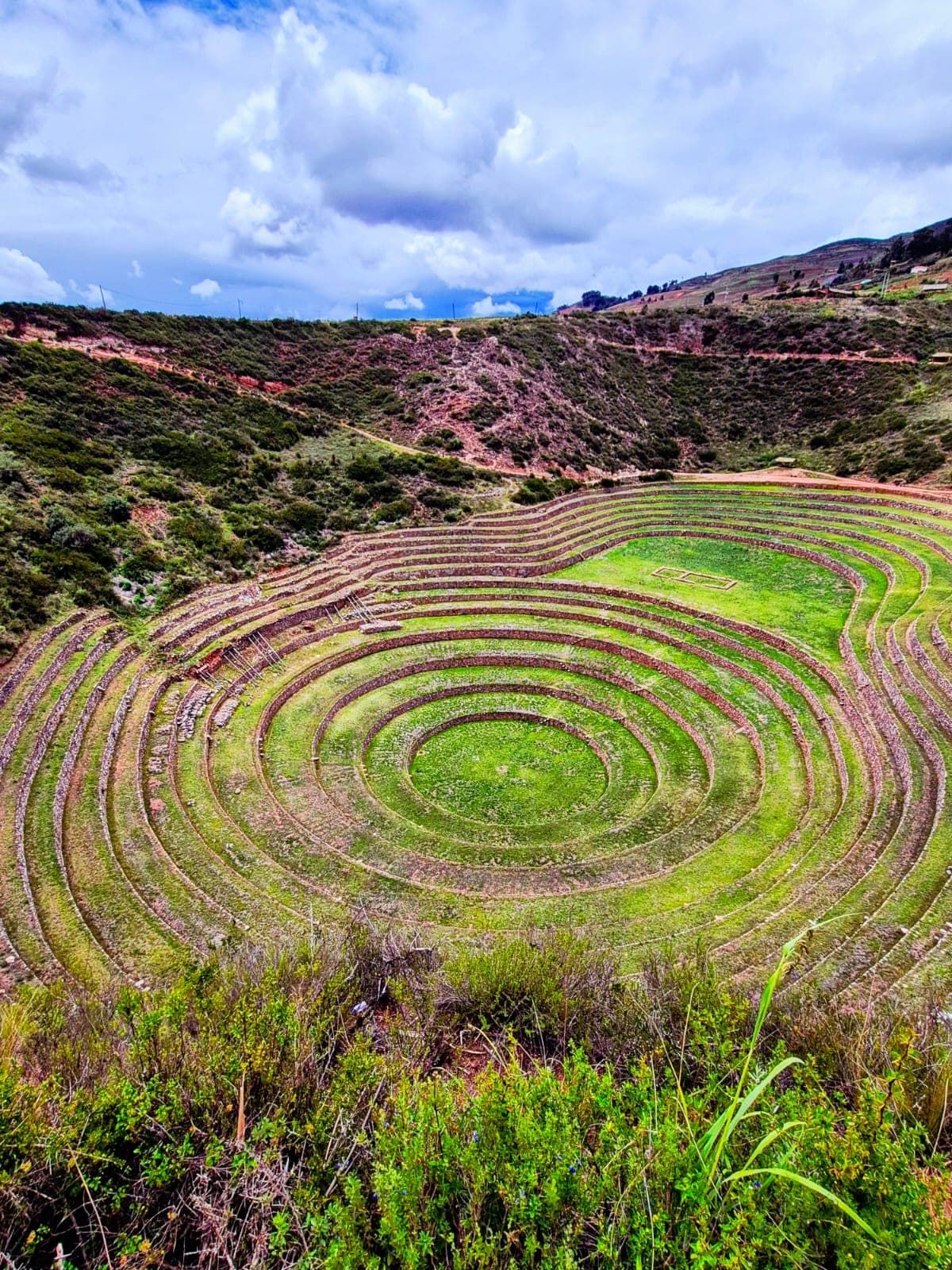
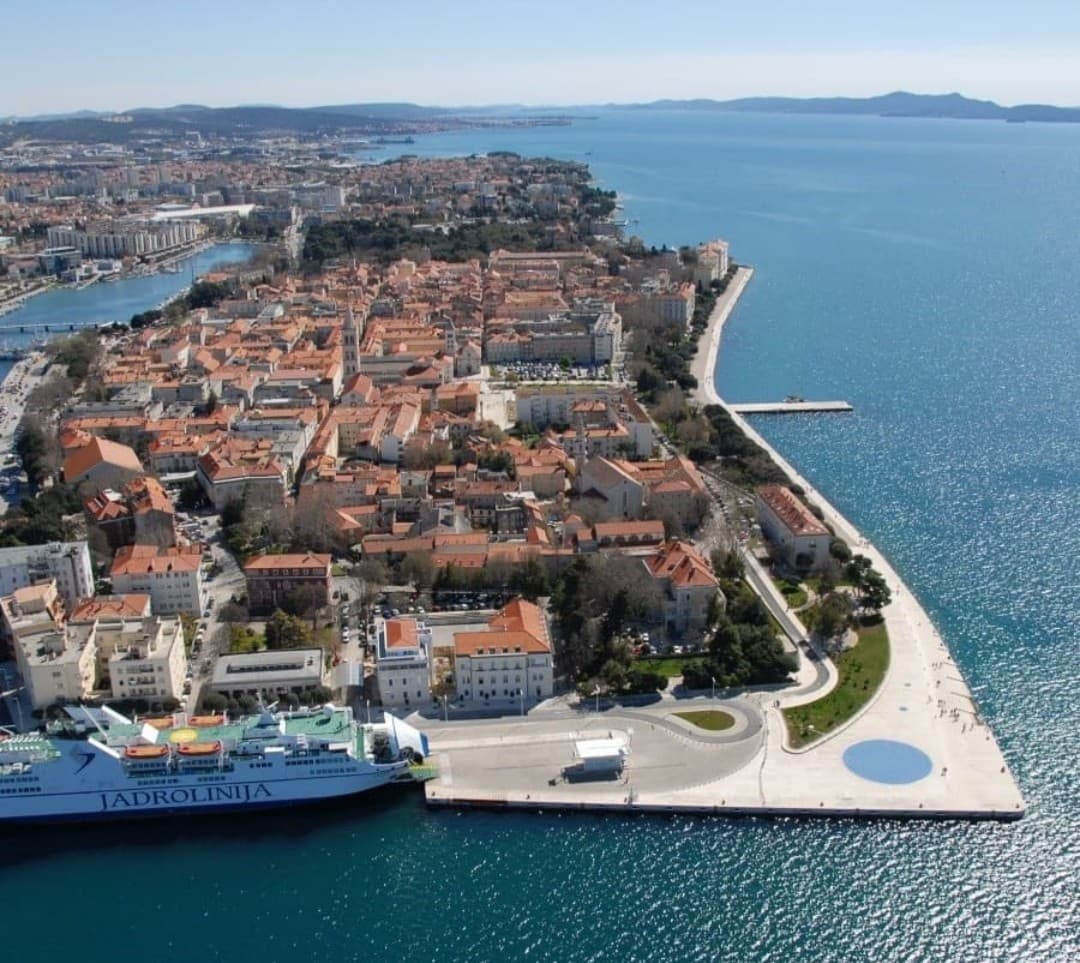
Explore the Region
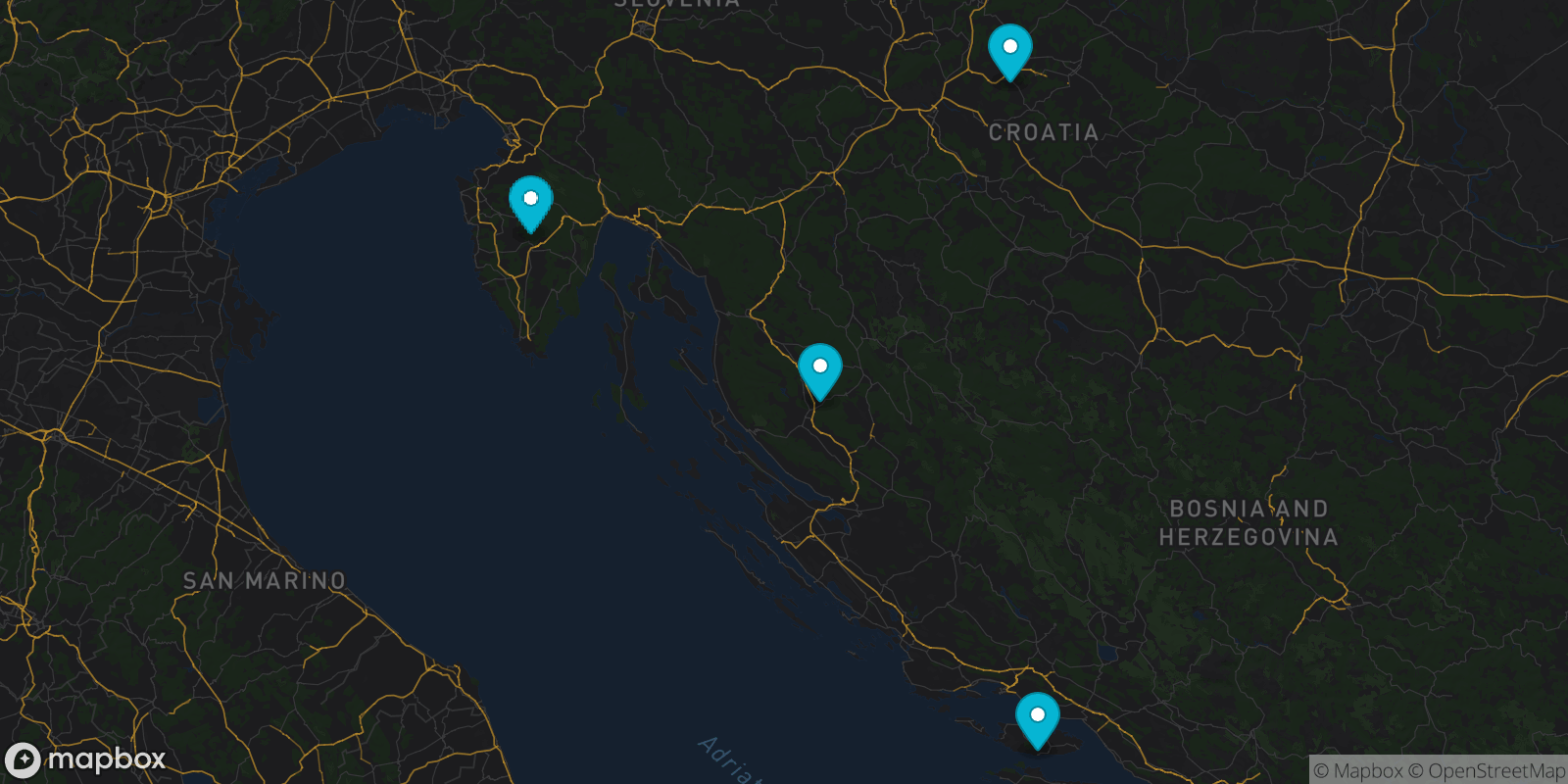
Croatia Itineraries
View all
Shoestring Croatia Adventure: Coast, Culture & Coves
Week · $
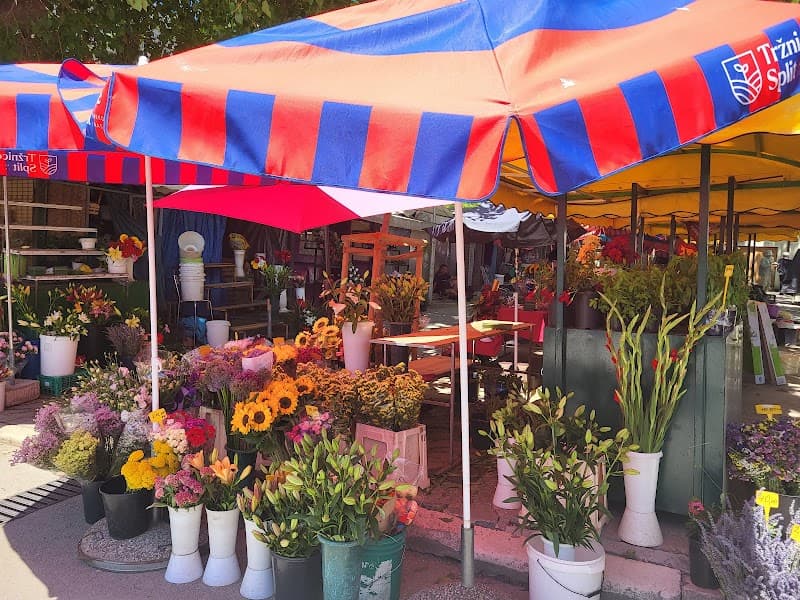
Dubrovnik Minimal: Food, Wine & Adriatic Serenity
Week · $$$

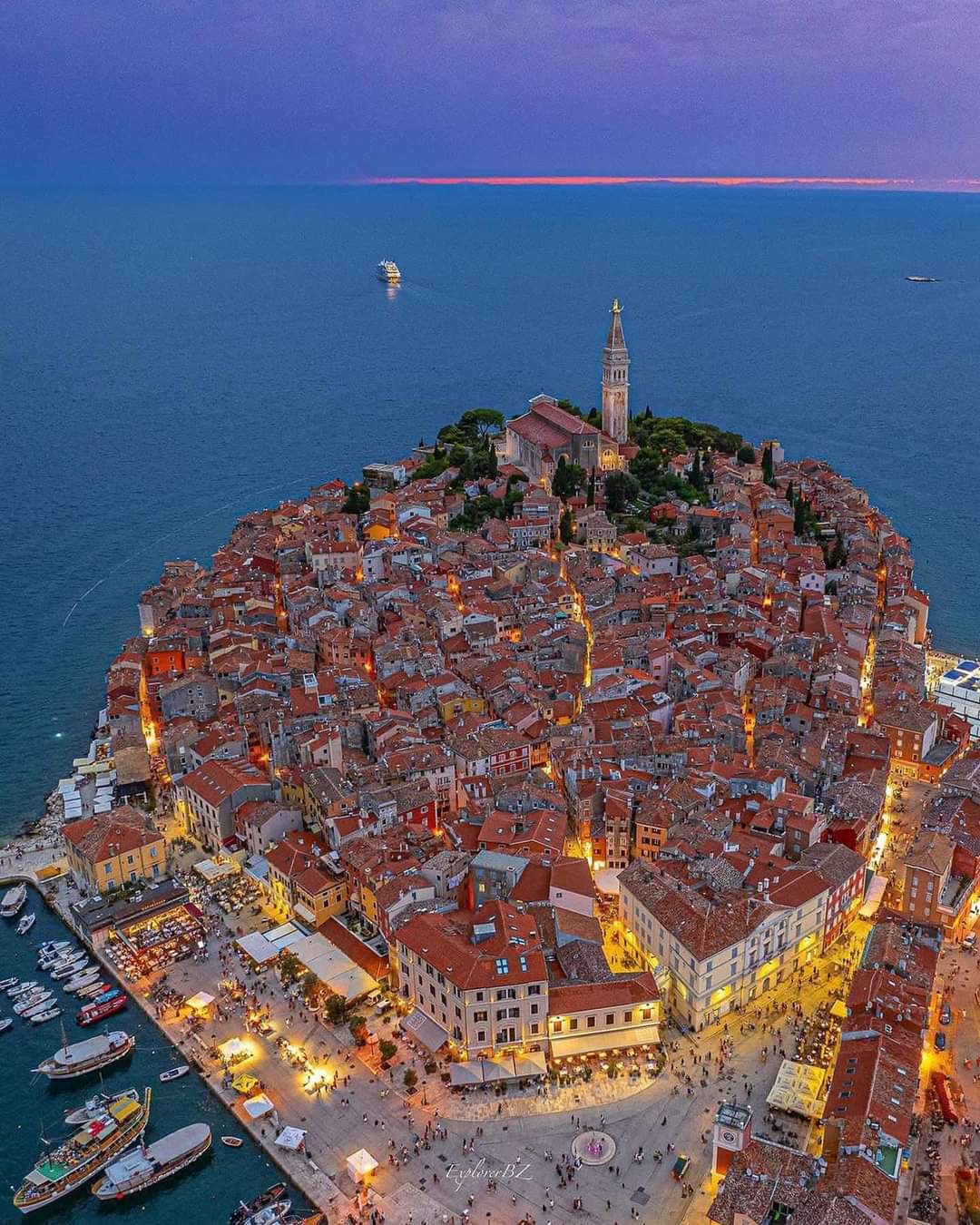
Rovinj Romantic Retreat: Minimalist Bliss by the Sea
Weekend · $$$
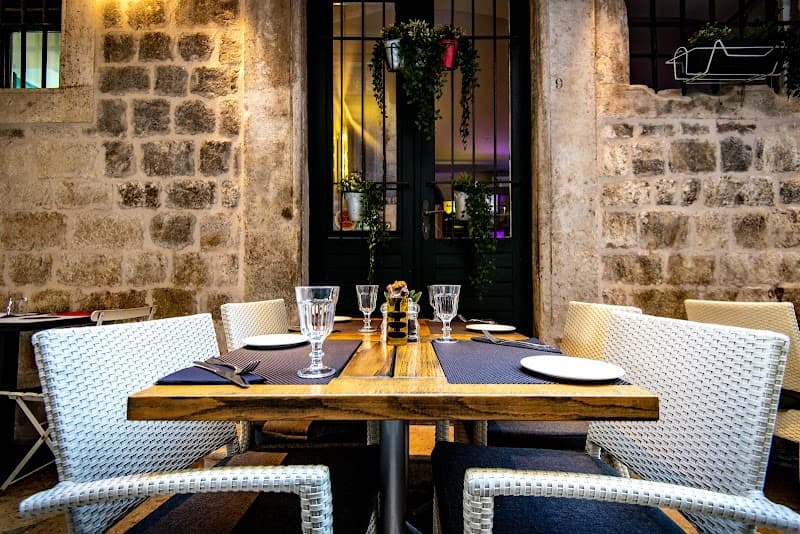
Romantic Anniversary Escape in Accessible Dubrovnik
Week · $$$
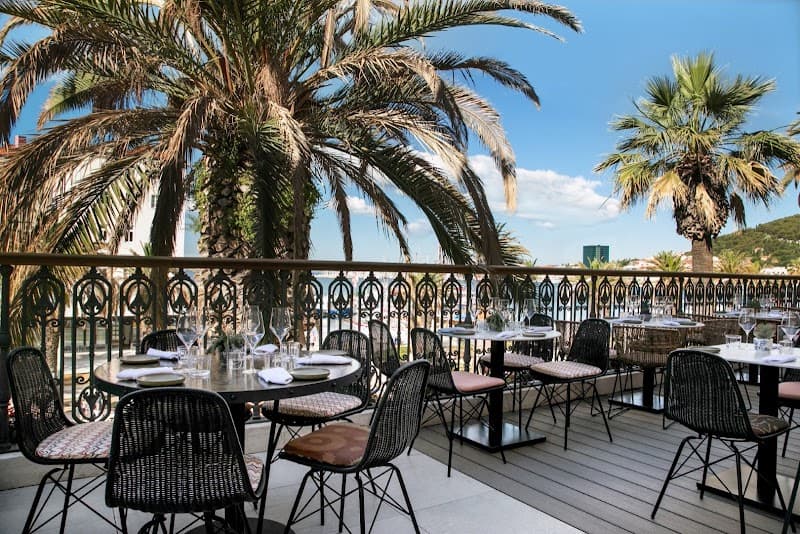
Glamorous Day of Dalmatian Splendor in Split
Weekend · $$$$$
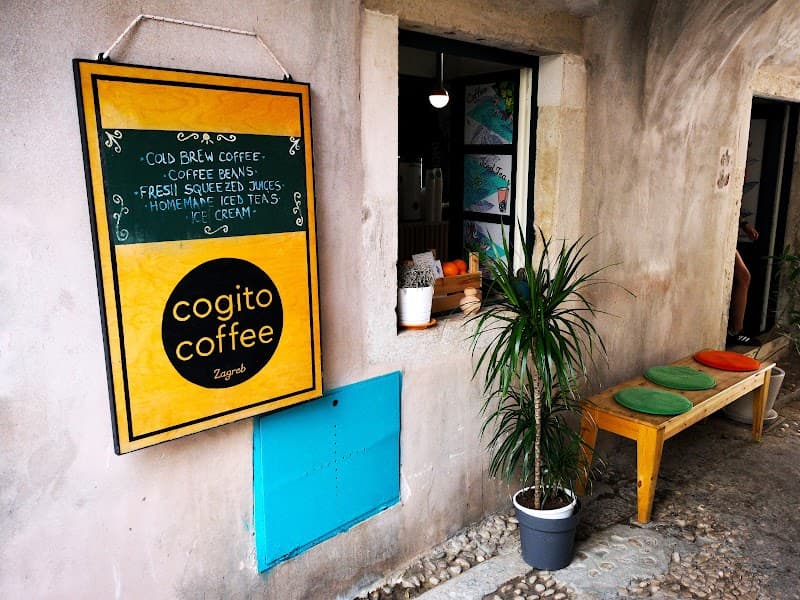
Dubrovnik's Pearl: Medieval Walls, Island Escapes & Local Flavors
Weekend · $$
Money-Saving Tips
- 1.Book accommodations in shoulder season (May, September) for 30-40% savings compared to peak summer
- 2.Eat lunch at konobas (traditional taverns) instead of dinner — same food, half the price
- 3.Buy ferry tickets at local agencies rather than online to avoid booking fees and website crashes
- 4.Shop for groceries at Konzum or Tommy supermarkets, not tourist mini-marts near attractions
- 5.Drink local wines instead of imports — Croatian bottles cost €8-12 vs €25+ for French equivalents
- 6.Stay in Lapad (Dubrovnik) or Marjan Hill (Split) instead of old town centers for better value
- 7.Take buses between cities instead of private transfers — Zagreb to Split costs €20 vs €200
- 8.Visit free attractions like city walls walks in smaller towns, beaches, and hiking trails
- 9.Book island accommodations directly with owners through local agencies to skip booking platform fees
- 10.Use city cards in Zagreb and Split for public transport and museum discounts
Travel Tips
- •Download offline maps before island hopping — cell service gets spotty between islands
- •Pack reef-safe sunscreen — many beaches now ban chemical sunscreens to protect marine life
- •Bring water shoes for rocky beaches, especially around Split and the islands
- •Learn basic Croatian greetings — 'Dobar dan' (good day) opens doors and hearts
- •Book restaurants in advance during summer, especially in Dubrovnik and Hvar
- •Carry cash — many small restaurants and family wineries don't accept cards
- •Respect local customs when visiting churches — cover shoulders and knees
- •Check ferry schedules twice — services reduce significantly in winter months
- •Bring a reusable water bottle — tap water is safe and tastes good throughout Croatia
- •Pack layers for evening — coastal temperatures drop 10-15°C after sunset
- •Download the Jadrolinija app for real-time ferry updates and delays
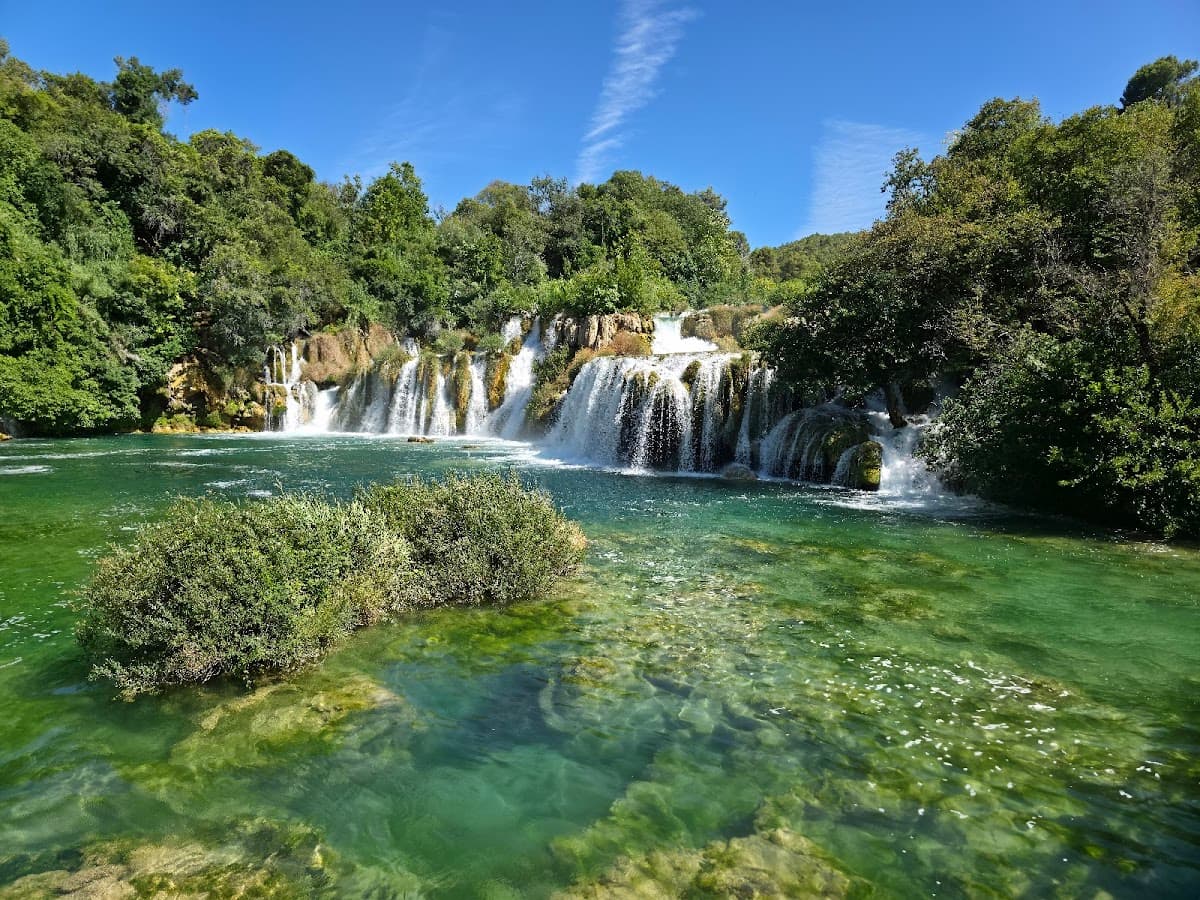
- •Book Plitvice National Park tickets online in advance — daily visitor limits apply
Frequently Asked Questions
Explore Croatia
Ready to explore Croatia?
Get a personalized itinerary in seconds with Takeoff.
Free on iOS. No credit card required.