
Gjirokastër
UNESCO stone city frozen in Ottoman time
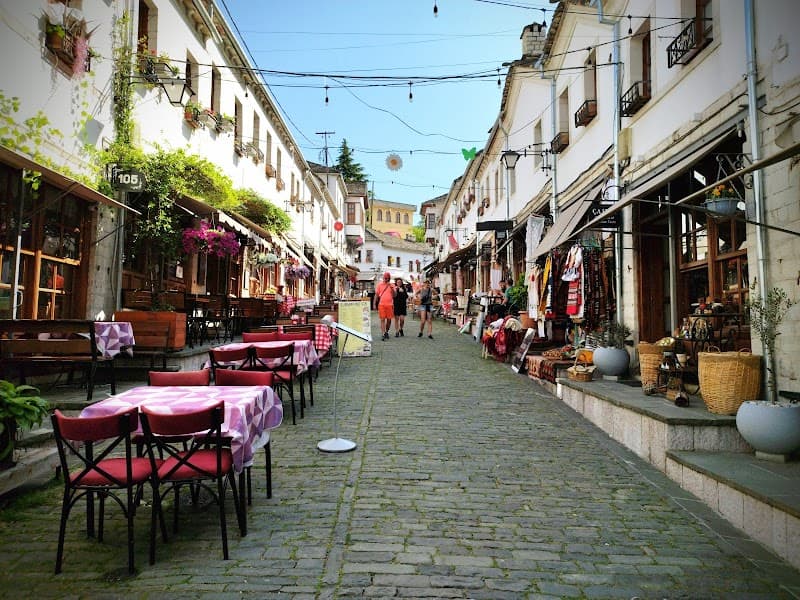
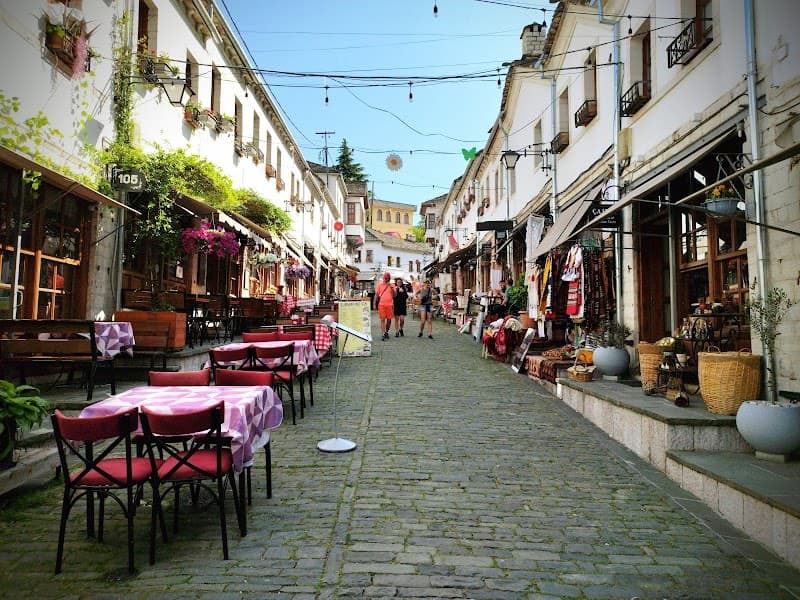
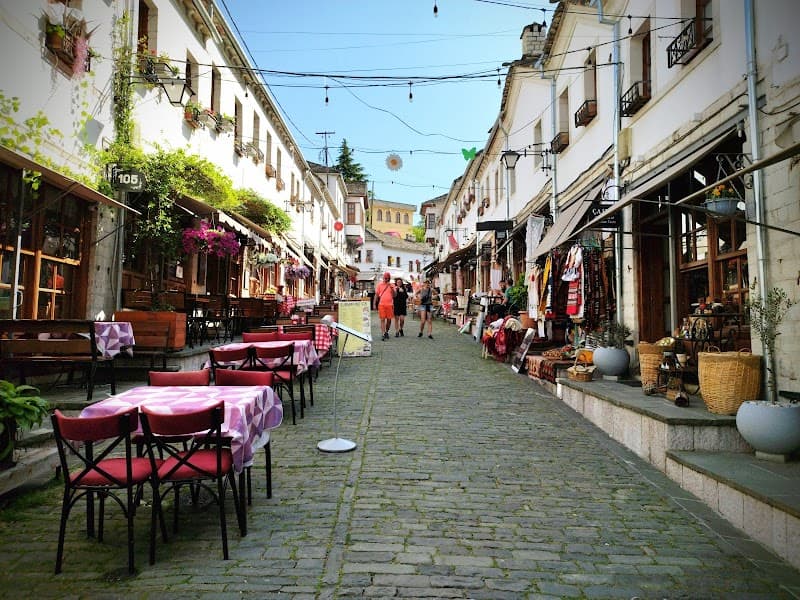
Look, most people still can't pronounce Gjirokastër properly (it's "ghee-ro-KAS-ter," by the way). And that's exactly why you need to go. This UNESCO World Heritage stone city in southern Albania feels like someone hit pause on the Ottoman Empire around 1800 and forgot to press play again. The entire old town cascades down a hillside like frozen gray lava, with traditional stone houses stacked on top of each other and a medieval castle looming overhead. You'll pay €15 for a three-course dinner that would cost €50 in Dubrovnik. The locals still gather in the bazaar every morning like they have for centuries. And the best part? You might be the only tourist on your block.
Best Months
APR · MAY · JUN · SEP · OCT
~25°C · moderate crowds
Culture & Context
STONE CITY, CONTESTED LEGACY
Gjirokastër is a UNESCO World Heritage stone city in southern Albania where the streets themselves are the attraction. Everything here is built from the same grey limestone, from the cobblestones to the castle walls to those iconic slate rooftops that shimmer silver in the rain. The city produced two of Albania's most famous figures from the same street, decades apart: Enver Hoxha, the communist dictator, and Ismail Kadare, one of Europe's great novelists.
That tension between oppression and artistry runs through every corner. The castle still holds a downed American spy plane from the Cold War. Below it, an 800-meter communist bunker built in the 1970s sits carved into the hill.
People here carry all of this lightly. The tea houses fill up by mid-morning and stay that way. Albanian hospitality is not a performance — locals will genuinely try to help you even with zero shared language.
The old town runs on foot traffic and coffee. The new town in the valley handles everything modern and practical. Don't confuse the two halves or you'll spend your first hour wondering where the charm went.
Local Customs
CASH, COFFEE, SLOW MEALS
Cash is essential. Most small restaurants, guesthouses, and shops in Gjirokastër are cash-only. ATM fees run €7–8 per transaction, so bring euros and use the currency exchange booths in the Old Town — the rates are generally good..
Albanian head gestures can be confusing: older locals sometimes shake their head side-to-side for YES and nod or tilt back for NO, the opposite of most cultures. Don't panic, just confirm verbally.. Hospitality is not optional here.
If someone invites you in for coffee or food, refusing repeatedly is actually impolite. Accept, sit down, let the conversation stretch out.. Meals are slow and social by design.
Do not expect to eat and leave in 20 minutes. Albanians take lunch and dinner seriously as events. Rushing through a meal reads as strange..
Coffee culture is enormous. Albanians drink espresso at all hours and spend long stretches in cafes. Sitting for two hours over one coffee is completely normal..
Dress modestly at religious sites — shoulders and knees covered at mosques and older churches. Beachwear belongs at the coast, not in town.. Always ask before photographing people.
Most locals don't mind and some enjoy it, but asking shows respect. Don't point a camera at anyone without checking first.. Raki (grape brandy) is the local spirit.
You will be offered it. It is almost always homemade. Drink slowly.
Safety
GENUINELY SAFE, COMMON SENSE
Gjirokastër is genuinely safe for tourists by any reasonable standard. Violent crime targeting visitors is extremely rare. The main things to actually watch out for: taxi scams (agree on the price before getting in, full stop), slippery cobblestones especially after rain (wear actual shoes with grip, not sandals), and the summer heat, which regularly exceeds 40°C — explore the castle early in the morning or you'll regret it. The Cold War Tunnel stays refreshingly cool, which makes it a good midday escape.
Petty theft can happen on crowded buses, so keep valuables out of reach. Most of the town has eyes on it at all hours, which keeps things calm. Asking about the communist period is acceptable but be sensitive — some families lost members to imprisonment or execution under the Hoxha regime, and it's living history, not a museum exhibit. Solo female travelers generally report feeling comfortable here. The US State Department advises 'increased caution' for Albania overall due to organized crime activity, but this is largely disconnected from the tourist experience in Gjirokastër specifically.
Getting Around
FURGONS & THOUSAND STEPS
Getting to Gjirokastër takes some patience, but it's not complicated once you understand how Albania's transport system works. Buses here are mostly furgons (shared minivans) and schedules are loose at best. From Saranda (the nearest coastal hub), furgons run frequently in the mornings, less so in the afternoon — count on €3–5 for the ride. From Tirana, the fare runs €7–10. Buses from the Greek border crossing at Kakavija depart from Gjirokastër at 7:30, 10:30, 14:00, and 16:30. There's also a direct bus from Ioannina, Greece at 6:00 AM. Bus 'stations' are often just a stretch of road or a parking lot. If you're confused, locals will point you right. Just say your destination out loud.
Within the city, the split between Old and New Town matters a lot. Private buses can't access the Old Town's narrow streets, so you'll get dropped in the New Town at the bottom of the hill. From there, take a taxi up or walk — locals call it 'The City of a Thousand Steps' for a reason. A public bus circuit does connect the two halves, though it runs on its own schedule. Once you're in the Old Town, everything is walkable, though steep cobblestones test your ankles. If you're driving, there's an underground parking garage near the Old Town entrance for about €2 for 3 hours — use it. Trying to navigate the stone alleyways by car while impatient local drivers honk at you is not a fun afternoon. Taxi scams do happen (this is documented, not just rumor), so agree on a price before you get in.
Useful Phrases
Gjirokastër Itineraries
View all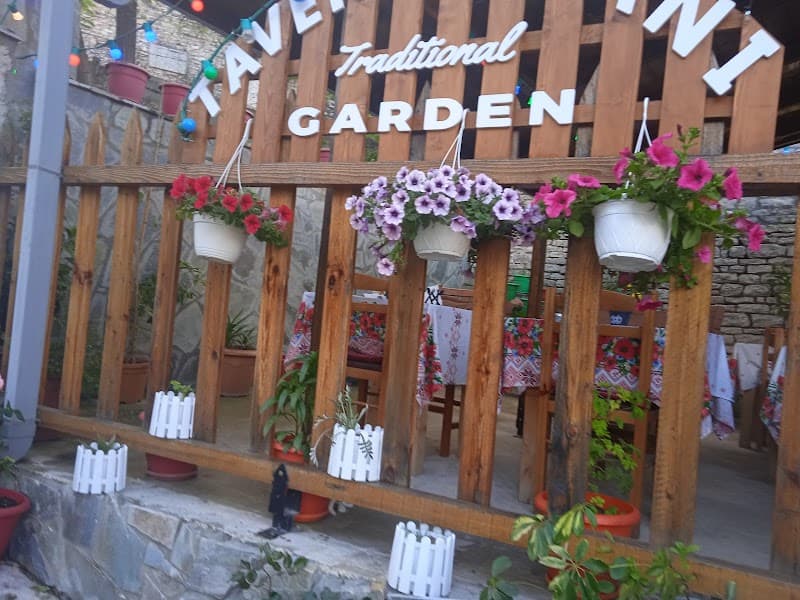
Stone City Escape: 7 Days in Gjirokastër
Week · $$$
Stone City & Wild Valleys: A Gjirokastër Weekend
Weekend · $$$
Stone City Escape: 7 Romantic Days in Gjirokastër
Week · $$$
Romantic Stone City Escape in Wild Gjirokastër
Weekend · $$$
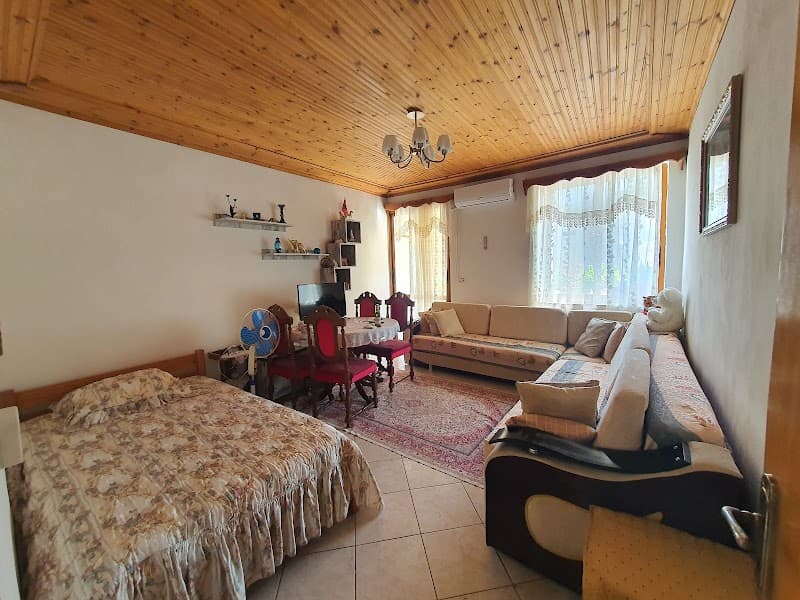
Family-Friendly Gjirokastër: Castles, Canyons, and Stone-Lane Adventures
Week · $$$
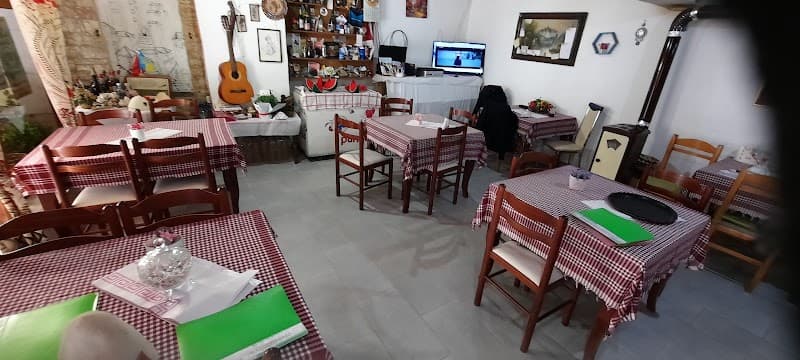
Stone City & Wild Springs: A Family Weekend in Gjirokastër
Weekend · $$$
Where to Stay in Gjirokastër
2 recommended properties
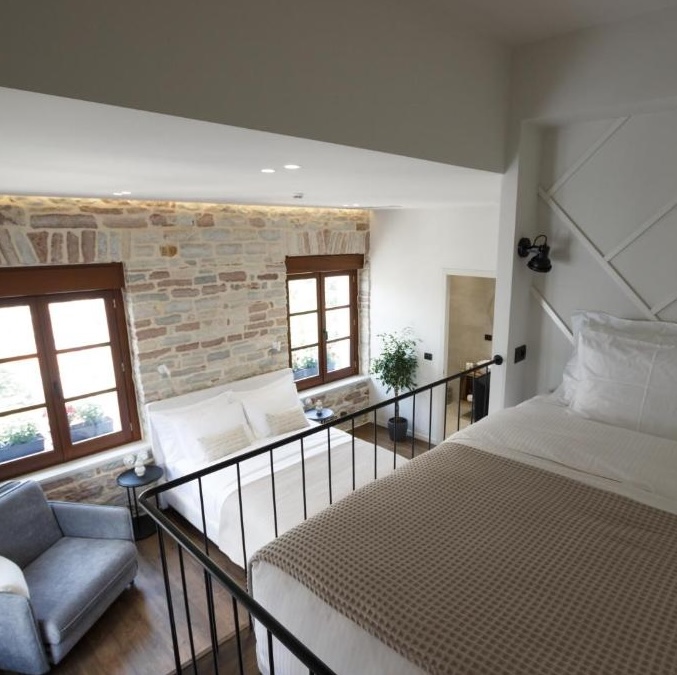
Things to Do in Gjirokastër
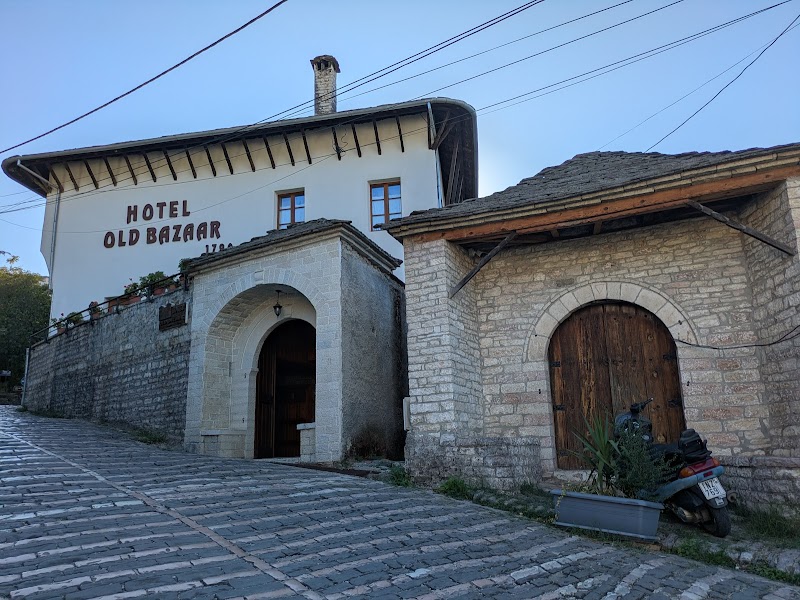
Gjirokastër Old Bazaar Stroll
Old Town (Bazaar) · 120 min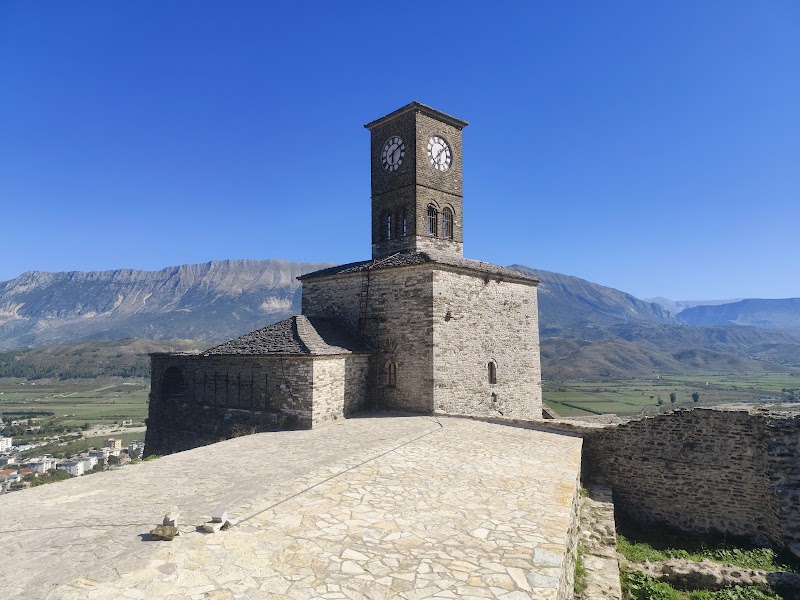
Gjirokastër Castle
Old Town (Castle Hill) · 150 min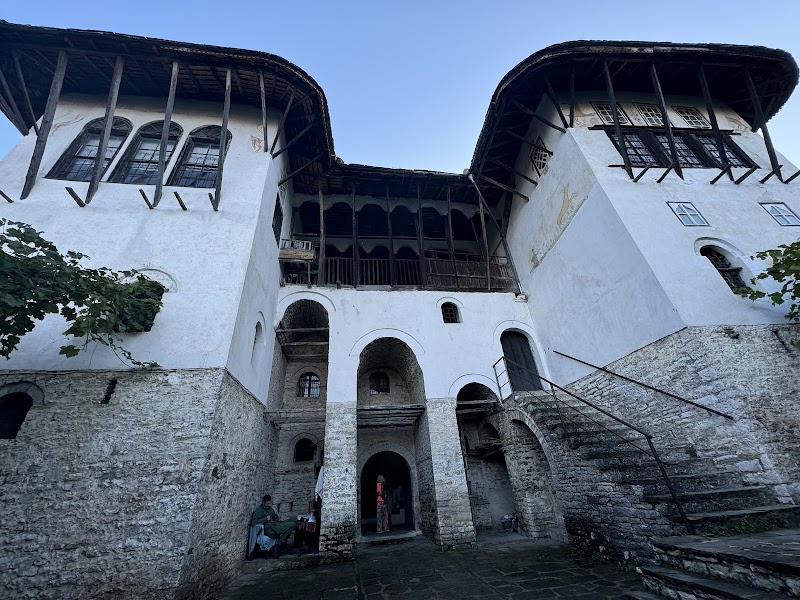
Skenduli House (Skënduli House Museum)
Old Town (Residential Quarter Above Bazaar) · 60 minMoney-Saving Tips
- 1.Eat at family-run restaurants in residential streets rather than tourist spots near the castle entrance – same food, half the price
- 2.Stay in the old town to avoid transportation costs – everything is walking distance
- 3.Buy raki directly from locals rather than in shops – better quality and €5 per bottle instead of €12
- 4.Pack snacks for castle visits – the small cafe inside charges tourist prices
- 5.Book guesthouses directly with owners rather than through booking sites to avoid commission fees
- 6.Take local buses to day trip destinations instead of organized tours – €3 vs €25 for the same journey
Travel Tips
- •Learn to pronounce 'Gjirokastër' correctly before you go – locals appreciate the effort and it opens conversations
- •Bring comfortable walking shoes with good grip – those polished cobblestones get slippery
- •Pack light if staying in the old town – dragging wheeled luggage up cobblestone streets is miserable
- •Download offline maps – WiFi can be spotty in the stone houses
- •Bring cash – many family restaurants and guesthouses don't accept cards
- •Visit the castle early morning or late afternoon to avoid midday heat and get the best light for photos
- •Ask your guesthouse owner for restaurant recommendations – they know which family kitchens serve the best food