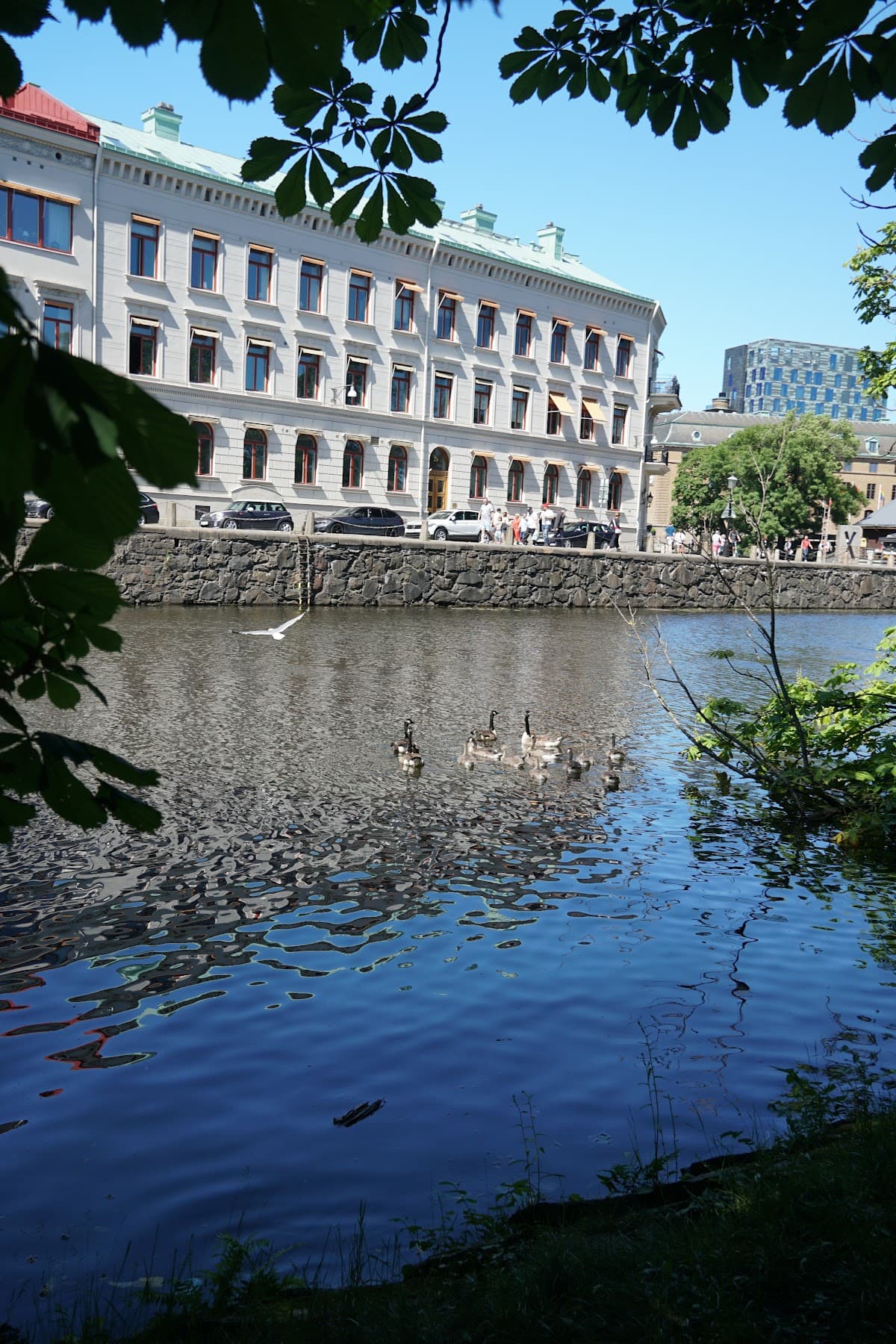
Gothenburg
Sweden's charming second city of canals and culinary excellence
Forget Stockholm's tourist crowds. Gothenburg serves up Sweden's best food scene alongside canals that actually feel lived-in, not like a museum exhibit. This port city of 580,000 people punches way above its weight class — Michelin stars dot the restaurant map, vintage trams glide past 17th-century architecture, and locals still have time to chat over coffee. The Göta älv river cuts through the center, creating islands connected by bridges that locals cycle across without a second thought. You'll find yourself slowing down here, which is exactly the point.
Best Months
MAY – SEP
~19°C · moderate crowds
Culture & Context
PORT CITY, NOT CAPITAL
Gothenburg is Sweden's second city, sitting on the west coast, and it has a personality genuinely distinct from Stockholm. Where Stockholm can feel polished and a bit self-conscious, Gothenburg is looser — more port town, less capital-city performance. The city was founded in 1621 as a Dutch trading colony, and the Dutch influence still shows in the canal layout of the old center.
It was the industrial engine of Sweden for most of the 20th century, and the Port of Gothenburg remains the largest in the Nordic countries. Volvo was born here. But what replaced the heavy industry isn't just tourism — it's a genuinely thriving food scene, around 40 craft breweries, and a university population that keeps the whole city feeling young.
Locals have a reputation among other Swedes for being unusually friendly and funny. They even have a word for the local accent: Göteborgska, described by Swedes themselves as melodic and warm. The city has a few nicknames — "Lilla London" (Little London) and "City of Trams" — and yes, it runs the most extensive tram network in northern Europe.
Pride in the city is real. Håkan Hellström, a local rock musician, sells out 70,000-seat arenas here. That tells you something about the place.
Local Customs
FIKA, NOT SMALL TALK
Fika is not optional. It's a genuine cultural institution — a mid-morning or mid-afternoon coffee break with a pastry, done slowly, often with colleagues or friends. Don't treat it as a quick grab-and-go.
Sit down. Haga's cafés are the obvious place to do this properly.. Lagom is the concept that governs Swedish life.
It translates roughly to 'just the right amount' — not too much, not too little. It shows up in conversations, hospitality, consumption, and even how people decorate. Bragging or excess is genuinely frowned upon..
Sweden is almost entirely cashless. Don't be surprised if a market stall or small café refuses physical money. Always have a card with you..
Remove your shoes when entering someone's home. This is non-negotiable and applies to most Swedes' apartments.. Punctuality is taken seriously.
Being 10 minutes late to a dinner invite will be noticed, even if nothing is said.. Swedes value personal space and quiet in public — especially on trams and buses. Keep voices low, don't block aisles, and don't try to make conversation with strangers unless they initiate..
Alcohol above 3.5% ABV is only sold at Systembolaget (state-run shops). Supermarkets only carry low-alcohol beer.
Systembolaget is closed Sundays. Plan accordingly or you'll be paying bar prices all evening.. The right to roam — called Allemansrätten — means you can walk through, camp in, and enjoy almost any natural area in Sweden as long as you leave it as you found it.
It's a genuine point of national pride. Don't litter, or locals will notice.. Tipping isn't expected the way it is in the US, but rounding up the bill or leaving 10% for genuinely good service is appreciated and increasingly common..
Gothenburg has its own brand of dry, punny local humor called Göteborgsskämt. Locals are proud of it. If a local tells you a bad pun, they consider that a gift.
Safety
VERY SAFE, WATCH BAGS
Gothenburg is genuinely safe by European standards — Sweden ranks consistently high in global safety indices, and for most visitors the biggest actual risk is having a phone lifted from a café table. Pickpockets do exist, particularly around the Central Station, Nordstan shopping center, and on busy tram lines during festivals and summer. Keep your bag zipped and your phone in a front pocket.
That's about the level of caution required. There has been an increase in gang-related incidents in certain suburban areas over recent years — Biskopsgården, Angered, and Bergsjön come up in local news. But these incidents are highly localized and involve people connected to those conflicts.
As a tourist staying in the center and archipelago, you are extremely unlikely to be affected. Solo travelers, including solo female travelers, consistently report feeling comfortable here. Street harassment is uncommon.
The city center stays well-lit and populated late into the evening. One practical note: unlicensed taxis can overcharge significantly. Use the Bolt or Uber app, or make sure your cab has an official yellow license plate.
Emergency number is 112. Tap water is completely safe to drink — skip the bottled water.
Getting Around
TRAMS EVERYWHERE
Gothenburg's tram network is the most extensive in northern Europe (around 190km of track), and it's the obvious way to get around. The Västtrafik system covers trams, buses, and ferries to the archipelago under one ticketing system — which is genuinely excellent value. Buy via the Västtrafik To Go app before boarding.
A single ticket is 38 kr (~$4) and covers 90 minutes. The 24-hour pass at 122 kr (~$13) makes sense for most full sightseeing days. The student monthly pass runs 625 kr; adults pay around 1,000 kr per month.
From Gothenburg Landvetter Airport (GOT), 20km east of the city, the Flygbussarna airport bus is the smart move — costs 130–141 kr and takes about 25–40 minutes to Nils Ericson Terminal (the main bus station). Buy your ticket in the app for a slight discount. Taxis from the airport run 400–500 kr.
The city center itself is small and walkable — Haga to Götaplatsen is a comfortable 20-minute stroll. Bike share via Styr & Ställ is available for cycling. Ferries to the southern archipelago depart from Saltholmen terminal (reachable by tram) and are covered by your Västtrafik day pass — which makes island-hopping surprisingly cheap.
Trains connect Gothenburg to Stockholm in about 3 hours and to Copenhagen in roughly 3.5 hours via the Öresund Bridge.
Useful Phrases
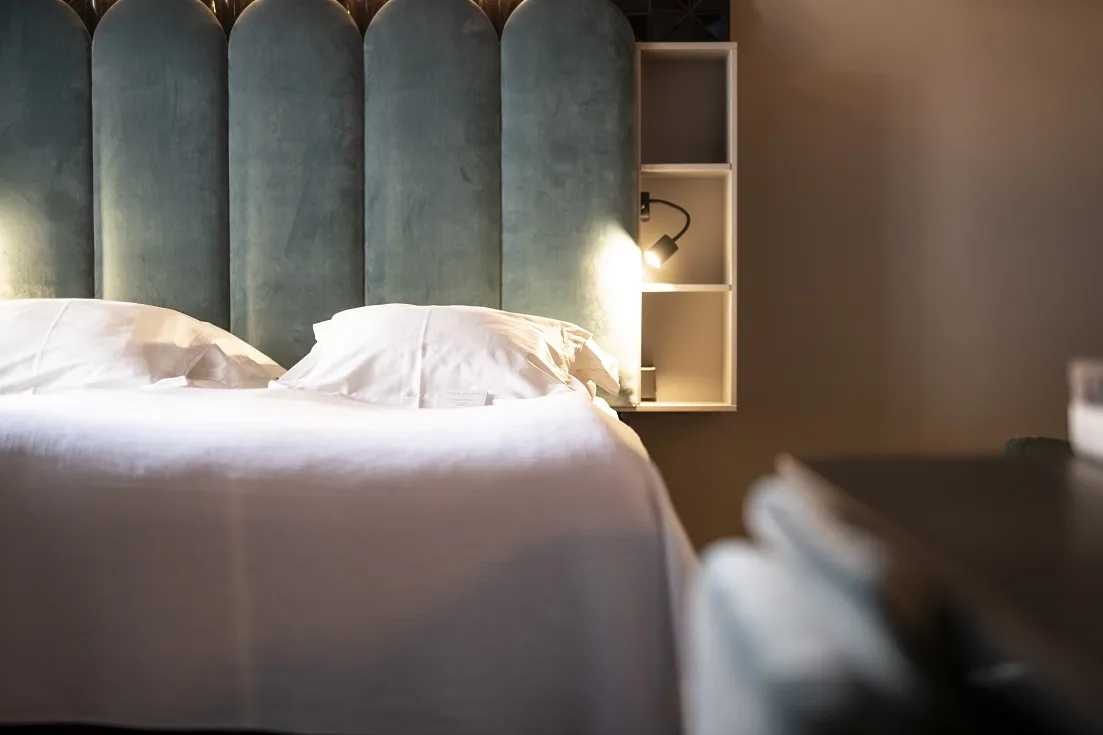
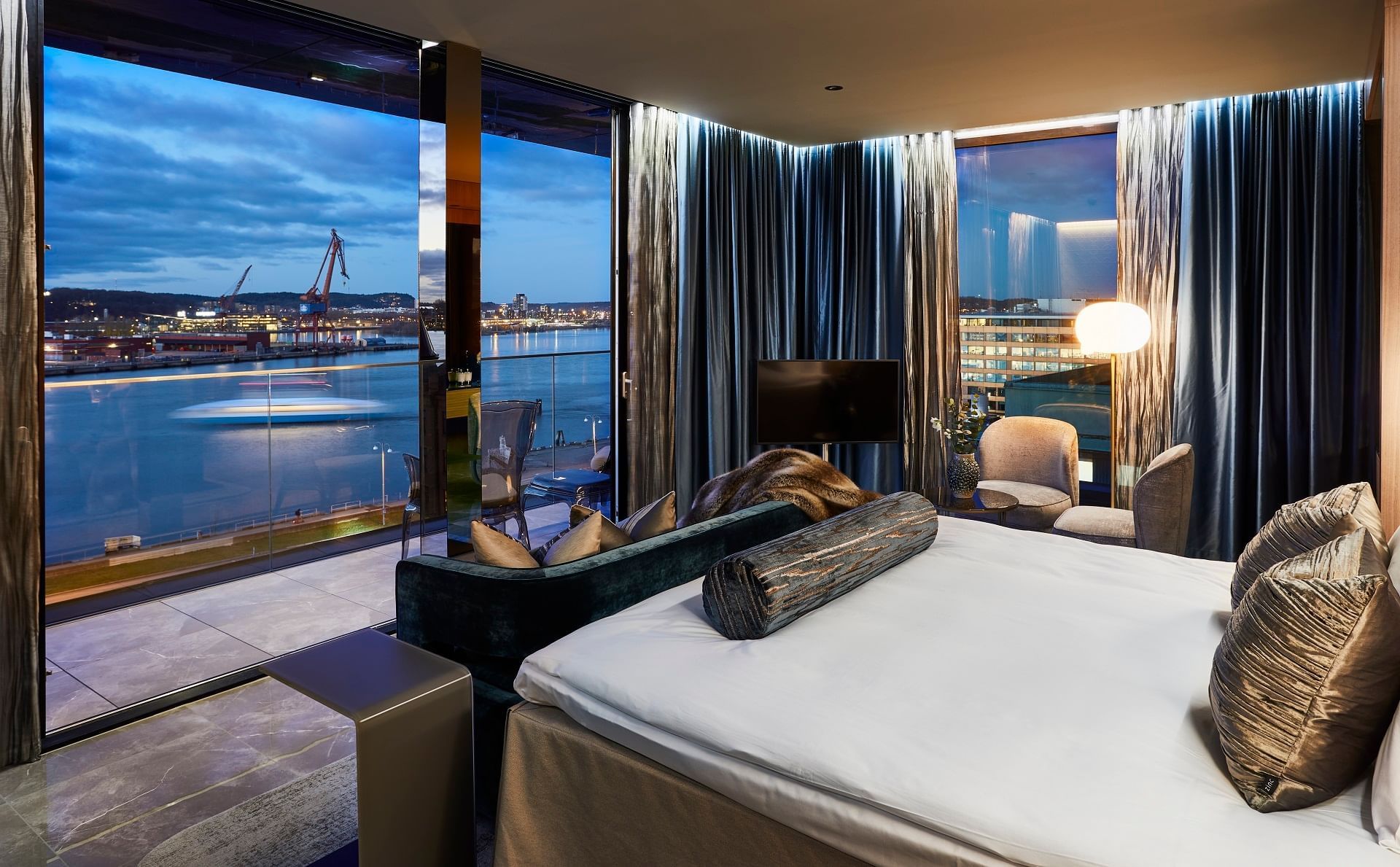
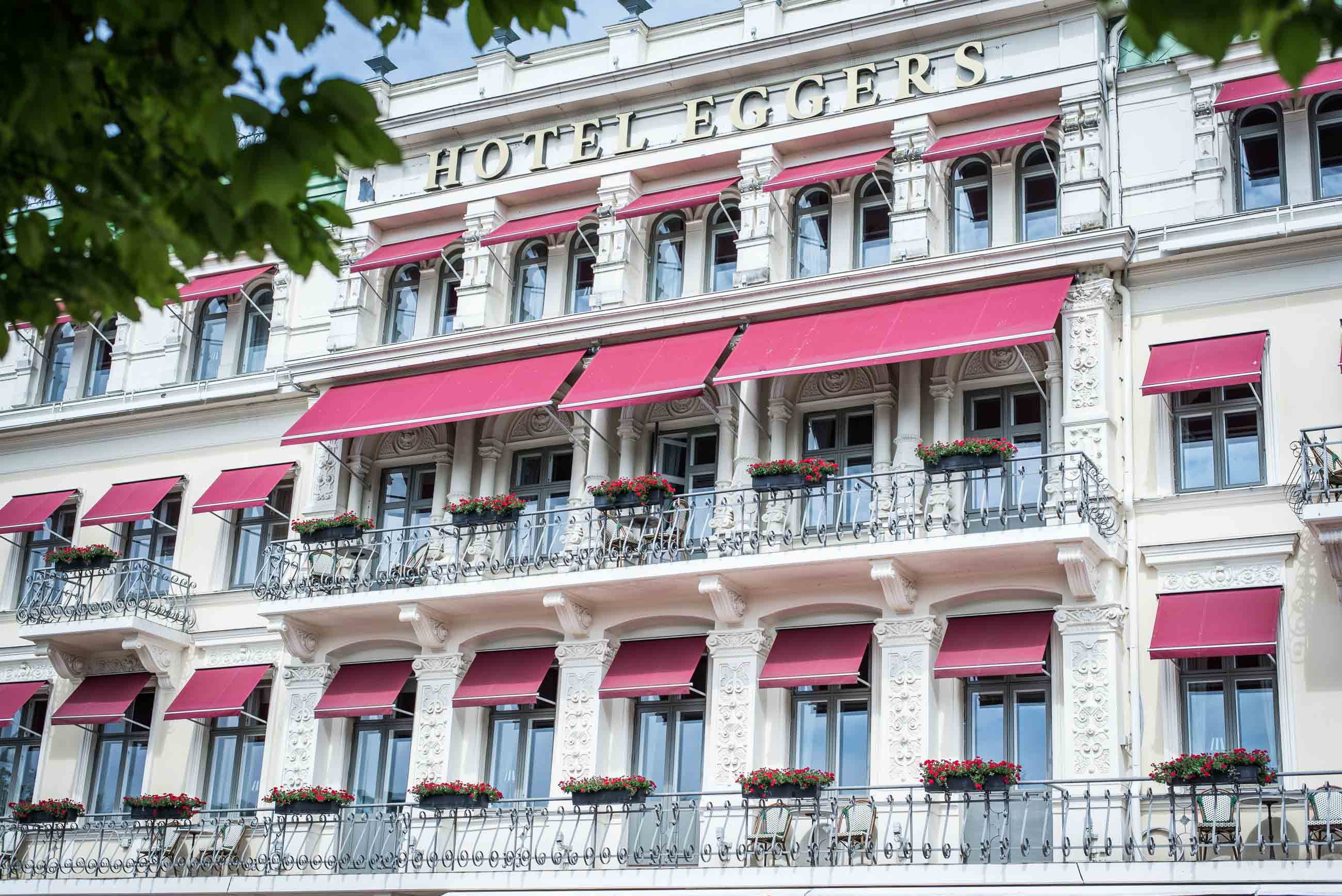
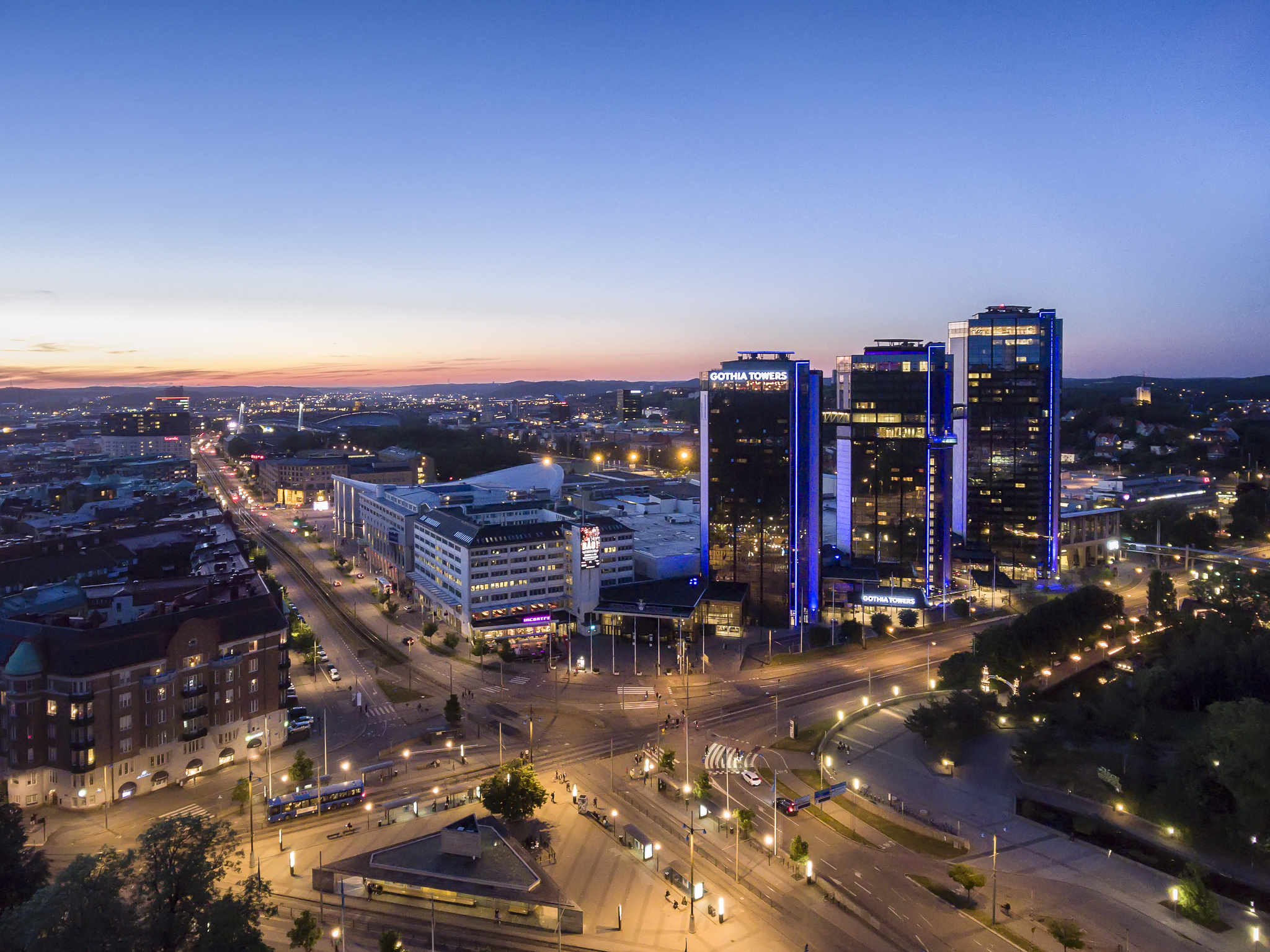
Where to Stay in Gothenburg
6 recommended properties
Money-Saving Tips
- 1.Buy the Göteborg City Card for 345 SEK — it covers all transport plus entry to 30 attractions
- 2.Happy hour at restaurants runs 4-6 PM with 30% off food and drinks
- 3.Grocery shop at ICA or Coop instead of eating every meal out — restaurant prices will shock you
- 4.Many museums offer free entry on certain weekdays — check individual websites
- 5.Bike rentals cost 25 SEK per day versus 150 SEK for a single tram day pass
- 6.Lunch specials (dagens lunch) at restaurants cost 120-150 SEK versus 300+ SEK for dinner
- 7.Buy alcohol at Systembolaget stores before 7 PM — bars charge 3x the price
- 8.Street food markets like Saluhallen offer quality meals for 80-120 SEK
- 9.Book archipelago ferries online for small discounts versus buying at the dock
- 10.Many hotels include breakfast — take advantage since café breakfasts cost 150+ SEK
Travel Tips
- •Download the Västtrafik app for real-time tram and bus schedules
- •Swedes are friendly but reserved — don't take initial coolness personally
- •Most places accept cards only — carry minimal cash
- •Trams run every 10 minutes during the day but stop around midnight on weekdays
- •Book restaurant reservations online through their websites, not calling
- •Pack layers even in summer — weather changes quickly on the coast
- •Learn basic Swedish greetings — locals appreciate the effort
- •Pharmacies (Apotek) sell over-the-counter medications and have English-speaking staff
- •Public bathrooms cost 10 SEK — keep coins handy or use department store facilities
- •Allemansrätten (right to roam) lets you camp and hike freely in nature — just follow leave-no-trace principles