Naxos
Authentic Greek island with marble villages and pristine beaches
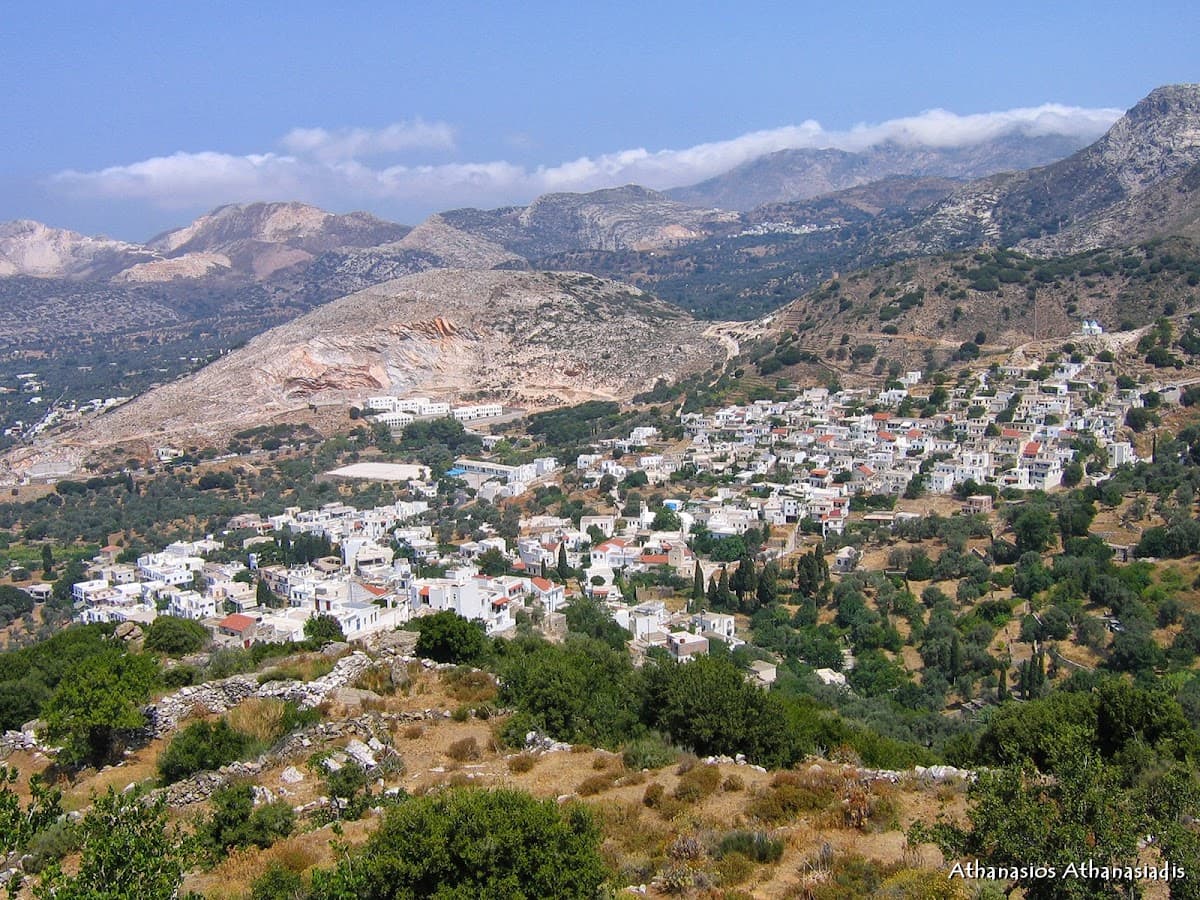
Forget Mykonos and Santorini for a minute. Naxos is what Greek islands used to be before Instagram took over. This is where you'll find marble villages that actually house locals, beaches without beach clubs charging €50 for a sunbed, and tavernas where the owner's grandmother still makes the dolmades. The largest of the Cyclades, Naxos gives you room to breathe while serving up everything that makes Greek islands magical - just without the cruise ship crowds fighting for the same sunset photo.
Best Months
MAY – OCT
~28°C · moderate crowds
Culture & Context
VENETIAN MEDIEVAL LAYERS
Naxos has layers that most visitors never bother to peel back. The island was ruled by Venetian dukes for three centuries after the Fourth Crusade, and you can still see it. The Kastro neighborhood in Chora is essentially a functioning medieval Venetian town, with Catholic and Orthodox churches practically side by side.
Apeiranthos, the marble-paved mountain village 40 minutes inland, speaks a Greek dialect descended from Cretan settlers who arrived centuries ago. Its residents still sound noticeably different from people in Chora. The island is also the largest in the Cyclades and genuinely self-sufficient.
It grows its own potatoes, raises its own cattle, produces its own cheese (graviera), and distills its own liqueur (Kitron, made from citron tree leaves and only produced here). That agricultural self-sufficiency gives Naxos a different feel from the resort islands. People here actually farm.
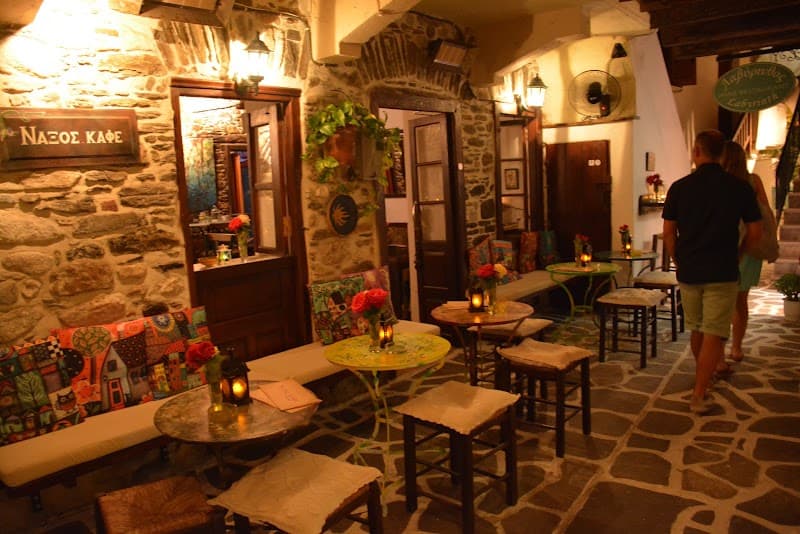
The concept of philoxenia (literally "love of strangers") is real and not performative. When someone at a kafeneion offers you a small sweet or a shot of tsipouro with your coffee, accept it. Refusing is considered rude, even if you're stuffed.
Local Customs
ACCEPT FOOD, RESPECT CHURCHES
Accept food or drink when offered by locals, even if you're not hungry. Refusing is genuinely rude. A polite thank-you while accepting is the right move..
Cover shoulders and knees when entering any church or monastery. This applies year-round, not just at tourist sites. Most churches will have a scarf or wrap at the door if you forget..
Greeks eat late. Lunch is rarely before 2pm, dinner not before 9pm. Show up at a taverna at 7pm and you'll be the only one there, eating slightly sad food that hasn't hit its stride yet..
At panigyria (village feasts), you are expected to join in. The kalamatiano circle dance is easy to pick up. Nobody judges first-timers..
Do not attempt to climb on the marble ruins of the Portara. It's prohibited, it's dangerous, and locals find it genuinely disrespectful.. Cash is king.
Card machines at small guesthouses, kafeneions, and market stalls routinely 'go down.' Carry euros.. The afternoon siesta is real in mountain villages.
Don't expect shops or kafeneions to be open between roughly 2pm and 5:30pm.. Tap water in Chora is technically safe but locals drink bottled. In mountain villages, the spring water is generally excellent.
Safety
VERY SAFE, WATCH PICKPOCKETS
Naxos is one of the safer Greek islands and serious crime is genuinely rare. The U.S.
State Department rates all of Greece at Level 1 (Exercise Normal Precautions). Petty theft is the main concern, especially at the port, on buses, and at busy beaches during August. Wear a cross-body bag in Chora, keep phones off tables at portside cafes, and don't leave valuables on the sand while swimming.
ATMs: use ones in well-lit public locations, not standalone machines on side streets. Driving note: Greeks use the road shoulder as a slow lane and will pass on blind corners. If you're renting a car, stick to the paved roads and download offline maps before driving into the mountains — mobile signal drops out in the interior.
Solo female travelers generally report feeling safe. Standard precautions apply at bars (don't leave drinks unattended). One practical thing most guides skip: heatstroke is a real risk on hiking trails in July and August.
Bring significantly more water than you think you need, and always hike early morning. EU Entry/Exit System (digital border records) went fully operational across Schengen countries on April 10, 2026 — non-EU travelers should allow extra time at border checkpoints on first entry.
Getting Around
FERRY & RENTAL CAR
The most common route is ferry from Piraeus (Athens). Conventional ferries take about 5.5 hours and cost €25-35 — comfortable enough overnight or for a morning sailing.
High-speed catamarans cut it to 3.5 hours for €35-55. Book in advance, especially in July and August, because ferries sell out.
There's also a small domestic airport (JNX) with 40-minute flights from Athens. No buses at the airport — you'll need a taxi or pre-booked transfer into Chora. Once on the island, the local Naxos Buses network covers the main beaches and a handful of villages.
Tickets run €1.80 to €6.20 depending on distance.
West coast beach buses (to Agios Prokopios, Agia Anna, Plaka) run every 30 minutes in summer. Interior village routes run once or twice a day at odd times — check the schedule before relying on them. Car rental starts at €20/day booked in advance and is by far the best way to reach the mountain villages and eastern beaches.
Drivers must be at least 21 and should carry an International Driving Permit. Short taxi rides run €10-20. There are no trains.
Inter-island, the Naxos-Paros leg takes about 1 hour and costs €12-18.
Useful Phrases
Naxos Itineraries
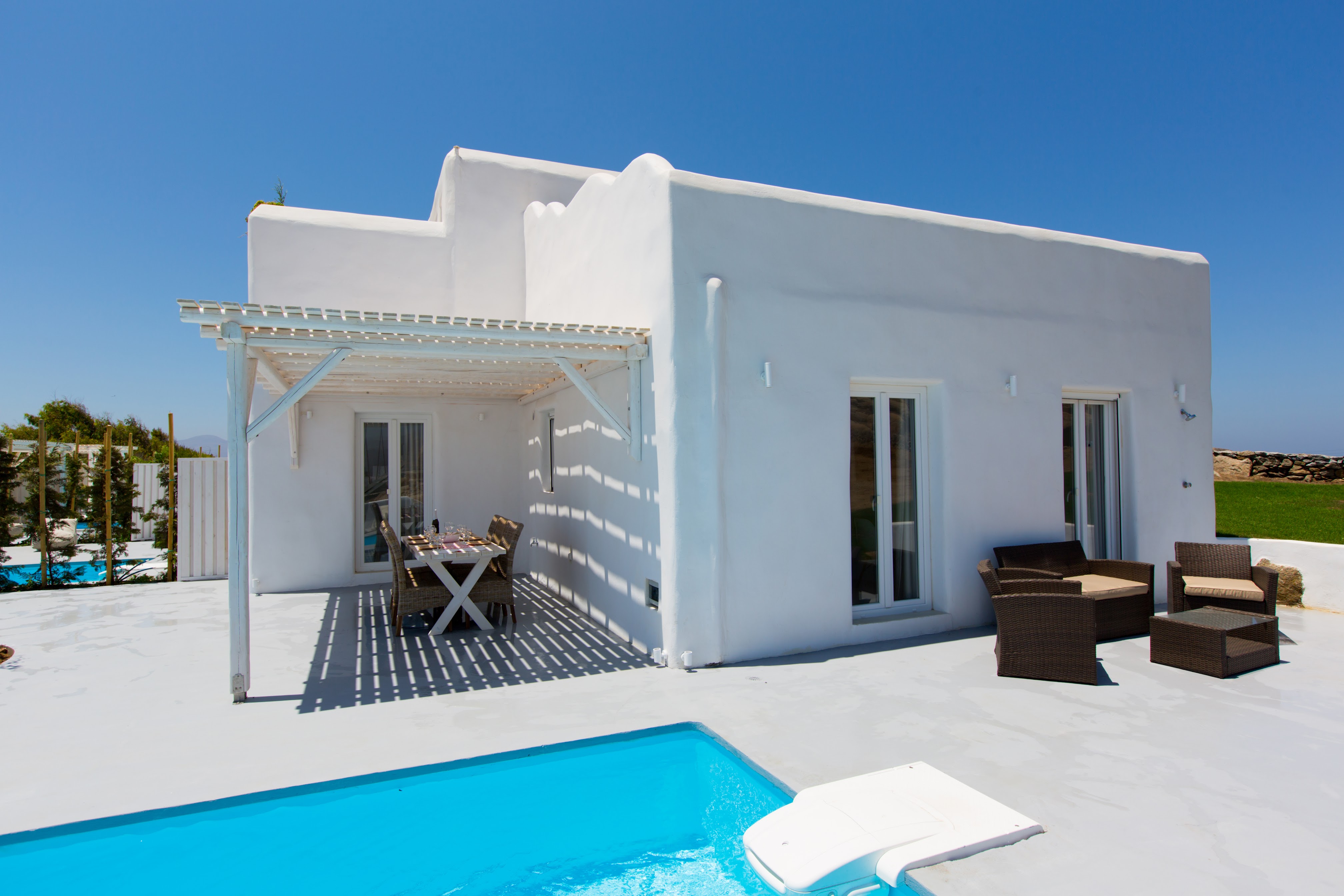
Where to Stay in Naxos
3 recommended properties

Things to Do in Naxos
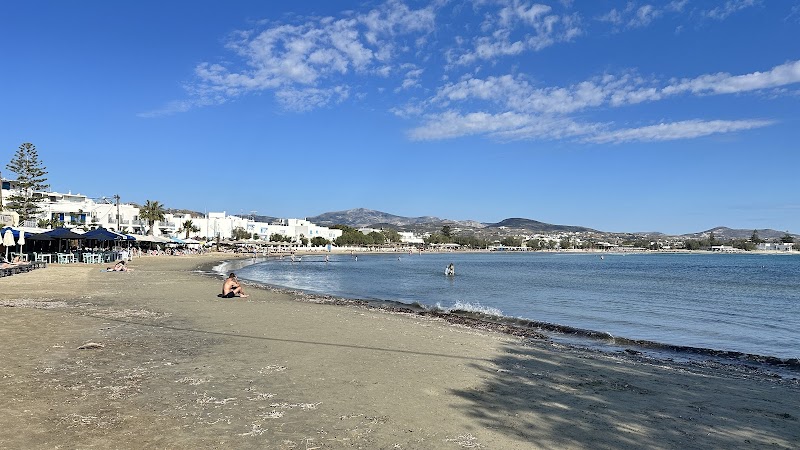
Agios Georgios Beach
Naxos Chora · 120 min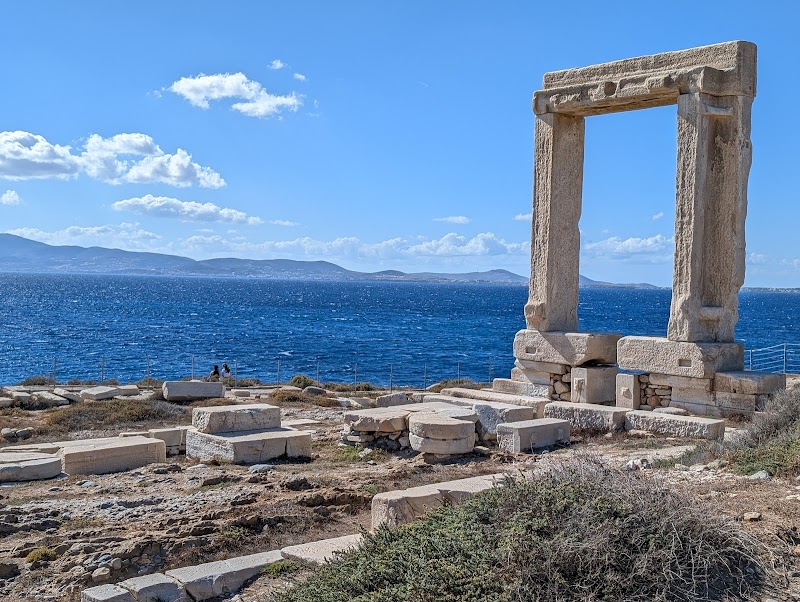
Portara & Temple of Apollo
Naxos Chora · 90 min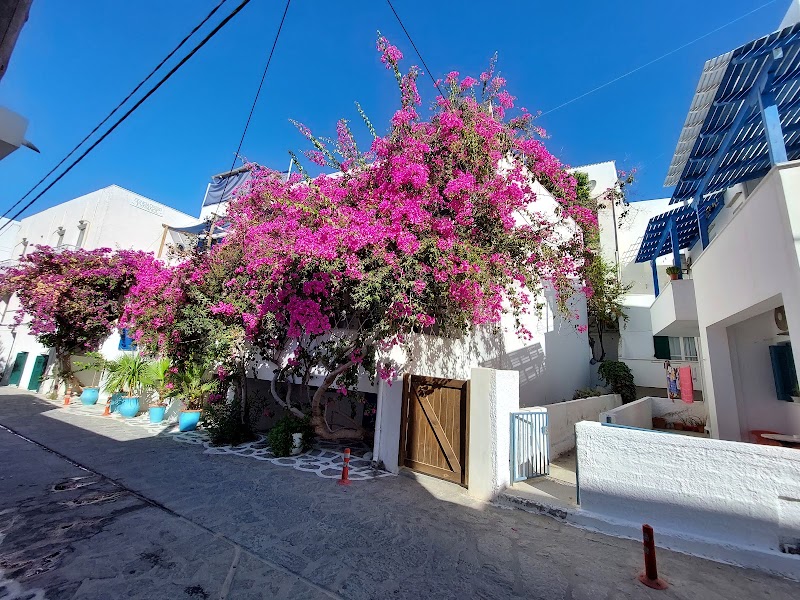
Chora Shopping Streets
Naxos Chora · 90 minMoney-Saving Tips
- 1.Rent a car from local companies instead of international chains - save €10-15 per day and get better local knowledge
- 2.Buy ferry tickets at the port rather than online to avoid booking fees - usually saves €3-5 per ticket
- 3.Shop at the Saturday morning market in Naxos Town for fresh produce and local cheese at half the tourist shop prices
- 4.Eat lunch at tavernas in mountain villages like Apiranthos where mains cost €8-12 versus €15-20 in coastal areas
- 5.Fill up water bottles at public fountains throughout the island instead of buying bottled water
- 6.Visit beaches on the east coast where parking stays free, unlike some west coast spots that charge €5-10
- 7.Book accommodation directly with small hotels to negotiate better rates, especially for stays longer than 3 nights
Travel Tips
- •Download offline maps before exploring - cell coverage gets spotty in mountain villages and remote beaches
- •Pack reef-safe sunscreen as many beaches have fragile marine ecosystems
- •Bring a windbreaker even in summer - afternoon winds on the west coast can be surprisingly strong
- •Learn basic Greek greetings - locals appreciate the effort, especially in smaller villages
- •Check ferry schedules the night before travel as weather can cause last-minute cancellations
- •Carry cash as many family-run tavernas and shops don't accept cards
- •Book dinner reservations by 6 PM - popular restaurants fill up quickly during summer evenings