
Lanzarote
Volcanic wonderland where fire meets ocean beauty
Lanzarote looks like Mars decided to take a beach vacation. This Canary Island trades tropical green for volcanic black, creating landscapes so alien that NASA once used them for astronaut training. But here's what makes it special: local artist César Manrique convinced the island to build with the lava, not against it. The result? A place where underground restaurants sit in volcanic tubes and cactus gardens bloom from crater floors. You'll find beaches with sand so black it heats your feet, wine growing in volcanic ash, and art galleries carved into lava bubbles. The island gets 300 days of sunshine a year, perfect Atlantic temperatures, and zero high-rise hotels blocking the view. It's nature and art having a conversation in a language only volcanoes speak.
Best Months
MAR · APR · MAY · SEP · OCT · NOV
~24°C · moderate crowds
Culture & Context
VOLCANIC & MANRIQUE
Lanzarote is a Spanish Canary Island and a UNESCO Biosphere Reserve sitting about 125km off the coast of Africa. That geography matters. The island's personality comes from two things: its volcanic past (the eruptions of 1730-1736 reshaped roughly a quarter of the island) and the legacy of local artist and architect César Manrique, who convinced authorities to ban high-rise buildings and billboard advertising, resulting in an island that actually looks like itself rather than a generic resort zone.
Locals are called conejeros, from the word for rabbit, a nod to the island's old rabbit-skin trade. Most identify strongly as Canarios first, Spanish second. The culture is warm but not pushy.
Away from the tourist bubble of Puerto del Carmen or Playa Blanca, you find villages where nothing moves quickly and that's very much the point. The island draws enormous numbers of British, German, and Scandinavian visitors year-round, which means the resort areas can feel like northern Europe with better weather. But step inland or north toward Haría and Teguise, and the island feels genuinely different.
Local Customs
SAY HOLA FIRST
Greet people when you walk into a shop or restaurant — a simple 'hola' or 'buenos días' goes a long way. Staying silent when you enter is considered rude, not neutral.. Ask for the 'Menú del día' at lunch.
Most restaurants offer it Monday-Friday for €12-15 and it's often three courses with a drink. It's how locals eat out affordably.. Tipping is not mandatory.
Rounding up or leaving 5-10% for good service is appreciated. Don't feel pressured.. Spanish waiters won't rush you out.
The bill only comes when you ask. Say 'La cuenta, por favor' when you're done.. Tap water is technically safe to drink (it's desalinated seawater) but most locals and long-term residents drink bottled water because the taste is off..
Avoid the so-called 'clipboard scammers' — people pretending to be deaf or mute who ask for donations, particularly around Playa Blanca's Hotel Mirador Papagayo and Marina Rubicón. Ignore them firmly from the first approach.. In Spanish law you're supposed to carry ID.
In practice, a photo of your passport on your phone or a driving licence usually does the job. Lock your actual passport in the hotel safe.. Don't wear bikinis or swimwear on streets away from the beach.
It's technically illegal in parts of Spain and can result in an on-the-spot fine.. The Teguise Sunday market is the biggest in the Canary Islands — but it attracts pickpockets. Keep bags closed and valuables in front pockets..
The 'nos tomamos la arrancadilla' tradition means going for 'one last drink before leaving' a bar. It usually means at least two more. Plan accordingly.
Safety
WATCH PICKPOCKETS
Lanzarote is a genuinely safe place to visit. Serious crime is rare. But it is a busy tourist destination, and where tourists go, opportunists follow.
The main risks are predictable. Pickpockets work crowded spots — the Teguise Sunday Market is the main one to watch, followed by busy beach areas. Don't leave a bag unattended on a restaurant table.
There have been reports of break-ins at villas and apartments, so use the safe for passports, cards, and laptops, and keep doors locked at night. The clipboard scammers around Playa Blanca — people claiming to be deaf or mute and asking for charity donations — can become pushy. Don't engage.
Walk past. For beach safety: many beaches outside the main resorts are unguarded, especially off-season. A red flag means don't swim.
Famara Beach has a genuine rip current risk. If you get caught in a rip, swim parallel to the shore rather than against the current. The volcanic rock in the lava fields is extremely sharp.
Stay on marked hiking paths and wear closed shoes. The sun at this latitude is strong year-round and the dry, clear air means burns happen faster than you'd expect — SPF 50 is not an overreaction. Emergency number across all of Europe: 112.
Operators speak multiple languages.
Getting Around
RENT A CAR
Renting a car is the honest answer for most visitors. The island is small enough (north to south in just over an hour) that distances aren't the issue — it's that the best viewpoints, hikes, and Timanfaya National Park simply aren't reachable by public bus. Car hire starts from around €15/day and roads are well maintained.
No Uber operates here. Licensed taxis are metered, easy to find at ranks in all the main resort towns, and can be booked in advance for fixed-route prices (airport to Playa Blanca is around €45-50 fixed). For those sticking to the main towns, the public bus network (guaguas, run by IntercityBus Lanzarote) is clean, air-conditioned, reliable, and cheap.
Fares run €1.40-€5 depending on distance. Important: contactless bank cards are NOT accepted on buses.
Bring cash or buy a rechargeable General Transport Card (10% discount for non-residents) at Arrecife bus station or on most buses. Drivers won't give change from notes over €10. There are no night buses, so plan evenings accordingly.
Key routes: Line 22/23 connects the airport to Arrecife (20-40 min, ~€1.40). Line 161/261 runs airport to Puerto del Carmen and Playa Blanca directly.
Costa Teguise requires changing at Arrecife on Line 01. Use the IntercityBus app or Moovit for real-time tracking and journey planning. Ferries run to La Graciosa from Órzola in the north, and to Fuerteventura, Tenerife, and Gran Canaria from Arrecife.
Useful Phrases
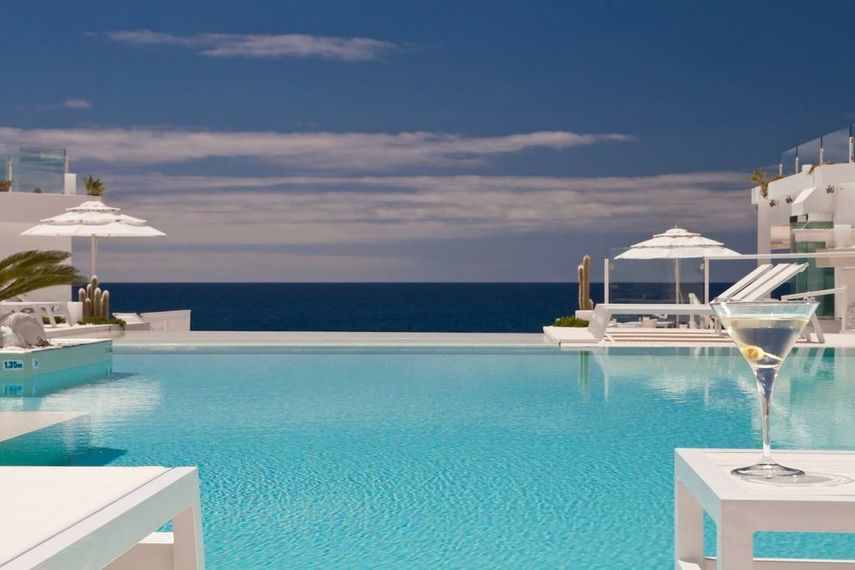
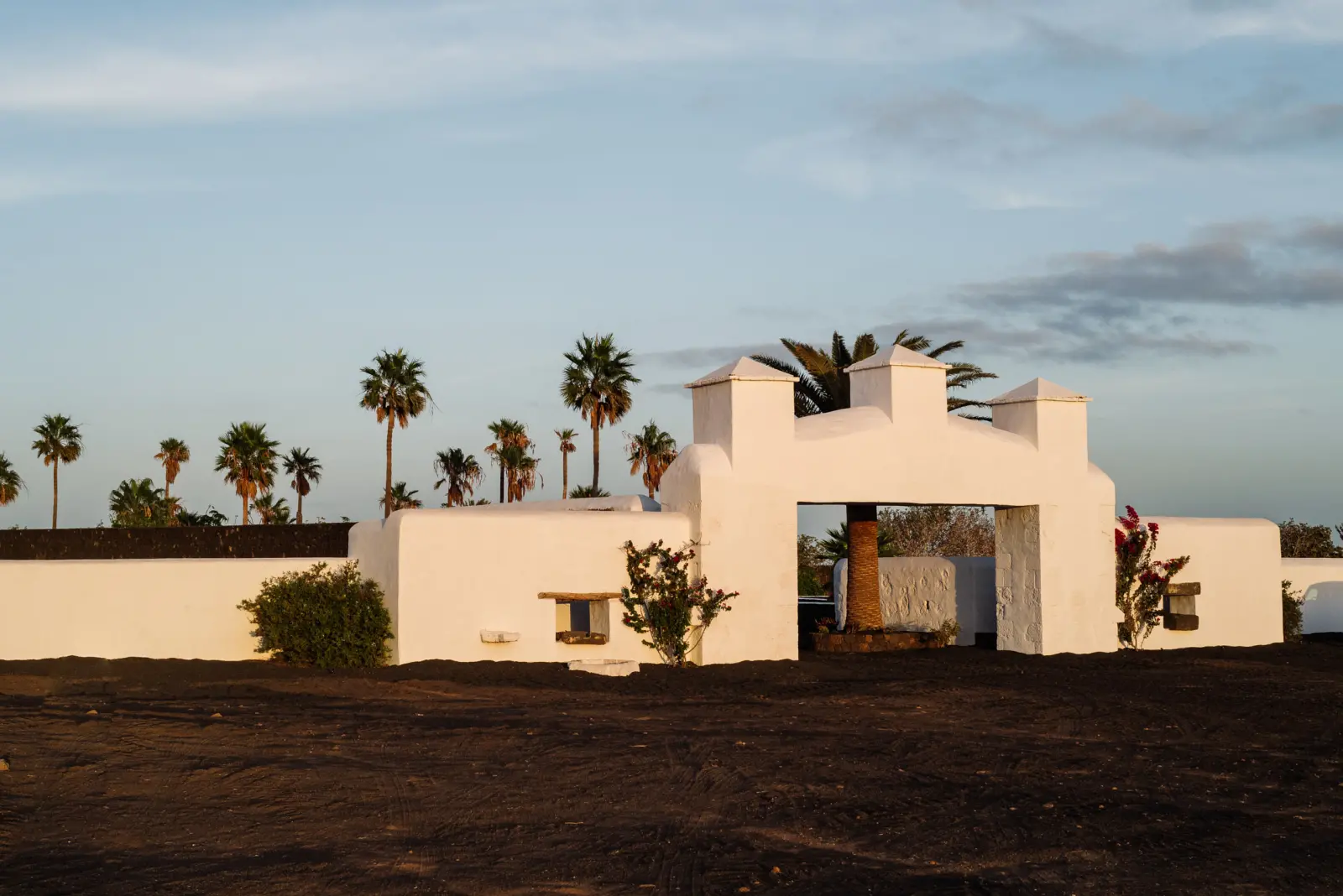
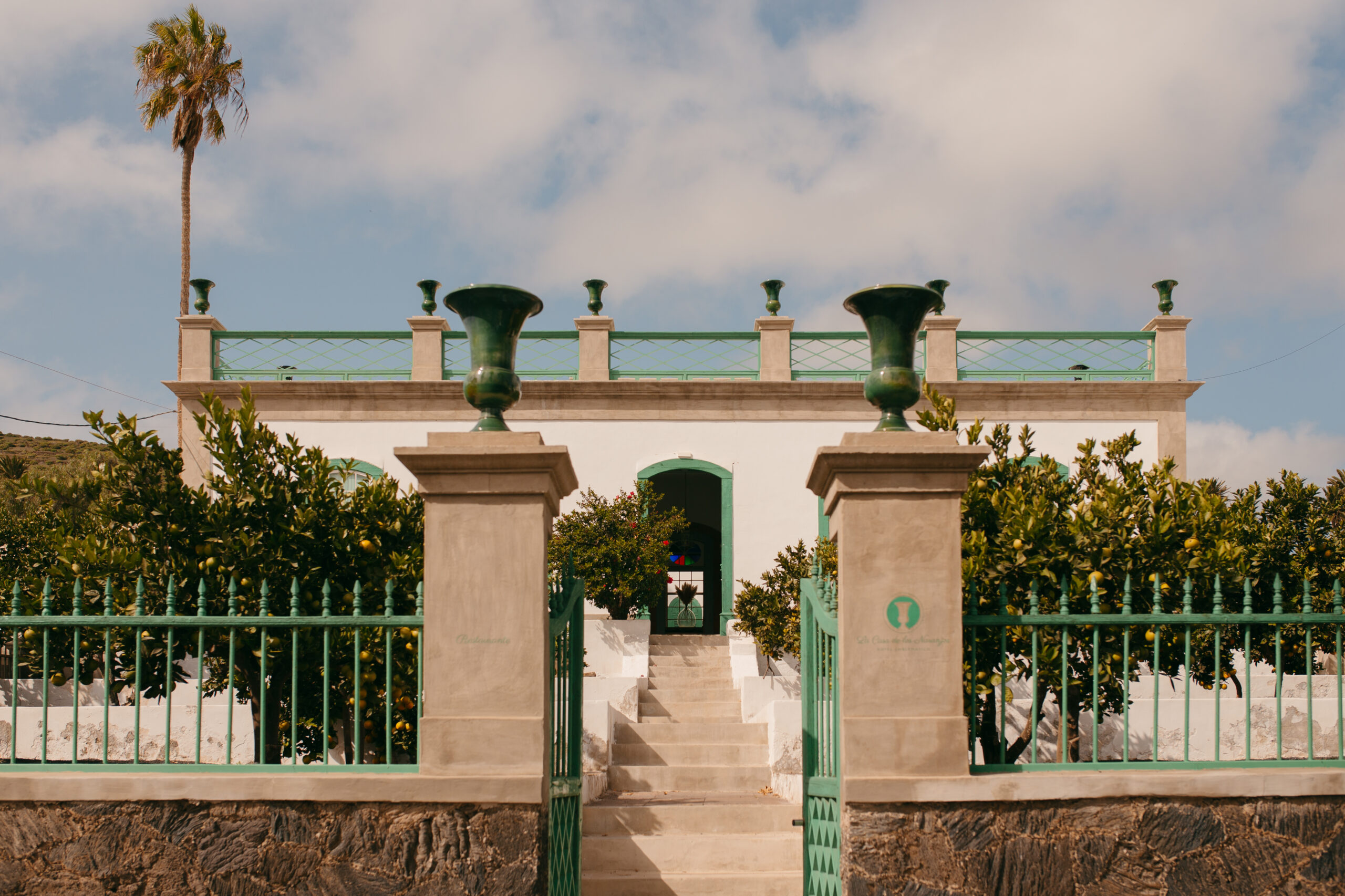
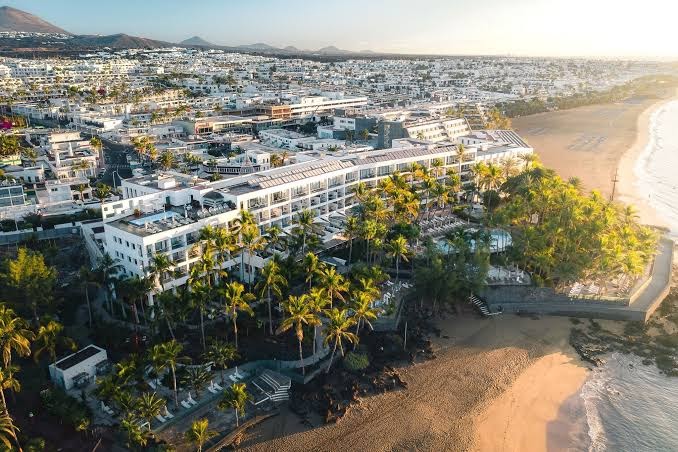
Where to Stay in Lanzarote
4 recommended properties
Money-Saving Tips
- 1.Rent cars through local companies like Cicar instead of international brands - save €10-15 per day
- 2.Buy groceries at Hiperdino supermarkets rather than tourist shops - prices drop 40% for basics
- 3.Visit Timanfaya National Park early morning to avoid tour bus crowds and get better photos
- 4.Book rural houses through the island tourism board instead of Airbnb for authentic stays
- 5.Eat lunch at village restaurants away from beach areas - same food for half the price
- 6.Use the airport bus for €1.40 instead of taxis charging €40+ for transfers
- 7.Pack reef-safe sunscreen from home - island shops charge €15+ for small bottles
Travel Tips
- •Bring sturdy shoes for volcanic terrain - flip-flops won't cut it on lava rock hikes
- •Download offline maps before exploring - cell service drops in remote volcanic areas
- •Pack layers for wind - trade winds make it feel 5°C cooler than actual temperature
- •Book César Manrique Foundation tickets online to skip entrance queues
- •Carry cash for small villages - many restaurants don't accept cards outside tourist zones
- •Check tide times for Papagayo beaches - high tide covers some of the sand
- •Learn basic Spanish numbers for ordering in local restaurants - menus rarely have English