
Curaçao
Dutch Caribbean charm with colorful architecture and diving
Curaçao hits different than other Caribbean islands. Sure, you get the turquoise water and white sand beaches, but you also get Dutch colonial architecture painted in sherbet colors, world-class diving on pristine reefs, and a capital city that feels like Amsterdam had a baby with the tropics. Willemstad's UNESCO-listed downtown looks like someone took a European fairy tale and dunked it in Caribbean sunshine. The island sits outside the hurricane belt, so you can visit year-round without worrying about storms washing out your plans. And here's the thing — it's still relatively uncrowded compared to Aruba or Barbados, which means you'll actually find space on the beach and won't wait an hour for dinner.
Best Months
JAN · FEB · MAR · APR · MAY · NOV · DEC
~31°C · peak crowds
Culture & Context
Curaçao is an autonomous country within the Kingdom of the Netherlands, sitting about 65km off the Venezuelan coast.
But calling it 'Dutch' barely scratches the surface. The population has been shaped by more than 55 cultures — African, European, Latin American, indigenous Arawakan, Sephardic Jewish, and Caribbean all layered together over four centuries of trade and migration. That blend shows up everywhere: in the food, the architecture, the music, and most of all in Papiamentu, the Creole language that mixes Spanish, Portuguese, Dutch, African languages, and Arawakan into something entirely its own. Papiamentu is the island's heartbeat — heard in markets, on the radio, at Carnival — even though Dutch, English, and Spanish are all widely spoken too.
Willemstad, the capital, is a UNESCO World Heritage Site since 1997 — one of the best-preserved examples of colonial urban planning in the Western Hemisphere. The pastel-painted Handelskade buildings aren't a theme park; they're government offices, businesses, and homes. The island also carries a heavy history around the slave trade, confronted honestly at the Kura Hulanda Museum in Otrobanda.
The cultural vibe is warm, unhurried, and multilingual. Locals have a phrase for the local spirit: 'dushi' — sweet, affectionate, good. It applies to the food, the people, the beaches, and the general sense that life here has its own rhythm and you're welcome to join it, as long as you show up with some respect and a proper greeting.
Local Customs
Always greet with 'bon dia,' 'bon tardi,' or 'bon nochi' before any transaction or conversation.
Walking into a shop and going straight to asking for something without greeting first is considered rude — locals genuinely notice.. Sundays are sacred family time.
Most shops and government offices are closed. Families gather at the beach, fire up barbecues, and play music all day. Plan accordingly and don't expect much to be open..
Beachwear stays at the beach. Swimwear off the sand — in town, at restaurants, in shops — can result in fines and will definitely get you stares. A light cover-up is not optional etiquette, it's the rule..
Marijuana is completely illegal here, despite what you might assume given the Netherlands connection. Zero tolerance. Don't bring it, don't look for it..
Taxis have no meters. Always, always agree on the fare before you get in. The official regulated rate from Hato Airport to Willemstad is $25–35.
Anyone quoting significantly more is trying their luck.. Embrace 'island time.' Tours start late, restaurants take their time, service moves at its own pace.
Getting visibly frustrated won't speed anything up — it'll just make you the difficult tourist.. Ask before photographing people. Locals don't mind being in the background of a city shot, but pointing a camera directly at someone without asking is considered disrespectful..
Tipping is customary at around 10–15% in restaurants. Always check your bill first — some places add a service charge already. No need to double-tip..
Traffic note: yellow lights are treated as green on Curaçao. If you brake at a yellow, the driver behind you likely won't expect it. Drive defensively and know local habits before renting a car..
Sharing food and hospitality are deeply ingrained. If you're invited to someone's home or a local gathering, there will always be more than enough — just show up with warmth and you'll fit right in.
Safety
Curaçao holds a US State Department Level 1 rating — the lowest advisory level, meaning 'exercise normal precautions,' the same as most major European cities.
Both the US and Canada rate it at their lowest risk tier. Violent crime against tourists is rare. The most common issues are crimes of opportunity: theft from rental cars at beaches (always lock up and hide bags in the trunk), pickpocketing in crowded markets and festival areas, and occasional overcharging by taxis or unsolicited beach vendors.
Avoid walking alone in Otrobanda at night. The neighborhoods of Seru Fortuna and Koraal Specht have higher local crime rates — tourists rarely end up there, but good to know. Willemstad's Punda and Pietermaai districts are generally safe even after dark.
The island sits outside the main hurricane belt, which makes it safer year-round than most Caribbean destinations. Emergency numbers: 911 (police), 912 (ambulance), 910 (hospital). US Consulate in Willemstad: +(599)(9) 461-3066. Curaçao Medical Center runs 24/7. Note: marijuana is strictly illegal — possession carries serious penalties regardless of your home country's laws. Tap water is safe to drink (desalinated and WHO-standard tested).
Getting Around
The honest answer: rent a car.
Public transportation covers Willemstad well enough, but the best beaches and most of the island's character are in the west and northwest — and getting there on a bus is either impossible or a 90-minute ordeal. Car rentals run $45–67/day; book ahead during Carnival and Jazz Festival season or inventory runs out. Drive on the right, wear seatbelts (mandatory), and get used to aggressive local driving habits.
Within Willemstad, walking is genuinely the best option — Punda, Pietermaai, Otrobanda, and Scharloo are all walkable from each other. The Queen Emma floating pontoon bridge (the Swinging Old Lady) connects Punda and Otrobanda on foot for free. When it swings open for ships, a free ferry runs across.
Public buses operate from two terminals: one near the post office in Punda (Waaigat), one in Otrobanda near the overpass. Large 'Konvooi' buses cover longer routes roughly once per hour. Mini-vans labeled 'BUS' on the registration plate run shorter routes and are cheaper ($2–5/ride). No fixed schedule — they just run during daylight hours. Taxis: no meters, no Uber. Agree on the fare before you get in. Airport to Willemstad: $25–35 official rate. There's a Chippie (Flow) SIM kiosk at the airport baggage claim area if you want a local data SIM immediately on arrival ($30 for 2GB).
Useful Phrases
Curaçao Itineraries
View all
Slow-Adventure Weekend in Colorful Curaçao
Weekend · $$$
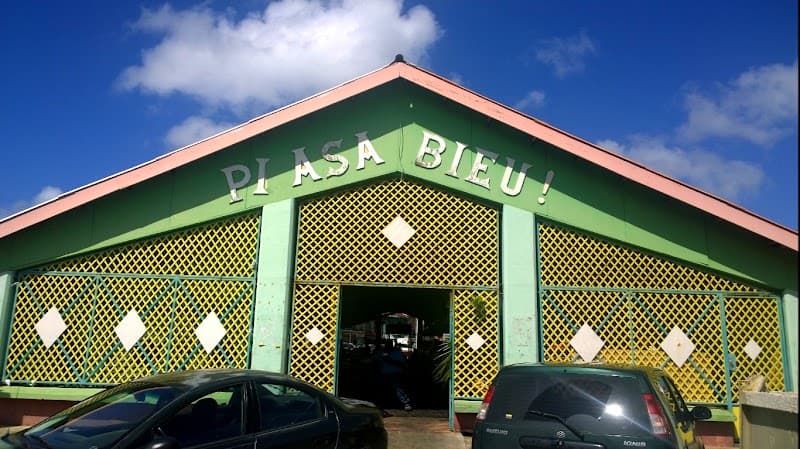
Colorful Curaçao Adventure Day in Willemstad
Weekend · $$$
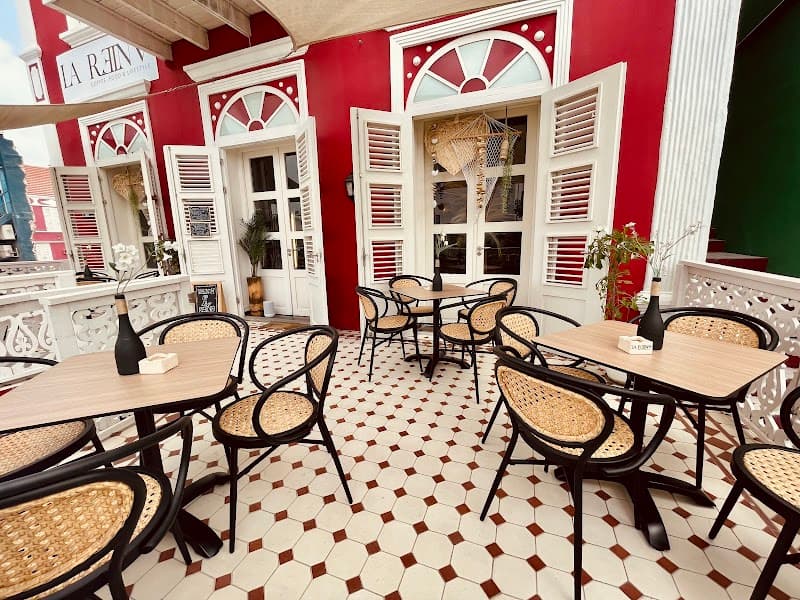
Slow & Sweet Curaçao: 7 Relaxed Days for Two
Weekend · $$$
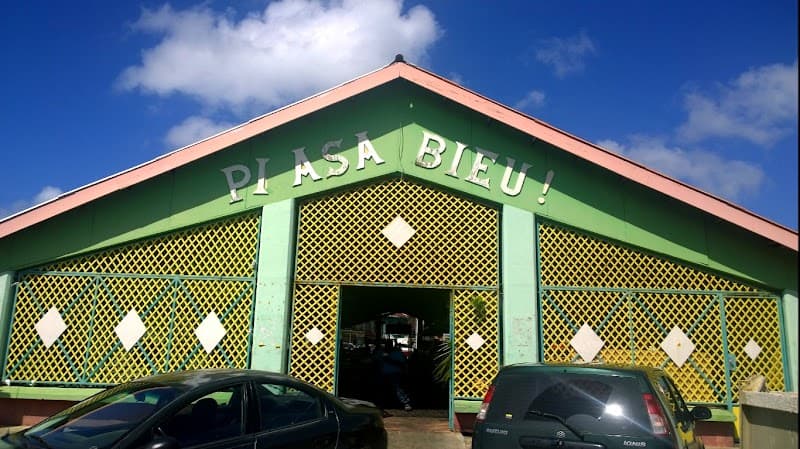
One Perfect Day in Willemstad: Bites, Beach & Beats
Weekend · $$$
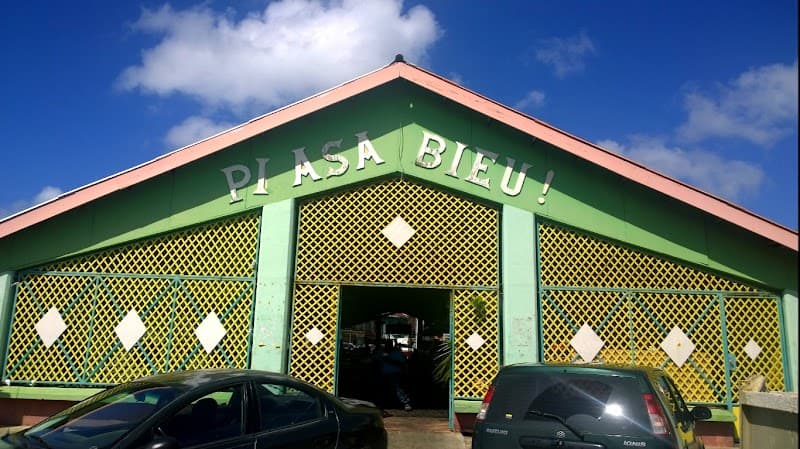
Dushi Bites & Beach Sips: A Curaçao Foodie Weekend
Weekend · $$$
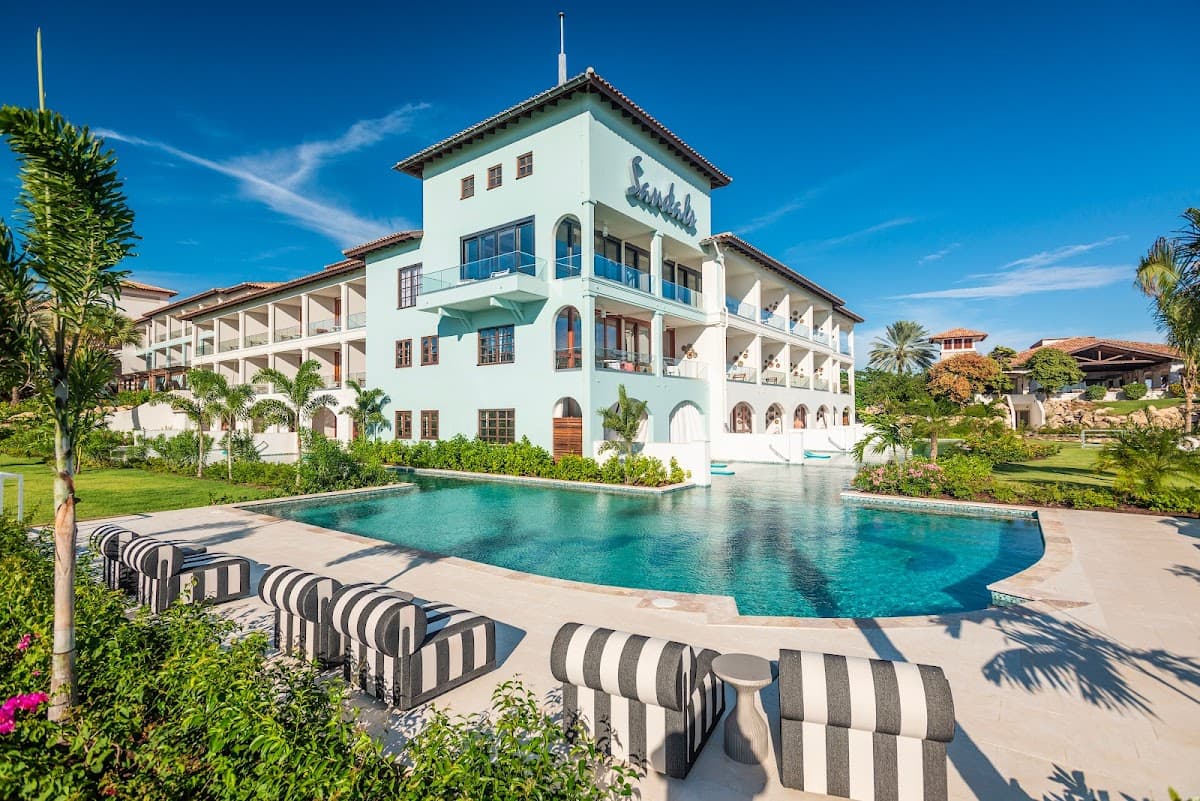
Tropical Bliss: 7-Day Curaçao Couples Escape
Week · $$$
Things to Do in Curaçao
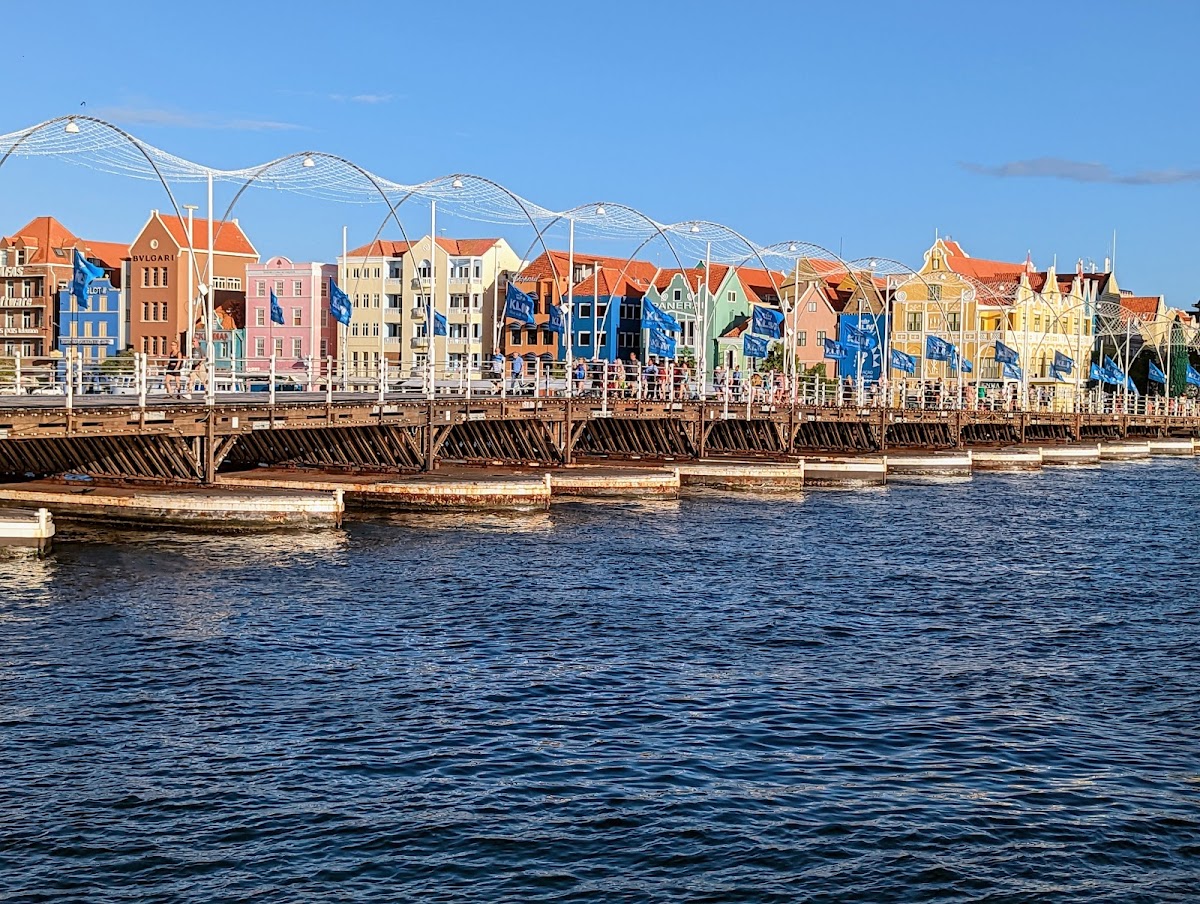
Willemstad Waterfront Walk & Photography (Queen Emma Bridge, Punda, Otrobanda)
Willemstad Historic Center · 90 min
Zipline Adventures Curaçao
Willemstad Outskirts · 120 min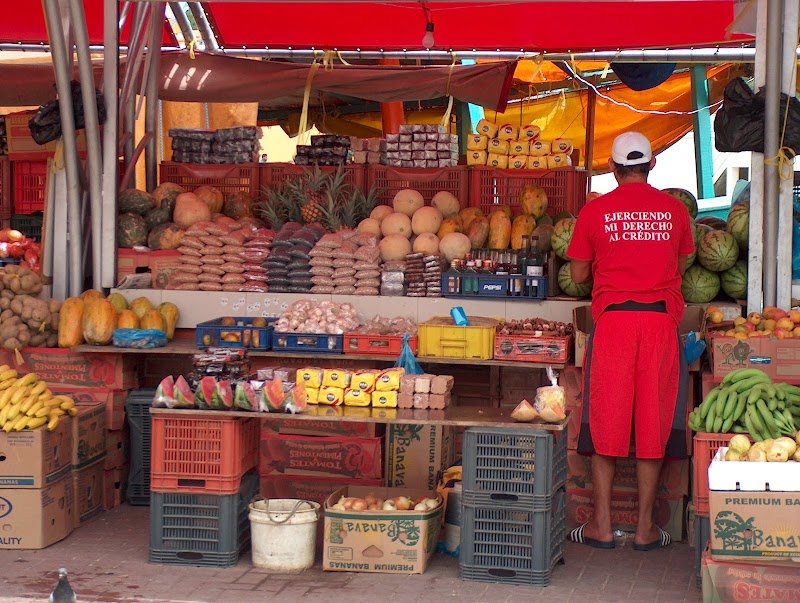
Punda Waterfront & Floating Market
Punda · 90 minMoney-Saving Tips
- 1.Bring US dollars — they're accepted everywhere alongside the local guilder
- 2.Grocery shopping at Centrum or Cost-U-Less saves serious money on drinks and snacks
- 3.Happy hours at beach bars run 4-6pm with $5 cocktails instead of $12
- 4.Rent snorkel gear for the week ($25) instead of daily ($8) if you plan multiple beach days
- 5.Local buses cost $2 vs $25+ taxi rides — just plan extra time
- 6.Buy Blue Curaçao at the distillery for $8 instead of $20 at resort shops
Travel Tips
- •Download offline maps — cell service gets spotty on remote beaches
- •Pack reef-safe sunscreen — the island bans harmful chemicals to protect coral
- •Learn basic Dutch phrases — locals appreciate the effort even though most speak English
- •Bring a waterproof phone case for underwater photos at the Tugboat wreck
- •Book dinner reservations in advance during peak season (Dec-Apr)
- •Keep your rental car locked — petty theft happens in tourist areas
- •Wear water shoes at rocky beaches like Playa Lagun