Netherlands
Canals, tulips, and progressive culture in charming cities
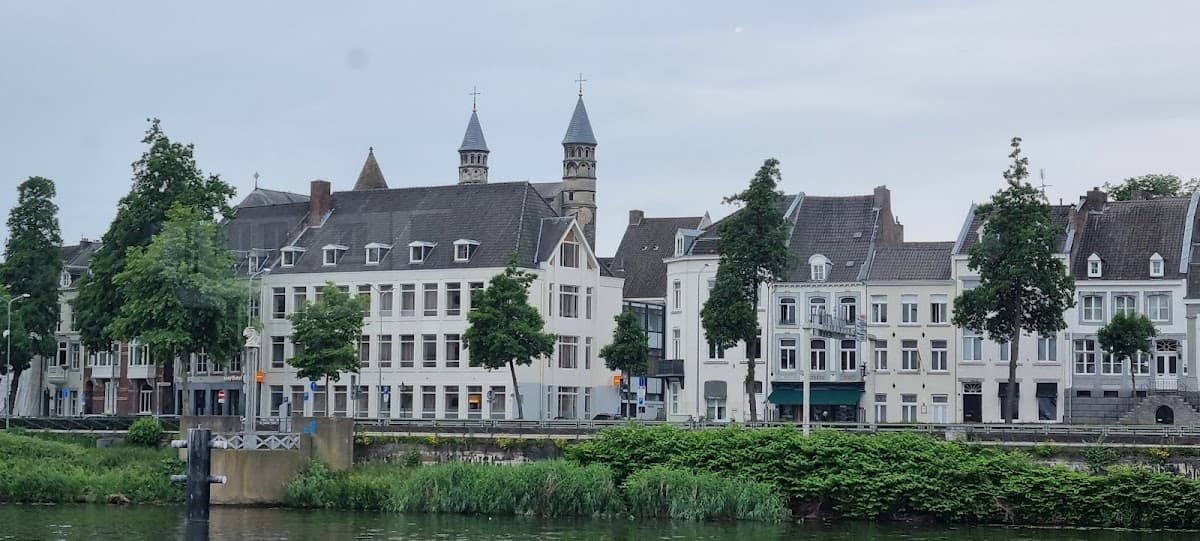
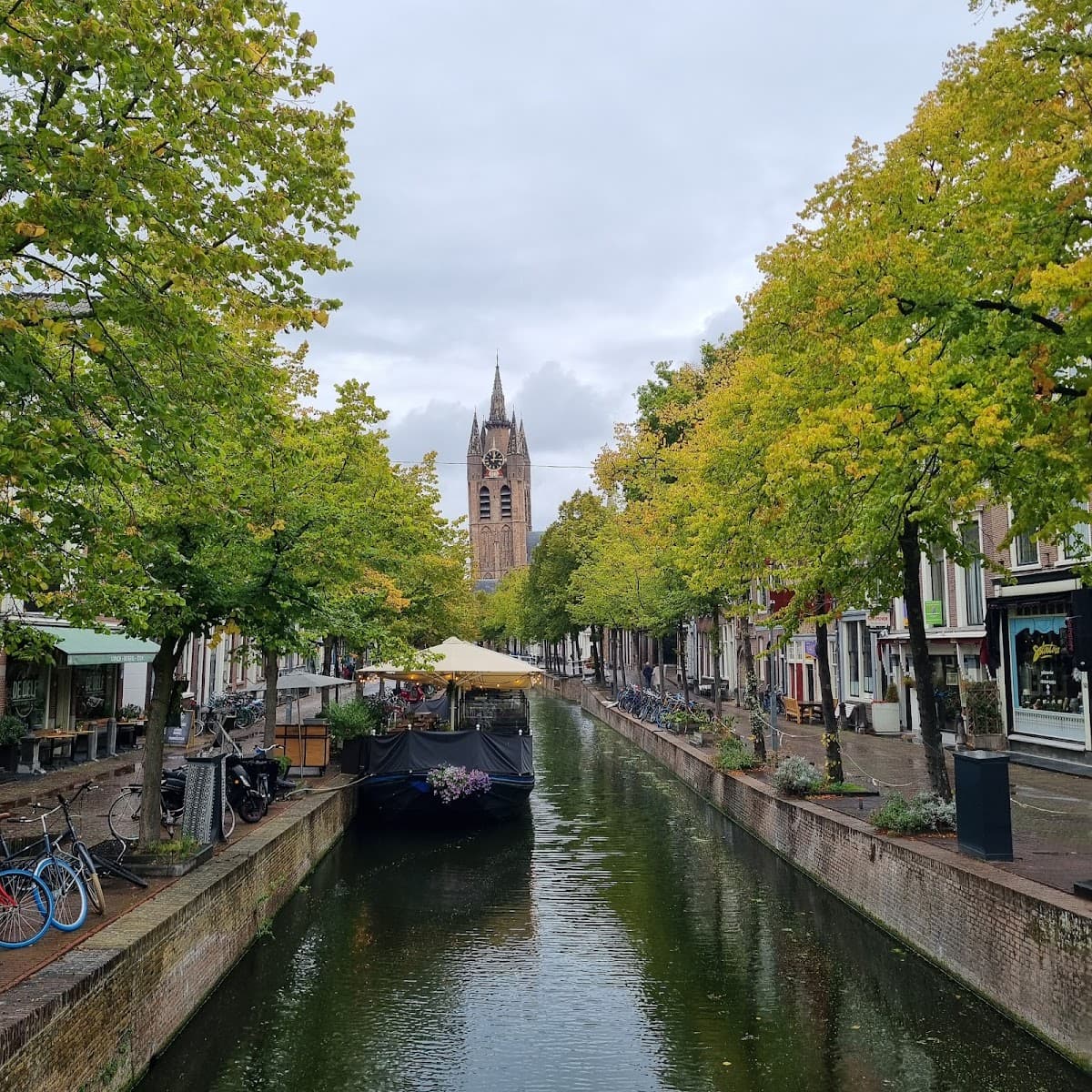
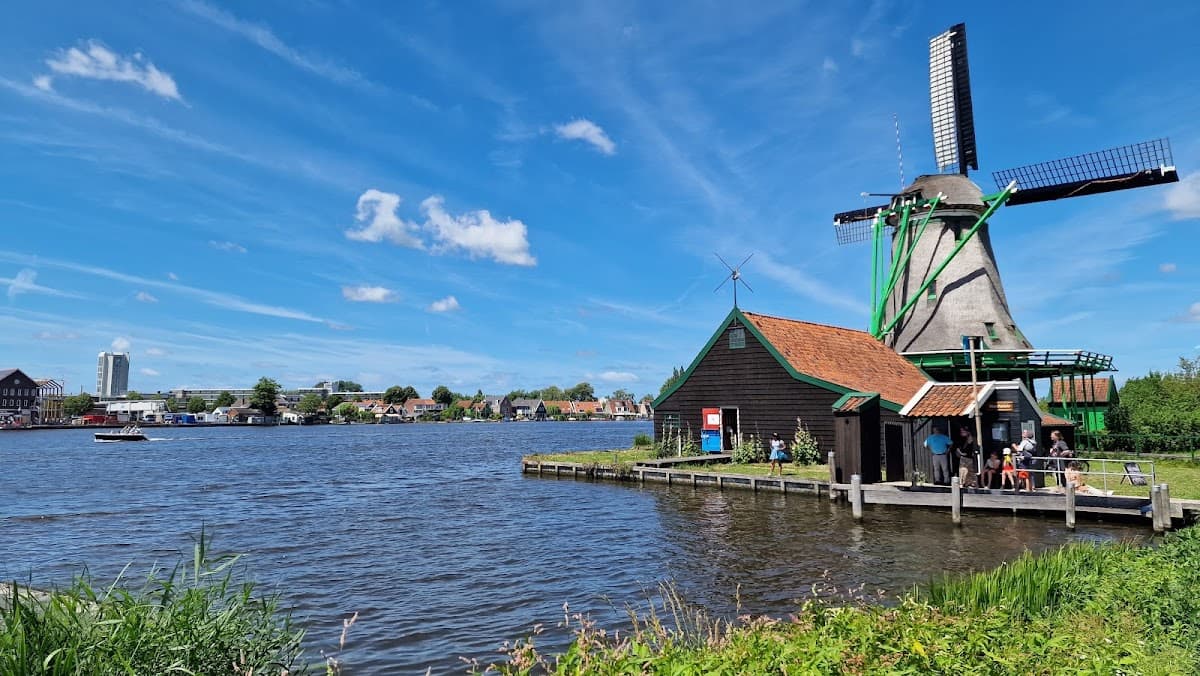
The Netherlands hits differently than you expect. Sure, there are tulips and windmills, but this compact country delivers way more than the postcards suggest. Amsterdam's canal rings tell stories that stretch back 400 years, while Rotterdam's skyline looks like it time-traveled from 2050. Utrecht keeps its medieval secrets tucked behind bike-friendly streets, and The Hague balances royal elegance with international politics.
Here's what makes the Netherlands special: everything's close enough for spontaneous day trips, the English is better than most native speakers, and the cycling infrastructure makes car rentals feel unnecessary. You can breakfast in a 17th-century canal house, lunch in a cutting-edge food hall, and dinner in a Michelin-starred restaurant that sources ingredients from farms 20 minutes away.
But let's be honest about the downsides. Rain happens more than you'd like, especially between October and March. Tourist crowds in Amsterdam can feel overwhelming, particularly around Museumplein. And yes, everything costs more than you think it should – a simple sandwich easily runs €8-12 in city centers.
Explore Destinations



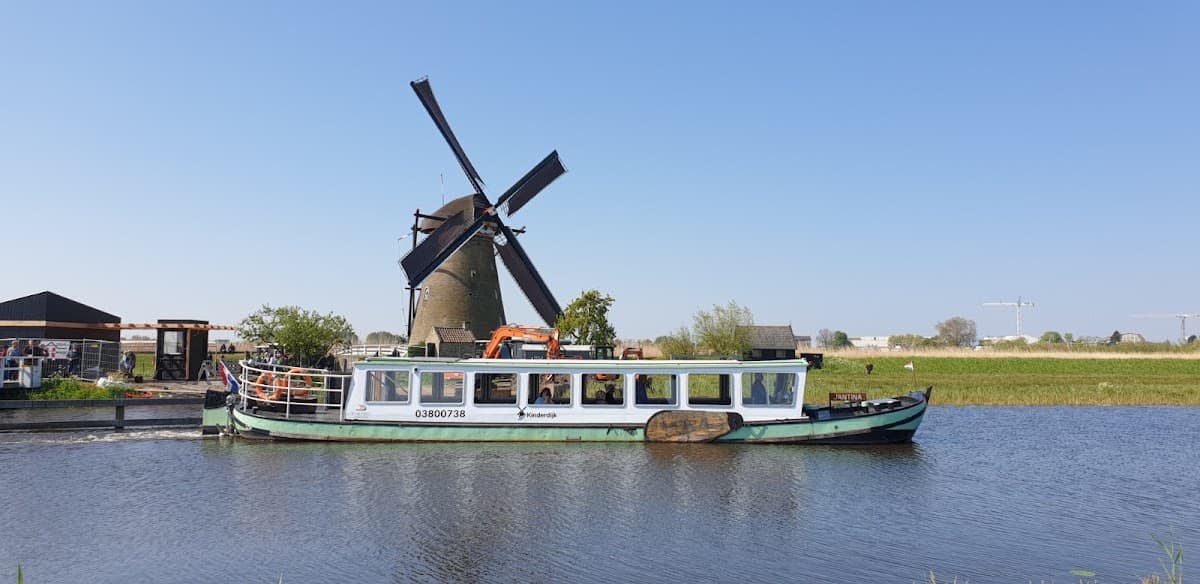


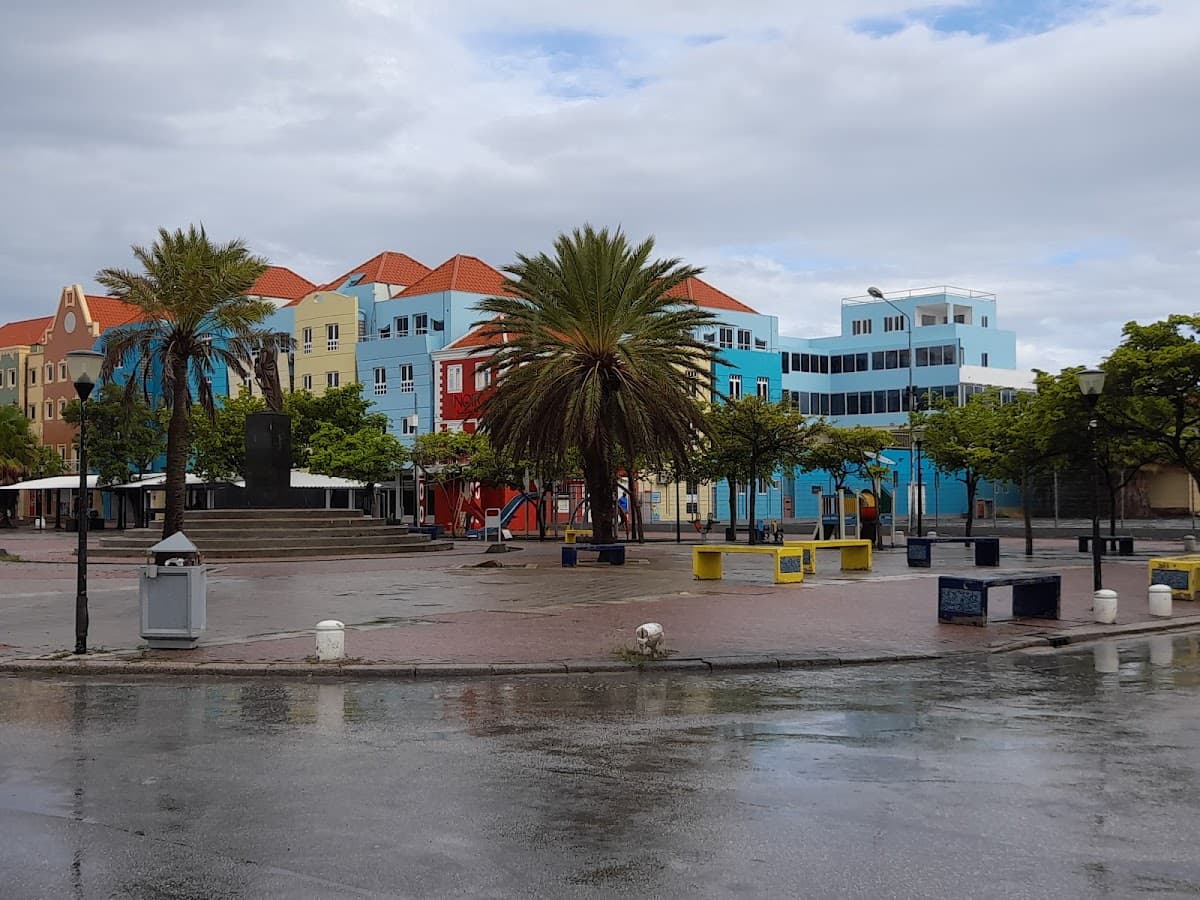
Explore the Region
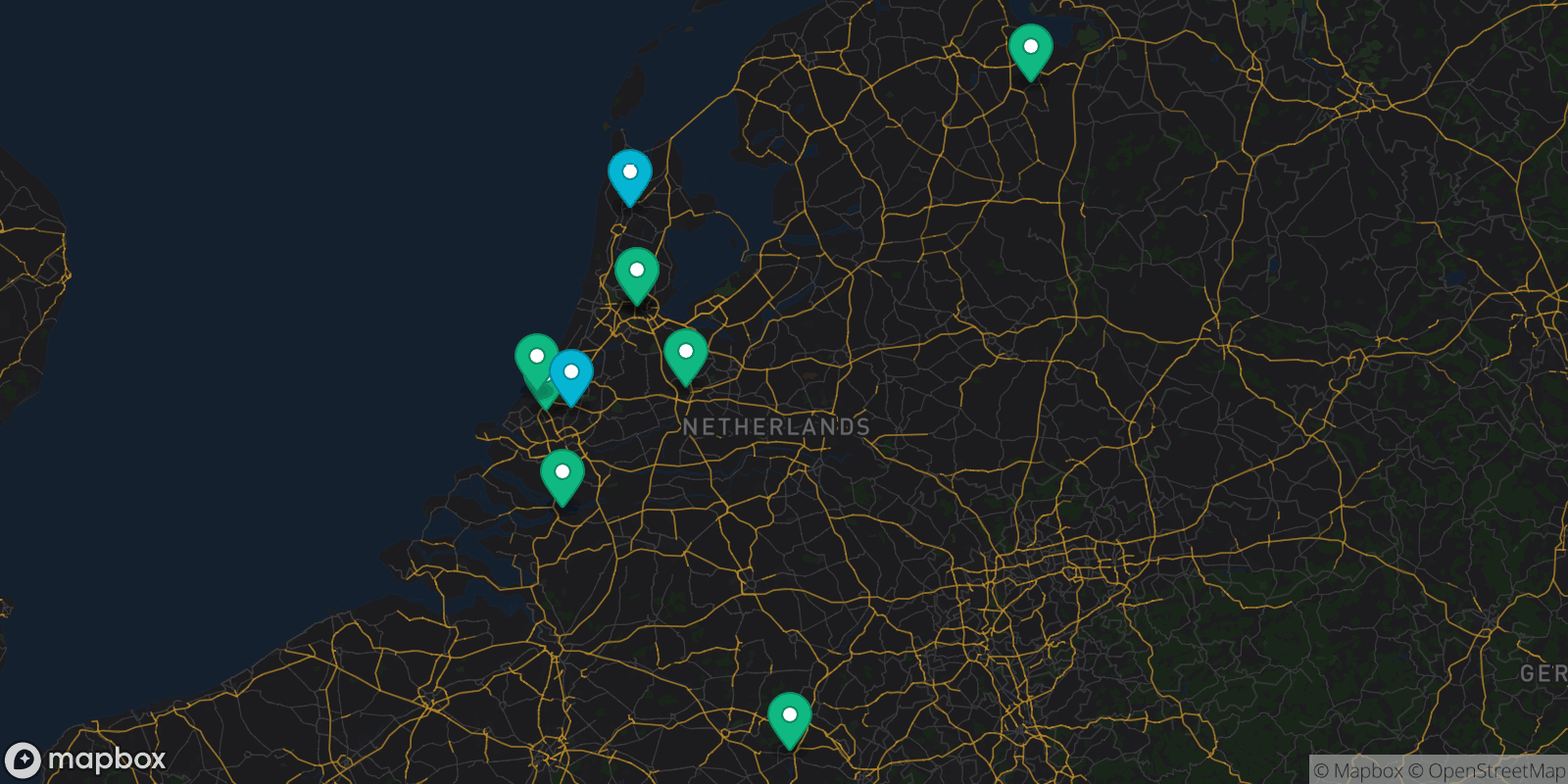
Netherlands Itineraries
View all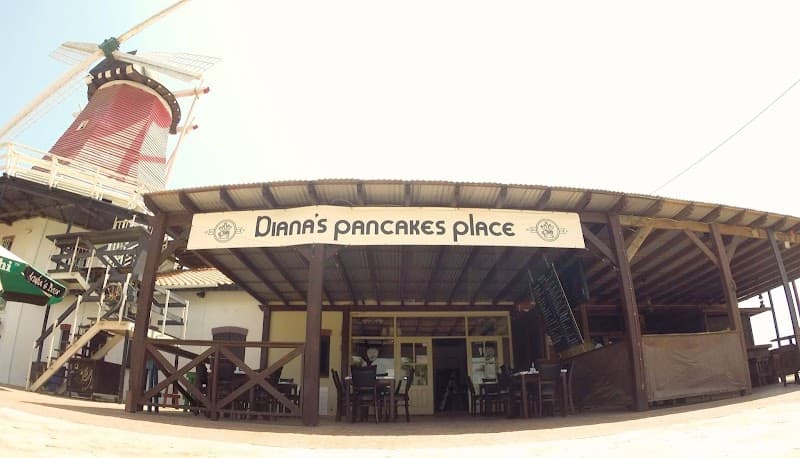
Three Slow Days of Romance, Flavor, and Island Light
Weekend · $$$
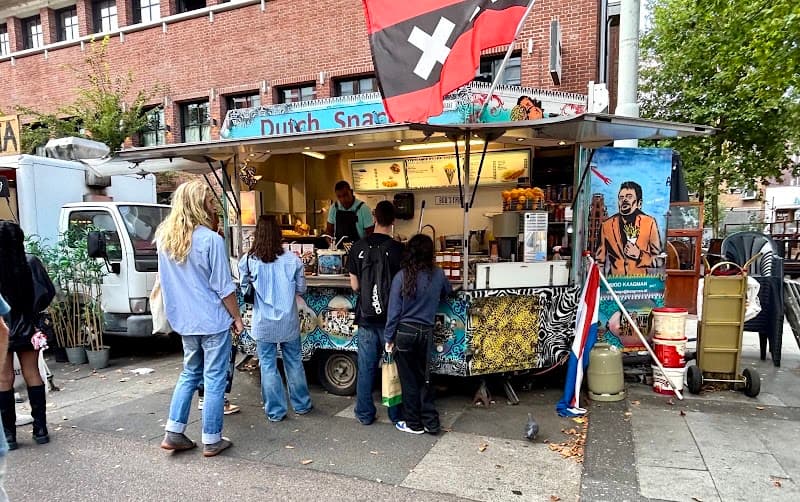
Amsterdam Culture, Canals and Market Flavors
Weekend · $$$
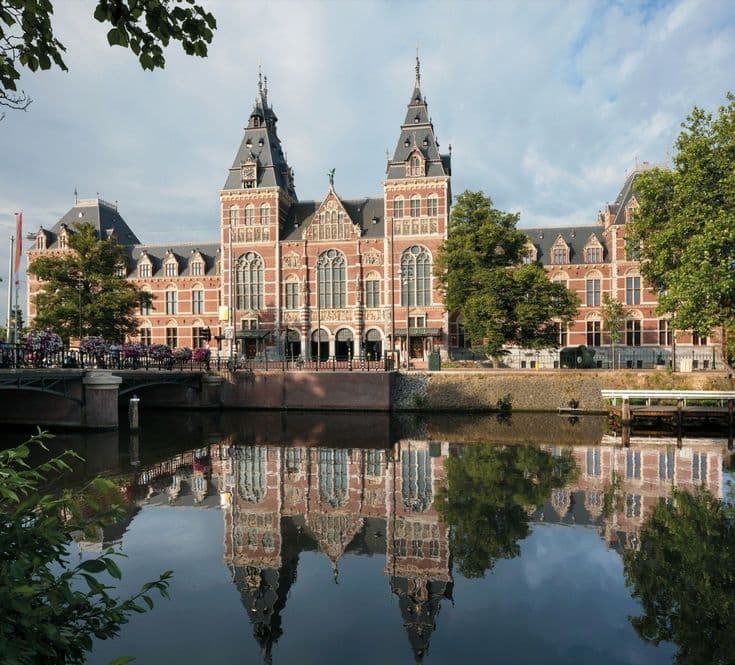
Amsterdam’s Easygoing Day of Canals, Markets, and Nightlife
Weekend · $$$
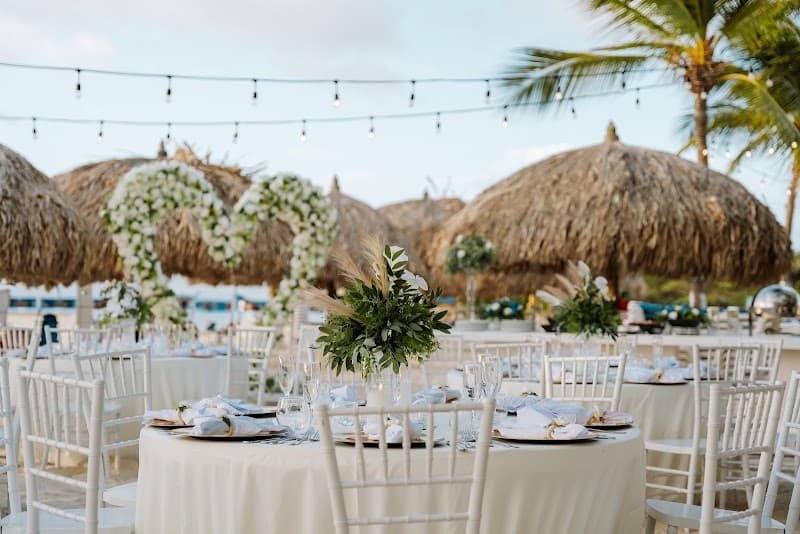
Slow Shores & Sunset Sounds in Aruba
Weekend · $$$
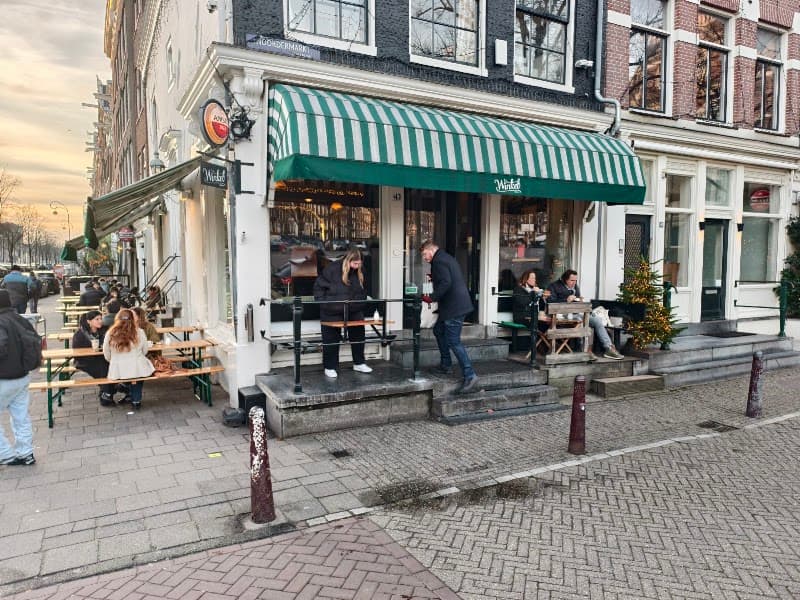
Canals, Parks, and Cozy Bites in Amsterdam
Weekend · $$$
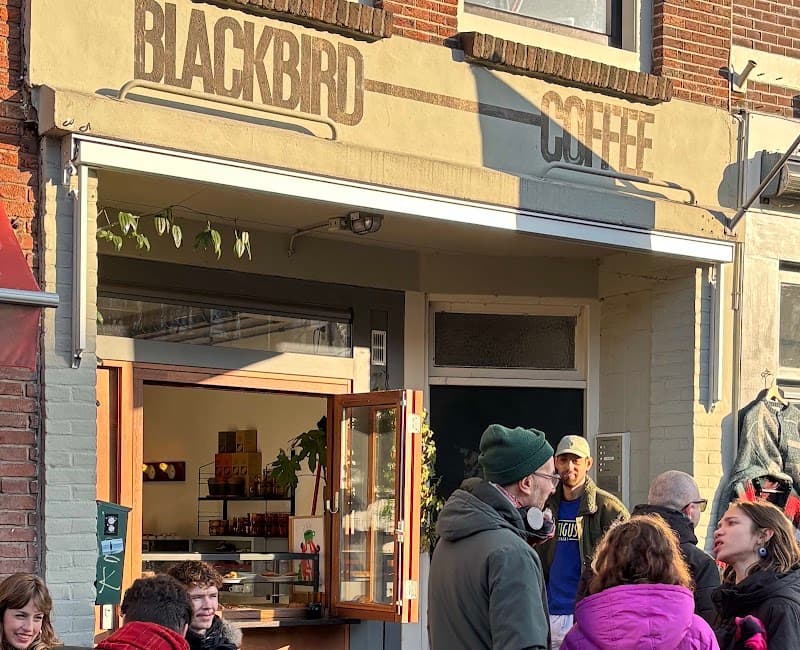
Utrecht in Motion: Canals, Culture, and Easy Adventure
Weekend · $$$
Money-Saving Tips
- 1.Buy an I amsterdam City Card (€65 for 48 hours) if you plan to visit 3+ museums – it includes free public transport and museum entries
- 2.Eat lunch at local "eetcafés" instead of tourist restaurants – mains cost €12-16 vs €20-25 at canal-side spots
- 3.Book trains in advance through the NS app for off-peak discounts up to 40% on longer routes
- 4.Shop at Albert Heijn or Jumbo supermarkets for groceries – prepared meals cost €3-5 vs €15+ at restaurants
- 5.Visit museums on Wednesday evenings when many offer reduced admission or extended hours
- 6.Rent bikes from local shops (€10-12/day) instead of hotel concierges who charge €20-25/day
- 7.Buy cheese directly from farms or markets rather than tourist shops – prices drop 30-50%
- 8.Stay in Utrecht, Haarlem, or The Hague instead of Amsterdam to save €50-100 per night on hotels
Travel Tips
- •Download the 9292 app for real-time public transport schedules across all Dutch cities
- •Always carry a reusable water bottle – tap water quality exceeds most bottled water
- •Learn basic bike etiquette: ring your bell, stay right, and never block tram tracks
- •Book restaurant reservations 2-3 days ahead, especially for dinner in Amsterdam
- •Bring a compact umbrella year-round – weather changes quickly and rain comes without warning
- •Use contactless payment everywhere – many places no longer accept cash
- •Download offline maps before visiting rural areas where cell service can be spotty
- •Pack layers even in summer – temperatures can drop 10°C when clouds roll in
- •Visit major attractions early morning or late afternoon to avoid tour group crowds
- •Learn a few Dutch phrases – locals appreciate the effort even though English is widely spoken