
Oranjestad
Aruba's colorful capital where Dutch charm meets Caribbean soul
Oranjestad feels like someone painted a Dutch colonial town in Caribbean pastels and dropped it on one of the world's most perfect beaches. The capital of Aruba serves up duty-free shopping along Lloyd G. Smith Boulevard, historic architecture that survived centuries of trade winds, and beaches where the sand actually squeaks under your feet. But here's what makes it special: this isn't just another cruise port trying too hard to be authentic. The Aruban locals still use these streets for their daily lives, grabbing coffee at local spots and chatting in Papiamento while tourists wander past in flip-flops.
Best Months
JAN · FEB · MAR · APR · NOV · DEC
~30°C · peak crowds
Culture & Context
CREOLE POLYGLOT ISLAND
Oranjestad sits on the southwestern coast of Aruba — a constituent country of the Kingdom of the Netherlands. The city, known locally as 'Playa,' was founded in 1796 and has Dutch colonial architecture woven right into its downtown streets. But Aruba's identity is genuinely its own.
The island is a creole culture built from Arawak, Dutch, Spanish, Portuguese, and African roots, and that shows in everything from the food to the language to the music. Papiamento became an official co-language alongside Dutch in 2003 — it's been spoken here for over 300 years. Roughly 80,000 people speak it as their mother tongue.
Arubans typically speak 4–5 languages: Papiamento, Dutch, English, and Spanish at minimum. Life moves at a deliberately easy pace. Meals are leisurely.
Shops may keep irregular Sunday hours. The island is strongly Catholic, with the San Francisco Church in Oranjestad a central community anchor. The Dande tradition — groups singing door-to-door on New Year's Day — and the Bon Bini Festival (every Tuesday evening at Fort Zoutman, ~$5 entry) are touchstones of local identity.
Aruba is also one of the most LGBTQ+-friendly islands in the Caribbean; same-sex relationships are legal and discrimination is prohibited by law as part of the Kingdom of the Netherlands.
Local Customs
ISLAND TIME RULES
[object Object]. [object Object]. [object Object].
[object Object]. [object Object].
Safety
VERY SAFE ISLAND
Aruba is one of the safest Caribbean destinations in 2026 — the US State Department rates it Level 1 (Exercise Normal Precautions), the same category as Switzerland and Japan. Violent crime against tourists is rare. The main concern is petty theft: don't leave phones, wallets, or cameras on your beach towel while swimming, and never leave anything visible in a parked rental car (smash-and-grabs at tourist parking areas are the most common property crime).
Downtown Oranjestad has a Tourism Police Unit and regular patrols. The Korps Politie Aruba (KPA) emergency number is 100 (police) and 911 (ambulance/fire). Oranjestad's entertainment district is generally safe at night but apply normal urban awareness after 1 AM.
Uber and Lyft don't operate here — government regulations protect the licensed taxi industry, but taxis are regulated, metered by flat rate, and reliable. Aruba sits outside the main hurricane belt, so weather risk is low year-round. Dr.
Horacio Oduber Hospital in Oranjestad is a modern, well-equipped facility. Tap water is safe to drink (EU-standard desalinated water). One genuine downside: street vendors in Oranjestad (especially near cruise docks) occasionally sell fake jewelry or crafts as 'authentic local.
' Research fair prices before shopping and stick to established stores for anything valuable. Also note: Aruba is one of the most LGBTQ+-friendly islands in the Caribbean — discrimination based on sexual orientation is legally prohibited.
Getting Around
BUS & TAXI TRAVEL
Queen Beatrix International Airport (AUA) is only 3km from downtown Oranjestad — a 5–10 minute drive and about a $21 flat-rate taxi. Direct flights connect from New York, Miami, Houston, Toronto, Amsterdam, and other hubs. The Arubus public bus is the island's backbone: $2.
60 one way, running from the main terminal in downtown Oranjestad along the west coast to Eagle Beach, Palm Beach, Arashi, and San Nicolas from 5:45 AM to 11:30 PM. After 11:30 PM, taxis are your only option. The free downtown tram runs from the cruise terminal through shopping areas and drops you at museums and restaurants — useful for getting oriented on day one.
Taxis use flat government-set rates (no meters): look for vehicles with 'TX' on the number plate. Rental cars make sense for 1–3 days specifically to access Arikok National Park, Baby Beach, the northern coast, and restaurants off the hotel strip — US and Canadian licenses are valid, driving is on the right. No Uber.
No Lyft. For digital nomads or longer stays: Norte and Oranjestad-area guesthouses give easy bus access to both the beach strip and downtown without needing a car at all.
Useful Phrases
Oranjestad Itineraries

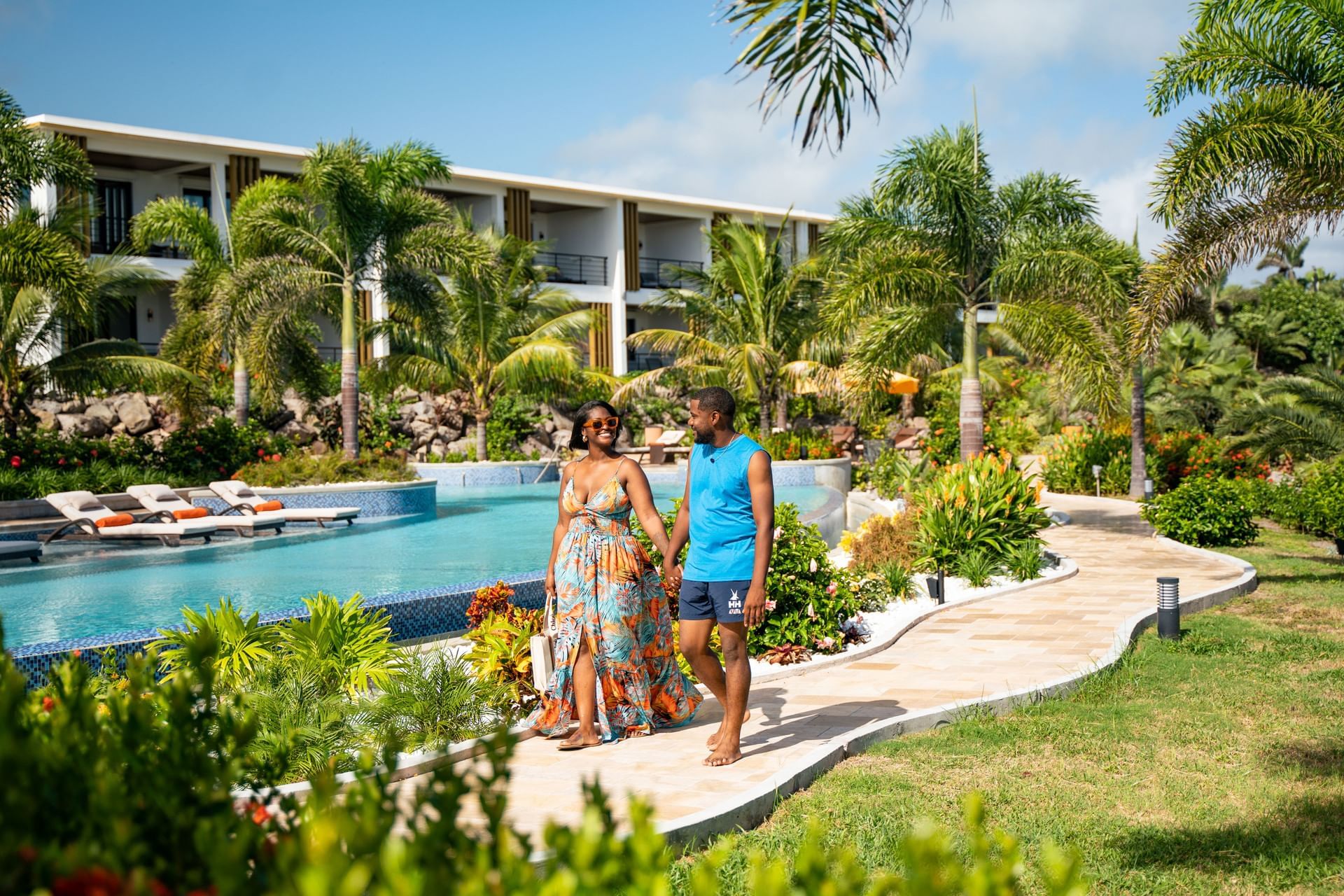
Where to Stay in Oranjestad
1 recommended properties
Things to Do in Oranjestad
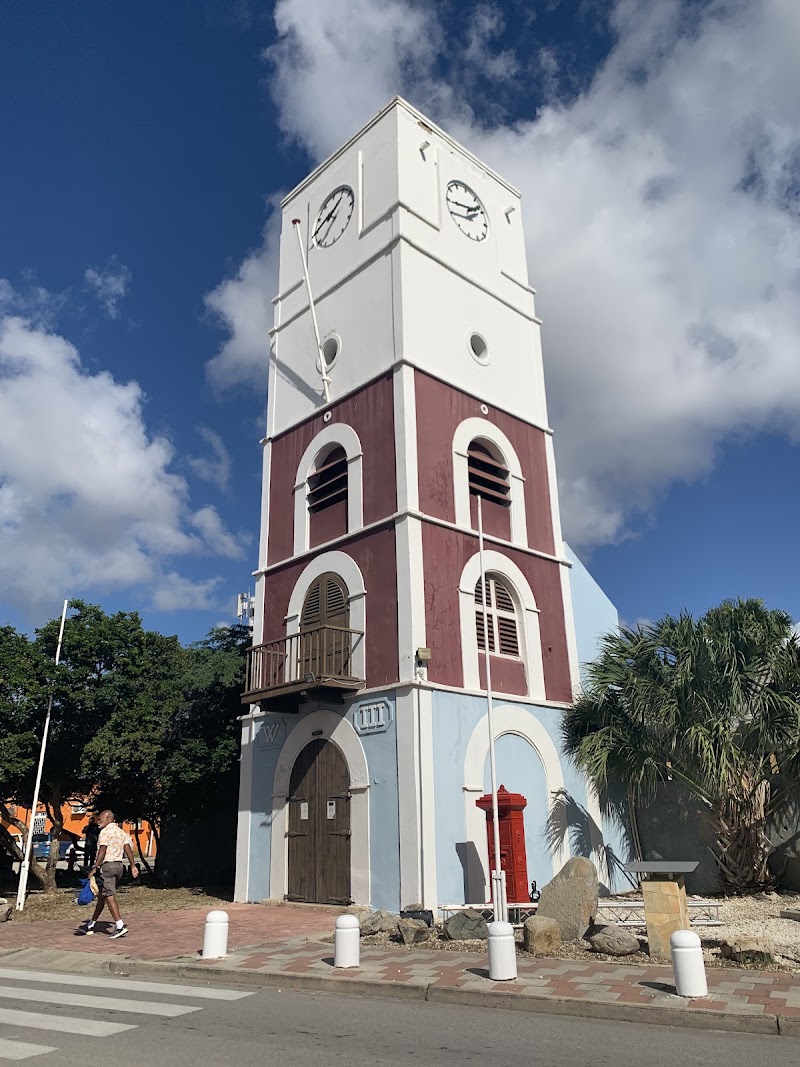
Fort Zoutman & Willem III Tower
Downtown Oranjestad · 90 min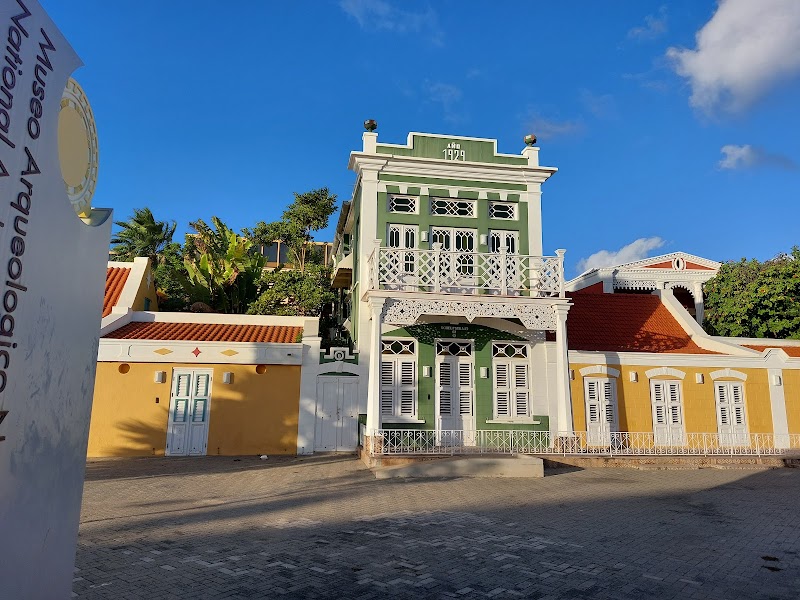
National Archaeological Museum Aruba
Downtown Oranjestad · 60 min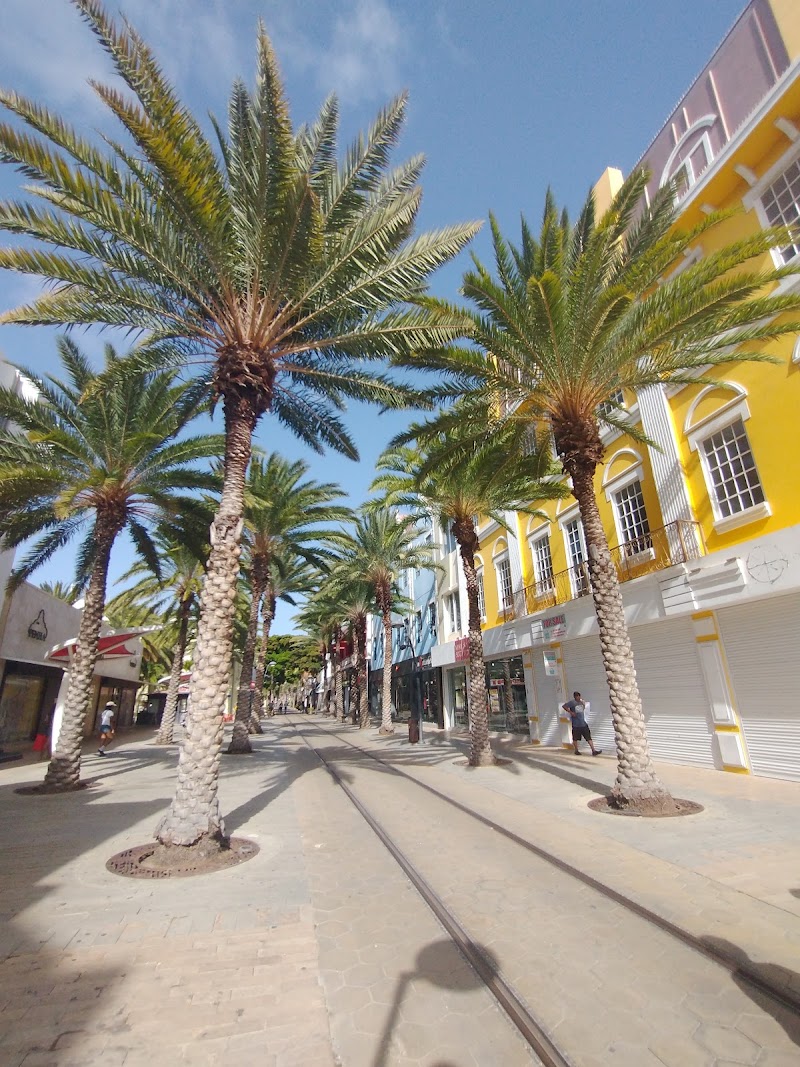
Main Street & Street Market
Downtown Oranjestad · 120 minMoney-Saving Tips
- 1.Duty-free shopping is real here - perfume, liquor, and jewelry cost 20-30% less than US prices
- 2.US dollars work everywhere, but you'll get change in Aruban florins at a slightly worse exchange rate
- 3.Hotel restaurants charge resort prices - eat downtown for meals under $15
- 4.Taxis don't use meters - agree on the fare before getting in
- 5.The local buses cost $2.50 versus $15+ for taxi rides within the city
- 6.Grocery stores like Super Food sell local beer for $2 versus $8 at hotel bars
- 7.Book accommodations for May-November to save 40% over peak winter rates
Travel Tips
- •The Renaissance Island day pass costs $125 if you're not staying at the hotel - worth it for the flamingo photos
- •Download the Aruba Happy Flow app before arrival to skip customs lines
- •Pack reef-safe sunscreen - the coral reefs here are protected and chemicals are banned
- •The trade winds are constant and strong - secure your hat and bring a light jacket for boat trips
- •Most restaurants close between 3-6 PM, so plan lunch and dinner timing accordingly
- •ATMs charge high fees - bring US cash and exchange at local banks for better rates
- •The local Polar beer is cheaper and often colder than imported brands
- •Carnival season (February-March) books up months ahead and prices triple