Middle East
Ancient crossroads where history meets modern luxury
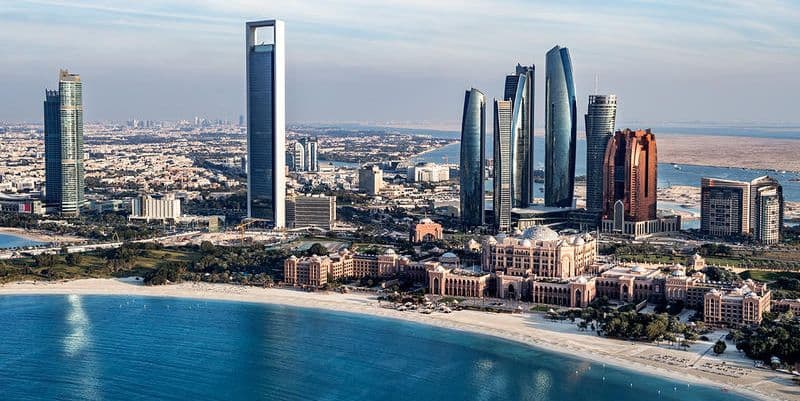
The Middle East isn't what you think it is. Sure, you've heard the headlines, but step off the plane in Dubai, Doha, or Amman and you'll find a region that's rewriting its own story in real time.
This is where 5,000-year-old ruins sit next to gleaming towers that weren't there five years ago. Where you can haggle for spices in a medieval souk at noon, then sip champagne 828 meters above the ground at sunset. The contrast hits you immediately – ancient trade routes now carry hyperloops, and Bedouin hospitality comes with Michelin stars.
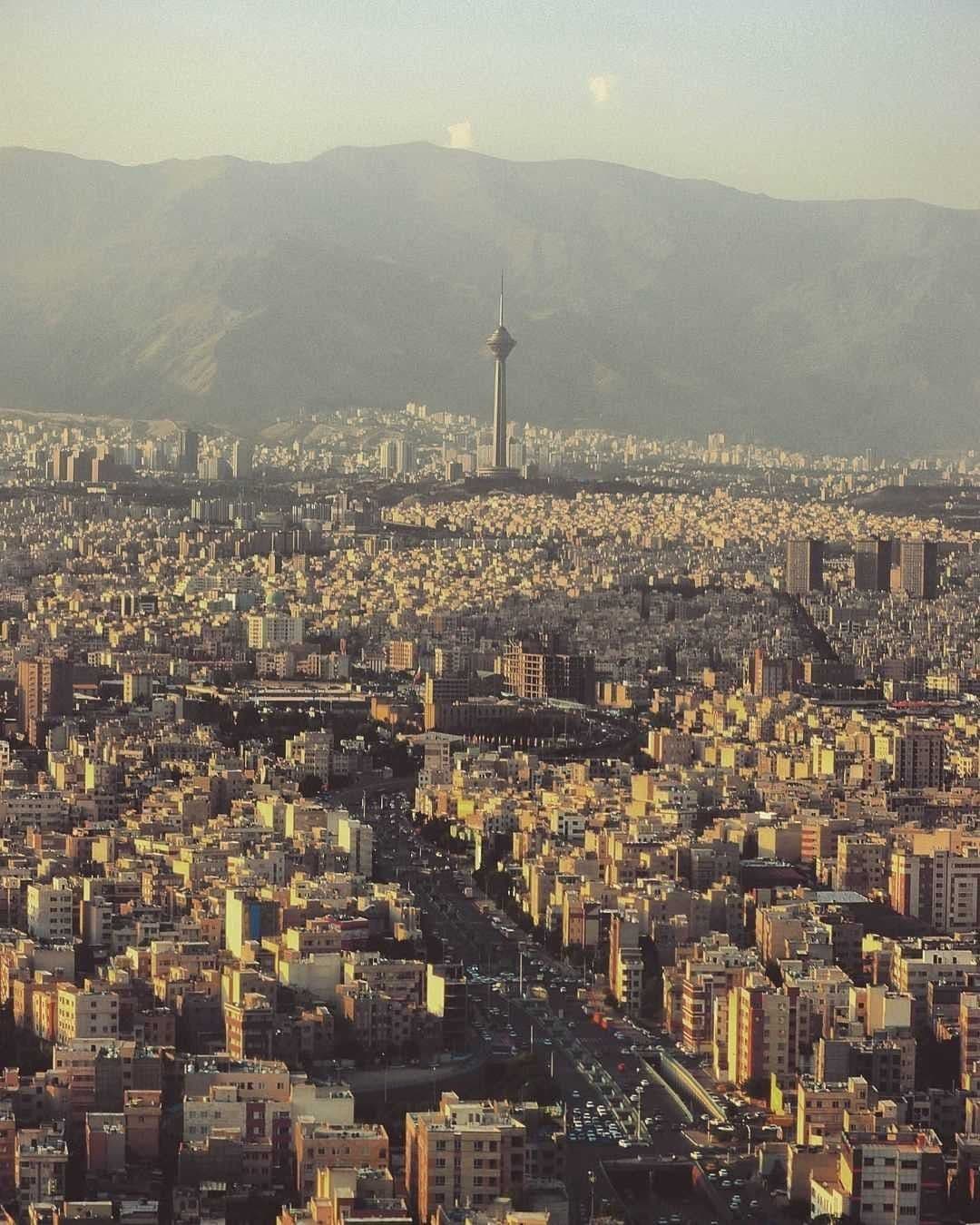
But here's what surprises most travelers: the Middle East is incredibly diverse. Jordan's red desert canyons feel nothing like Lebanon's cedar mountains. The call to prayer in Istanbul echoes differently than in Cairo. And the street food in Tehran tastes worlds apart from what you'll find in Tel Aviv's markets.
The region works best for travelers who like their history served with a side of luxury. You can explore Petra's rose-red facades in the morning and unwind at a Dead Sea spa by afternoon. The infrastructure is surprisingly modern – Dubai's metro puts most Western cities to shame, and Qatar's new airport feels like traveling through the future.
Yes, there are challenges. Summer heat can be brutal. Politics complicate some borders. And costs vary wildly from budget-friendly Egypt to eye-wateringly expensive UAE. But for those willing to look beyond the stereotypes, the Middle East offers something genuinely unique: a chance to witness civilizations in transition, where ancient wisdom meets cutting-edge ambition.


Explore the Region
Middle East Itineraries
View all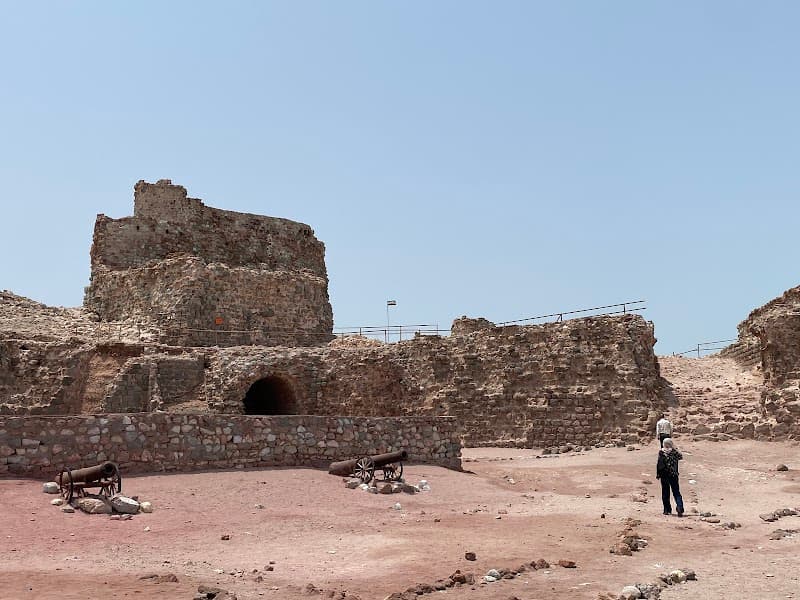
Seven-Color Sands: A Week on Hormuz Island
Week · $$$
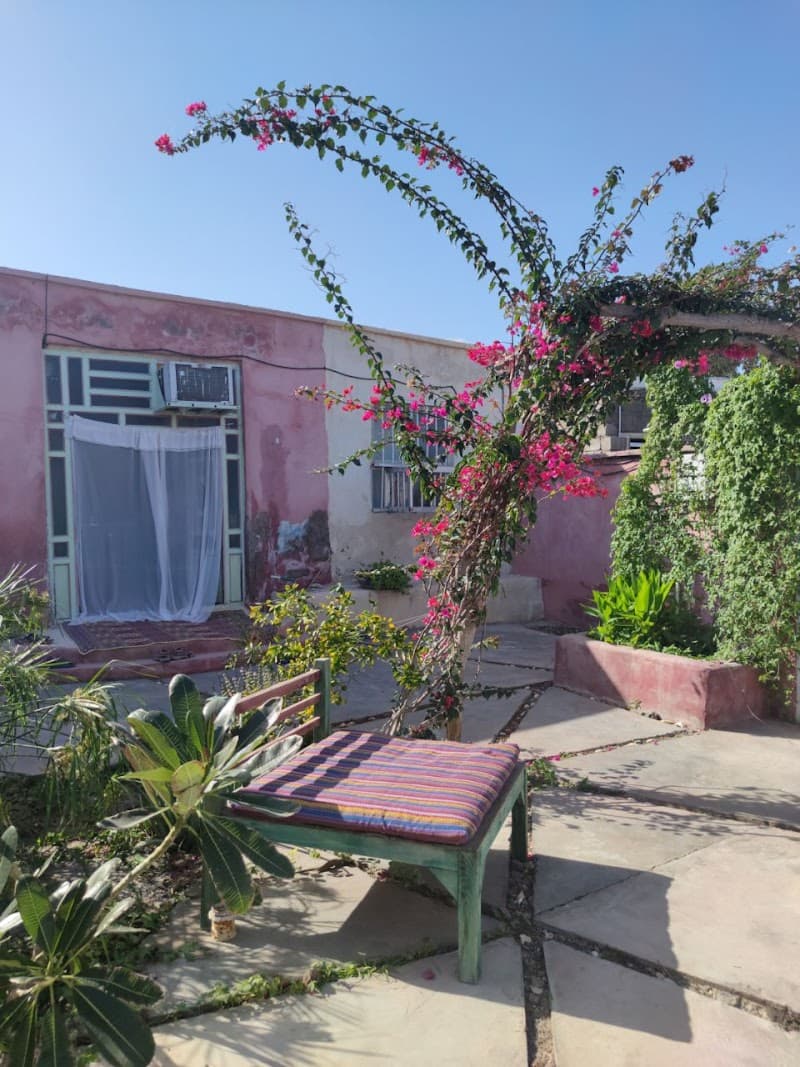
Color Dunes & Salt Caves: A Long Weekend on Hormuz
Weekend · $$$
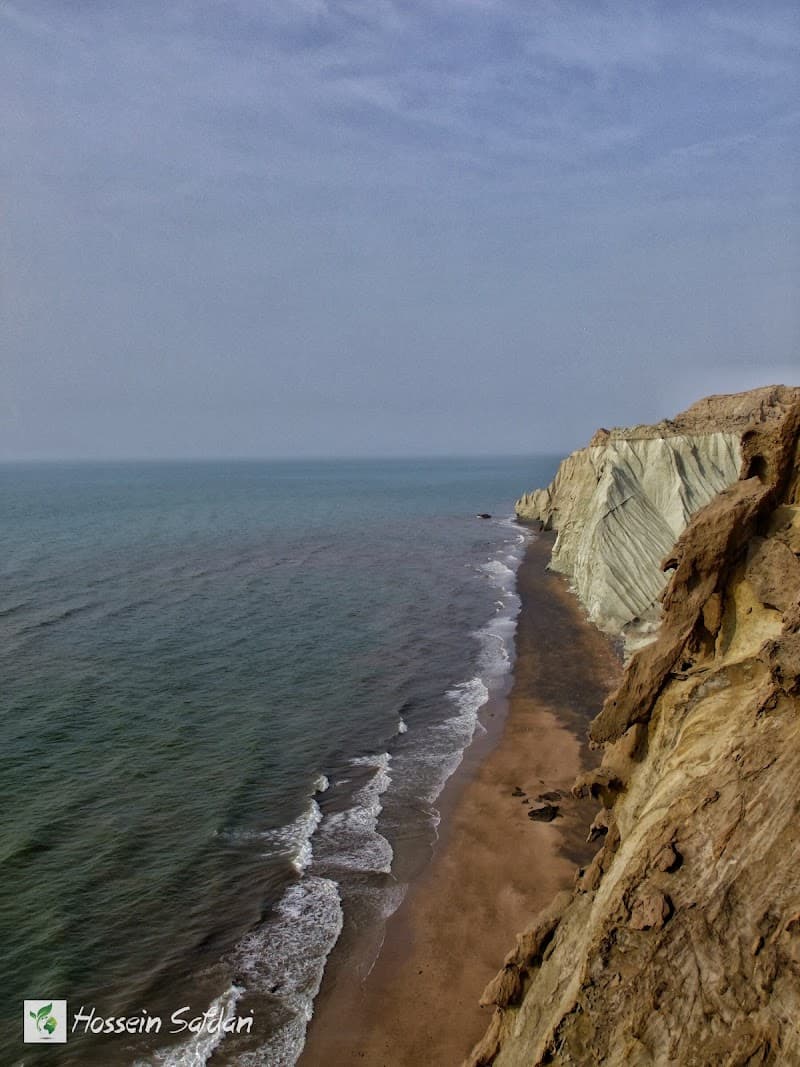
7 Dreamy Days on Iran’s Otherworldly Hormuz Island
Week · $$$
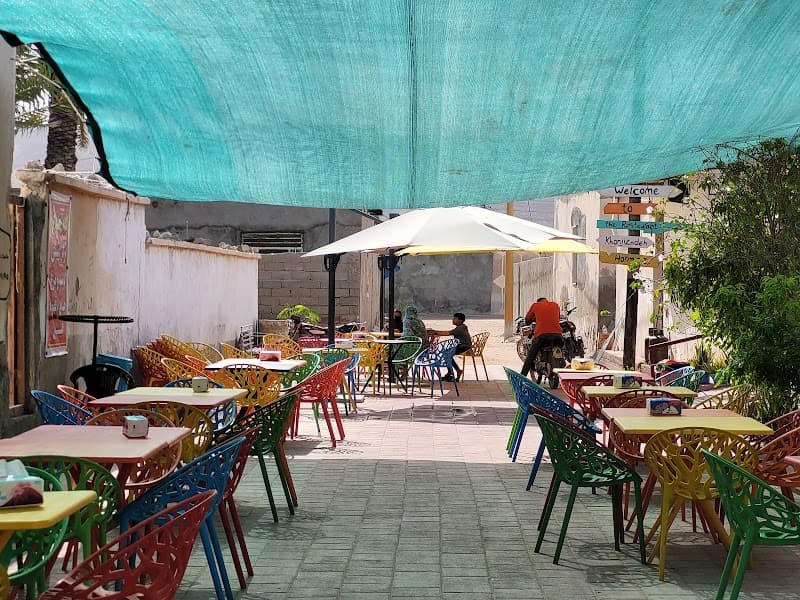
Colorful Coves & Cosmic Landscapes on Hormuz Island
Weekend · $$$
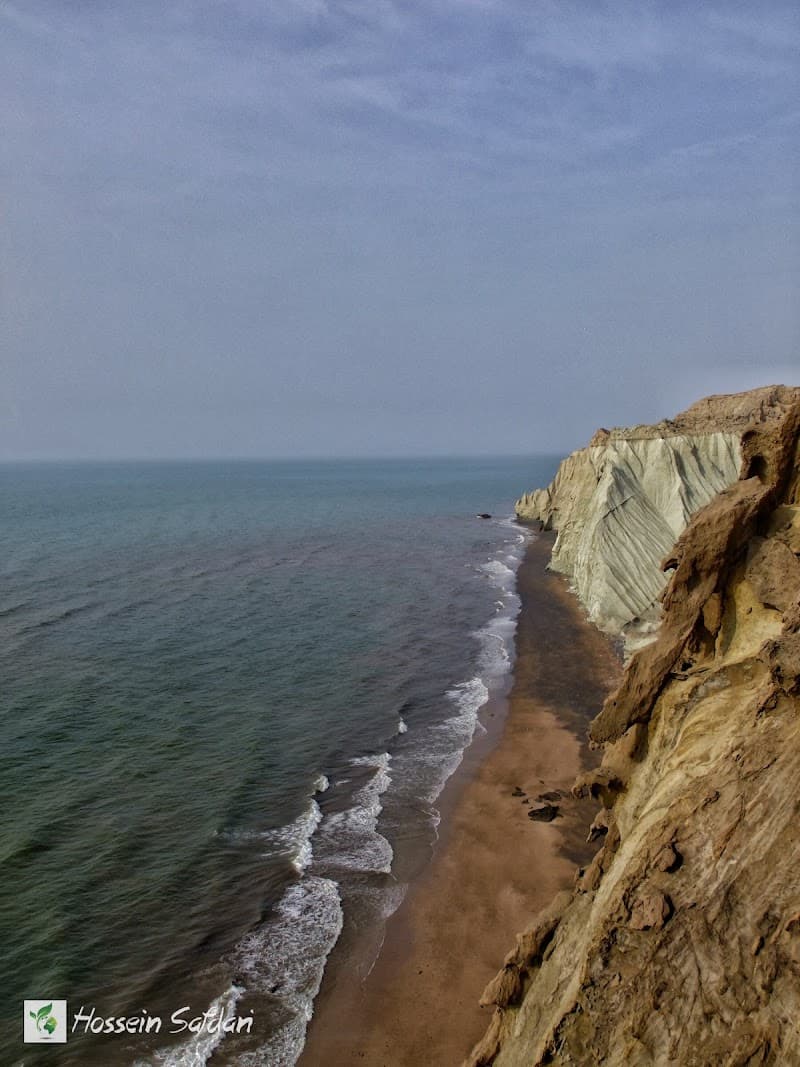
Color-Splashed Family Escape on Hormuz Island
Week · $$$
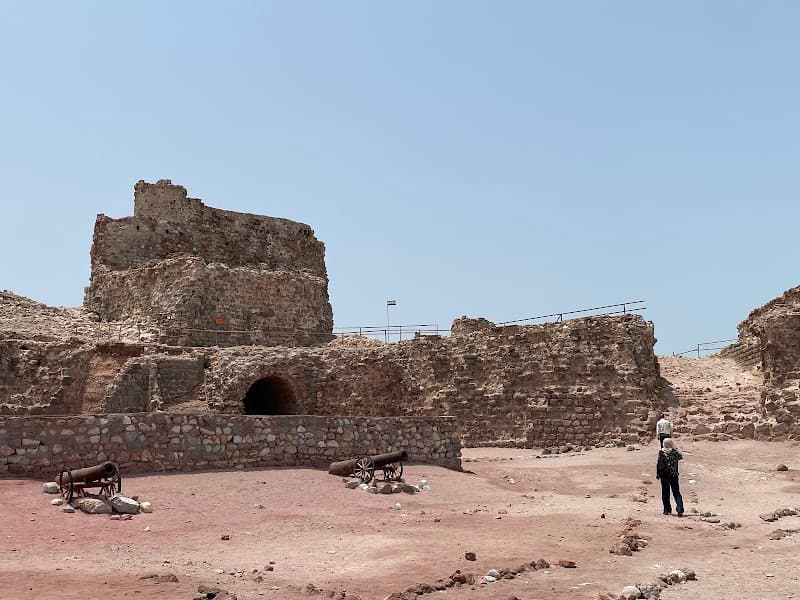
Colorful Hormuz Island Family Escape
Weekend · $$$
Money-Saving Tips
- 1.Book flights during Ramadan for 30-40% savings, but research which restaurants stay open during daylight hours
- 2.Use Dubai's metro day passes ($5.50) instead of taxis – they're faster during rush hour and stations connect to major malls
- 3.Eat lunch at hotel restaurants in expensive cities like Doha – they offer the same food as dinner for half the price
- 4.Stay in Turkish lira when visiting Istanbul – many hotels quote in euros but accept local currency at better rates
- 5.Shop for spices and souvenirs in local markets, not tourist areas – prices in Istanbul's Grand Bazaar are 3x higher than neighborhood shops
- 6.Download ride-sharing apps like Careem before arriving – they're often cheaper than hotel taxis and more reliable than street hails
- 7.Book desert camps in Jordan directly through Bedouin families rather than tour operators to save 50% on overnight stays
Travel Tips
- •Download offline maps before entering countries with restricted internet – Google Maps works but slowly in some regions
- •Carry cash in small denominations – many vendors don't make change for large bills, especially in traditional markets
- •Learn basic Arabic greetings like 'Ahlan wa sahlan' (welcome) – locals appreciate the effort and it opens doors
- •Pack modest clothing that covers shoulders and knees for mosque visits – many sites provide coverings but they're often poor quality
- •Schedule important sightseeing for early morning or late afternoon to avoid midday heat and harsh photography lighting
- •Bring a portable phone charger – power outlets vary by country and you'll use GPS constantly for navigation
- •Research local customs around photography – some countries restrict photos of government buildings or military installations