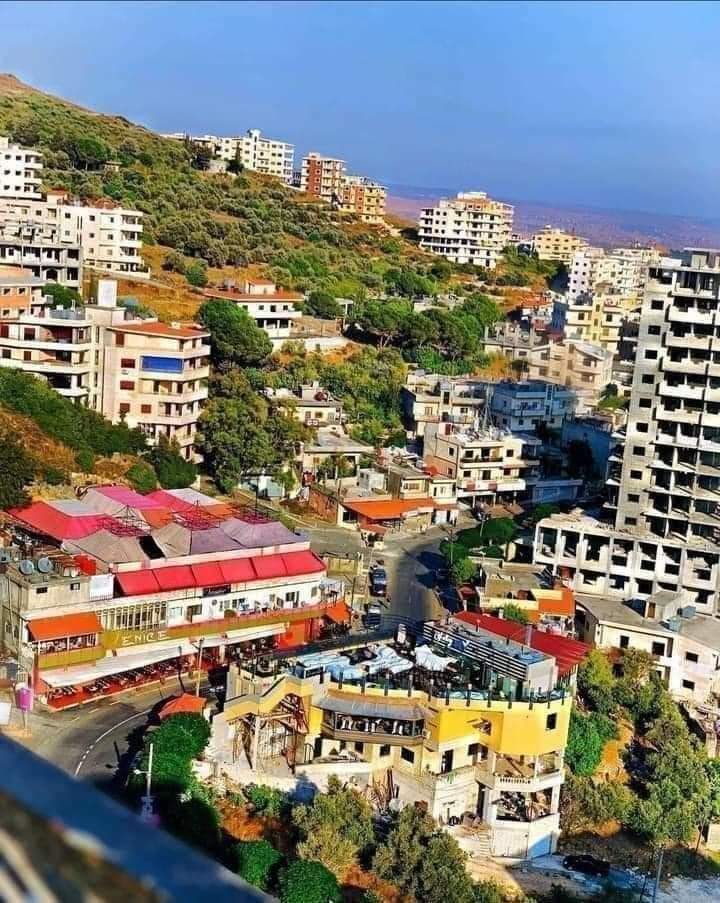
Syria
Ancient crossroads of civilizations await peaceful times to shine again
Syria sits at the crossroads of civilizations, where Roman theaters share skylines with Umayyad mosques and Crusader castles. Damascus claims to be the world's oldest continuously inhabited city. Aleppo's souks once rivaled those of Istanbul. The country holds six UNESCO World Heritage sites, including the ancient city of Palmyra and the Crac des Chevaliers fortress.
But let's be honest. Syria remains largely off-limits to tourists due to ongoing security concerns. Most Western governments advise against all travel here. The infrastructure that once welcomed visitors needs rebuilding. Hotels that hosted travelers for decades stand empty.
Still, Syria's cultural treasures endure. The National Museum in Damascus reopened in 2018. Local communities work to preserve their heritage. And someday, when peace fully returns, this ancient land will welcome travelers again to walk the same streets that have seen 5,000 years of history.
Money-Saving Tips
- 1.The Syrian pound has experienced significant devaluation - check current exchange rates before any future travel
- 2.Cash was king in Syria's economy - credit cards had limited acceptance even before the conflict
- 3.Bargaining in souks was expected, starting at 30-40% of the asking price
- 4.Tipping 10% was standard in restaurants, with small amounts for service staff
- 5.Budget accommodation in Damascus cost $15-25 per night before the conflict
- 6.Shared taxis between cities were much cheaper than private cars - about $5-10 for Damascus to Aleppo
- 7.Entry fees to major sites like Palmyra were modest, typically under $5
- 8.Street food and falafel cost less than $2 for a filling meal
Travel Tips
- •Check current government travel advisories - most Western nations advise against travel to Syria
- •Damascus Airport has limited international connections - plan routes through neighboring countries
- •Friday is the holy day - many businesses close, but Christian areas in Damascus stay active
- •Dress conservatively, especially when visiting mosques - long pants and covered shoulders required
- •Learn basic Arabic phrases - English wasn't widely spoken outside tourist areas
- •Carry passport at all times - checkpoints were common even during peaceful periods
- •Photography restrictions apply near government buildings and military sites
- •Ramadan affects restaurant hours and availability of food during daylight
- •Power outages were frequent even before the conflict - pack portable chargers
- •Syrian hospitality is legendary - accept tea invitations but respect local customs