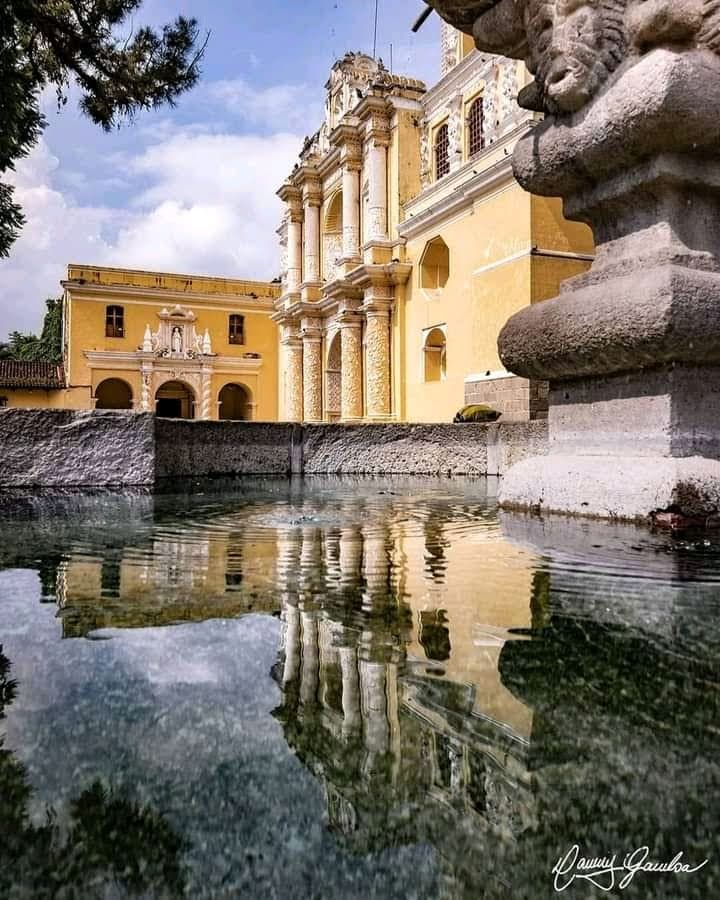
Antigua
Caribbean paradise with 365 beaches and endless sunshine
Antigua delivers on its promise of 365 beaches — one for every day of the year. This Caribbean island doesn't mess around with half-measures. You want powder-soft sand? Check. Crystal-clear water that looks Photoshopped? Double check. Luxury resorts that make you forget about your mortgage? Triple check.
But here's what the brochures won't tell you: Antigua gets busy during peak season, and those pristine beaches come with premium price tags. The trade winds die down in summer, making it sticky hot. And yes, you'll encounter some aggressive vendors at the popular spots.
Still worth it? Absolutely. Antigua has mastered the art of Caribbean luxury without losing its laid-back soul. The locals are genuinely friendly, the rum punches are dangerously good, and you can literally spend a year here without hitting the same beach twice.
Best Months
JAN · FEB · MAR · APR · DEC
~29°C · peak crowds
Culture & Context
COLONIAL MAYA SYNTHESIS
Antigua Guatemala sits at 1,500 meters above sea level, ringed by three volcanoes — Agua, Fuego, and Acatenango. It was the capital of the Captaincy-General of Guatemala from the early 16th century until a devastating earthquake in 1773 forced the government to relocate to what is now Guatemala City. The colonial grid survived. UNESCO gave it World Heritage status in 1979. Today it is widely considered the best-preserved Spanish colonial city in Central America, though that preservation comes with a cost: strict UNESCO regulations limit new construction in the historic core, which drives up property prices and concentrates tourist infrastructure into a very compact area (roughly 5x9 blocks).
The culture is a genuine layering of Spanish Catholic tradition and Maya indigenous heritage — not a polished museum version, but an ongoing lived synthesis. The Maya Kaqchikel people are the dominant indigenous group in the region surrounding Antigua. Guatemala has 22 recognized indigenous languages, and while Spanish dominates in the city itself, you will encounter indigenous languages and traditional textiles throughout the markets and surrounding villages.
Here's the thing about Antigua: it is both a genuine place where 45,000 people live and work, and a significant tourist destination with all the pressures that entails. Coffee from the surrounding volcanic slopes is excellent and actually cheap here. The food scene has grown substantially with solid options at every price point. And the Spanish school industry is enormous — dozens of schools operate throughout the city, making it one of the most popular places in Latin America to study Spanish. That brings a large young expat and digital nomad population, which shapes the bar scene and cafe culture considerably.
Local Customs
GREET EVERYONE WARMLY
Always greet people, including strangers on the street. A simple 'Buenas' as you pass someone is standard and genuinely appreciated. The Babbel traveler who wrote about Antigua noted being stopped by an elderly man who greeted him warmly outside the historic center — that is just how people are here..
Titles matter. Address doctors as 'Doctor/Doctora' and lawyers as 'Licenciado/Licenciada.' Use Señor or Señora with people you have just met rather than jumping to first names..
Men greet men with firm handshakes. Women greet other women and men they know with an air kiss on the right cheek in familiar settings. In formal settings, a handshake is fine for everyone..
Say 'buen provecho' when you walk past someone eating or when you sit down to a meal yourself. It takes five seconds and locals genuinely notice when foreigners do it.. Dress modestly at churches and religious sites — cover shoulders and knees.
Antigua is full of active places of worship, not just ruins for tourists. People are praying there.. Always ask permission before photographing people, especially indigenous individuals in traditional dress at markets.
A small tip is sometimes expected. If someone says no, that is the end of it.. Never touch someone's head, as it holds sacred significance in many indigenous cultures..
Hora Chapina is real. Social gatherings and informal events routinely start 30-60 minutes late. If you have a shuttle or tour booked, that is a different story — those run on actual time.
But a dinner with locals? Don't stress.. Tipping is appreciated but not automatic.
In restaurants, rounding up or leaving 10% is appreciated. Taxi drivers don't expect tips but rounding up the fare is common. Hotel porters get Q5-10 per bag..
ATMs: use only those inside banks or shopping malls. Street-side machines are skimming targets. Carry enough quetzales for markets, street food, and small towns where cards are not accepted.
Safety
WATCH YOUR PHONE
Antigua is the safest place in Guatemala for tourists. It has its own dedicated tourist police force called DISETUR with a visible presence in the historic center. That said, a few things to keep front of mind.
Phone snatching by motorbike riders is a documented and common problem. Do not walk while looking at your phone, especially on quieter streets. After the bars close at night, take a tuk-tuk back to your accommodation rather than walking — they are cheap and everywhere.
Pickpocketing happens in crowded areas: the market, processions during Semana Santa, and Quema del Diablo in December. Use an anti-theft bag or keep valuables in front pockets.
Drink spiking has been reported in bars and clubs. Watch your drink and do not accept drinks from strangers.
Use Uber instead of unmarked street taxis — it is available and works well in Antigua. For the airport transfer, either pre-book a registered shuttle ($15/person shared) or use the official licensed taxi kiosk inside the terminal ($40-60). Drivers who approach you outside arrivals are almost always unlicensed and have been linked to safety incidents.
Only use ATMs inside banks or shopping malls. Avoid street-side machines.
The US State Department has Guatemala at Level 3 ('Reconsider Travel'), but this advisory is driven heavily by Guatemala City's gang violence and specific high-crime zones (Zone 18, Villa Nueva). Antigua itself is a different story. That said, travel between cities during daylight only — road conditions and visibility deteriorate significantly after dark. Roadblocks (bloqueos) from political protests can also disrupt travel between cities; check with your hotel before departure on any given day.
Do not drink tap water. Buy bottled or use the purified dispensers most hotels provide. Even for brushing teeth if you have a sensitive stomach.
Getting Around
WALKABLE HISTORIC GRID
Inside Antigua, you walk. The entire historic center is about 5x9 blocks, and most of what you need is within that grid. Tuk-tuks are everywhere for short hops or late-night returns from bars — cheap and faster than waiting for an Uber in a narrow street.
Uber works in Antigua and is generally preferred over unmarked taxis for safety and price transparency. It is your best option for getting into town from the airport. A shared shuttle from Guatemala City's La Aurora Airport costs $15 per person and takes 45 minutes to 2 hours depending on traffic — the CA-9 out of the capital is a bottleneck, especially 5-7pm on weekdays. Pre-book the shuttle before you fly. A private licensed taxi from the airport kiosk costs $40-60. Avoid anyone who approaches you outside the arrivals terminal.
To reach Lake Atitlán (Panajachel), a shared shuttle runs about $20 per person. To Guatemala City, it is around $15-20 one way.
Chicken buses (the famous painted retired American school buses) are technically an option for short hops around town at Q5 per ride — but for anything with luggage or going beyond Antigua, they are not practical or recommended for tourists.
One real downside: roads between Antigua and surrounding villages can be in genuinely poor condition. Do not rush, build extra time into your schedule for any intercity travel, and always travel daylight only.
Useful Phrases
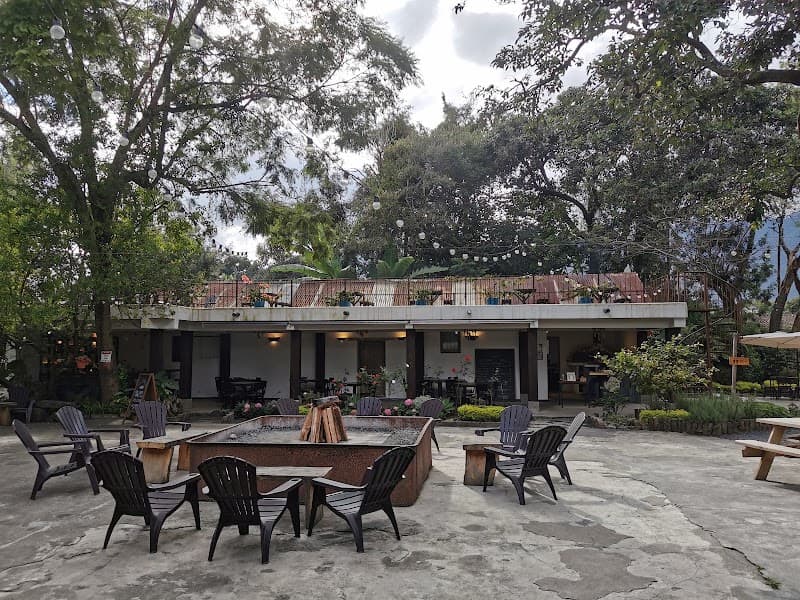
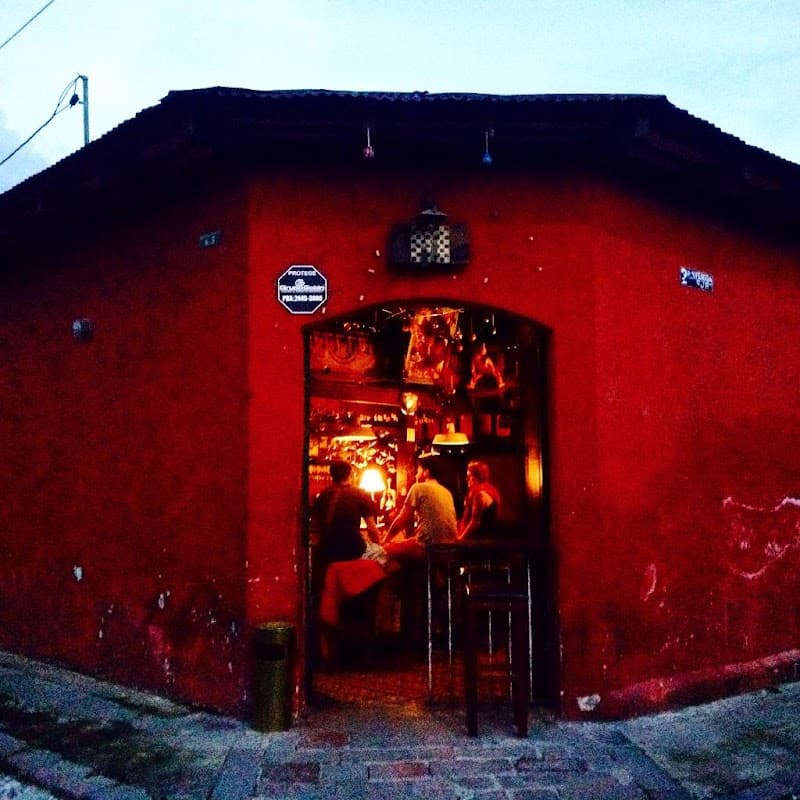
Where to Stay in Antigua
1 recommended properties
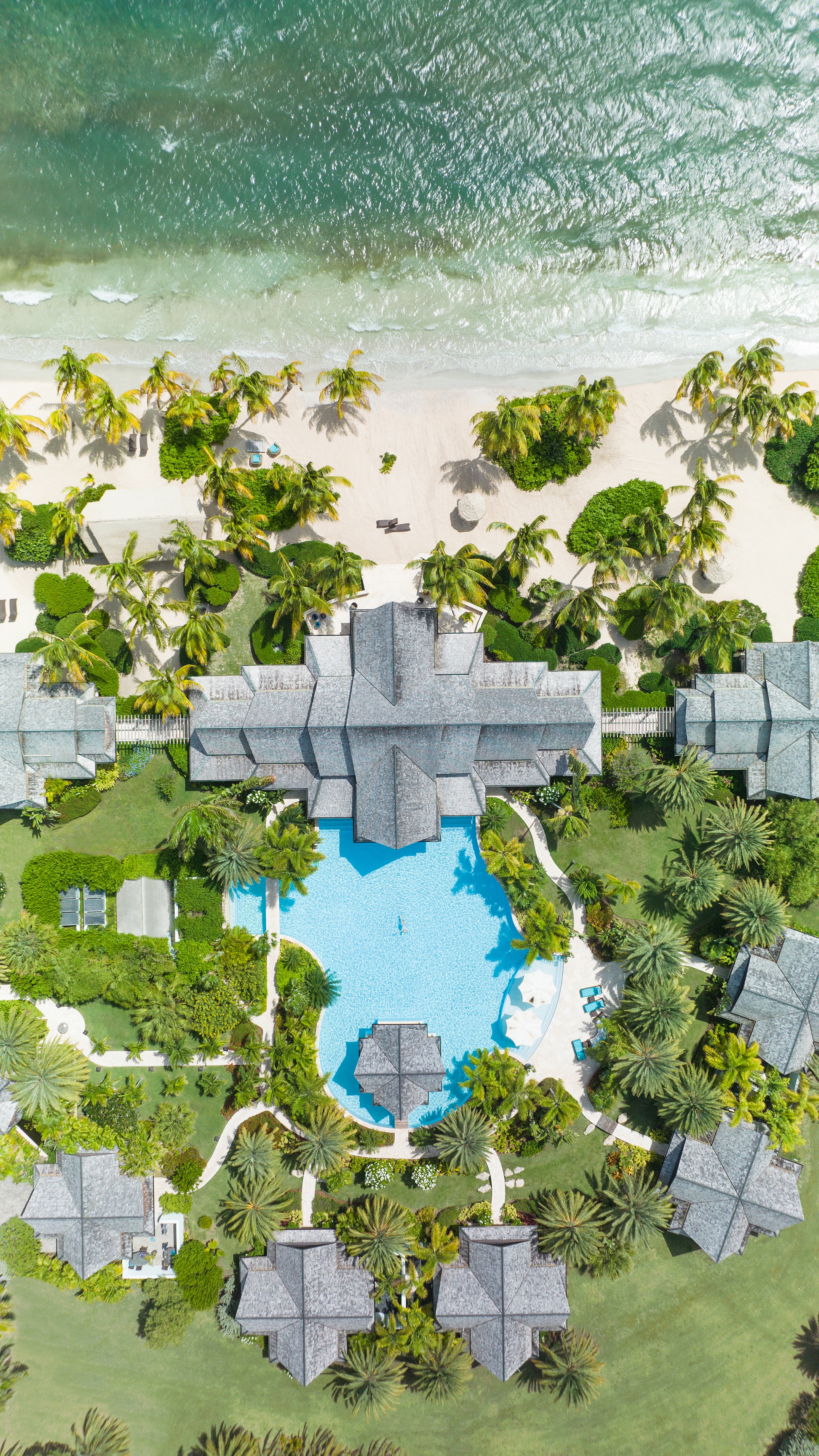
Things to Do in Antigua
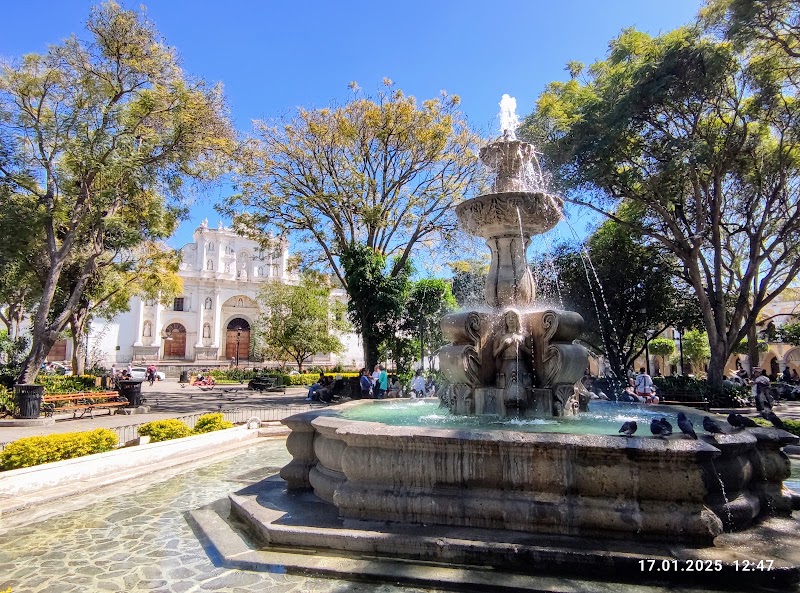
Parque Central
Antigua Centro · 60 min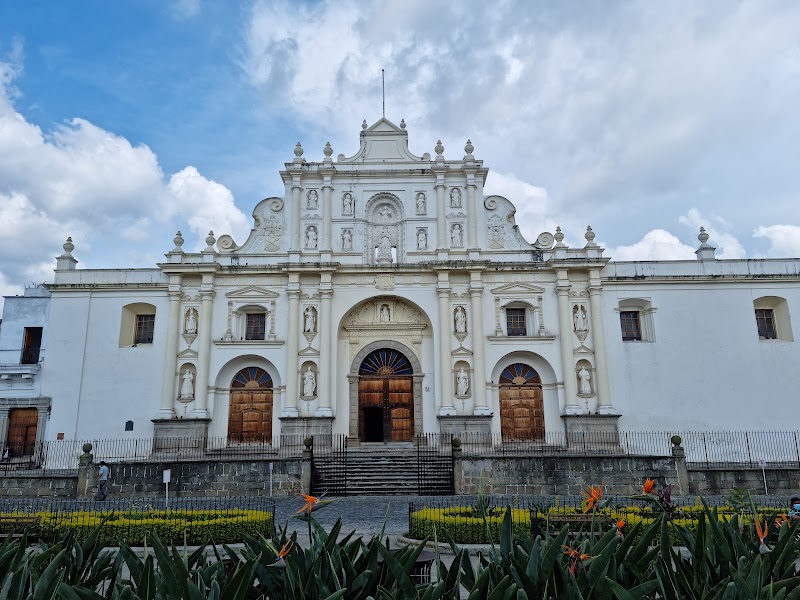
Catedral de San José
Antigua Centro · 45 min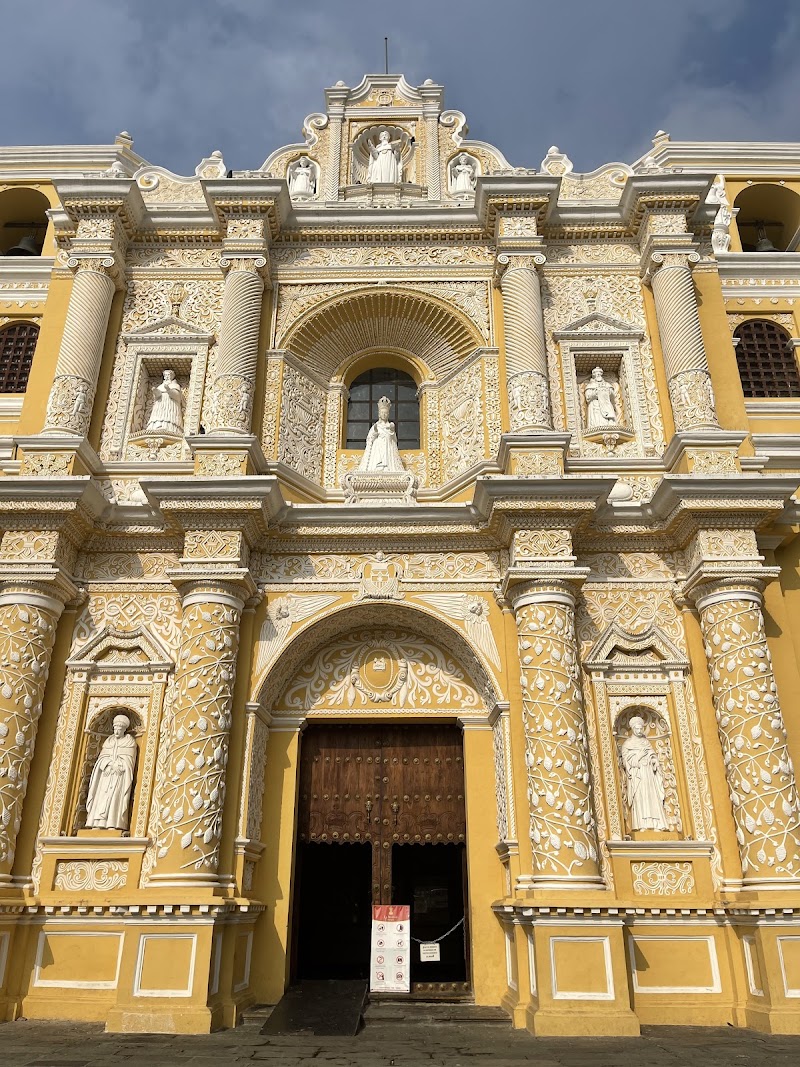
Iglesia de la Merced
Antigua Centro · 45 minMoney-Saving Tips
- 1.Book accommodations for late April or early May — you'll get peak season weather at shoulder season prices
- 2.Eat lunch at local spots instead of resort restaurants — a plate of grilled fish costs $15 versus $45 at hotels
- 3.Buy rum and souvenirs at duty-free shops in the airport departure lounge, not at tourist markets
- 4.Rent a car for 2+ days instead of taking taxis everywhere — daily taxi costs quickly exceed rental fees
- 5.Many beaches have free parking and no entrance fees, unlike other Caribbean islands that charge for access
- 6.Happy hour at beach bars runs 4-6 PM with drinks half the regular price — time your sundowners accordingly
Travel Tips
- •Pack reef-safe sunscreen — Antigua's coral reefs are protected and regular sunscreen is banned at some beaches
- •Bring a waterproof phone case — you'll want photos while snorkeling and swimming
- •Download offline maps before arriving — cell service gets spotty on remote beaches
- •Book restaurant reservations 2-3 days ahead during peak season — popular spots fill up quickly
- •Carry small bills in Eastern Caribbean dollars — some vendors don't accept US currency or give poor exchange rates
- •Pack light layers for evening — trade winds can make beachfront dining surprisingly cool after sunset