Panama City
Where modern skyscrapers meet colonial charm and canal
Panama City hits different than other Central American capitals. One minute you're walking cobblestone streets past 500-year-old churches, the next you're staring up at glass towers that wouldn't look out of place in Miami. The Panama Canal cuts through it all like a liquid highway, reminding you this city has always been about connecting worlds.
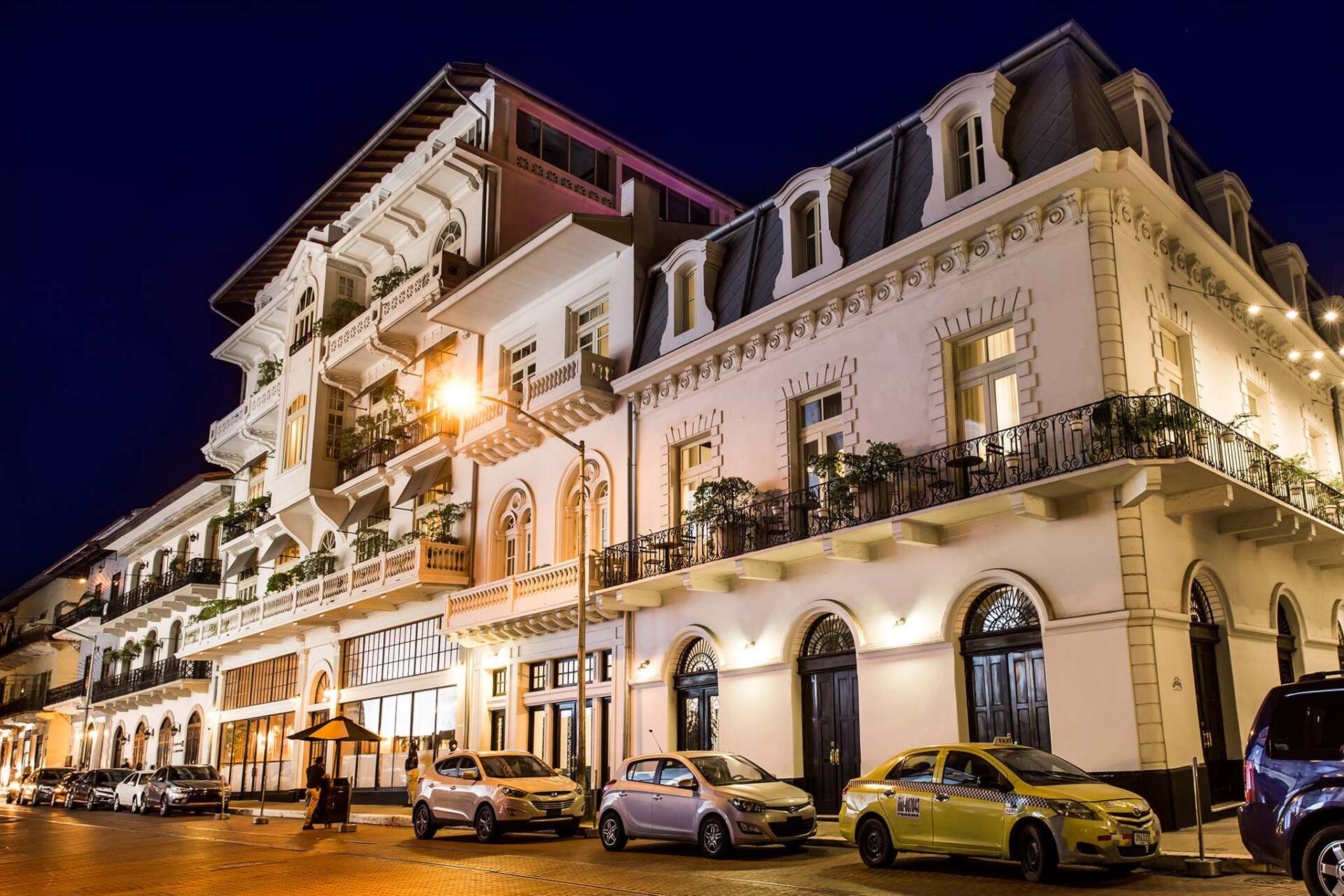
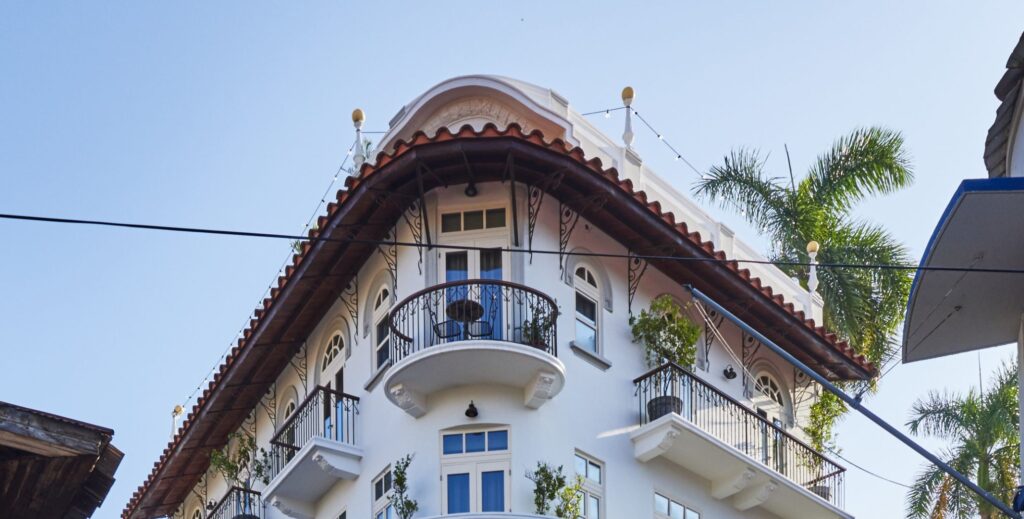
The old quarter, Casco Viejo, feels like Havana's prettier cousin. Colonial buildings painted in pastels house craft cocktail bars and boutique hotels. But step into the banking district and suddenly you're in a proper metropolis with world-class restaurants and rooftop pools.
Here's what makes Panama City work: it doesn't try to be just one thing. The contrasts aren't jarring—they're the point. You can watch massive ships squeeze through the canal locks in the morning, then sip wine in a 17th-century plaza at sunset. The city earned its stripes as a crossroads, and that energy still pulses through every neighborhood today.
Best Months
JAN · FEB · MAR · APR · DEC
~33°C · moderate crowds
Culture & Context
TRANSIT HUB, LAYERED IDENTITY
Panama City is the most cosmopolitan capital in Central America, which is both its appeal and its contradiction. The skyline looks like Miami. The currency is the US dollar.
English gets you pretty far in hotels and tourist zones. But walk two blocks in the wrong direction and you're in a completely different city. The place is shaped by centuries of layered identity: Spanish colonial roots, a large Afro-Panamanian population, Chinese immigrants who arrived to build the railroad in the 1850s, indigenous peoples who still hold autonomous territory, and a century of American canal influence that left everything from the road grid to the slang.
Panama was literally a transit zone for the world, and you feel that. Nothing here is purely one thing. The food isn't, the music isn't, the people aren't.
Reggaeton (locally called "plena") plays everywhere, from corner stores to rooftop bars. The concept of "tranquilidad" runs deep — don't expect meetings to start on time or plans to be rigid. That's not disorganization; that's a deliberate approach to daily life.
The canal isn't just a tourist attraction here. It's the reason the city exists at all. Locals are genuinely proud of it, and they should be.
Local Customs
TRANQUILIDAD PACE RUNS DEEP
Dress modestly when entering churches or government buildings in Casco Viejo — shorts and tank tops draw visible disapproval from staff.. When visiting indigenous territories like the San Blas Islands on a day trip from the city, always ask permission before photographing Guna people or their textiles.. Tipping is appreciated but not as mandatory as in the US.
Around 10% at restaurants is the norm. Nothing at street food stalls.. If you're older than 60 (men) or 55 (women) and become a resident, you qualify for Pensionado discounts: 25% off meals, 50% off entertainment tickets, 20% off medical consultations.
Worth knowing even as a long-term visitor.. The Diablo Rojo buses (old painted school buses) are a cultural icon, but they drive aggressively and attract pickpockets. They're the authentic experience, but be aware of what you're signing up for..
Panamanians often refer to people by their appearance or ethnicity as a nickname — 'el chino,' 'el negro,' 'el gordo' — without any malicious intent. It's not considered offensive locally, though it can catch foreign visitors off guard.. Sunday is genuinely slow.
Many businesses in residential areas close or keep minimal hours. Plan grocery runs and errands for other days.. Bargaining is not standard in most shops and restaurants.
Markets and craft stalls are the exception.
Safety
WATCH YOUR SURROUNDINGS
Panama City is generally safe for tourists — more so than most Latin American capitals — but it's a patchwork, and the difference between a safe block and a rough one can be a single street. Casco Viejo has tourist police visible day and night and is genuinely secure inside its boundaries. But El Chorrillo starts the moment you cross the wrong edge of the district, and that neighborhood has the highest crime rate in the country.
Do not walk out of Casco Viejo at night. Take an Uber. Petty crime is your real concern, not violent crime.
iPhone snatching, bag slashing, and distraction thefts are most common around Albrook Bus Terminal and Avenida Central. Keep your phone in your pocket in crowded areas. Use ATMs inside banks or shopping malls during daylight hours, not street machines at night.
Punta Pacífica, Marbella, El Cangrejo, and the financial district (Calle 50 area) all maintain solid security and feel comfortable day and evening. Areas to actively avoid: El Chorrillo, Curundú, parts of Calidonia, and — if you're heading outside the city — the entire Darién Gap near the Colombian border. The city of Colón (on the Caribbean side, about an hour away) has significantly higher crime rates than the capital; if you go, go with a guide and don't wander independently.
Emergency number for National Police: 104. Tourism Police can be reached at 511-9260. Many speak basic English.
Getting Around
METRO & UBER
The metro is the best deal in the city, period. At $0.35 a ride, it's clean, modern, air-conditioned, and Central America's only subway system.
Line 1 runs north-south from Albrook to Los Andes; Line 2 runs east-west from San Miguelito to Nuevo Chorrillo. Trains run 5am-11pm on weekdays and 5am-10pm on weekends, every 3-8 minutes during peak hours. Pick up a rechargeable tarjeta card for $2 at any station.
For everything the metro doesn't cover, use Uber. It's legal, tracked, cashless, and consistently cheaper than negotiating with yellow taxis. The key catch: you can't call an Uber without mobile data, so sort out a local SIM (Tigo or +Móvil) or eSIM before you land, not after.
Yellow taxis are everywhere but have no meters. Always negotiate the fare before you get in, otherwise expect "gringo pricing." They may also pick up additional passengers along the route without warning — tell the driver upfront if you don't want to share.
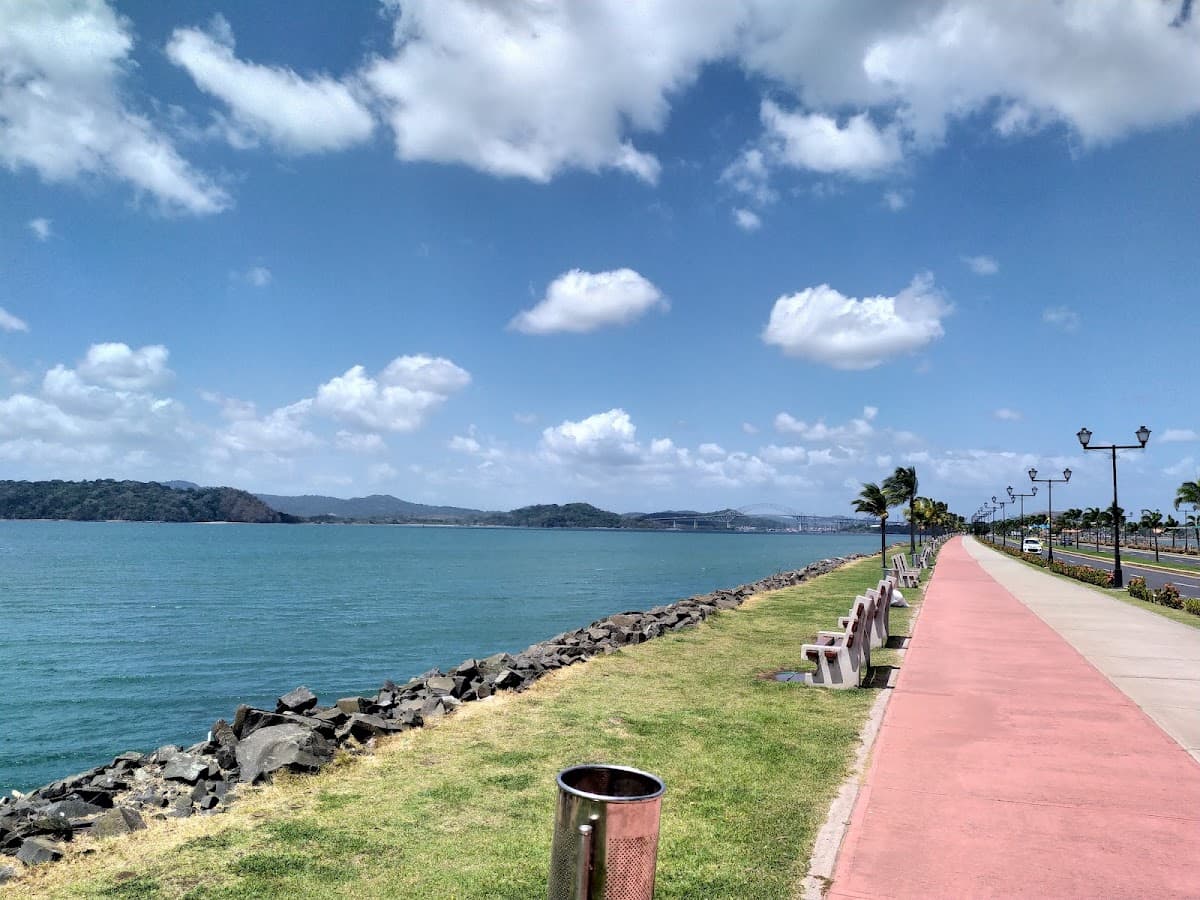
The old Diablo Rojo painted buses are still around in some routes and cost just $0.25, but they drive aggressively, don't follow reliable schedules, and are prime territory for pickpockets. The Cinta Costera waterfront path stretches 6km and is a perfectly good way to walk between downtown and Casco Viejo if it's daytime and you want the exercise.
Don't attempt that walk at night.
Useful Phrases

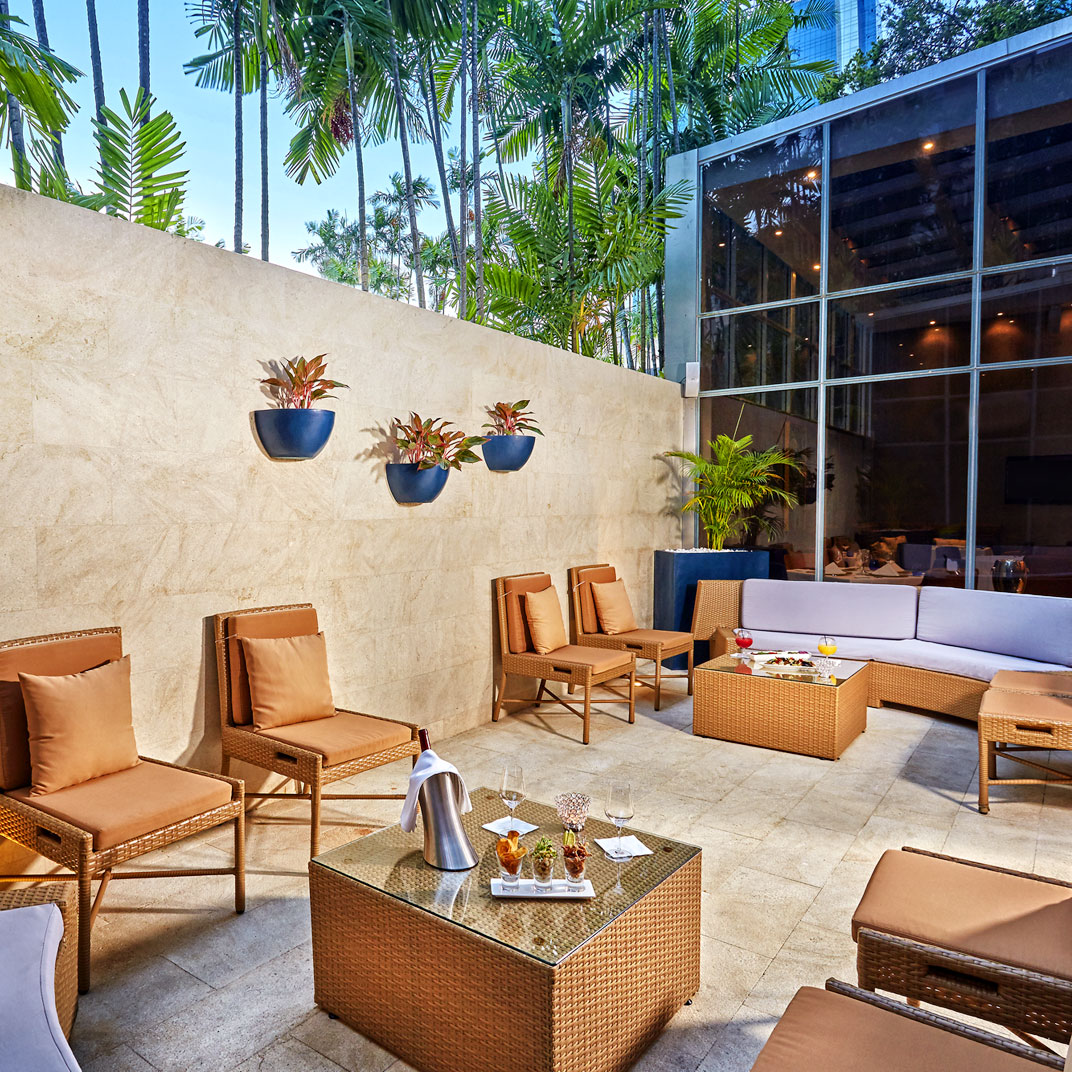
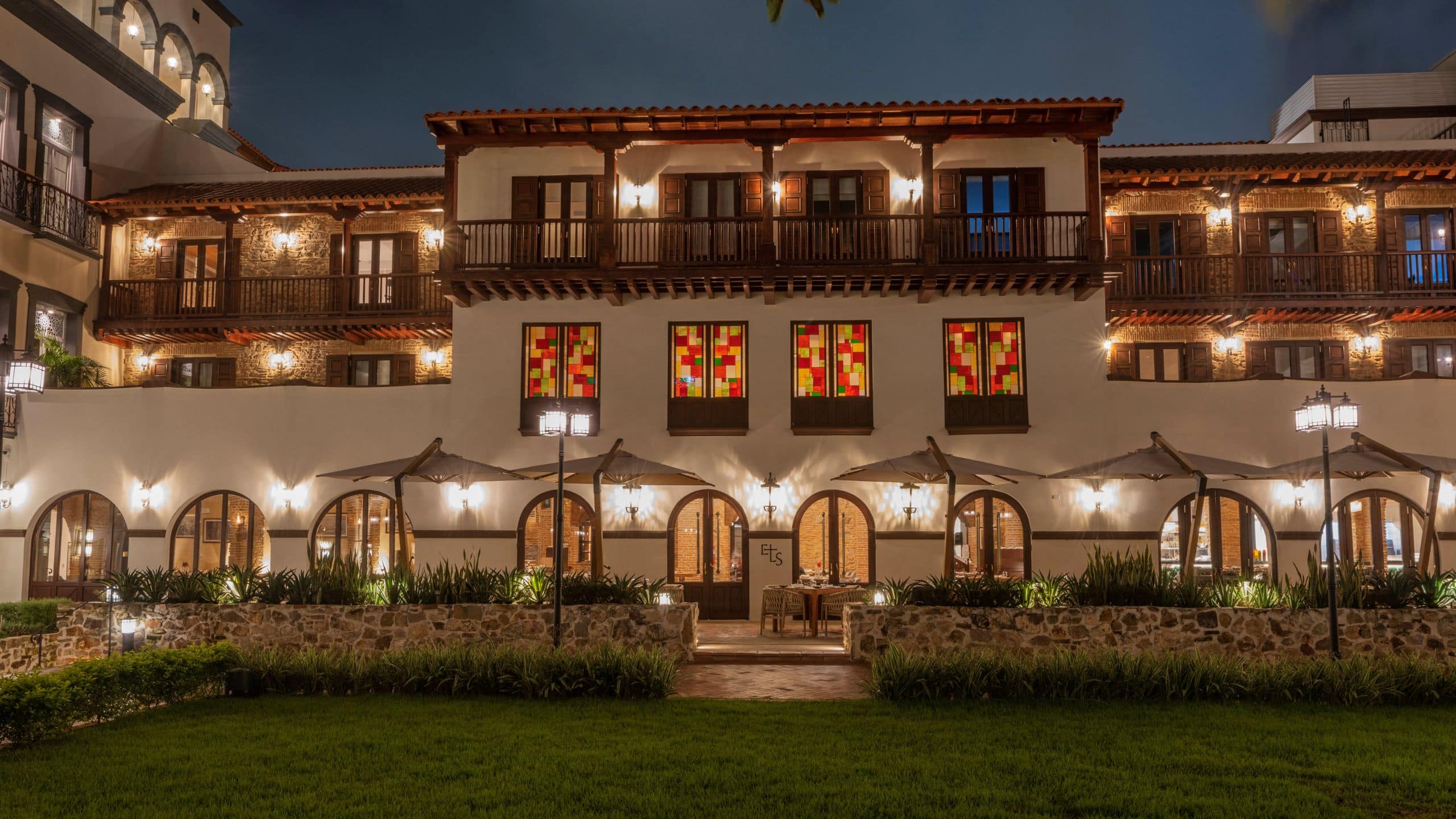
Where to Stay in Panama City
5 recommended properties
Things to Do in Panama City

Casco Viejo Historic Quarter
Casco Viejo · 150 min
Monkey Adventures Rainforest Tram & Zipline
Panama Canal / Gamboa Area (day trip from Panama City) · 240 min
Casco Viejo Historic Stroll
Casco Viejo · 120 minMoney-Saving Tips
- 1.Metro cards cost $2 but save money on every ride—much cheaper than taxis for getting around the city
- 2.Eat lunch at local sodas (small restaurants) for $4-6 instead of tourist spots that charge $15-20 for similar food
- 3.Buy snacks and water at Super 99 supermarkets rather than hotel shops—prices are half what you'll pay in tourist areas
- 4.Visit the Panama Canal at Miraflores Locks instead of expensive canal tours—same views for $20 vs $60-100
- 5.Happy hour runs 5-7 PM at most bars in Casco Viejo with 2-for-1 drinks and discounted appetizers
- 6.Street food from vendors costs $1-3 per item and often tastes better than restaurant versions
- 7.Take the airport bus ($1.25) instead of taxis ($30) if you're not in a hurry—it connects to the Metro system
Travel Tips
- •Download the Metro app to buy digital cards and check train schedules—much easier than fumbling with physical cards
- •Carry small bills—many street vendors and small restaurants can't break $20 bills
- •The old city's cobblestone streets destroy high heels and flip-flops—pack comfortable walking shoes
- •Learn basic Spanish phrases—English works in hotels and tourist areas but not much elsewhere
- •Drink bottled or filtered water—tap water is technically safe but can upset sensitive stomachs
- •Pack light rain gear even in dry season—afternoon showers pop up quickly
- •Tipping isn't expected at local restaurants but 10% is appreciated at upscale places
- •ATMs are everywhere and dispense US dollars—Panama uses USD as official currency alongside the balboa
- •Book canal tours in advance during dry season—they fill up fast from December to April
- •Stay aware in crowded areas like Avenida Central—petty theft happens but violent crime against tourists is rare