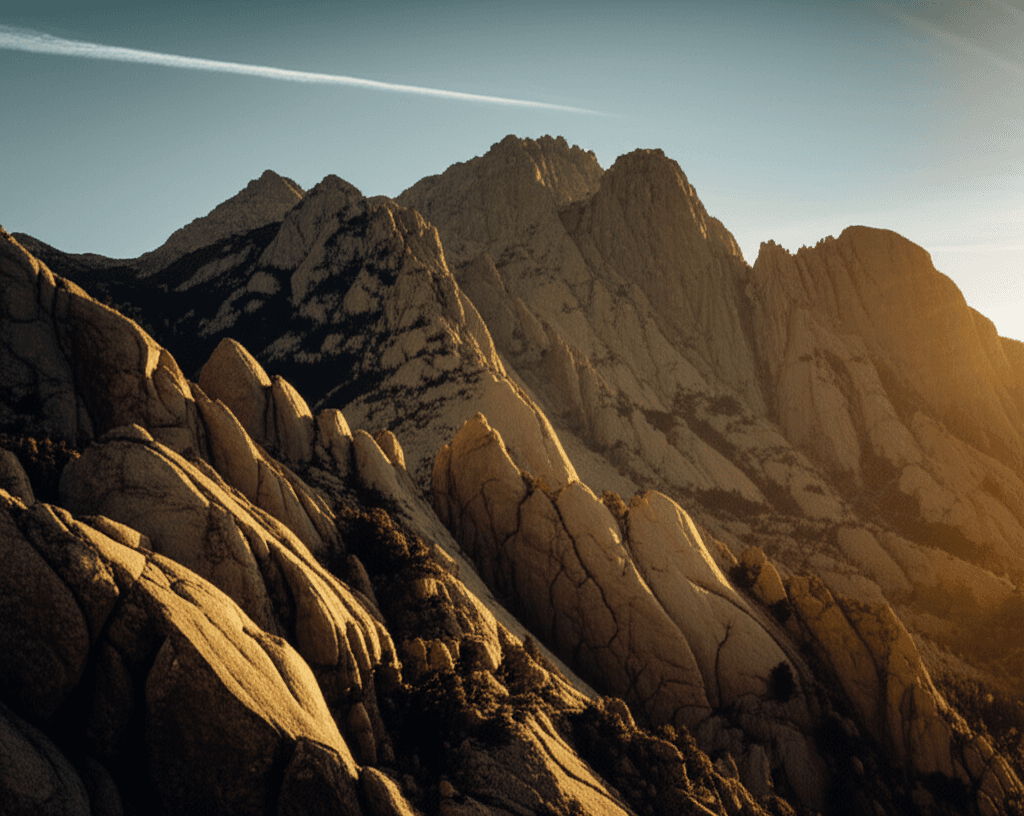
Southern Rocky Mountains
Majestic peaks offering world-class outdoor adventures year-round
The Southern Rocky Mountains stretch across Colorado like nature's own playground, where 14,000-foot peaks pierce the sky and adventure waits around every switchback. This isn't just another mountain range — it's where serious hikers test themselves against the Continental Divide, where powder hounds chase fresh snow from Aspen to Vail, and where even a simple drive becomes an expedition through some of America's most dramatic terrain.
Here's what makes the Southern Rockies different: the sheer scale. You've got 58 peaks over 14,000 feet, more than anywhere else in the continental US. The altitude hits you the moment you step out of your car in Denver, sitting pretty at 5,280 feet. But that thin air comes with a payoff — crystal-clear views that stretch for hundreds of miles and snow that stays powder-dry well into spring.
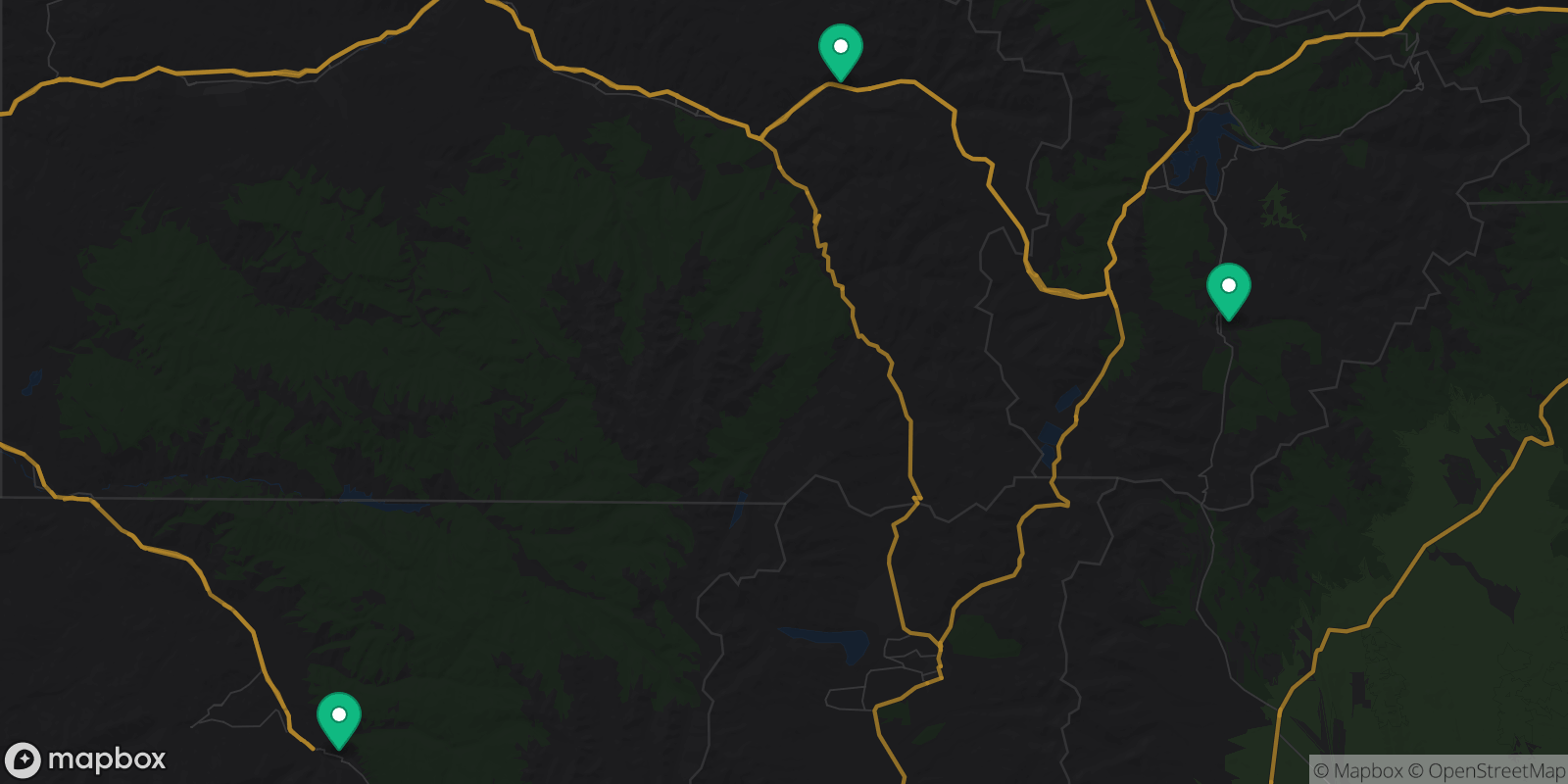
The region spans from the Front Range near Boulder and Denver all the way west to the Elk Mountains around Aspen. Each range has its own personality. The Front Range offers easy access from the cities but gets crowded on weekends. The Sawatch Range, home to Mount Elbert (Colorado's highest at 14,440 feet), feels more remote despite being just a few hours from civilization. And the San Juan Mountains in the southwest corner? That's where you go when you want to disappear completely.
Explore Cities
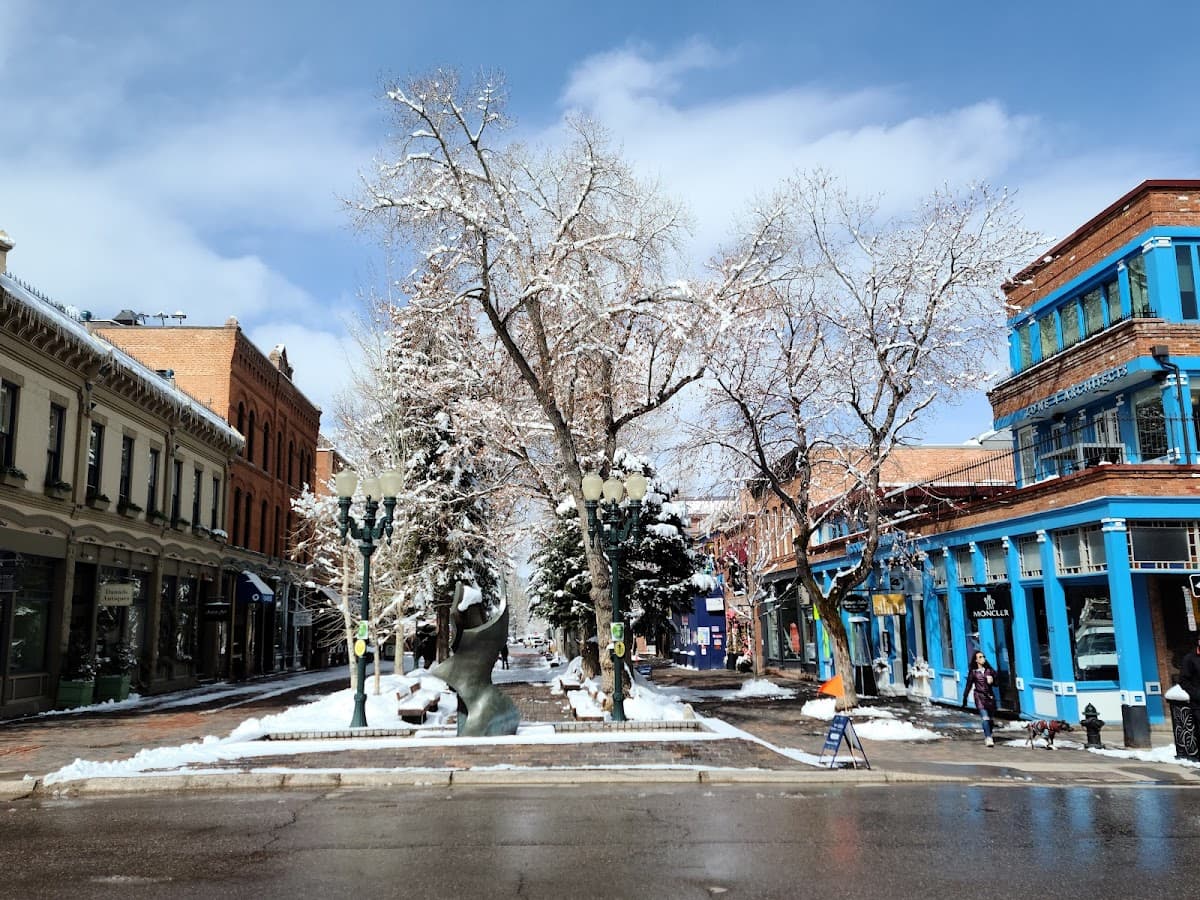
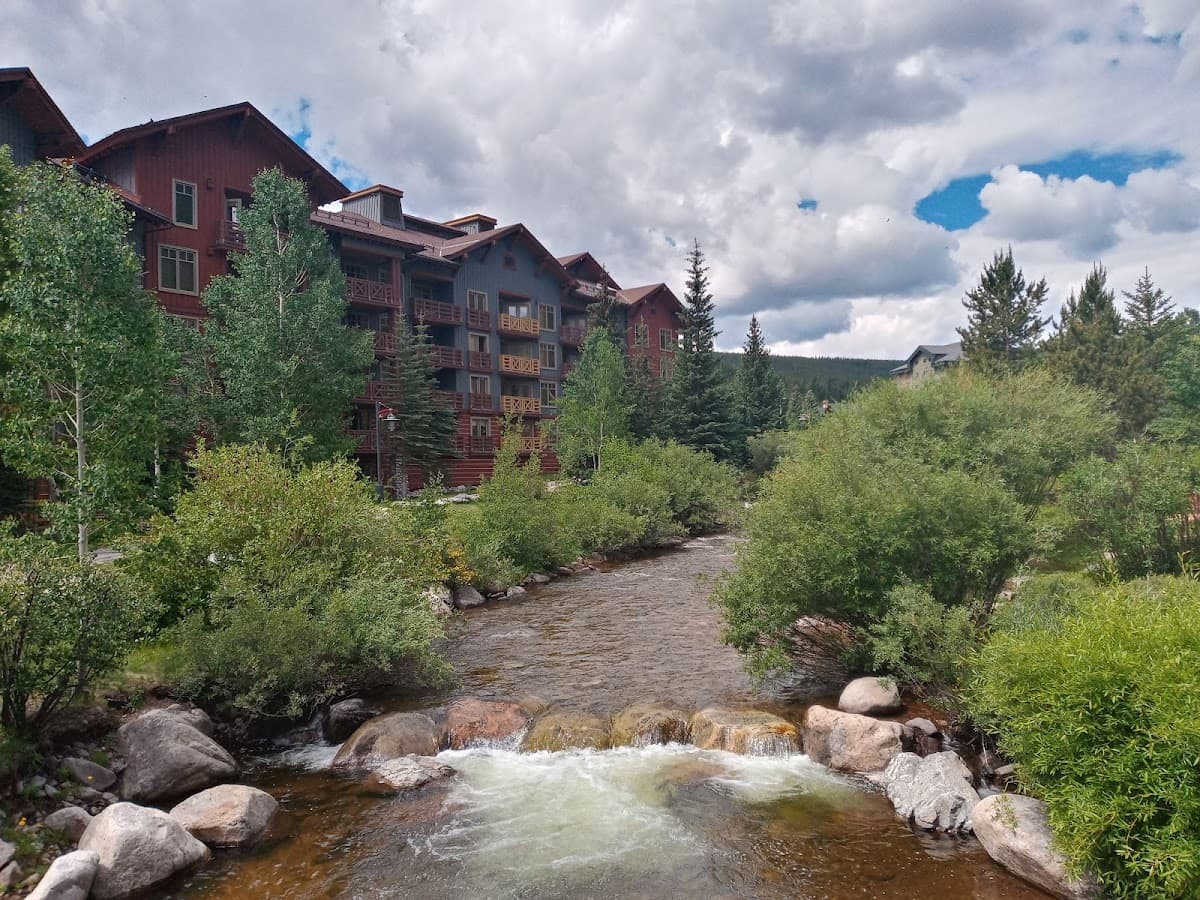
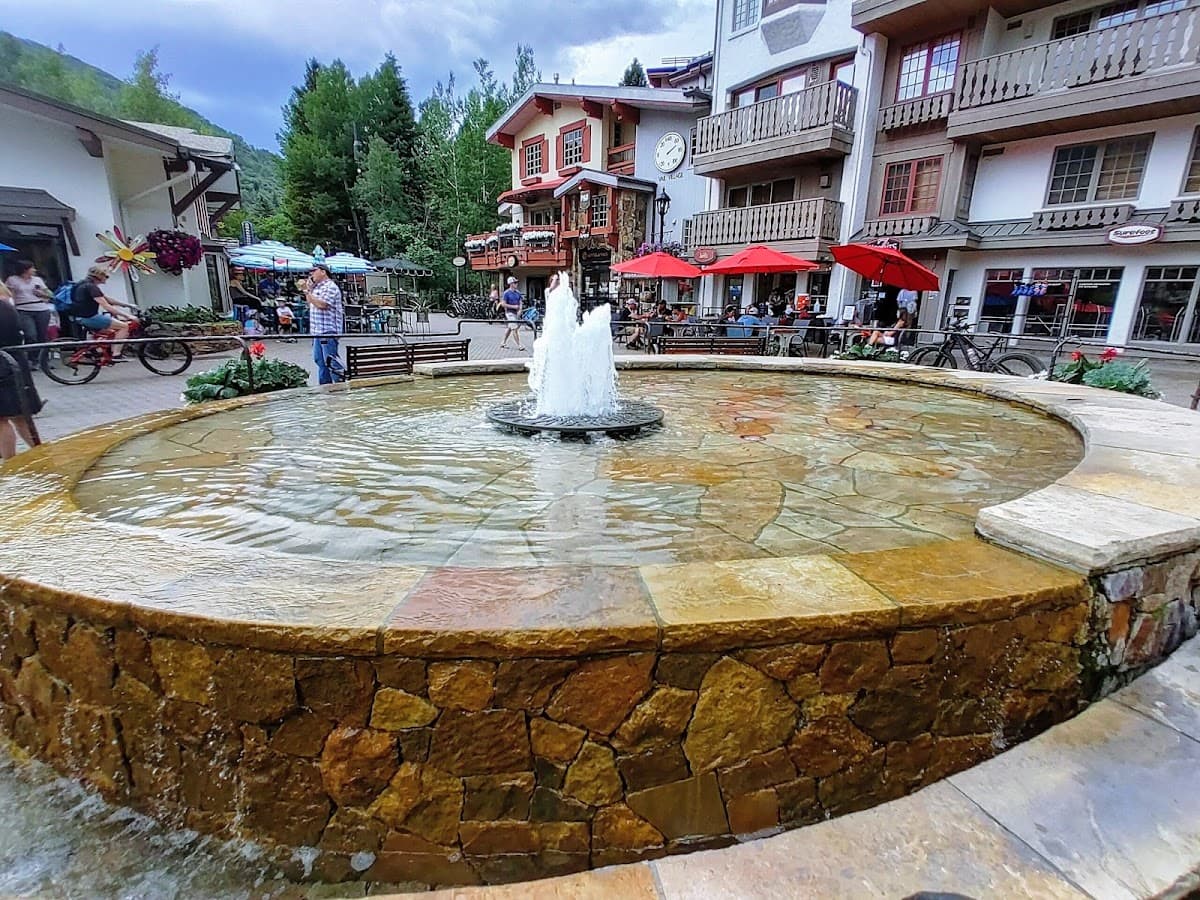
Explore the Region
Southern Rocky Mountains Itineraries

Six Packed Days of Breck Adventure, Food, and Mountain Air
Weekend · $$$
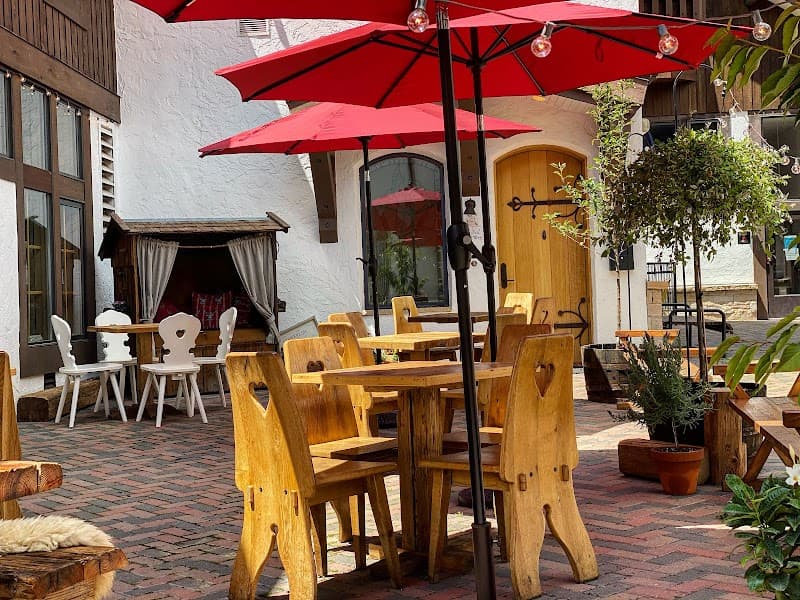
Vail Village Flavor Day: Wine, Views & Alpine Bites
Weekend · $$$

Vail Village Indulgence: Food, Wine & Mountain Views
Weekend · $$$$
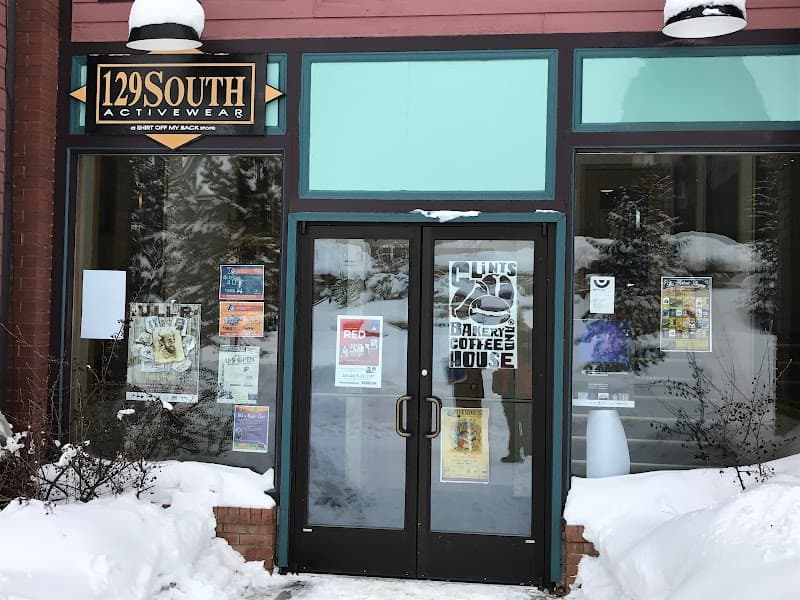
5 Days of High-Altitude Adventure in Breck
Weekend · $$$$
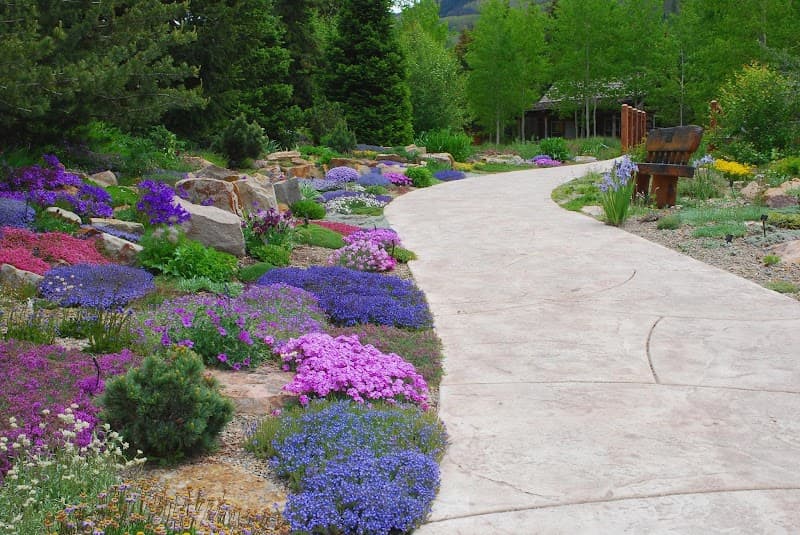
Relaxed Vail Village Day for Dining, Views, and Après
Weekend · $$$$
Money-Saving Tips
- 1.Buy a National Parks Annual Pass ($80) if you plan to visit Rocky Mountain National Park and other federal sites — it pays for itself after 3 visits
- 2.Fill up with gas in Denver or Colorado Springs before heading to mountain towns where prices run 20-30 cents higher per gallon
- 3.Book accommodations in shoulder season (May or September-October) for rates 40-60% lower than peak winter/summer prices
- 4.Pack lunches for day hikes — mountain town restaurants charge $12-15 for basic sandwiches that cost $6 in the city
- 5.Stay in Frisco or Silverthorne instead of Breckenridge for similar access to skiing/hiking but hotel rates $50-100 lower per night
- 6.Download the GaiaGPS app ($40/year) instead of buying paper maps — it works offline and covers the entire region
- 7.Shop for groceries in Denver or Boulder before heading to resort towns where a gallon of milk can cost $6-8
- 8.Consider vacation rentals for stays longer than 3 nights — many offer kitchens and help offset expensive restaurant meals
Travel Tips
- •Start hiking by 6 AM in summer to avoid afternoon thunderstorms — lightning strikes kill several people in Colorado mountains each year
- •Drink twice as much water as you think you need — altitude dehydration hits hard and fast above 8,000 feet
- •Pack layers even in summer — temperatures drop 3-5 degrees per 1,000 feet of elevation gain
- •Download offline maps before heading into the backcountry — cell service disappears quickly once you leave main highways
- •Arrive 2-3 days early to acclimate before attempting 14ers — altitude sickness can ruin your entire trip
- •Check road conditions on cotrip.org before driving mountain passes, especially October through May
- •Make trailhead reservations through recreation.gov for popular hikes — many now require advance booking
- •Carry bear spray in wilderness areas — black bears are common and increasingly bold around campsites and trails
- •Keep your gas tank above half full — mountain towns spread far apart and stations close early
- •Pack sunscreen and sunglasses — UV radiation increases significantly at altitude and reflects off snow year-round
Frequently Asked Questions
BUILD YOUR
SOUTHERN ROCKY MOUNTAINS PLAN
Insider picks, smart timing, and a plan ready when you are.
Start Planning