Vail
World-class skiing meets alpine luxury in Colorado's premier resort
Vail isn't just another ski town. It's where Olympic champions train, where billionaires buy second homes, and where the snow falls so perfectly it feels engineered. But here's what most people don't realize: this Colorado resort town delivers year-round, not just during powder season. Summer brings hiking trails that'll make your Instagram followers jealous, while winter serves up some of the most reliable snow conditions in North America. The downside? Your wallet will feel lighter after a weekend here. Everything from lift tickets to après-ski cocktails comes with resort pricing. But if you're looking for that perfect mountain escape where luxury meets adventure, Vail delivers in spades.
Best Months
JAN · FEB · MAR · JUN · JUL · AUG · DEC
~10°C · peak crowds
Culture & Context
TYROLEAN VILLAGE ETHOS
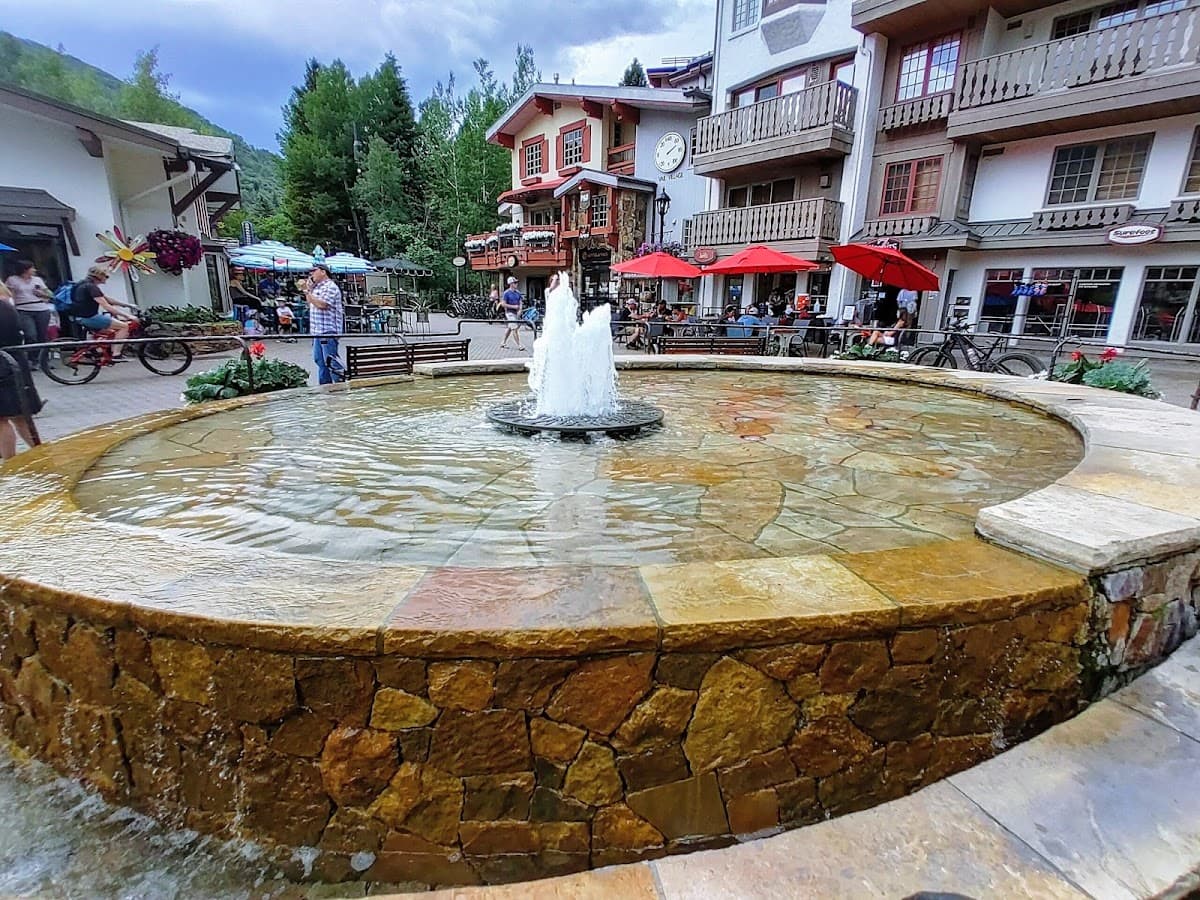
Vail was purpose-built as a ski resort in the early 1960s, and that origin story still shapes everything about it. The Tyrolean-inspired architecture in Vail Village and Lionshead is deliberate, cobblestones included. It's a European ski village aesthetic planted in the Rockies.
The après-ski scene is genuinely central to local culture, not just a tourist add-on. The Red Lion on Bridge Street has been the beating heart of that tradition for decades. But look, Vail has two faces.
The Villages are polished, walkable, and expensive. West Vail and East Vail are where actual year-round residents live, shop at real grocery stores, and decompress away from the tourist churn. The town's full-time population is only about 4,700 people, which means you'll quickly notice the same faces if you stay long enough.
Sustainability matters here too. The free bus system exists partly because locals actively want fewer cars on the road, and recycling bins are everywhere. The outdoor ethics run deep.
Leave No Trace isn't just a slogan on a trail sign.
Local Customs
APRÈS-SKI IS MANDATORY
Après-ski is a real daily ritual, not just a marketing term. People come off the mountain between 2 and 4 PM and head straight to places like The Red Lion or Los Amigos. Join in or at least don't act surprised when the bars fill up before dinner..
The free bus is how locals actually get around. Don't be the person driving laps around Vail Village looking for parking when the bus stops right outside your hotel.. Check CDOT's cotrip.
org or the Colorado Road Conditions app before driving over Vail Pass in winter. Locals treat this like checking the weather before leaving the house.. Take altitude seriously, even if you're fit.
Locals won't judge you for skipping the first afternoon of skiing to hydrate and rest. They will quietly judge you for ignoring the warning signs and spending day two in bed with a splitting headache.. Leave No Trace principles are taken genuinely seriously on Vail's trails and open spaces.
Don't pick wildflowers, stay on marked trails, pack out all trash.. At Beaver Creek (just down the valley), chocolate chip cookies are handed out at the base of Centennial Express at 3 PM every day. This is an actual beloved local tradition, not a gimmick.
Do not skip Cookie Time.. Vail Mountain's cobblestone streets and villages are pedestrian-only. Don't pull your car into Vail Village and expect to drive through.
Safety
ALTITUDE KILLS AMBITION
Altitude is the number one thing visitors underestimate. Vail's base sits at 8,150 feet above sea level, and the summit of Vail Mountain rises to 11,570 feet. Nearly 1 in 4 visitors get symptoms of Acute Mountain Sickness (AMS), which can feel like a bad hangover — headaches, nausea, fatigue, and insomnia.
Being young and fit does not protect you. In fact, overly ambitious first days on the mountain are exactly how people end up spending day two in the hotel room. The practical protocol: drink twice as much water as you think you need, go easy on alcohol for the first 24 to 48 hours (it slows acclimatization), eat carbohydrate-rich meals, and actually rest your first afternoon.
Altered mental status, chest pain, or severe shortness of breath are not normal AMS symptoms and require immediate medical attention. Vail Health has full medical services in town. On the mountain, stay in bounds unless you have backcountry training and proper avalanche gear.
The sun at altitude is genuinely more intense — UV exposure increases 6 to 10% for every 1,000 feet of elevation, so SPF 30+ sunscreen is non-negotiable even on cloudy days. Winter driving on I-70 and over Vail Pass requires all-wheel or four-wheel drive and real winter tires, not just all-seasons. Check COTrip.
org for road conditions and pass closures before driving. Do not use cruise control in mountain winter weather.
Getting Around
FREE BUSES EVERYWHERE
Vail is built to function without a car once you arrive. The Town of Vail's free bus system runs daily on all routes, every 20 to 60 minutes depending on the season, connecting East Vail, Vail Village, Lionshead, and West Vail. Buses accommodate skis and snowboards (no aisle blocking), and summer buses carry up to three adult bicycles.
Core Transit extends free service out to Beaver Creek, Avon, and Edwards from the Vail Transportation Center. Getting here from Denver: Epic Mountain Express and Peak 1 Express both run scheduled shuttles from Denver International Airport to Vail. Budget option is the Bustang bus from Denver Union Station for around $17, with Wi-Fi and a bathroom.
Driving is 100 miles west on I-70 and takes about 1.5 to 2 hours in normal conditions. Vail Pass in winter can close with zero warning, so always check cotrip.
org before you leave Denver. Parking in the Lionshead and Vail Village garages is available but expensive. Live parking availability resumes May 29, 2026 on the Town of Vail's website.
Uber and Lyft operate in town but get unreliable late at night during peak season. The Vail Transit app (Ride Vail Transit) gives real-time bus locations and arrivals. E-bike rentals are available in both villages if you want to cover more ground in summer.
Where to Stay in Vail
5 recommended properties
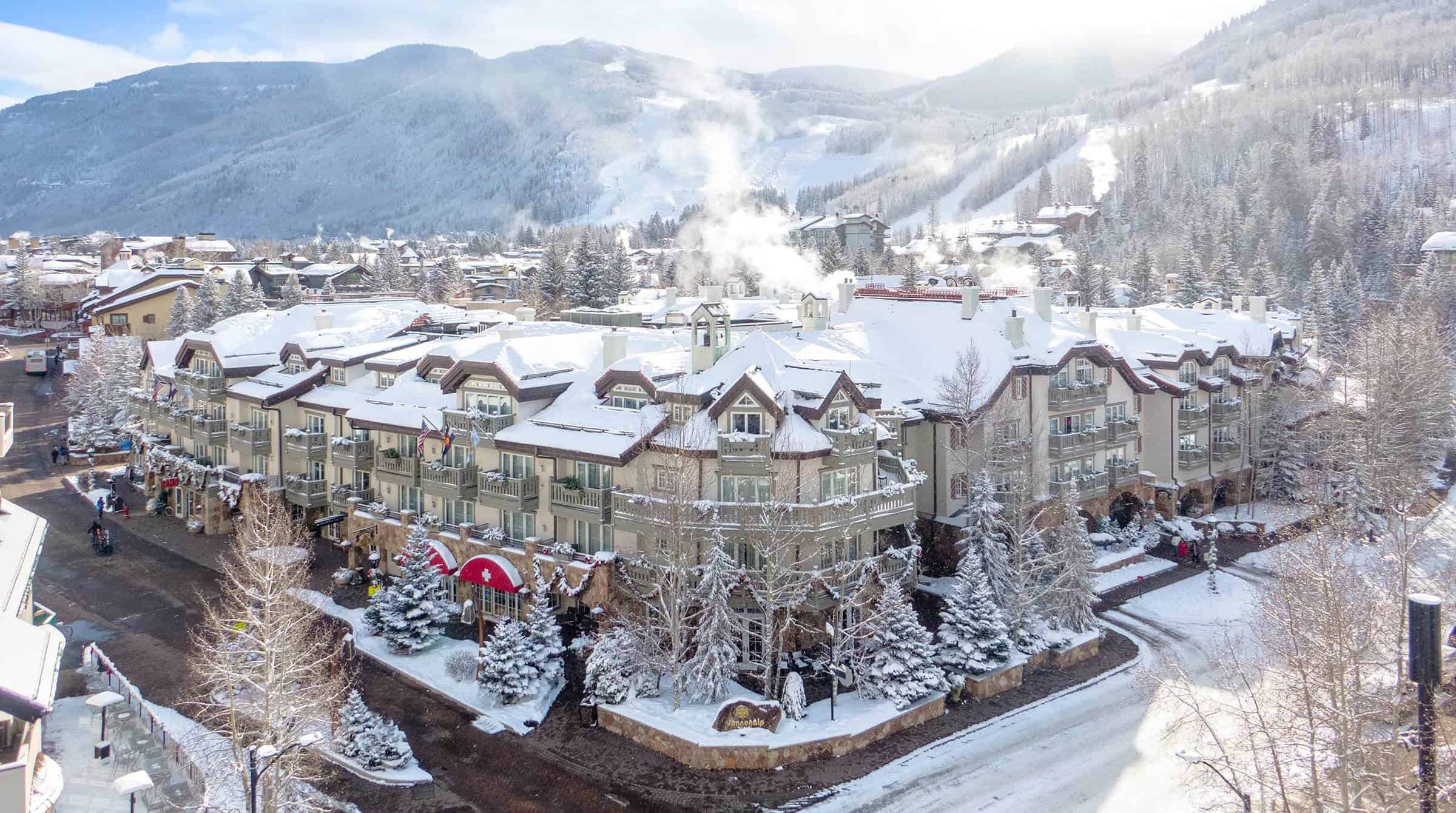
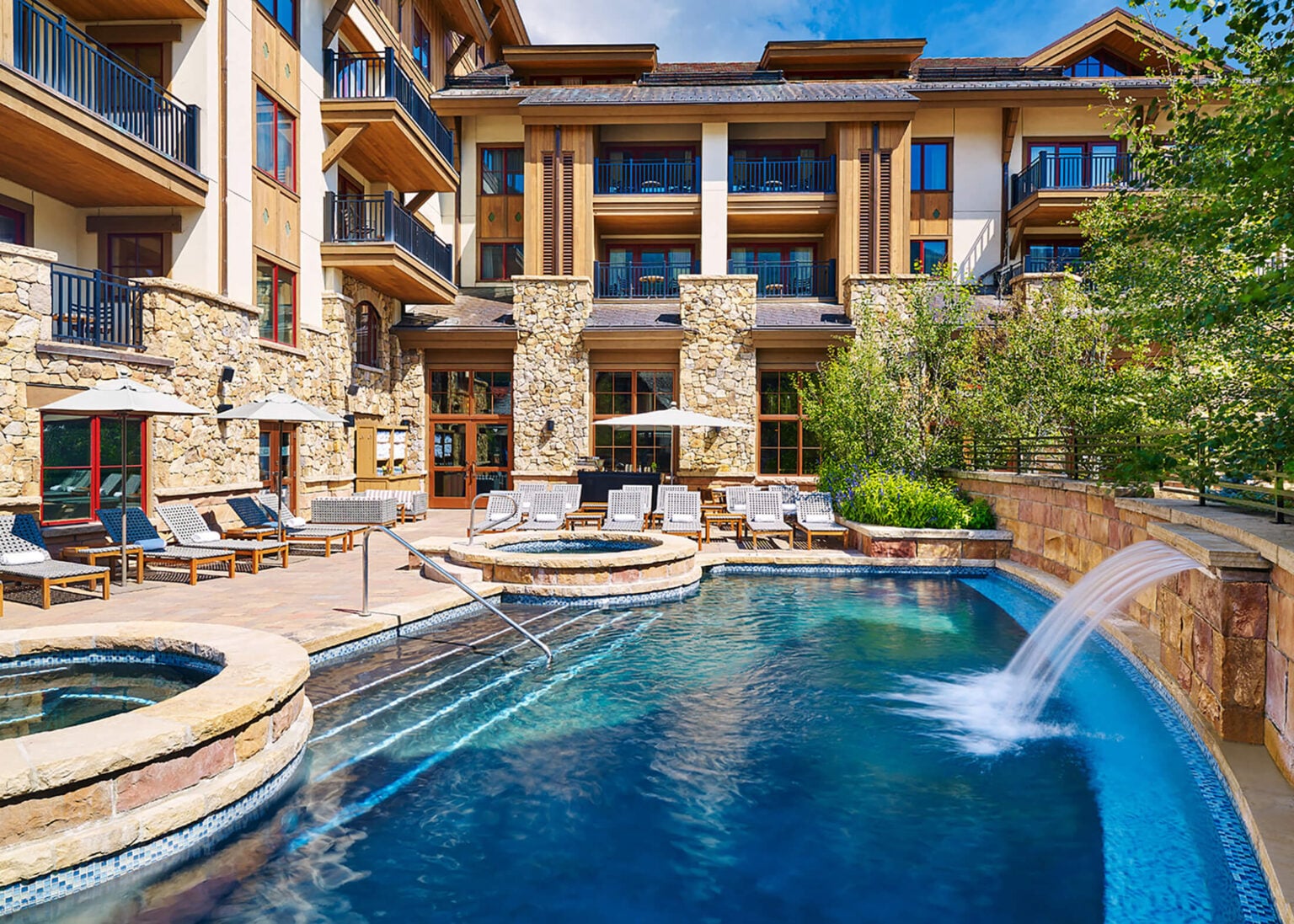
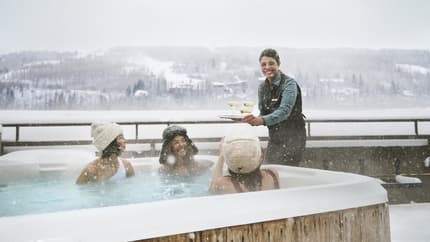
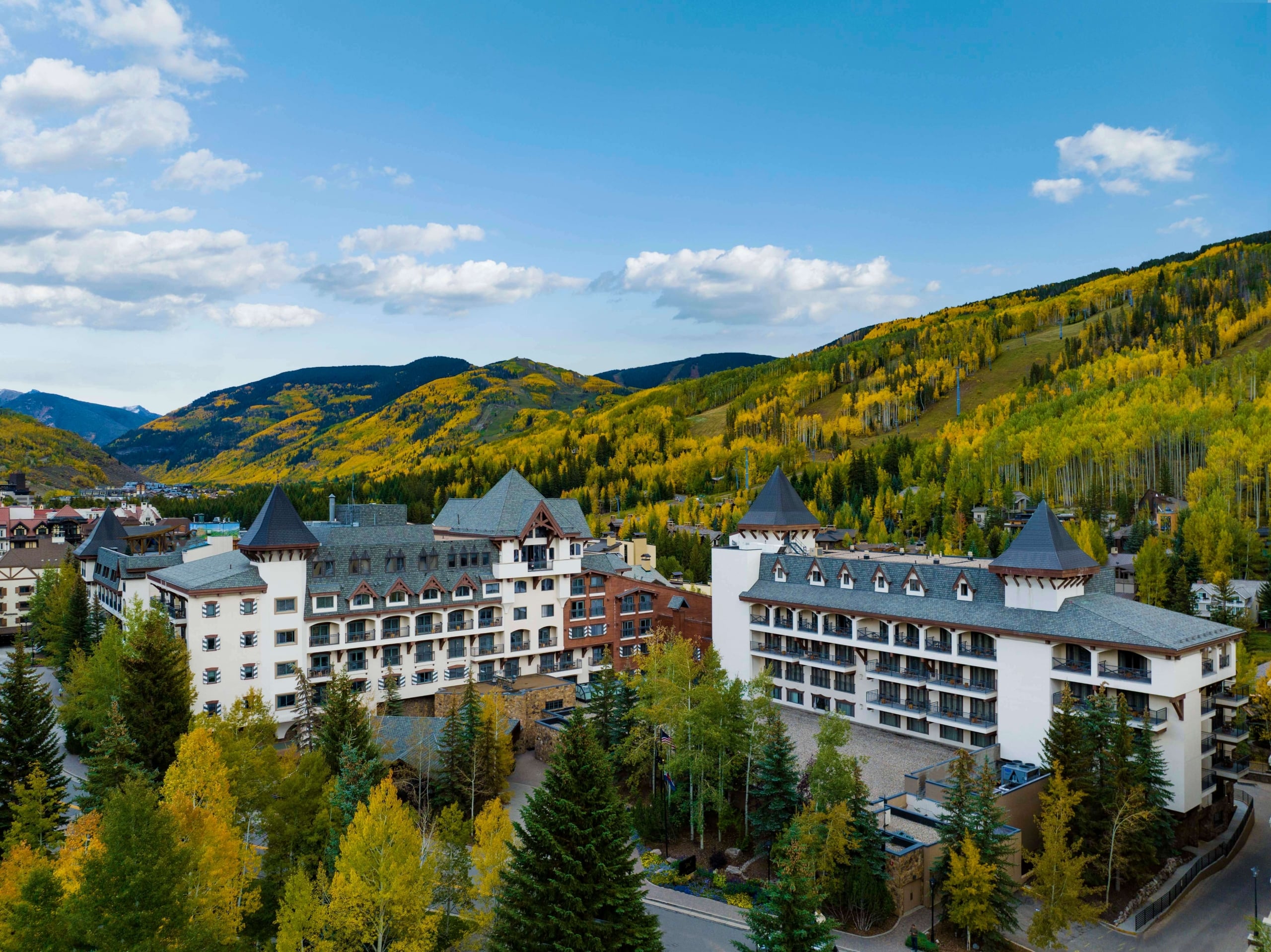
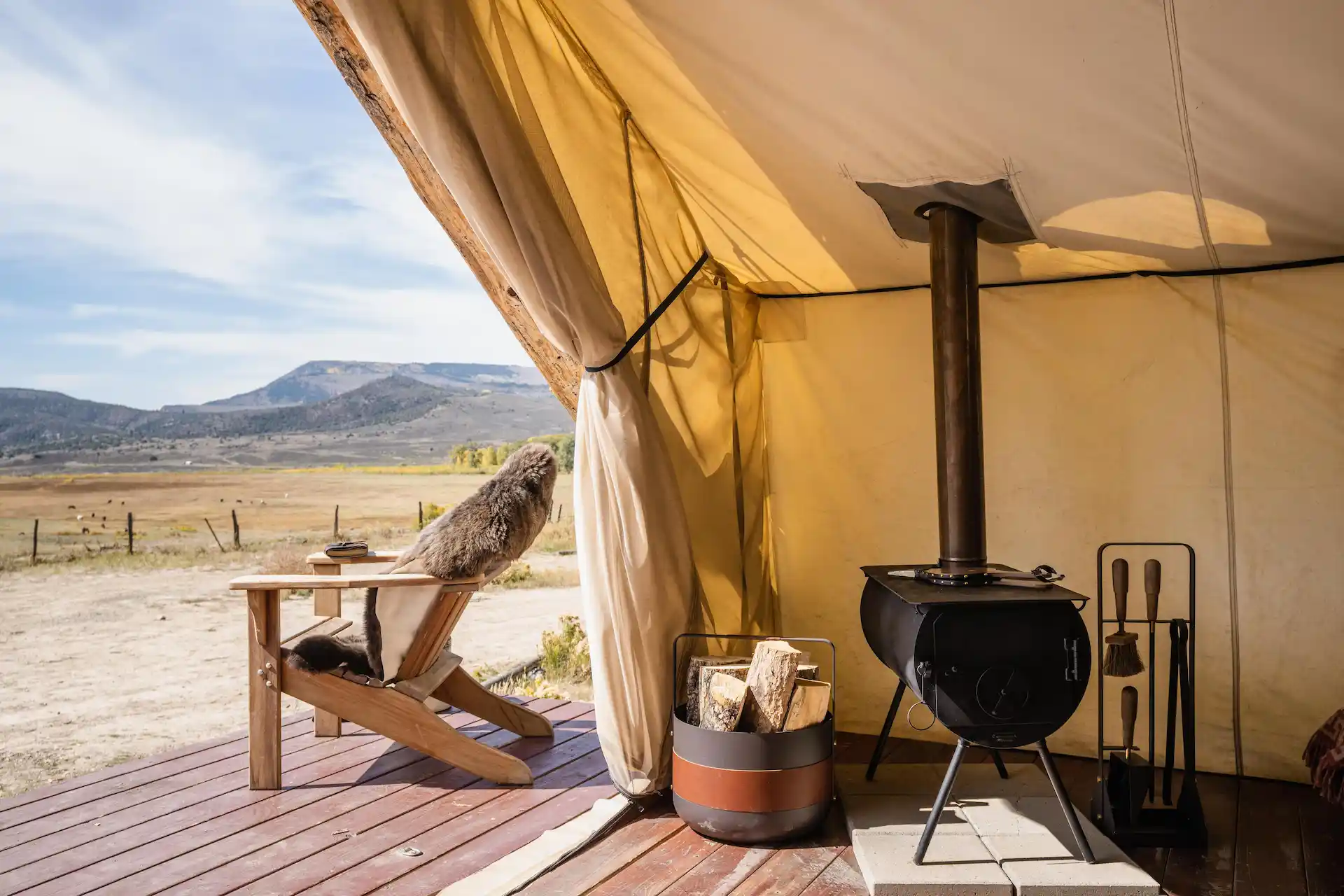
Things to Do in Vail
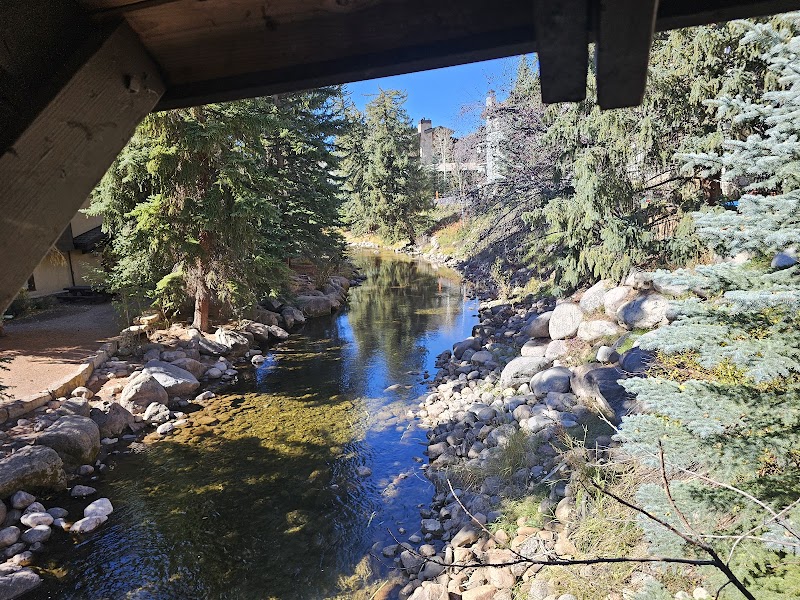
Vail Village Shopping Loop
Vail Village · 90 min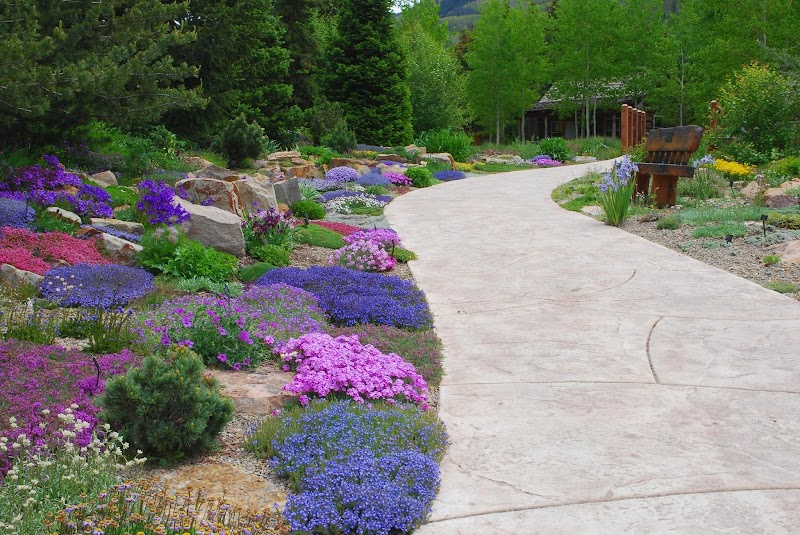
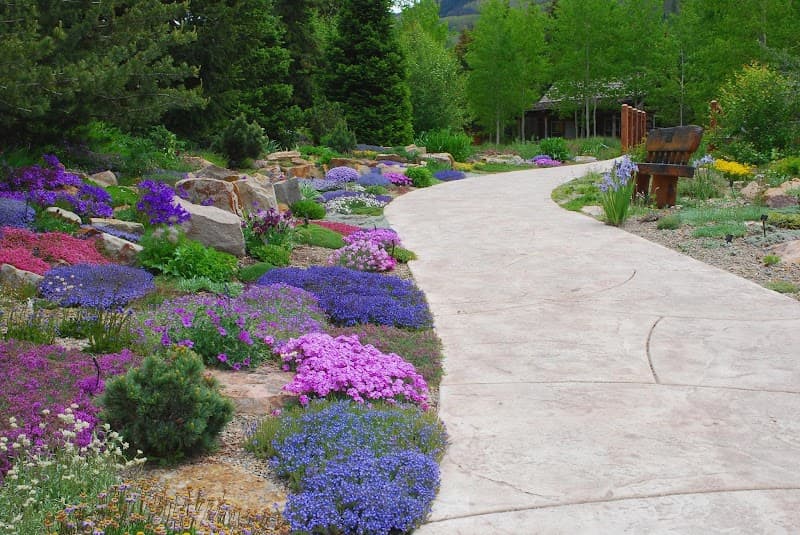
Betty Ford Alpine Gardens
Vail Village · 90 min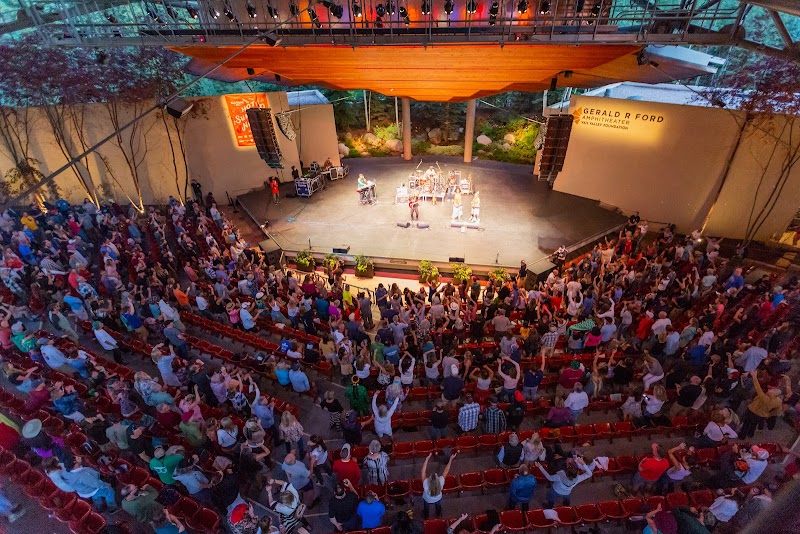
Gerald R. Ford Amphitheater
Vail Village · 90 minMoney-Saving Tips
- 1.Book ski lessons through Vail's website instead of third-party sites – they often throw in lift ticket discounts
- 2.Buy groceries at City Market in West Vail rather than village convenience stores to save 40-50%
- 3.Park at the free Vail Transportation Center and take the shuttle instead of paying $25-40 for village parking
- 4.Eat lunch at mid-mountain restaurants like Two Elk Lodge instead of base village spots to save $10-15 per person
- 5.Visit during early December or late March for 30-40% lower hotel rates with decent snow conditions
- 6.Download the EpicMix app for real-time lift wait times and mountain conditions to maximize your ski day
Travel Tips
- •Altitude hits hard at 8,150 feet – drink extra water and limit alcohol your first day to avoid headaches
- •Make dinner reservations 2-3 days ahead during ski season, especially for weekend tables
- •Bring layers even in summer – mountain weather changes fast and temperatures drop 20+ degrees after sunset
- •The free village shuttle stops running at midnight, so plan your late-night transportation accordingly
- •Blue Bird days after snowstorms offer the best skiing but also the longest lift lines – hit the mountain early
- •Summer thunderstorms typically roll in around 2 PM – start hiking early or plan indoor activities for afternoons