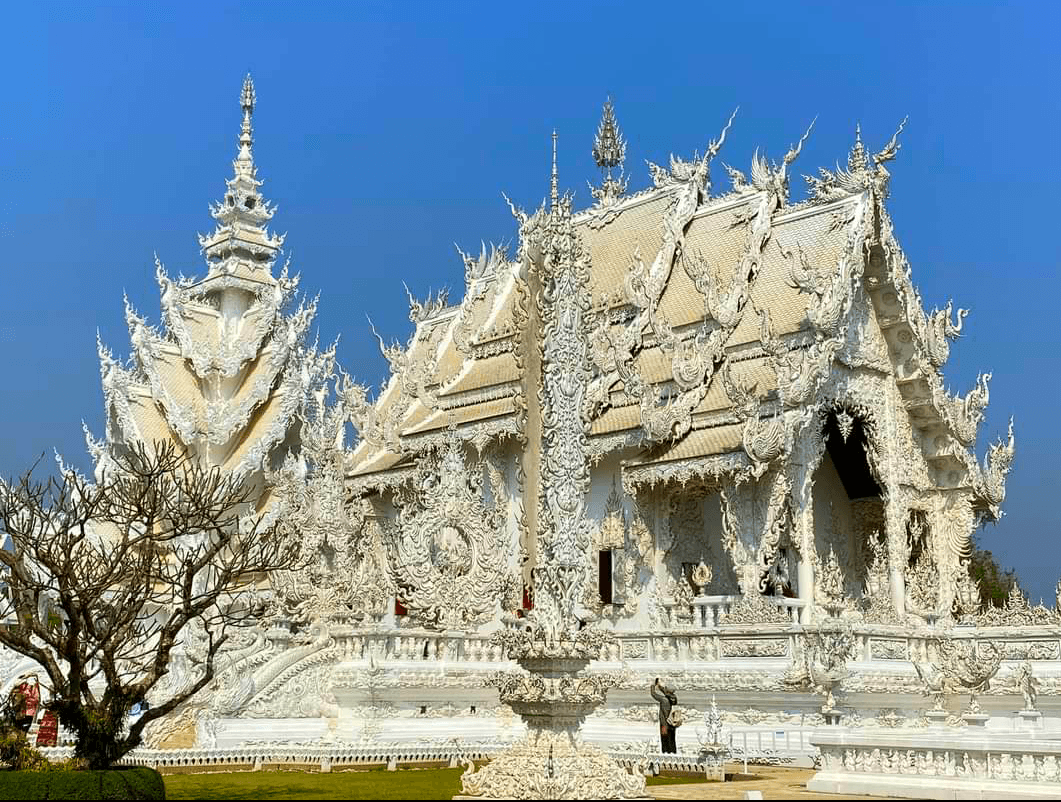
Northern Thailand
Mountain tribes, golden temples, and elephant sanctuaries
Northern Thailand isn't just another stop on the backpacker trail. Sure, you'll find plenty of gap-year travelers slurping pad thai in Chiang Mai's Night Bazaar. But venture beyond the tourist zones and you'll discover hill tribe villages where grandmothers still weave traditional textiles, forest temples where monks chant at dawn, and elephant sanctuaries doing conservation the right way.
This region moves at a different pace than Bangkok's chaos. Mist rolls over mountain peaks each morning. Saffron-robed monks collect alms on quiet streets. And the food? It's a world apart from what most people think of as "Thai food" — think khao soi's coconut curry noodles, sai ua northern sausage, and som tam made with fermented fish sauce that'll knock your socks off.
The best part? Your money goes incredibly far here. A bowl of khao soi costs 40 baht ($1.20). Guesthouses run 300-500 baht ($9-15) a night. And you can rent a motorbike for 150 baht ($4.50) a day to explore mountain roads that wind past rice terraces and Karen villages.
Explore Cities
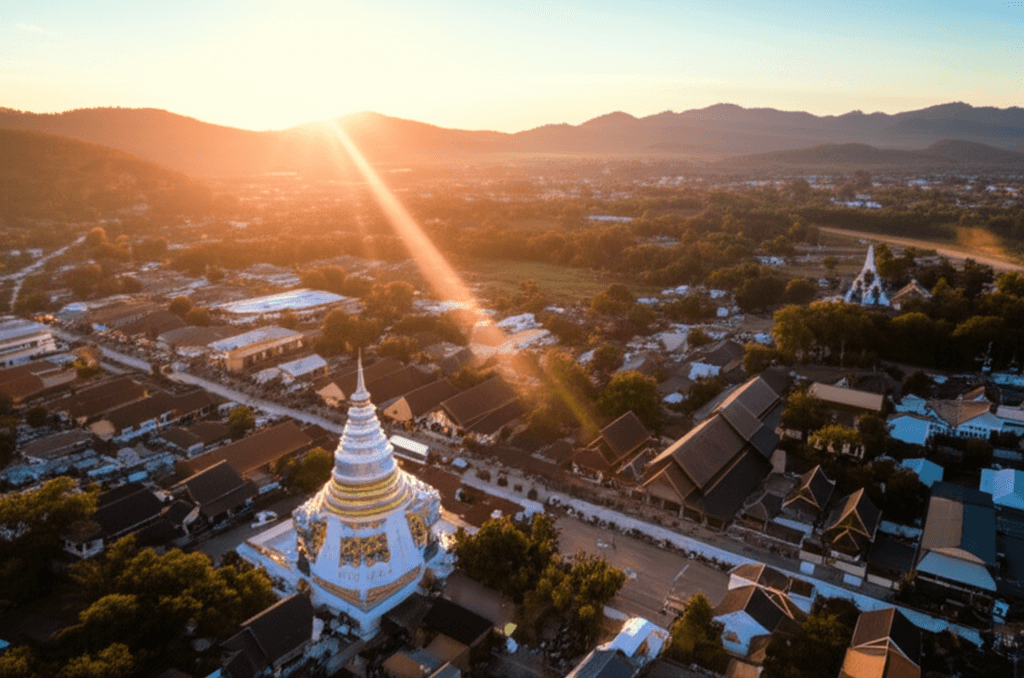
Explore the Region
Northern Thailand Itineraries
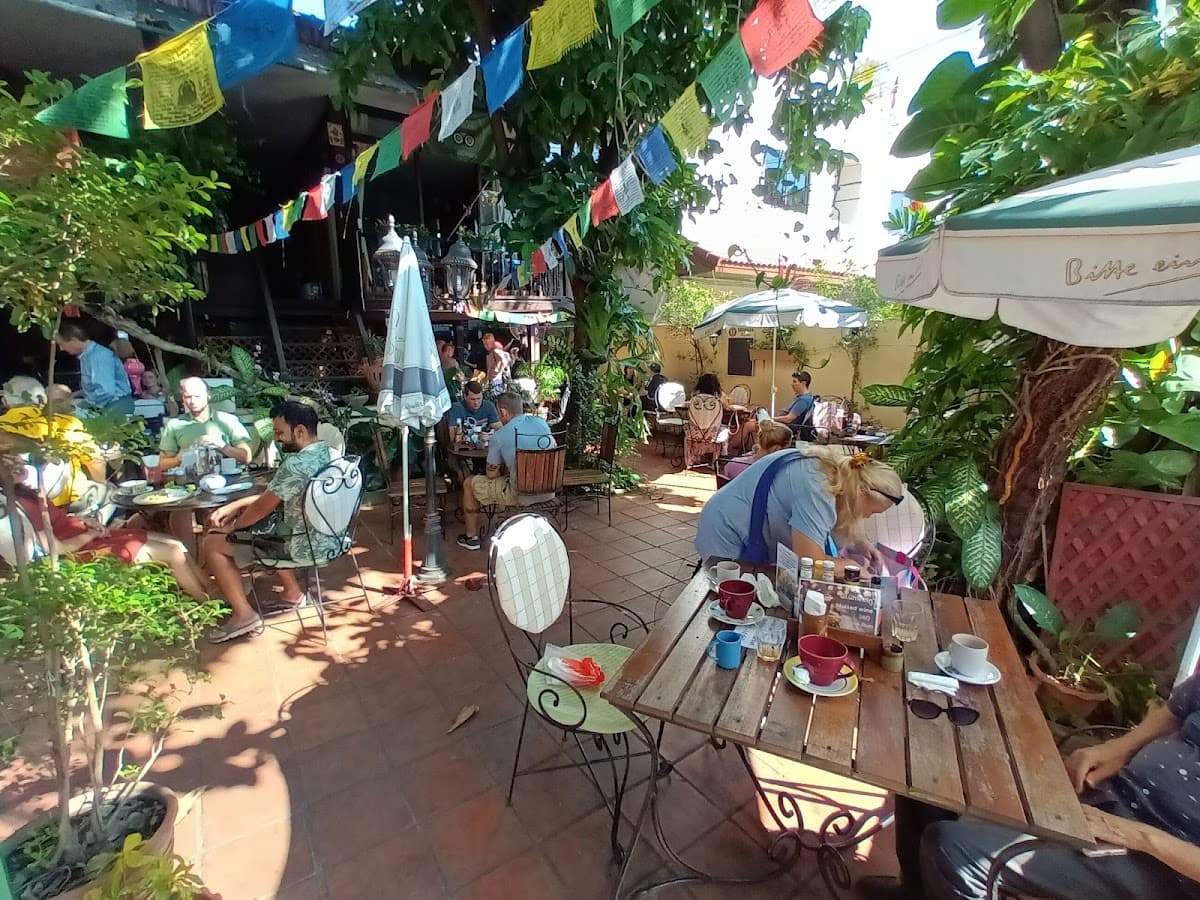
Money-Saving Tips
- 1.Eat at local markets and street stalls — a full meal costs 40-60 baht ($1.20-1.80) versus 200-300 baht at tourist restaurants
- 2.Stay in guesthouses outside city centers — prices drop by 30-50% just a few blocks from main tourist areas
- 3.Rent motorbikes from local shops instead of tourist-oriented rental places — you'll save 50-100 baht per day
- 4.Buy bus tickets directly from the station rather than through tour agencies to avoid markup fees
- 5.Shop at local markets like Warorot Market in Chiang Mai for souvenirs — prices are 60-70% less than Night Bazaar
- 6.Travel during shoulder seasons (April-May, September-October) when accommodation prices drop significantly
- 7.Use songthaews instead of tuk-tuks for local transport — they cost 30-40 baht versus 100-200 baht for tuk-tuks
- 8.Book elephant sanctuary visits directly rather than through tour companies to cut out middleman fees
Travel Tips
- •Download offline maps before heading to remote areas — cell coverage gets spotty in the mountains
- •Pack layers for mountain areas — temperatures can drop 15-20°C from valley floors to peaks
- •Carry cash — many hill tribe villages and rural areas don't accept cards
- •Learn basic Thai phrases beyond Bangkok Thai — northern dialects use different words for common items
- •Respect dress codes at temples — cover shoulders and knees, remove shoes before entering buildings
- •Book accommodations ahead during peak season (December-February) — popular places fill up quickly
- •Get travel insurance that covers motorbike accidents — mountain roads can be dangerous
- •Bring mosquito repellent — dengue fever occurs year-round in Northern Thailand
- •Carry toilet paper and hand sanitizer — public restrooms often lack both
- •Negotiate prices at markets but don't haggle aggressively — it's considered rude in Northern Thai culture
Frequently Asked Questions
Explore Northern Thailand
Ready to explore Northern Thailand?
Get a personalized itinerary in seconds with Takeoff.
Free on iOS. No credit card required.