Phu Quoc Island
Culture & Context
ISLAND REINVENTING ITSELF
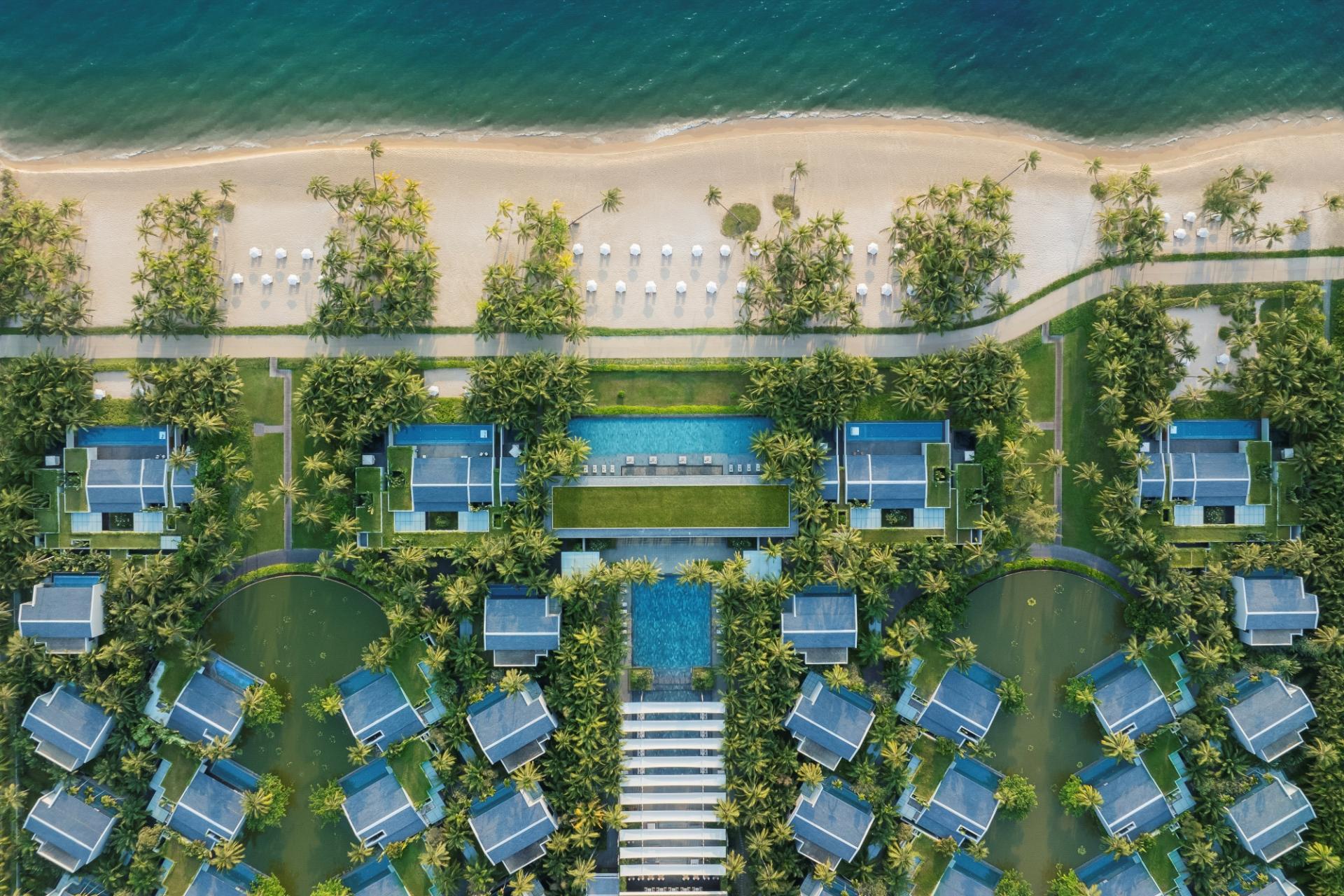
Phu Quoc sits in the Gulf of Thailand and carries two identities at once. The old one: a fishing island known for pungent fish sauce, black pepper farms, and working villages where boats come in before dawn. The new one: Vietnam's fastest-growing resort destination, complete with a Mediterranean-themed entertainment district, the world's longest sea-crossing cable car, and luxury brands from JW Marriott to Regent. Both exist on the same island, sometimes just a few kilometers apart. The tension is real and visible.
Culturally, the island reflects mainland Vietnamese values. Confucian respect for elders, strong family bonds, and Buddhist traditions all show up here. The Dinh Cau Temple overlooking Duong Dong beach is a working spiritual site where local fishermen genuinely pray before heading out to sea. The Nghinh Ong festival (Whale God honor) isn't a tourist performance. And the night market in Duong Dong is actually attended by locals, not just visitors.
Here's the thing about Phu Quoc in 2026: it welcomed 366,000 visitors during Tet alone. The infrastructure push is massive. Grand World is basically a fake Venice. Sunset Town is a fake Italy. Some parts feel like a theme park built around a real island. But head 10 minutes in any direction from the resort strips and you find the island that existed before. Pepper farms you can walk through for free. Ham Ninh fishing village on the east coast with floating seafood restaurants. Phu Quoc National Park covering about 70% of the island's interior, dense and genuinely wild. The key is choosing where to spend your time.
cultural_context_headline: PEARL ISLAND EVOLVING
Local Customs
Remove shoes before entering temples, pagodas, and many homes — look for a pile of shoes at the door as your cue.
Use both hands (or your right hand) when giving or receiving gifts, money, or important items — passing something with one hand reads as dismissive. Don't stick chopsticks upright in a bowl of rice — it looks like incense at a funeral altar and genuinely bothers locals.
Keep public displays of affection to a minimum — holding hands is fine but kissing or hugging in public is frowned upon, especially around older generations and sacred areas. When dining with locals, wait for the host to start eating or invite you to begin — diving in first is considered rude. Dress modestly at temples: cover shoulders and knees, remove hats and sunglasses inside.
The Vietnamese concept of 'saving face' is real — avoid loudly calling out mistakes or confronting someone publicly, as it causes embarrassment for everyone involved. Bargaining is expected at markets — do it with a smile, not frustration; vendors expect negotiation and won't take offense if you walk away. When toasting, Vietnamese raise glasses every time they drink rather than sipping individually — expect multiple rounds of 'mot, hai, ba, dô!
' (one, two, three, drink!).
Safety
GENERALLY SAFE, STAY SHARP
Phu Quoc is one of the safer destinations in Southeast Asia. Violent crime against tourists is essentially nonexistent. The island's economy depends heavily on tourism, which creates a real incentive to keep visitors comfortable. There's a dedicated 24/7 tourist safety rapid response team on island.
The actual risks are the predictable ones. Motorbike accidents are the biggest concern: roads can have uneven patches and loose gravel, and some rental shops use the damage-claim scam to squeeze extra cash from tourists. Inspect your bike carefully before leaving, photograph any existing damage, and always wear the helmet. Watch out for strong ocean currents and riptides, which can pick up fast. Swim in designated zones and pay attention to flags.
On the scam side, Phu Quoc has fewer issues than Hanoi or Ho Chi Minh City. The main annoyances: market vendors quoting tourist prices (negotiate politely and check a few stalls before committing), taxi drivers claiming meters are broken (just use Grab for transparent pricing), and some cheap boat tour operators who cut corners on safety equipment or skip advertised stops. Book tours through your hotel or a reputable operator, not the cheapest flyer you see on the street.
Petty theft happens occasionally in the busy night market area. Keep your phone in a zipped pocket when walking crowded streets, use the hotel safe for your passport, and don't leave valuables on the beach while swimming. One specific 2026 warning: book accommodation only through reputable platforms with clear legal information, as there have been cases of tourists arriving at guesthouses that had no room despite confirmed bookings, then getting pushed to overpriced alternatives.
Medical facilities: Vinmec International Hospital and Phu Quoc General Hospital both operate on the island. For serious issues, you may need to travel to Ho Chi Minh City.
safety_headline: VERY SAFE, STAY ALERT
Getting Around
SCOOTER ISLAND
Renting a motorbike is the smartest way to explore Phu Quoc. It costs between 80,000 and 180,000 VND per day (about $3-7 USD), gives you total flexibility, and the roads outside the main tourist corridors are genuinely enjoyable. Pick it up from your guesthouse or a rental shop in Duong Dong. Always inspect for pre-existing damage and photograph it.
Grab (the Southeast Asia ride-hailing app) works in the main areas and gives you transparent pricing without meter drama. Good for nights out in Duong Dong or short hops when you don't want to deal with parking. Traditional taxis operate too — Mai Linh is the most reliable brand — but insist on the meter.
For those who prefer not to scooter, there's a free electric VinBus shuttle that runs along Tran Hung Dao Street at 15-20 minute intervals during daylight hours, connecting Phu Quoc International Airport, Duong Dong town, and the major western coast resorts. It's genuinely useful if you're staying along Long Beach.
Getting to the island: fly in. Domestic flights from Ho Chi Minh City take about an hour and cost $30-70 USD. Direct international routes now operate from Bangkok, Seoul, Taipei, Singapore, and Kuala Lumpur. Ferries from Ha Tien or Rach Gia on the mainland are an affordable alternative ($5.75-7.66 USD one-way) with good views, but are weather-dependent — rough seas during rainy season (June-October) can delay or cancel trips.
From the airport to Duong Dong center: about 150,000 VND ($5-6 USD) by taxi or Grab. A 50,000 VND bus also runs that route if you want to save money.
transport_headline: SCOOTER & GRAB
Useful Phrases
Where to Stay in Phu Quoc Island
5 recommended properties



Explore Phu Quoc Island
BUILD YOUR
PHU QUOC ISLAND PLAN
Insider picks, smart timing, and a plan ready when you are.
Start Planning