Providenciales
Culture & Context
Providenciales — "Provo" to everyone who lives here — is a British Overseas Territory that has reinvented itself in a single generation.
Before the 1980s, it was three small fishing settlements (Blue Hills, the Bight, Five Cays) held together by subsistence farming and conch. Then Club Med opened on Grace Bay and everything changed.
Today it's the main tourism engine of the Turks and Caicos, home to roughly 48,000 people whose roots trace back to Lucayan, African, British, and Haitian Creole traditions. Christianity is woven into everyday life — pastel-painted churches dot even the most rural roads. The traditional music is ripsaw, played with a saw, accordion, and drums, sometimes paired with the Shay Shay dance.
And every year on Boxing Day and New Year's Day, Junkanoo erupts: drums, cowbells, feathered costumes, the whole spectacle rooted in African heritage and imported via the Bahamas. Conch is the unofficial mascot — cracked, fritters, salad, chowder, curried, jerked. The culture is warm and formal in equal parts.
Locals greet strangers properly. English is official, Haitian Creole and Spanish are widely spoken, and the island itself sits on Eastern Standard Time, same as New York.
Local Customs
Greet the room.
When entering a government office, shop, or any space where people are gathered, it is completely normal to say 'Good morning' or 'Morning, morning, morning' to everyone present — not just the person you're there to see. This is genuine local etiquette, not performative..
Island time is real. Within the local community, arriving 5 to 40 minutes late to a social gathering is standard. Tourism businesses (boat tours, ferries) run on actual time — don't be late for those..
Tip 15%, always. Tipping is expected across all service jobs: waitstaff, taxi drivers, boat crews. Hotels and hotel restaurants are required by law to add a 10% Service Charge to bills — that's a government-mandated employee benefit, not your personal gratuity.
Check your bill before adding more. For boat charters, $10–20 per person is the norm for shared cruises.. No beachwear in supermarkets.
Some businesses, including the main grocery stores, explicitly prohibit swimwear as acceptable attire. Cover up before shopping.. Don't call it 'the Turks.
' The country is called TCI, Turks and Caicos, or the Turks and Caicos Islands. Shortening it to 'the Turks' is considered dismissive and mildly offensive by locals.. Don't feed the iguanas.
The endemic rock iguanas are protected, and feeding them disrupts their behavior. Locals and conservation groups take this seriously.. Dress code is casual but not sloppy.
Most restaurants, including fine dining, require only smart-casual attire — no suit required. But showing up to a nice dinner in sandy board shorts will get you side-eyed.. Ask before photographing people.
It is considered polite to ask permission before pointing a camera at locals, especially in residential communities like Blue Hills.
Safety
The U.S.
State Department rates TCI at Level 2: Exercise Increased Caution, a designation it has held since 2023.
The good news: the government reported a 43.5% drop in murders and zero murders in January 2026 for the first time since 2019. The realistic picture: most crime concentrates in residential neighborhoods — Five Cays, Dockyard, Kew Town, and Little Kingston — not on the resort strip.
Gang-related gun violence exists and tourists can be in the wrong place at the wrong time, though direct targeting is rare. Rental villas in isolated areas are the most common scene for armed robbery; resort stays or gated villa communities carry considerably less risk. Petty theft from unattended beach bags and unlocked vehicles is more common than violent crime.
A few non-negotiable rules: never leave valuables on the beach, always agree on a taxi fare before you get in, avoid unmarked "jitney" taxis (drivers have committed assaults), don't use ATMs at night, and stay in lit, populated areas after dark. And critically — check your luggage before flying in. A minimum 12-year custodial sentence applies for bringing in any firearm or ammunition, including a forgotten bullet from a hunting trip back home.
Several Americans have been arrested for exactly this. Road safety is poor: driving is on the left, speed limits are 20 mph in towns, and livestock wander onto roads at night. Emergency number is 911.
Response times are slower than North America or Europe.
Getting Around
Provo has zero public transportation.
No buses, no metro, no Uber, no Lyft. The island is about 15 miles end-to-end and entirely car-dependent — Grace Bay alone is a 9-mile drive from Chalk Sound.
Renting a car is the practical move for most visitors. Local company Grace Bay Car Rentals gets good reviews; most international credit cards with rental coverage work fine. Remember: drive on the left, roundabout rules apply, and road enforcement is almost nonexistent — which somehow makes it more dangerous, not less.
Taxis exist and operate on fixed fares (confirm before you get in, cash only for many drivers). "Conch cabs" operate on Providenciales similarly to taxis. Luxury SUV car services have become popular and can be competitive on price when splitting among three or more people.
The airport (PLS) is centrally located, about a 20-minute drive from Grace Bay Beach. Domestic flights connect Provo to Grand Turk, South Caicos, North Caicos, and other islands. Ferries also serve some inter-island routes.
For boat tours and water activities, Turtle Cove Marina and Blue Haven Marina are the two main departure points.
Useful Phrases
Where to Stay in Providenciales
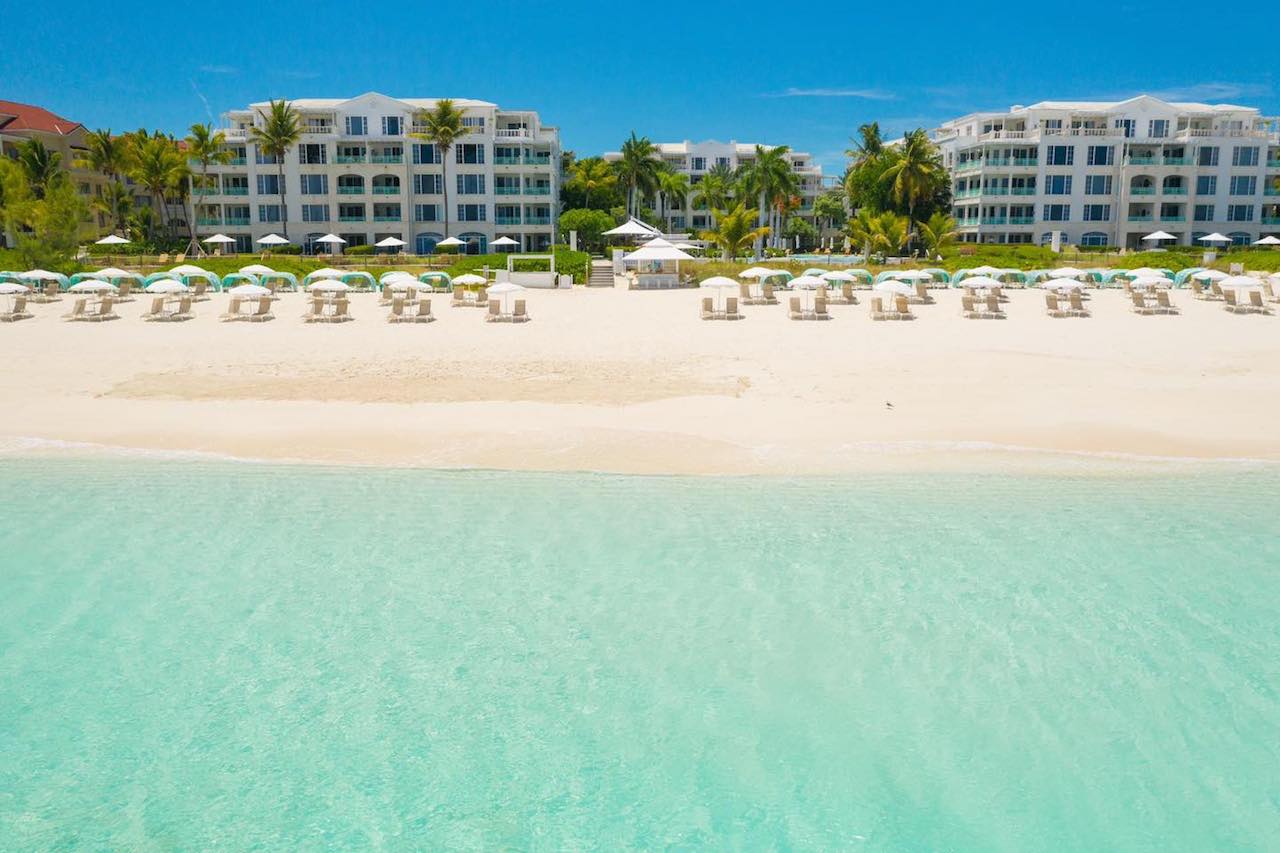
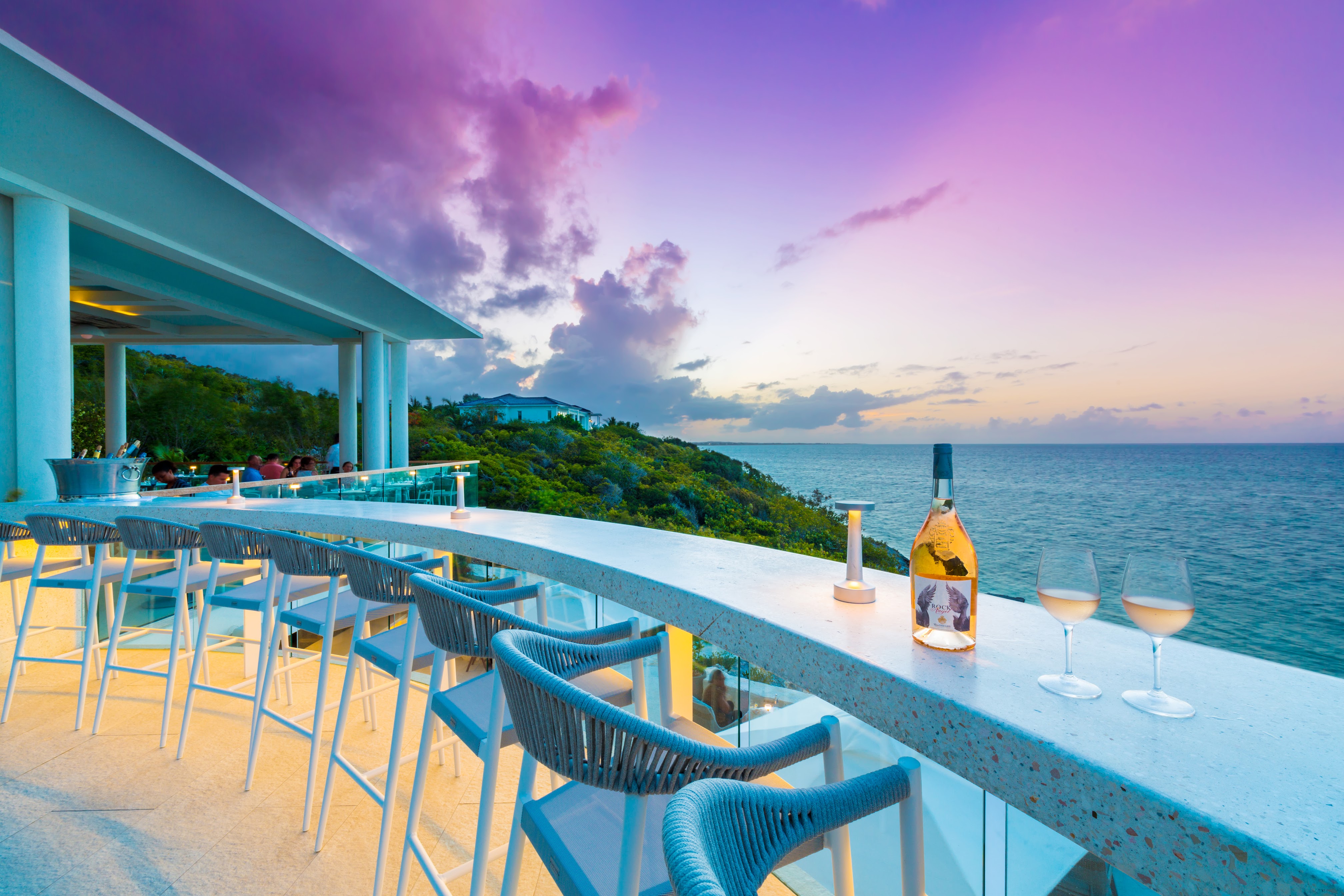
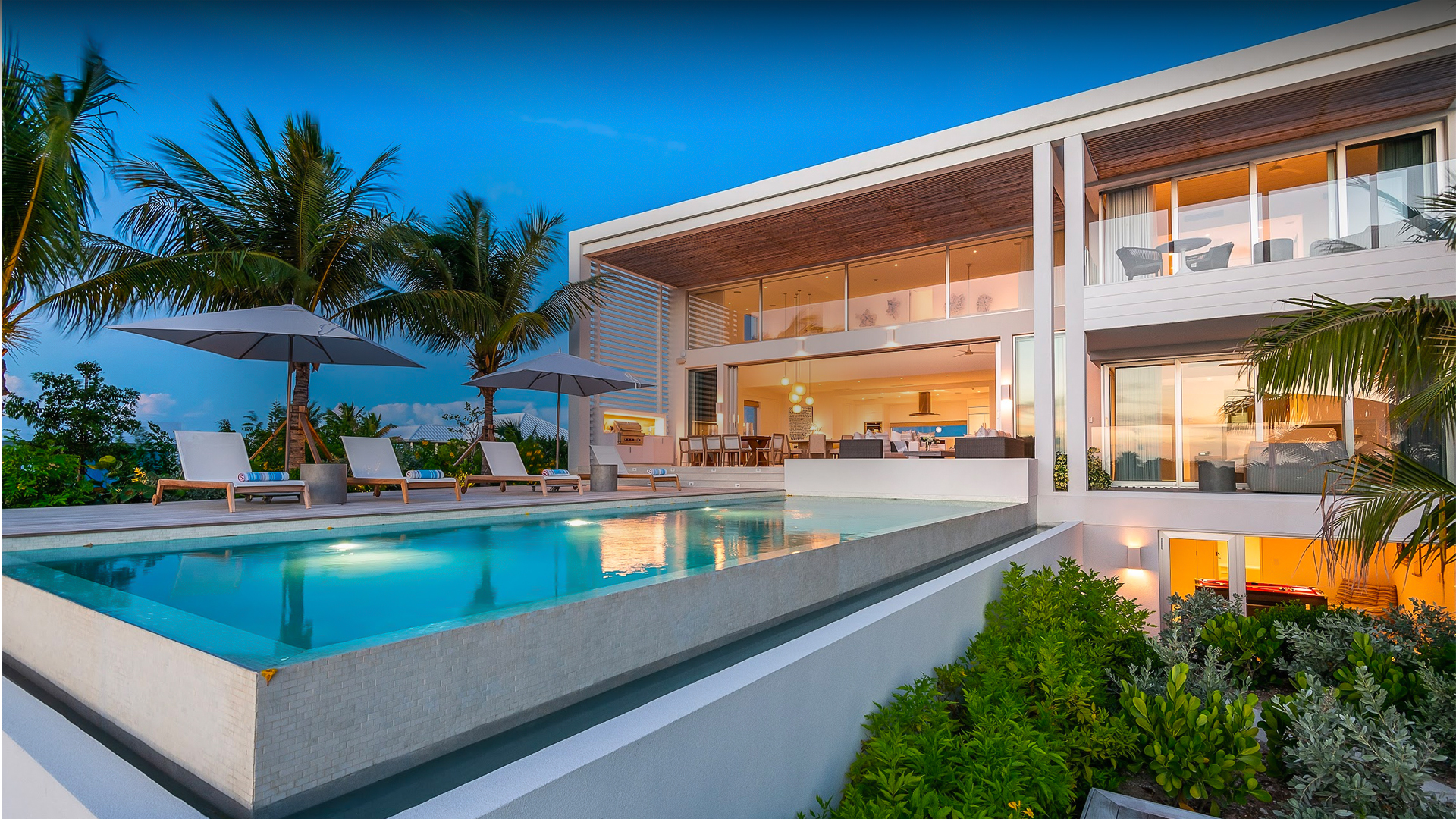
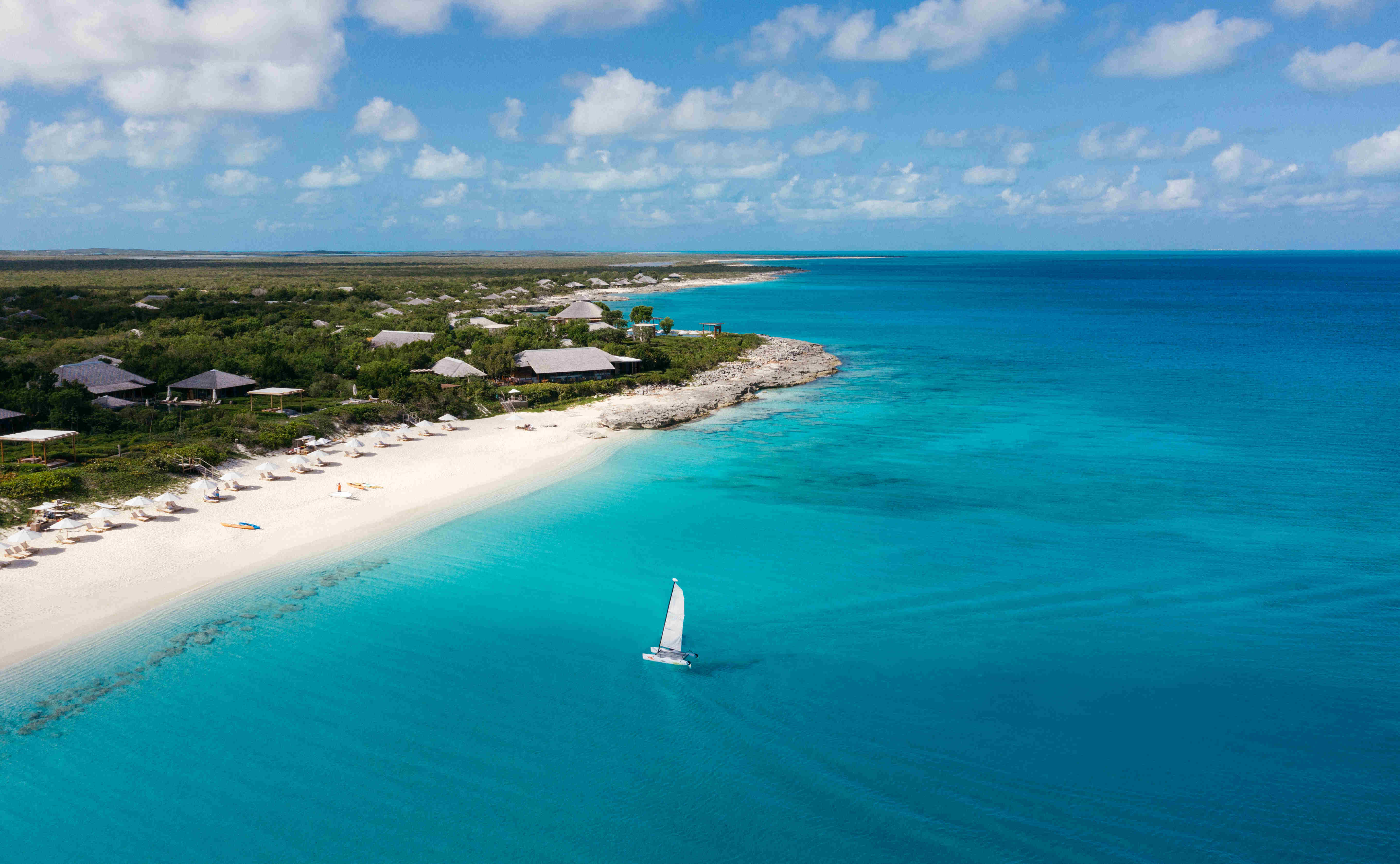
5 recommended properties
Explore Providenciales
BUILD YOUR
PROVIDENCIALES PLAN
Insider picks, smart timing, and a plan ready when you are.
Start Planning