San Francisco Bay Area
Innovation capital where tech culture meets diverse communities
The San Francisco Bay Area isn't just one city — it's a constellation of distinct communities connected by bridges, BART trains, and a shared obsession with sourdough bread. Here's where tech billionaires grab burritos next to artists, where you can hike redwood forests in the morning and catch world-class theater at night. The fog rolls in like clockwork, the hills will destroy your calves, and the rent prices might make you weep. But there's nowhere quite like it.
Culture & Context
TECH MONEY, WORKING-CLASS SOUL
San Francisco runs on a few unspoken rules. The tech industry floods the economy with money, which explains why a breakfast burrito costs $18 and nobody blinks. But the city's older working-class soul — especially in the Mission and Chinatown — still pushes back against that tide.
The fog is not just weather. Locals have named it Karl, track it on social media, and treat it as a personality. Summer here is cold and gray, and tourists in shorts look confused by late June.
The actual warm season is September and October, when the rest of the country thinks summer is over. The LGBTQ+ community has shaped the Castro and the city's political identity for decades. That history is taken seriously here, not used as a backdrop for brunch.
Environmental consciousness is baked in — bring a reusable bag, expect to pay for paper ones, and don't be surprised when a restaurant doesn't offer plastic straws. The city is 47 square miles, which sounds small, but the hills make it feel much bigger on foot.
Local Customs
TIP 18-20%
Tipping is not optional. Budget 18–20% at sit-down restaurants, 15% for cabs and rideshares, $3–5 per night for hotel housekeeping. The digital payment screens now default to 18–22% — you can choose 'custom' and calculate your own..
Restaurants add a 4–6% healthcare surcharge to your bill by law. It's not a tip. Don't count it as one..
Never leave anything visible in a parked car — not a bag, not a jacket, not a phone charger. Car break-ins are the city's most common crime against tourists, and thieves move fast.. Don't call it 'San Fran.
' Locals use 'SF' or 'The City.' 'Frisco' is divisive — fine in some circles, grating in others. 'San Fran' just marks you as someone who's never been..
Recreational marijuana is legal for adults 21 and over. Consumption in public is technically prohibited but enforcement is uneven.. The fog burns off around noon most days in summer and comes back by 3 or 4 pm.
Plan outdoor activities accordingly, and always carry a layer.. San Franciscans are casually progressive. Dress codes barely exist.
Jeans are acceptable nearly everywhere.. Offer your seat on Muni or BART to elderly, pregnant, or disabled riders — it's considered basic courtesy here.. Bookings matter.
Popular restaurants fill up weeks out. State Bird Provisions, Liholiho Yacht Club, and similar spots require reservations well in advance. Walk-ins work at taquerias and noodle spots..
Alcatraz books out 2–3 months ahead during summer. Do it immediately after you confirm your travel dates.
Safety
WATCH YOUR CAR
The honest picture: San Francisco is not as dangerous as its reputation suggests, but it has specific risks worth knowing. Crime has dropped noticeably year over year. Robbery is down 24% from 2024, non-violent theft down 28%, and car break-ins down 44%.
That said, car break-ins remain the top threat to tourists. Never leave anything visible in your car — not a bag, jacket, or even a phone charger. Thieves target rental cars in tourist areas specifically, and they work fast.
Tourist zones — Fisherman's Wharf, the Marina, North Beach, Chinatown, and Golden Gate Park — are generally safe during the day and have regular police presence. Union Square is fine for shopping, but the Tenderloin starts one block west of it, and that's a different situation entirely. Avoid walking alone in the Tenderloin at night.
The same goes for parts of SoMa after midnight. Property crime is the real issue here, not violent crime. Violent crime against visitors is uncommon.
Use basic urban instincts: keep your phone in your pocket on the Muni, don't wear expensive jewelry in unfamiliar neighborhoods, and be aware of your surroundings on BART late at night. San Francisco beaches have strong riptides — don't swim at Ocean Beach or Baker Beach unless you know what you're doing.
Getting Around
SKIP THE CAR
Skip the rental car. Parking runs up to $75/day downtown, the hills are brutal for parallel parking, and the transit system is legitimately good. Here's how it works.
Muni is the city's bus, streetcar, and metro network. A single ride costs $2.97.
A day pass is under $6. The Muni Visitor Passport gets you unlimited rides for 1 day ($14), 3 days ($28), or 7 days ($44), and it covers cable cars too. Buy it through the MuniMobile app or at a Clipper card kiosk.
You can also just tap your credit or debit card directly on the reader when you board — Visa, Mastercard, Amex, Apple Pay, and Google Pay all work. BART is the regional rail that runs through downtown on the Market Street Subway. From SFO airport to downtown, it costs about $11 and takes 30–45 minutes.
Powell Street Station is the most central stop. Heads up: BART is doing train control modernization work through summer 2026, with 30-minute delays on some Sunday–Thursday nights between Millbrae and SFO after 9pm. Plan around that if you're catching a late flight.
Cable cars cost $9 per ride and run on three lines (Powell-Hyde, Powell-Mason, and California Street). They're not the fastest way to get anywhere, but riding the Powell-Hyde line to the top of the hills and back is worth doing once. The F-Line historic streetcar runs along Market Street down to Fisherman's Wharf daily.
Waymo self-driving taxis now operate across the city and are a legitimate option for getting around. For the Presidio specifically, the PresidiGo Shuttle is free and runs seven days a week.
Useful Phrases
Explore Cities
Explore the Region
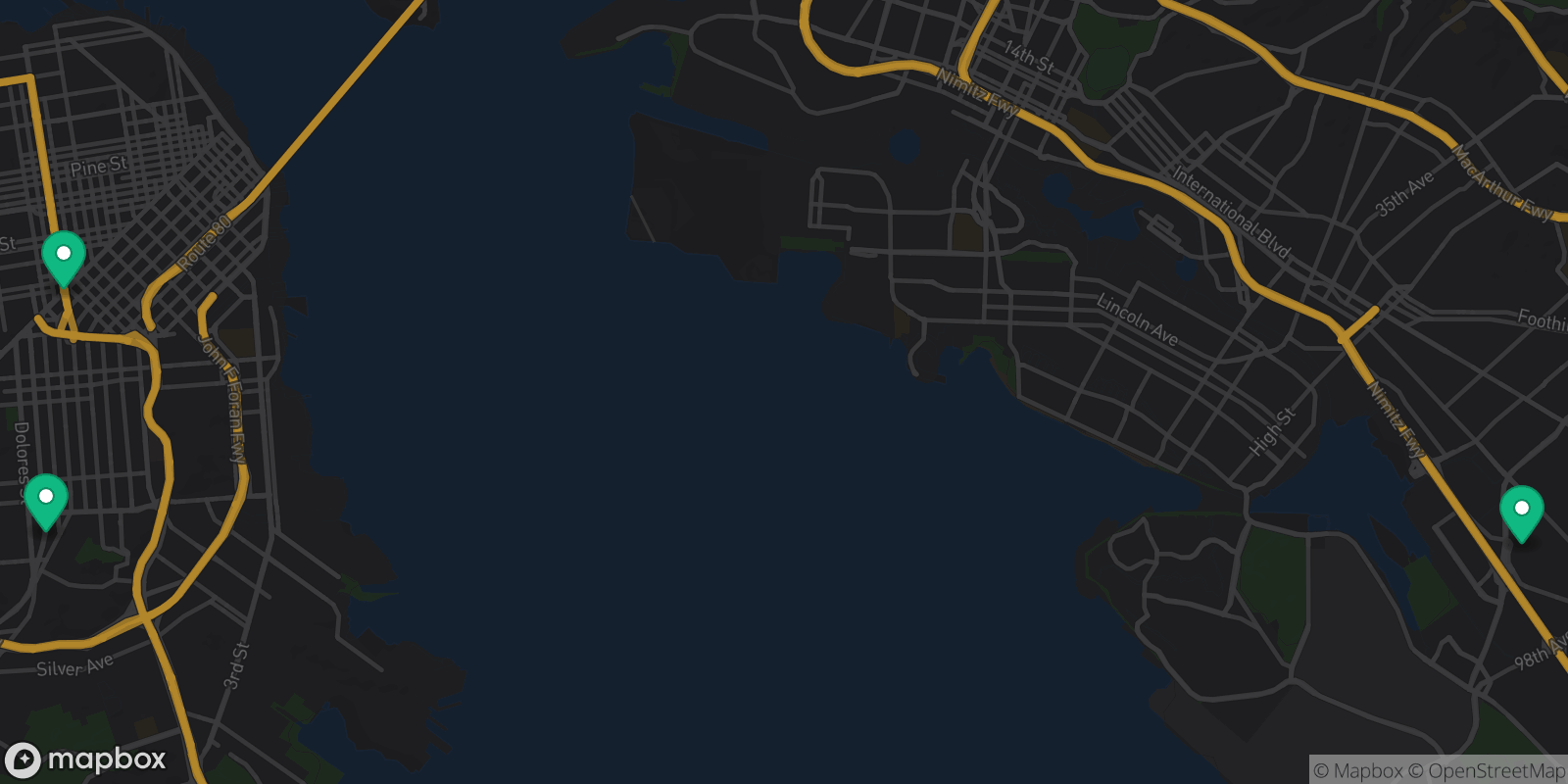
San Francisco Bay Area Itineraries
View all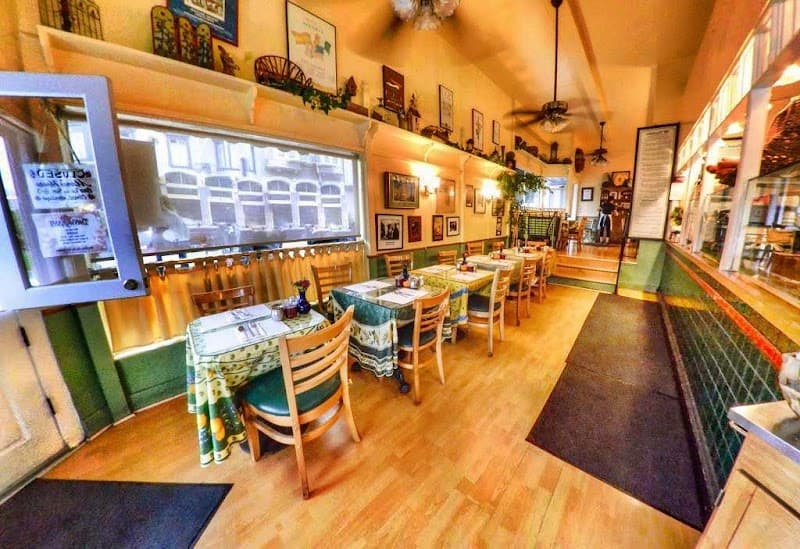
San Francisco Culture, Comfort, and Classic Neighborhoods
Weekend · $$$
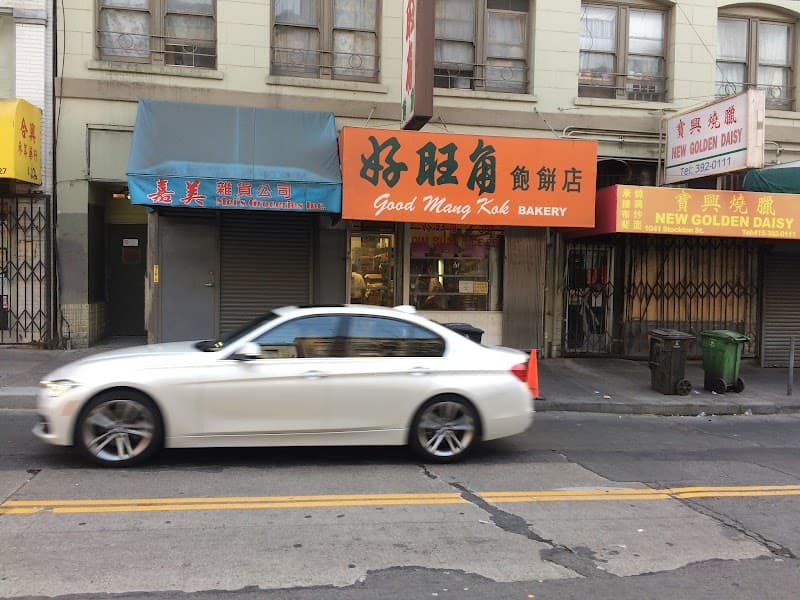
Fog, Facades & Flavors: Two Days in SF’s Heart
Weekend · $$$
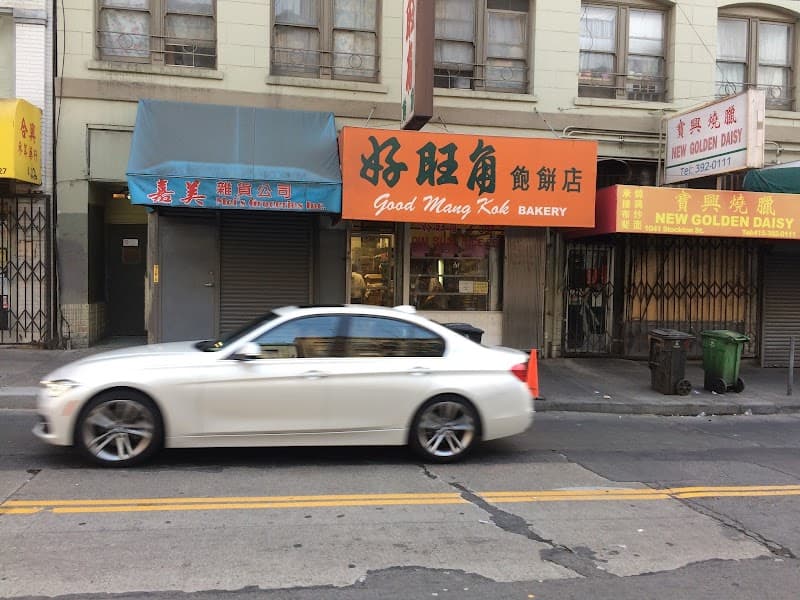
Fog, Faith & Waterfront Views: SF in a Day
Weekend · $$$
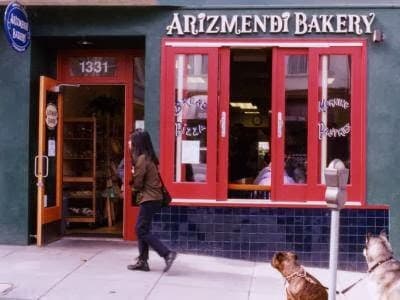
Fog, Hills & Hidden Corners: A Shoestring SF Adventure
Weekend · $
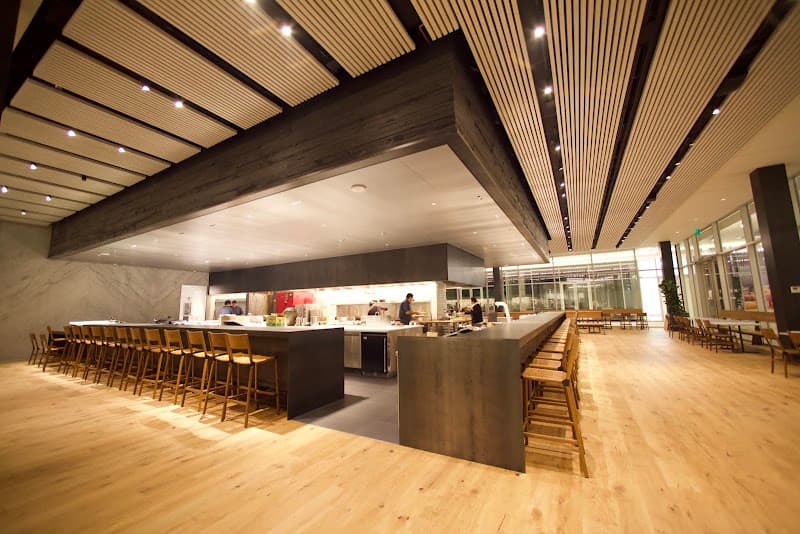
SF Family Highlights: History, Food, Art, and Parks
Weekend · $$$
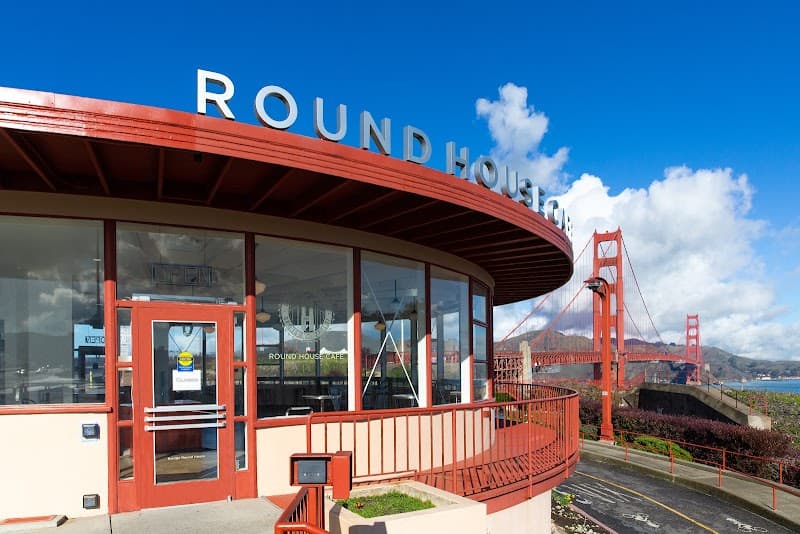
Fog, Food & Bay Views: A Budget-Friendly SF Weekend
Weekend · $$
Money-Saving Tips
- 1.BART day passes cost $25 but save money versus individual rides if you're covering multiple cities
- 2.Happy hour runs 4-6 PM at most bars — Mission District spots offer $2 off craft cocktails
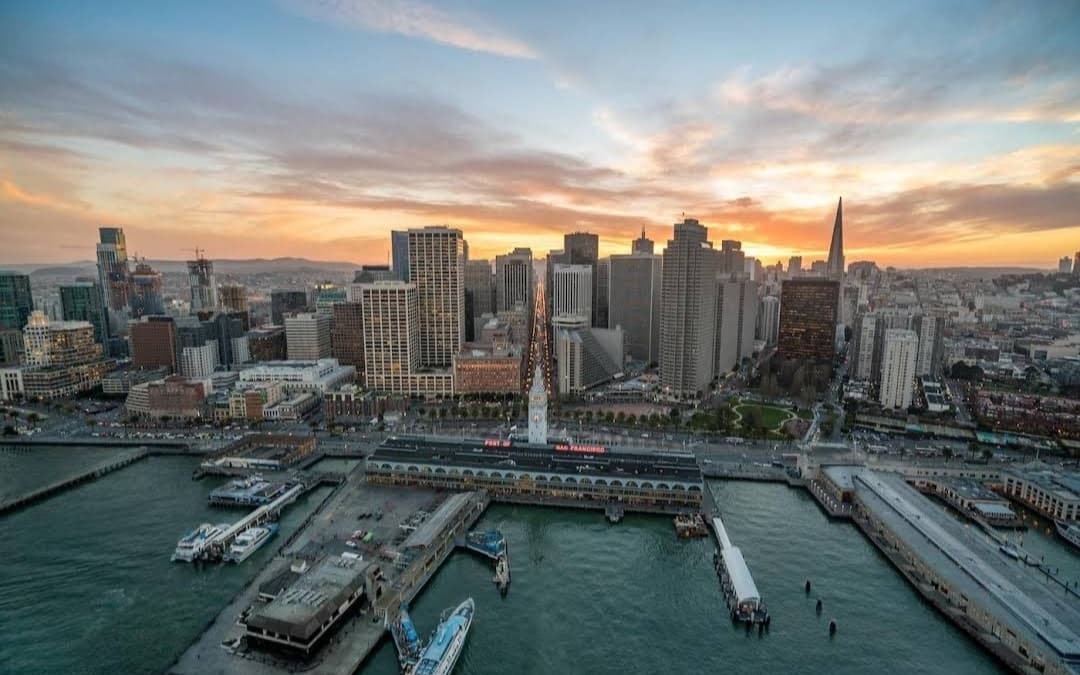
- 3.Ferry Building samples are free and filling — make lunch from cheese and bread tastings
- 4.Street parking is free on Sundays in most neighborhoods, saving $20+ in garage fees
- 5.Many museums offer free first Tuesday or Thursday programs for residents and visitors
- 6.Grocery shop at Trader Joe's or Safeway instead of corner stores — prices drop by 30-40%
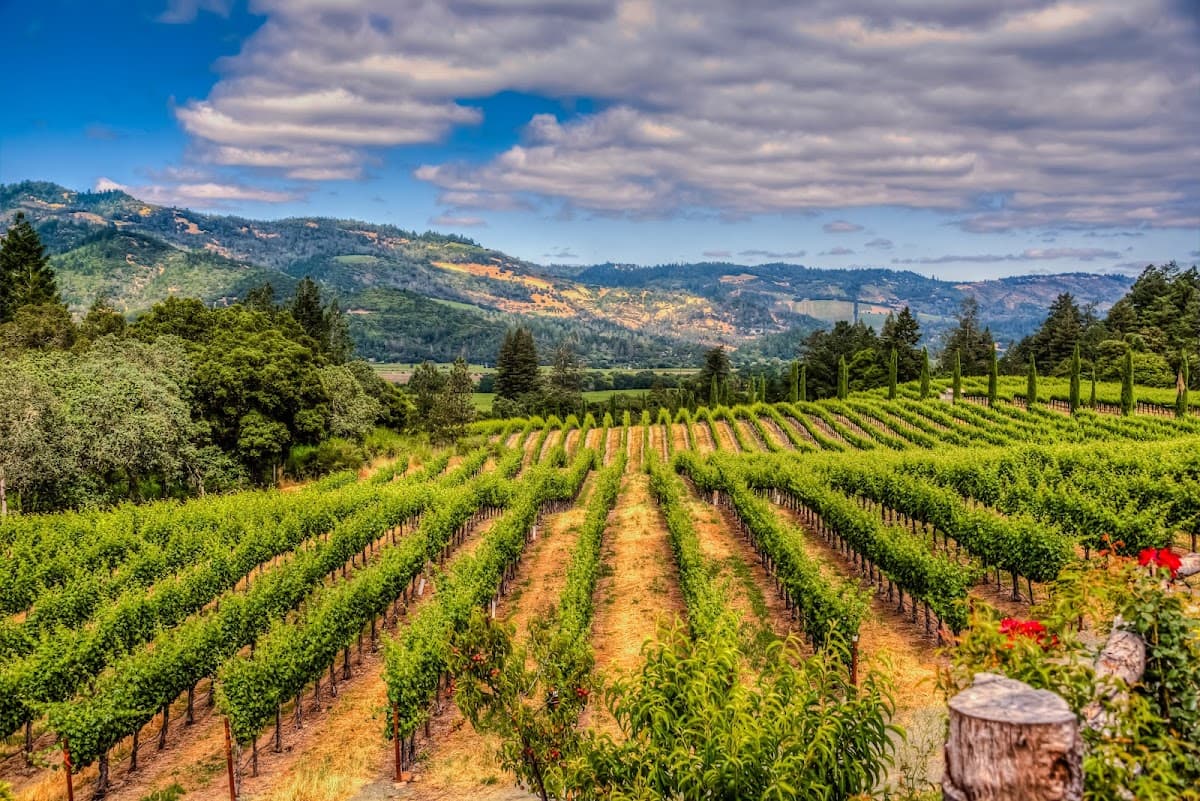
- 7.Book Napa tastings directly through wineries to avoid tour company markups of $50+ per person
Travel Tips
- •Download the Citymapper app — it's more accurate than Google Maps for public transit timing
- •Always carry layers — microclimates mean 20°F temperature swings between neighborhoods
- •Book restaurant reservations 2-3 weeks ahead, especially for weekend dinner spots
- •Avoid driving in Chinatown and North Beach — streets are narrow and parking is nonexistent
- •The Powell-Hyde cable car line offers better views than Powell-Mason but longer waits
- •Farmers markets happen year-round — Ferry Plaza Saturday mornings, Alemany Tuesday/Saturday
- •Golden Gate Park is larger than Central Park — rent bikes at the entrance to cover more ground
Frequently Asked Questions
BUILD YOUR
SAN FRANCISCO BAY AREA PLAN
Insider picks, smart timing, and a plan ready when you are.
Start Planning