South Korea in August
Not the best time
August isn't ideal for South Korea. Consider a different month.
All Months
Spring arrives in waves across Korea, starting with cherry blossoms in Jeju in late March and moving north to Seoul by mid-April. The crowds at Yeouido Park and Jinhae can be overwhelming, but the two-week bloom period transforms the entire country. Temperatures hover around 15-20°C, perfect for walking Bukchon's hanok villages without breaking a sweat.
Summer brings monsoon rains and humidity that makes Bangkok feel dry. July and August see temperatures climb past 35°C with 80% humidity. But this is also festival season — Boryeong Mud Festival and Seoul International Fireworks Festival happen when the weather cooperates. Air conditioning is everywhere, and cold noodle dishes like naengmyeon become the city's salvation.
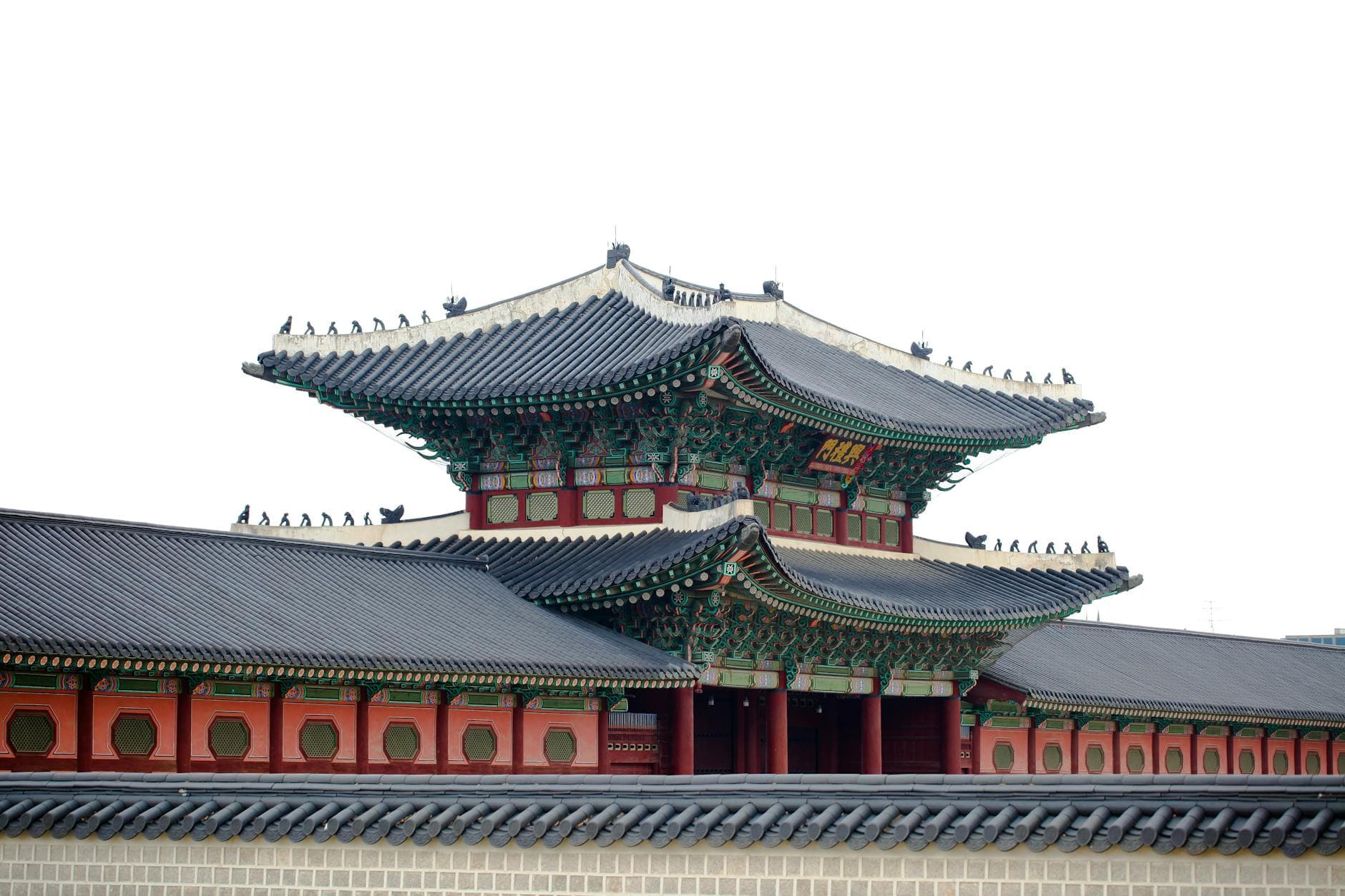
Fall might be Korea's secret season. September through November offers clear skies, comfortable temperatures, and autumn foliage that rivals New England. Seoraksan National Park explodes in reds and golds, while Seoul's palaces frame perfectly for photos. Hotel rates drop after summer crowds leave, and restaurant patios reopen after the humid months.
Winter transforms Korea into a different country entirely. Ski resorts like Yongpyong host world-class slopes, while Seoul's Christmas markets pop up in Myeongdong and Hongdae. Temperatures drop to -10°C, but ondol (underfloor heating) keeps traditional buildings cozy. This is soup season — hot bowls of gamjatang and kimchi jjigae taste even better when snow covers the city.
Avoid Golden Week in early May and Chuseok (Korean Thanksgiving) in September or October. Domestic tourism spikes, hotel prices double, and transportation gets chaotic as families travel to ancestral hometowns.
South Korea Scores
Solo
9/10
Couples
7/10
Families
8/10
Adventure
6/10
Budget
6/10
Luxury
7/10
BUILD YOUR SOUTH KOREA PLAN
Insider picks, smart timing, and a plan ready when you are.