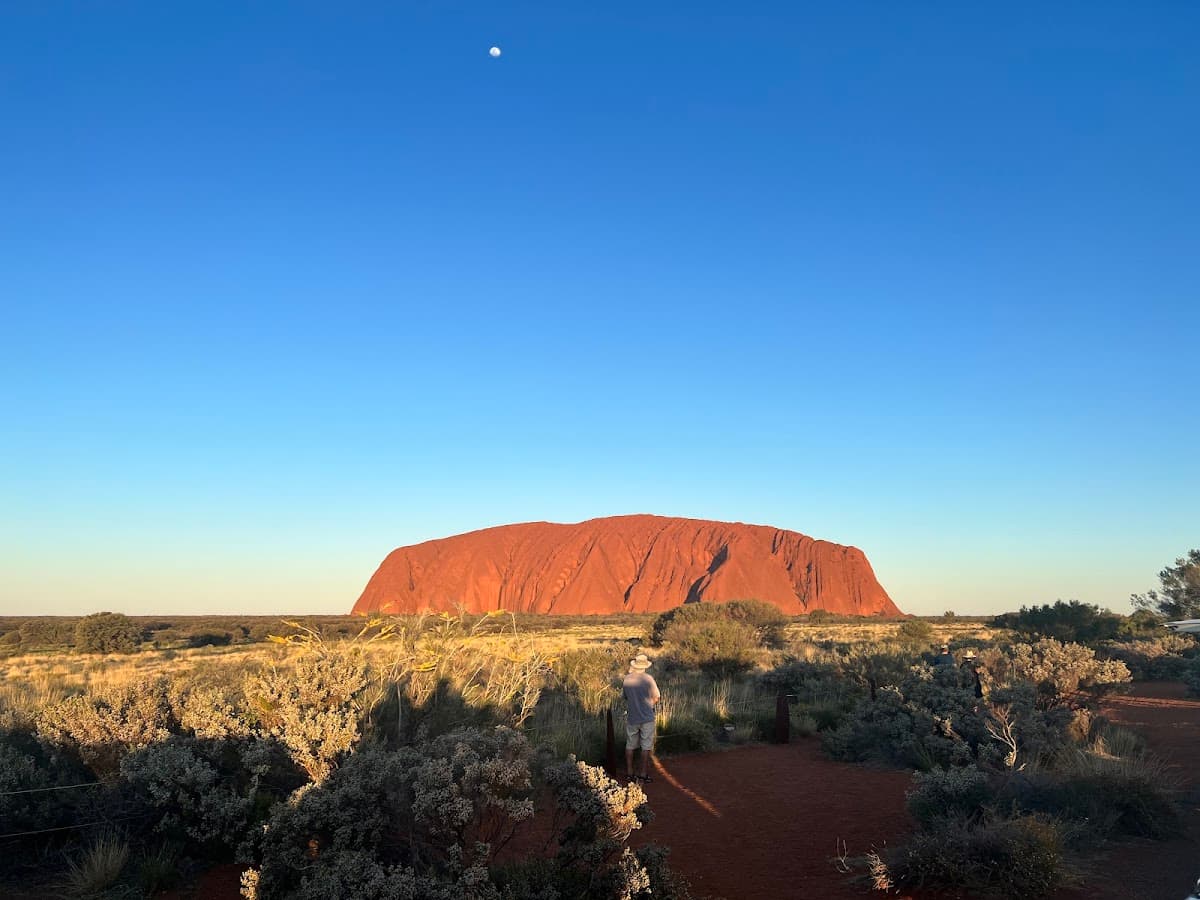
Uluru in February
Not the best time
February isn't ideal for Uluru. Consider a different month.
Weather
°C high°C low rain days
Crowds & Cost
crowds
~$/day average
All Months
April through September offers the sweet spot for Uluru visits. Daytime temperatures hover between 20-25°C, perfect for hiking the base walk or exploring Kata Tjuta. Nights can drop to 5°C in winter, so pack layers.
May and August see the biggest crowds, especially around school holidays. Book accommodation months ahead for these periods. June and July offer cooler weather but also the highest prices - expect to pay 40% more than shoulder season rates.
April and September give you the best balance of good weather and manageable crowds. The desert wildflowers bloom after rare rains, usually between April and June, transforming the red landscape with splashes of color.
Summer (December-February) brings brutal heat. Daytime temperatures regularly exceed 40°C, and some walking trails close for safety. But here's the upside: accommodation costs drop by half, and you'll have many sites to yourself. Early morning and late afternoon activities remain comfortable.
The traditional owners prefer visitors avoid climbing seasons during significant cultural periods, though climbing has been banned since 2019 anyway. The Anangu calendar recognizes six seasons based on weather patterns and food availability, each offering different experiences.
Rainfall averages just 307mm annually, so pack for dry conditions year-round. But when rare storms hit, usually between November and March, the desert comes alive with an explosion of plant and animal life you won't see in dry periods.
Uluru Scores
Solo
8/10
Couples
8/10
Families
7/10
Adventure
7/10
Budget
5/10
Luxury
7/10
BUILD YOUR ULURU PLAN
Insider picks, smart timing, and a plan ready when you are.