Alacati
Culture & Context
WINDSURF CAPITAL & STONE VILLAGE
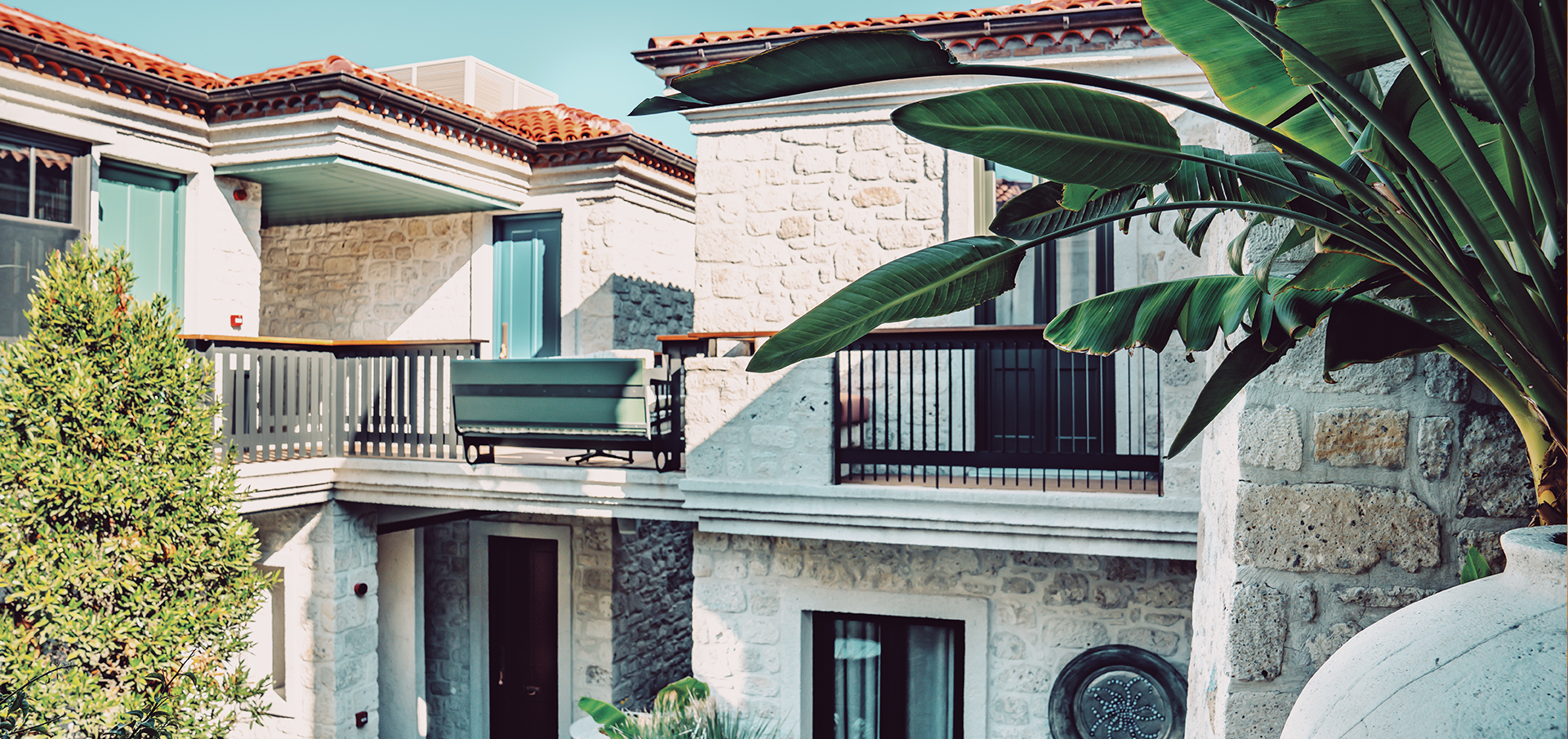
Alaçatı sits on the Çeşme Peninsula about 80km west of İzmir, and it carries two very different identities in one very small place. The old town — all 19th-century stone houses with lilac-painted cumba bay windows and cobblestone lanes draped in bougainvillea — was built by Greek settlers and survived the 1923 population exchange intact. Turkish families from Crete and the Balkans moved in, kept the architecture, added their own food traditions, and the hybrid that emerged is genuinely unlike anywhere else in Turkey. The town was declared a protected historical site in 2005, which is why it still looks the way it does.
The second identity is the windsurfing bay. Port Alaçatı, designed by French architect François Spoerry, sits at the edge of a shallow U-shaped gulf where the meltemi blows consistently from the north from April through October. PWA (Professional Windsurfers Association) racers have nicknamed it "the Slalom Capital of the World." In summer the bay is a riot of colored sails and kites; the town behind it fills up with an international crowd of surfers, Istanbul weekenders, and food tourists who come for the famous spring Herb Festival.
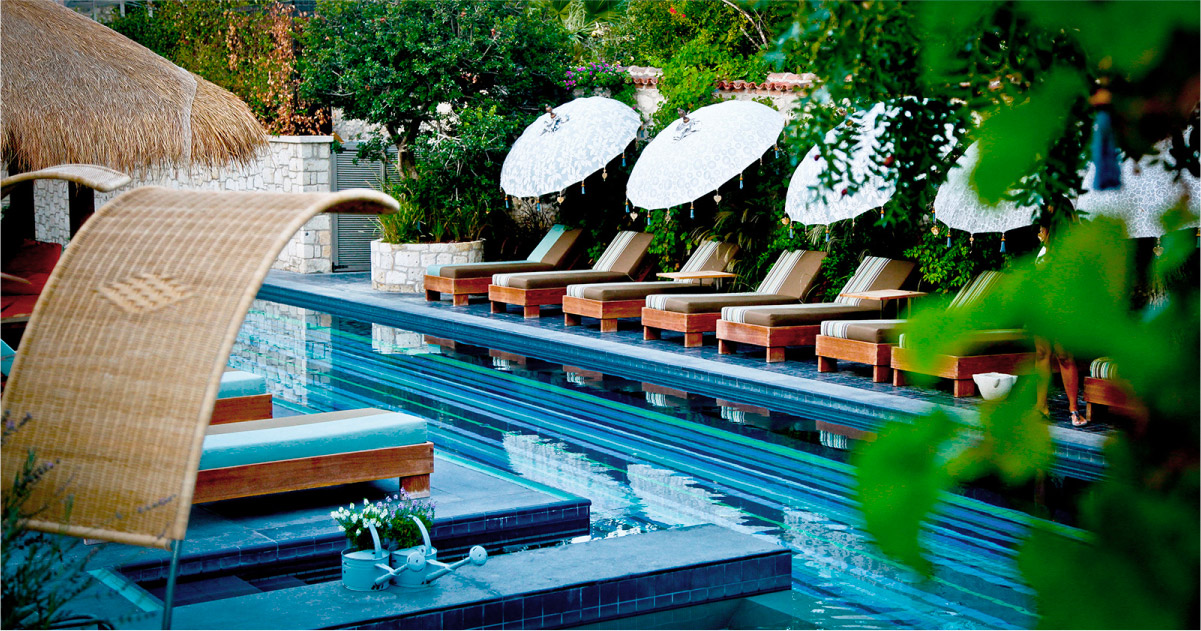
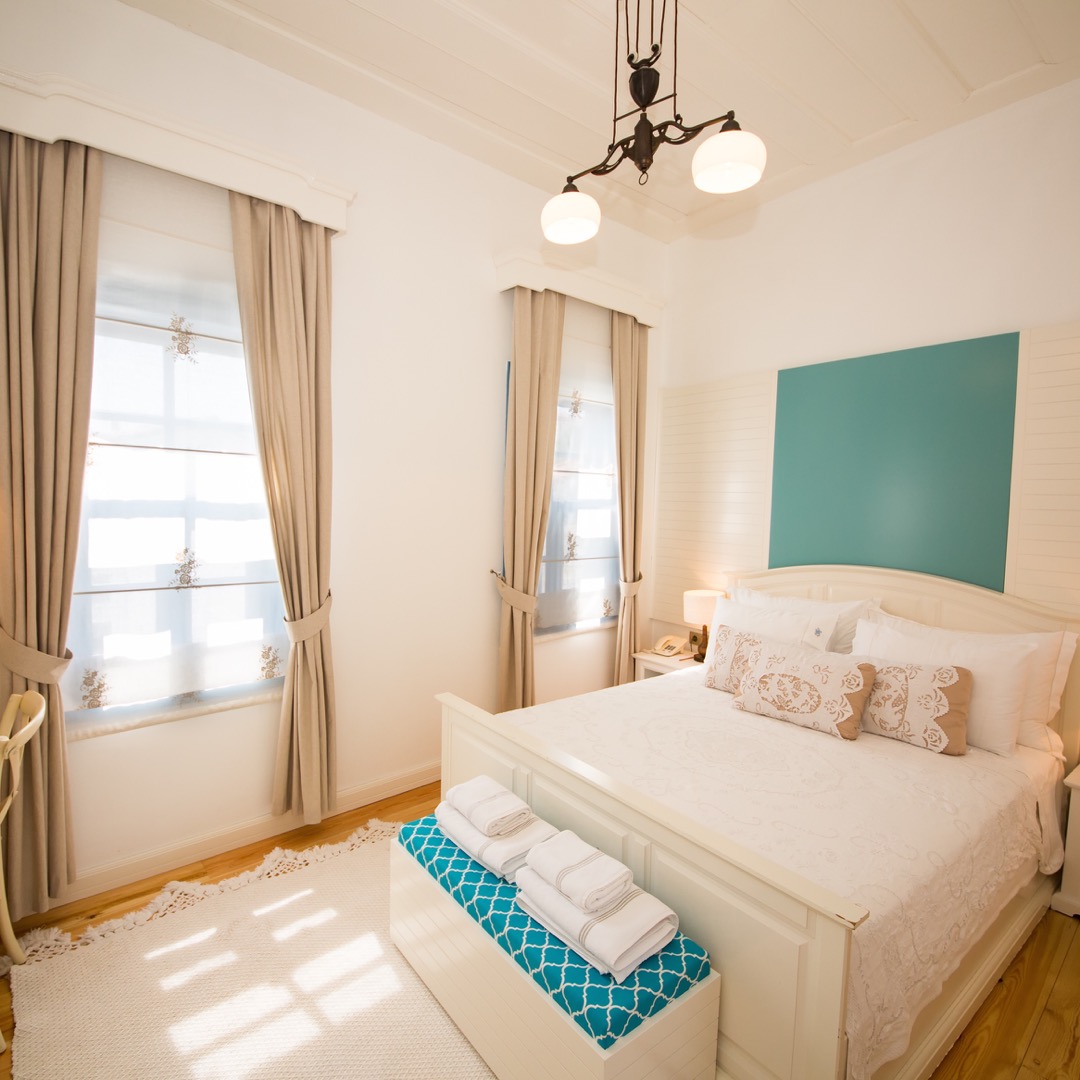
Alaçatı is more expensive than most of Turkey. It knows it, and it leans into it. Boutique hotels in restored Greek houses, avant-garde Aegean cuisine restaurants, and designer linen boutiques line every lane. But come in April or October and you can sidestep the peak-season prices while still catching the best weather.
cultural_context_headline: SURF, STONE & HERBS
Local Customs
TEA FIRST, ALWAYS
Always accept tea when offered. Çay (black tea in tulip-shaped glasses) is how locals signal welcome — refusing without a polite gesture (hand on chest, point to your watch) can read as rude. At the Saturday market or in any small shop, expect a glass before you've even finished browsing..
Say 'Afiyet olsun' (ah-FEE-yet ol-SOON) before eating — it means 'may your meal bring well-being' and waiters will say it to you first. Respond with 'Sağ ol' (thank you, casual). At the end of a meal cooked for you by a host, say 'Elinize sağlık' — literally 'health to your hands' — as a genuine compliment to the cook..
Meze dining is communal and slow. Dishes arrive when they're ready, not all at once. Turks don't rush meals.
The person who extended the invitation typically pays — splitting the bill is not standard practice. Tipping 5–10% at casual restaurants and 10–15% at finer spots is appreciated but not enforced.. Remove your shoes before entering a private Turkish home.
Hosts often provide slippers. In boutique hotels and some restaurants that have courtyard seating on rugs, follow the lead of staff at the entrance.. Dress modestly if you visit the Pazaryeri Mosque in town center.
Women should cover hair, arms, and legs. In the Çarşı itself, anything goes — it's a relaxed, cosmopolitan environment where swimwear cover-ups are the norm in summer.. Bargaining is appropriate at the Saturday market for produce and crafts, but fixed-price boutique shops (and there are many in Alaçatı) don't negotiate.
Read the vibe before you try.. Alcohol is widely available throughout Alaçatı's restaurants and bars — it's a secular resort town with a strong wine culture, partly from its Greek viticultural heritage. Local Çalkarası and Bornova Misketi wines are worth trying.
Safety
GENERALLY VERY SAFE
Alaçatı is considered one of Turkey's safer tourist destinations. Crime against visitors is rare. Normal precautions apply — watch your bag in the Saturday market and on dolmuş minibuses, and stick to well-lit streets after midnight. The US State Department rates Turkey overall at Level 2 (Exercise Increased Caution) primarily due to terrorism risk in the southeast and near the Syrian/Iraqi borders — those regions are 15+ hours from Alaçatı by road and are completely separate from the Aegean coast experience. The UK Foreign Office notes that sexual assault incidents have occurred at coastal resorts in Turkey (mostly reported at beach hotels), so solo female travelers should use standard resort-town precautions: avoid getting into unlicensed vehicles, don't leave drinks unattended in bars, and vet accommodation staff through well-reviewed properties. Demonstrations occasionally flare up in major cities like İzmir, but rarely reach the Çeşme Peninsula. Drink bottled water — tap water is safe for locals but visitors often react to it. Emergency number: 112.
safety_headline: VERY SAFE, NORMAL AWARENESS
Getting Around
WALK TOWN, TAXI TO BEACH
Alaçatı's old town (Çarşı) is entirely walkable — it takes about 20 minutes to cross it at a stroll. You don't need a vehicle there at all. But the beach (Çark Beach / Port Alaçatı surf zone) is about 2–3km from the town center, so you'll need a taxi or dolmuş to get there unless you fancy a sweaty walk in summer heat.
Getting to Alaçatı: Fly into İzmir Adnan Menderes Airport (ADB). The transfer takes 55–65 minutes by car. Rental cars are available at the terminal (Europcar, Sixt, and others are open 24 hours). The motorway uses an electronic toll system, which is usually pre-installed in hire cars. There's also the Havaş shuttle bus from İzmir Airport or İzmir Otogar (bus station).
Local transport: Dolmuş shared minibuses run between Alaçatı, Çeşme (10km away), and Ilıca. Fares are minimal — a few lira. Taxis are available but negotiate or confirm meter use before getting in. Parking in the town center is limited during peak season; there's parking near the end of the main road. For exploring the wider Çeşme Peninsula (Delikli Koy, Cleopatra Koy, vineyard tours toward Urla), a rental car is the only practical option.
transport_headline: WALKABLE TOWN, TAXI TO SURF
Useful Phrases
Where to Stay in Alacati
5 recommended properties