Astana
Futuristic Capital Rising from the Steppe
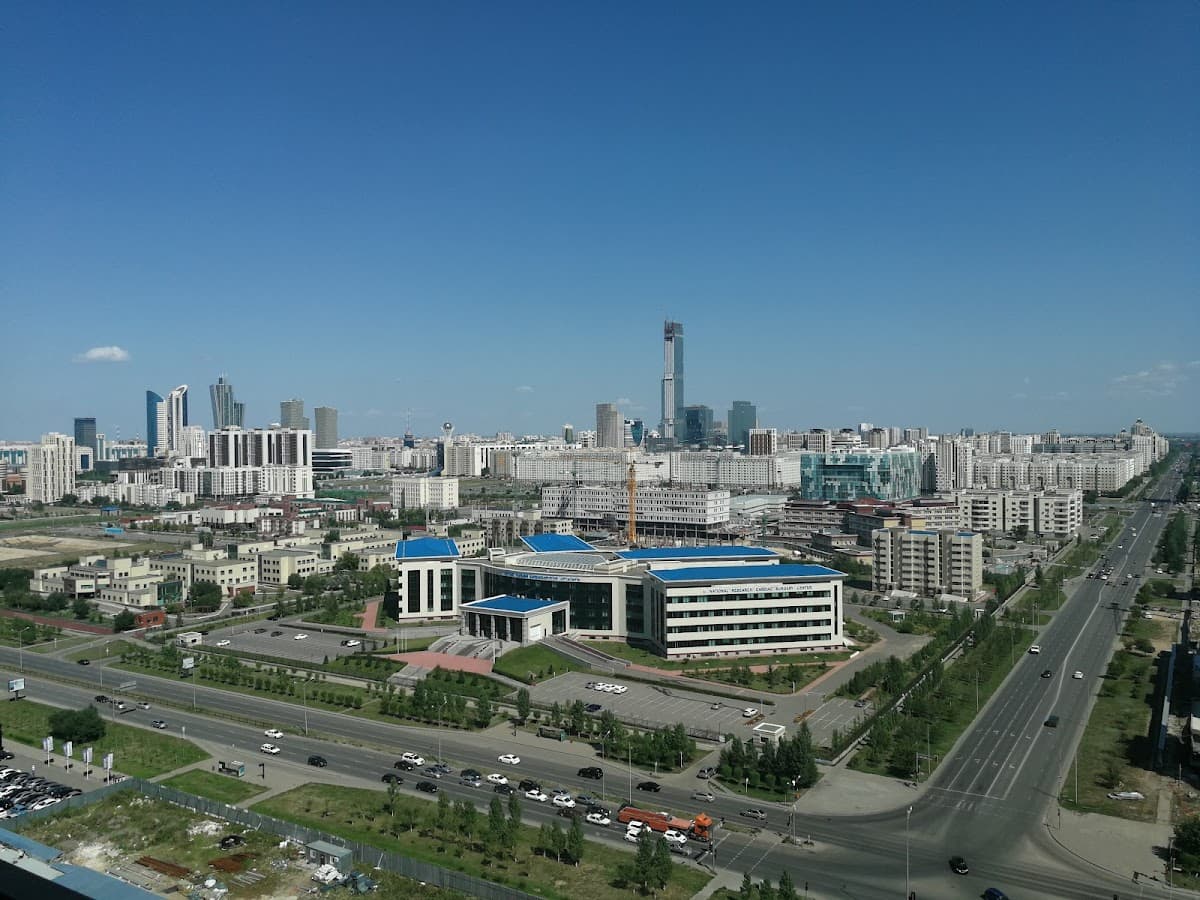
Astana hits you like stepping into a sci-fi movie set. One minute you're surrounded by endless Kazakh steppe, the next you're staring up at the golden Bayterek Tower piercing a sky full of glass pyramids and twisted skyscrapers. This is Kazakhstan's capital reimagined—a city that went from sleepy Soviet outpost to futuristic metropolis in just three decades.
The locals call it Nur-Sultan now, though everyone still says Astana. And honestly? The name confusion fits perfectly with this place that can't decide if it's trying to be Dubai, Singapore, or something entirely its own. What you get is a city where traditional Kazakh horsemen statues stand guard over shopping malls that could house small aircraft, and where you can eat horse meat sausage for lunch then sip cocktails in a bar that looks like it belongs on Mars.
Look, Astana isn't for everyone. The winters are brutal—think -30°C on a good day. The summers can hit 35°C with dust storms that make you question your life choices. But catch it during those sweet months from May to September, and you'll understand why this place is quietly becoming Central Asia's most intriguing destination.
Best Months
MAY – SEP
~23°C · moderate crowds
Culture & Context
FUTURISTIC STEPPE CHAOS
Astana is one of the world's youngest capital cities, a planned metropolis dropped almost deliberately into the flat Kazakh steppe. Kazakhstan moved its capital here from Almaty in 1997, and the city has been in a permanent state of architectural one-upmanship ever since. The Left Bank looks like a fever dream designed by five different architects who never spoke to each other.
That's not a criticism. It's genuinely fascinating. The city has also had a naming identity crisis: it was Akmola, then Astana, then briefly Nur-Sultan (2019–2022 after the first president), and is now back to Astana.
Locals are tired of explaining this. Don't bring it up unless you want a long conversation about politics. The population skews young, the vibe is ambitious, and it functions more as a government and business hub than a tourist magnet.
Which actually works in your favor. Fewer tourists means lower prices and more genuine encounters. The city sits on the Ishim River in the north of Kazakhstan, and winter here is not a joke.
Astana regularly drops to -30°C and is effectively the second coldest capital city in the world after Ulaanbaatar. Summers flip to the other extreme, pushing past 40°C. Come in May–June or September–October if you value walking outside without suffering.
Local Customs
SHOES OFF ALWAYS
Remove your shoes before entering anyone's home. This is non-negotiable and universal. Your host will point to where to leave them..
Greet the oldest person in the room first. Offer them the best seat and serve them food before others. Ignoring this reads as rude, not clueless..
If you're invited for tea, accept it. Refusing food or drink in a Kazakh home is a minor social offense. You don't have to finish everything, but take some and say 'Rakhmet'..
Bring a small gift when visiting someone's home. Flowers work well, but always in odd numbers (1, 3, 5). Even numbers are associated with funerals..
Handshakes use the right hand. With elders, place your left hand over your heart after shaking. Women may not initiate handshakes, so follow their lead..
Dress modestly at mosques: long trousers for men, covered hair and shoulders for women. Remove shoes at the entrance. Quiet and respectful behavior during prayer times..
At bazaars, bargaining is expected. Vendors price high because haggling is part of the transaction. Starting with 'Salam!
' in Kazakh before negotiating often gets you a better deal.. Tipping is not compulsory but 5–10% in restaurants is appreciated. Tipping taxi drivers is not expected, but rounding up the fare is fine..
Carry your passport at all times. Police document checks for foreigners happen, and not having your passport creates headaches.. During Nauryz (March 21–23), the city essentially shuts down normal business.
Plan around it or embrace it — it's genuinely the best time to see Kazakh culture on public display.
Safety
VERY SAFE DOWNTOWN
Astana sits at a US State Department Level 1 advisory (Exercise Normal Precautions), which is as relaxed as it gets. Violent crime against tourists is extremely rare. The real risks are more mundane.
Petty theft happens near Khan Shatyr and Keruen shopping centers, so don't leave bags unattended. Avoid taxis hailed on the street — use Yandex Go instead to get a fixed price upfront and skip the scam. Local drivers are notoriously aggressive, so cross streets carefully even at designated crossings.
The area near the old railway station and along Abylai Khan Avenue toward the Eurasian National University has a worse-than-average crime rate by local standards. Outside those zones, the city feels very safe even late at night. Police may stop foreigners for document checks, so carry your passport.
If you're staying anywhere other than a hotel (Airbnb, friend's place), your host must register you with the local migration office within five days of arrival. Hotels handle this automatically. Missing this step risks a fine at the border on departure.
Getting Around
YANDEX GO REQUIRED
Getting around Astana is straightforward. Yandex Go is the go-to ride app — rides across the city center cost $1–3 and require no Russian. Download it before you land and set up payment in advance.
Public buses are $0.18 per ride and cover almost every corner of the city, but route signs are in Kazakh and Russian only, which can make navigation frustrating on your first day. Astana International Airport (NQZ/TSE) is about 20km from the city center.
Taxi from the airport via Yandex should run around 2,000–3,000 KZT ($4–6) — avoid the fixed-rate airport taxis at the arrivals hall which charge far more. For getting between Astana and Almaty, you have two options. The overnight train takes 12–14 hours and costs $20–40.
It's scenic, social, and a genuine cross-steppe experience. Domestic flights take just over an hour and start at $30–70 on FlyArystan. The Left Bank's spread-out layout means taxis beat walking for many landmark-to-landmark trips.
In summer the riverside paths are pleasant. In winter, nobody walks anywhere by choice.
Useful Phrases
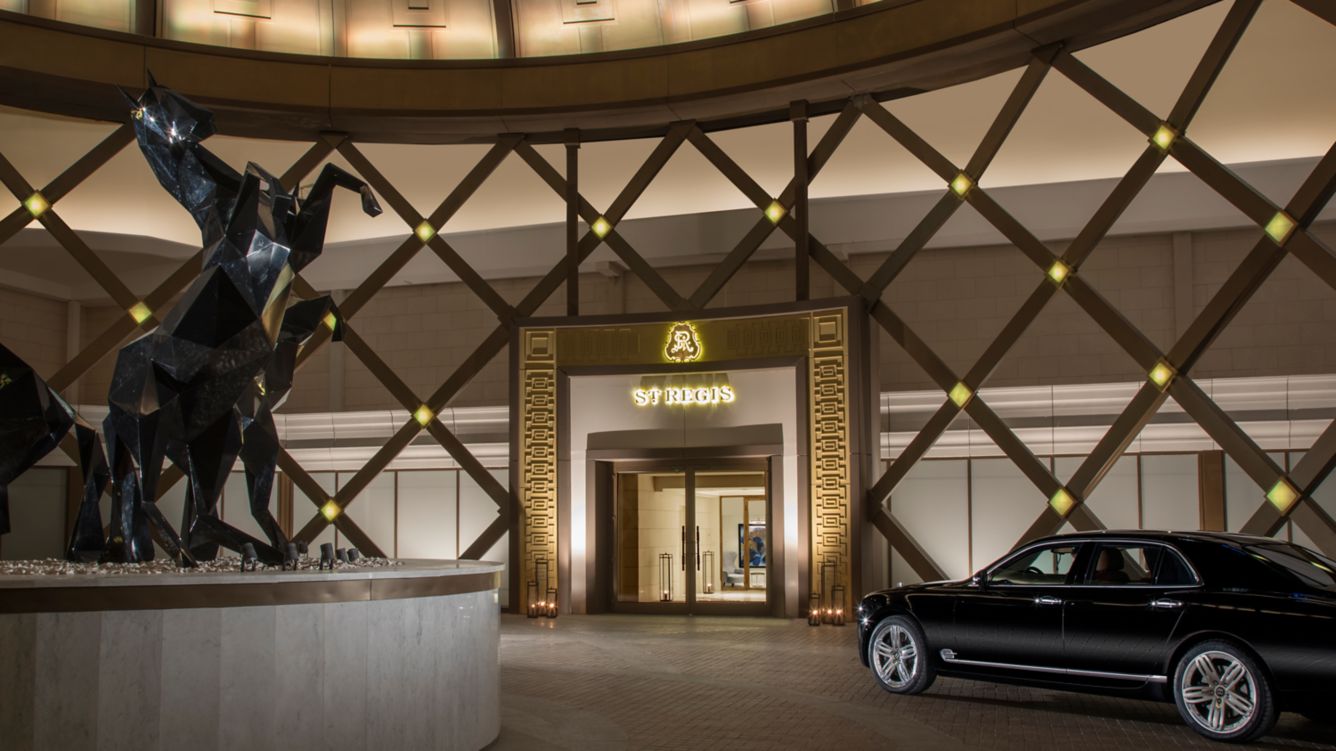
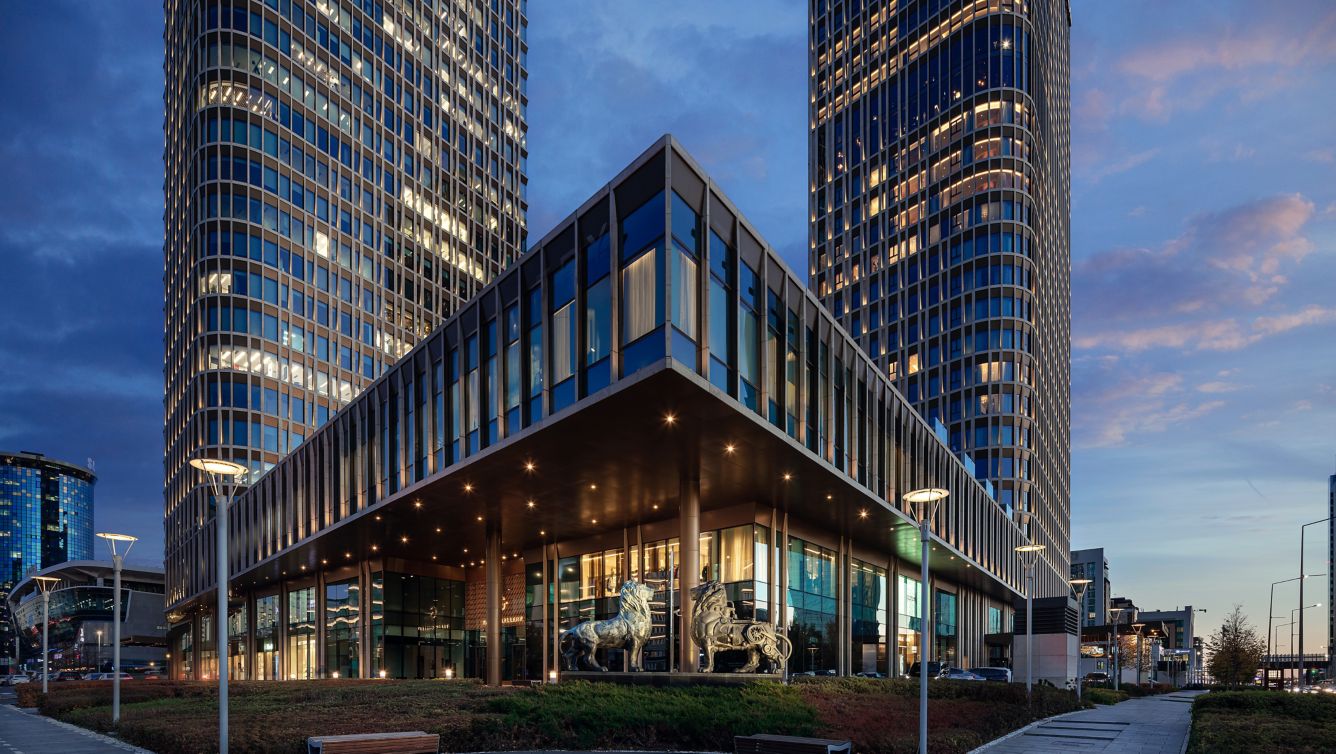
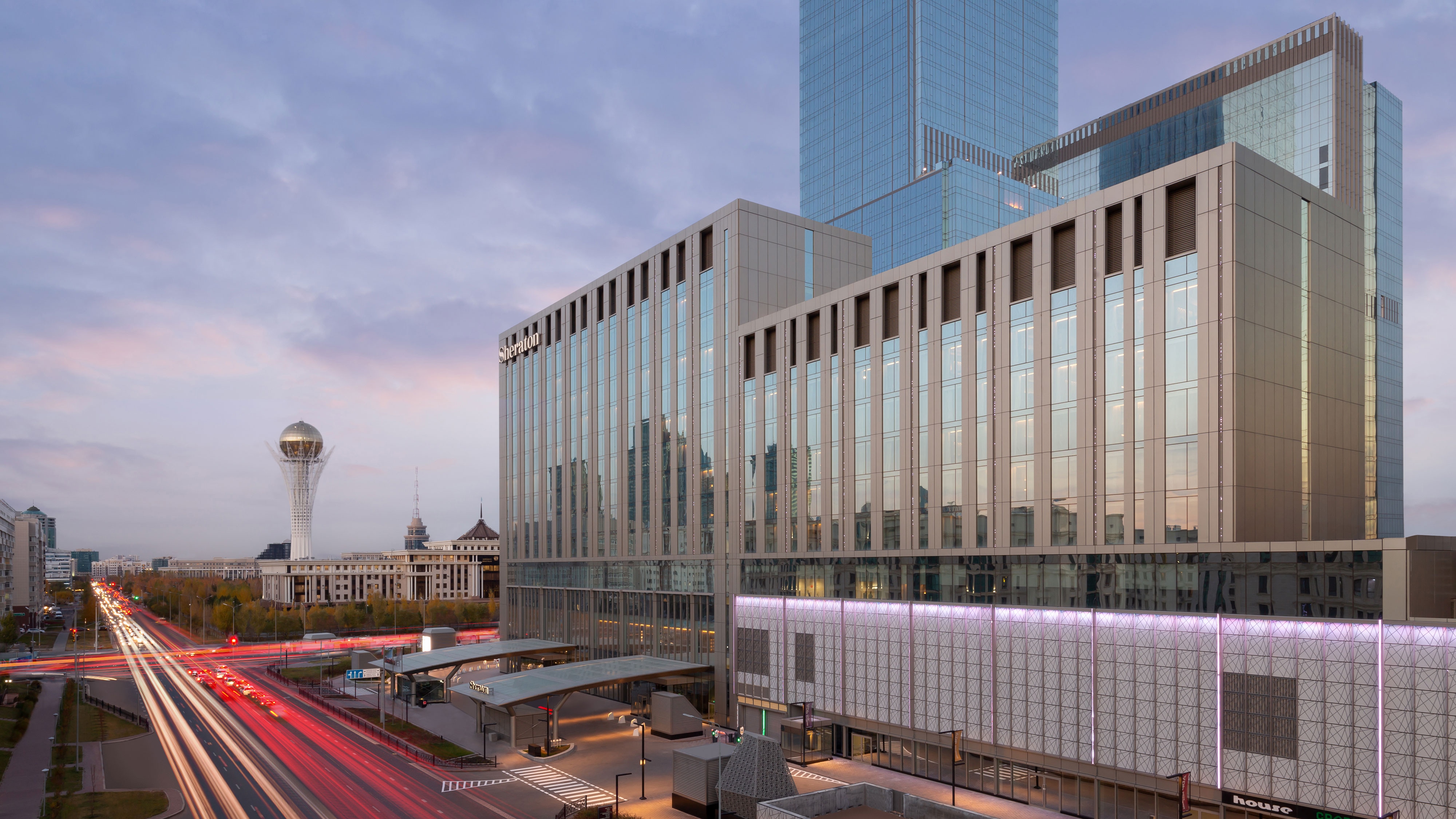
Where to Stay in Astana
4 recommended properties
Money-Saving Tips
- 1.ATMs are everywhere in the city center, but bring cash for markets and small restaurants—many don't accept cards
- 2.Tipping 10% is standard at restaurants, but round up taxi fares instead of calculating percentages
- 3.The government district is expensive for everything—eat and shop in residential areas for better prices
- 4.Hotel prices spike during government conferences and oil industry events—check local calendars before booking
- 5.Exchange money at banks rather than hotels—the rates are significantly better and fees are lower
Travel Tips
- •Download offline maps before arriving—cell coverage can be spotty outside the city center
- •Pack layers even in summer—temperature swings of 20°C between day and night are common
- •Learn basic Russian phrases—more useful than English outside tourist areas
- •Bring sunglasses and lip balm—the steppe sun and wind are harsher than you expect
- •Register with police within 5 days of arrival if staying longer than 30 days—most hotels handle this automatically