Gyumri
Armenia's cultural heart with resilient spirit and artistic soul
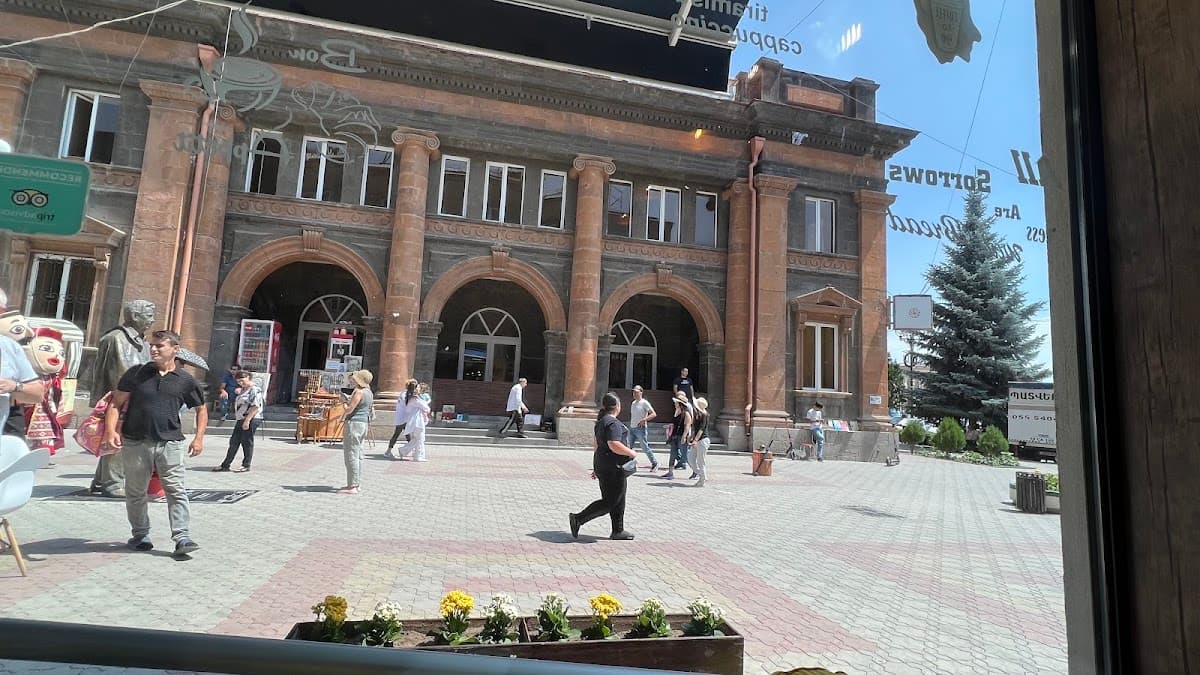
Armenia's second city doesn't try to compete with Yerevan's glitz. Gyumri keeps it real. This is where you'll find the country's most authentic cultural pulse - in crumbling 19th-century buildings that house cutting-edge art galleries, in family-run restaurants serving recipes passed down through generations, and in streets where locals still gather for evening walks. The 1988 earthquake nearly destroyed this place, but Gyumri rebuilt itself with a fierce pride that's impossible to miss. Here's the thing: most tourists skip it entirely. Their loss, your gain.
Best Months
MAY – OCT
~24°C · moderate crowds
Culture & Context
BLACK STONE ARTISTS
Gyumri is Armenia's second-largest city, home to about 122,000 people, and it carries a very different energy from Yerevan. Built almost entirely from local black and orange tuff volcanic stone, the place looks unlike anywhere else in the region. It's long been considered Armenia's artistic and cultural capital — the birthplace of poets, filmmakers, and comedians.
Locals are proud of being from here, and they'll tell you so within five minutes of meeting you. The city also carries the weight of the 1988 Spitak earthquake, which devastated the then-Soviet city of Leninakan (one of Gyumri's former names). That tragedy is part of the fabric here.
Older parts of the city survived. Soviet-era blocks didn't. The contrast is visible on every street.
There's also a Russian 102nd Military Base visible from certain vantage points, and local attitudes toward Russia have been shifting since Moscow stayed quiet during the 2023 Artsakh conflict. Expect conversations about politics if you engage with locals — they are thoughtful and direct. Gyumri is also the self-declared "capital of humor" in Armenia, and locals lean into that identity with warmth and self-deprecating wit.
Local Customs
HUMOR & HOSPITALITY
Tipping isn't mandatory but 10% in cash is the norm at restaurants. Leave it in cash even if you paid by card — tips on card don't always reach the server.. Bargaining is expected at markets.
Start lower than you want to pay and work up. Vendors expect it.. If someone invites you into their home, accept.
Refusing food or drink repeatedly is genuinely considered rude. Take a small portion graciously if you're not hungry.. Bring an odd number of flowers (never even numbers — that's for funerals) or chocolates if you're visiting someone's home..
Dress modestly when entering churches. Shoulders and knees should be covered. Many churches have spare scarves at the entrance for visitors who forgot..
Remove shoes when entering someone's home, especially if hosts do the same.. Eye contact during conversation is important. Looking away quickly reads as discomfort or distrust..
Give up your seat on public transport for elders. Greet older people first in a group setting. These small gestures are noticed..
Don't photograph military installations. The Russian base near the city is visible from certain viewpoints but pointing a camera at it is not a good idea.. Restaurants and most businesses open around 9 AM — Armenians are not early risers, so don't expect a 7 AM coffee unless you find a hotel breakfast.
Safety
VERY SAFE CITY
Gyumri is very safe. Armenia as a whole ranks among the top ten safest countries globally on the Numbeo Safety Index (score around 77.9), and Gyumri specifically has low violent crime.
Tourists report feeling comfortable walking around at night in the central areas. That said, streets outside the historic core get dark fast and aren't always well-lit, so carry a torch if you're exploring after dinner. Petty theft is the main risk — keep bags zipped in markets and on marshrutkas, and don't leave phones on café tables.
Use GG or Yandex for taxis to avoid price disputes; fares in Gyumri are very cheap, so if someone's quoting you something that sounds high, open the app instead. Roads can be aggressive — driving culture here involves limited patience for pedestrians, so use crosswalks and don't assume a car will stop. The Azerbaijan border situation doesn't affect Gyumri at all in practice; the city sits well away from any restricted zones.
Occasional political protests happen in the city but are generally peaceful — just step aside if you see a gathering forming. Bring any prescription medications in original packaging, as some (including certain sleeping tablets and codeine-based drugs) are restricted in Armenia.
Getting Around
WALKABLE & CHEAP
Getting to Gyumri from Yerevan: marshrutkas (shared minivans) leave from Kilikia Bus Station roughly every hour between 10 AM and 6 PM, cost 1,500 AMD (about $3.50), and take 2–2.5 hours.
The train is more comfortable and scenic — costs 1,500–2,500 AMD depending on which service you take, runs daily, and takes about 2.5–3 hours through the Armenian countryside. Taxis via GG or Yandex from Yerevan cost more but are faster and flexible.
Shirak International Airport (LWN) is 4–5 km from the city and serves mostly Russian and Georgian routes; international visitors arriving directly will usually fly through Yerevan's Zvartnots (EVN) first. Within Gyumri: the historic center is compact and very walkable. Local buses cost $0.
26 per trip. A 8km taxi ride via GG runs about $3.48.
Monthly transport pass is $32 if you're staying a while. To reach outlying spots like Marmashen Monastery or the Black Fortress, grab a local taxi — they're cheap and reliable. To get to Vanadzor (for onward travel toward the Debed Canyon), four marshrutkas leave Gyumri Central Bus Station daily at 10 AM, 1 PM, 2 PM, and 4:30 PM; tickets are 800 AMD.
A direct van to Akhaltsikhe in Georgia departs at 10 AM for 4,000 AMD.
Useful Phrases
Gyumri Itineraries
View all
Seven Slow Days in Gyumri’s Wild Corners & Courtyards
Week · $$$
Wild Corners of Gyumri: A 3-Day Solo Escape
Weekend · $$$
7 Romantic Days in Gyumri’s Wild Stone & Green Spaces
Week · $$$
Wild Corners of Gyumri: A Romantic 3‑Day Escape
Weekend · $$$
Seven Easy Days of Family-Friendly Gyumri
Week · $$$
Wild Corners & Warm Hearts: A Family Weekend in Gyumri
Weekend · $$$
Things to Do in Gyumri
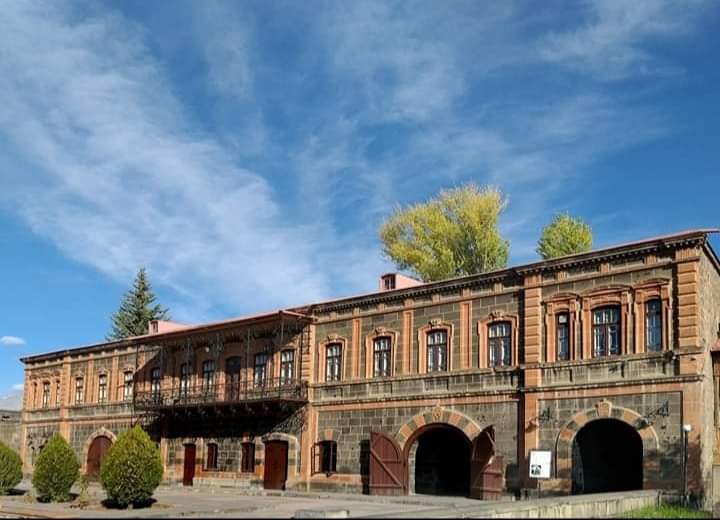
Museum of National Architecture and Urban Life of Gyumri (Dzitoghtsyan)
Kumayri Old Town · 60 min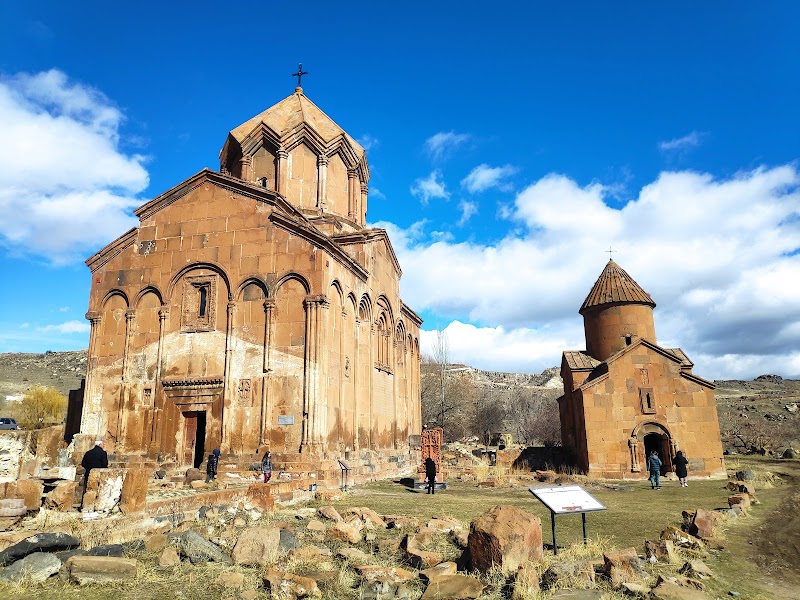
Marmashen Monastery Visit
Marmashen (Akhuryan Valley, near Gyumri) · 180 min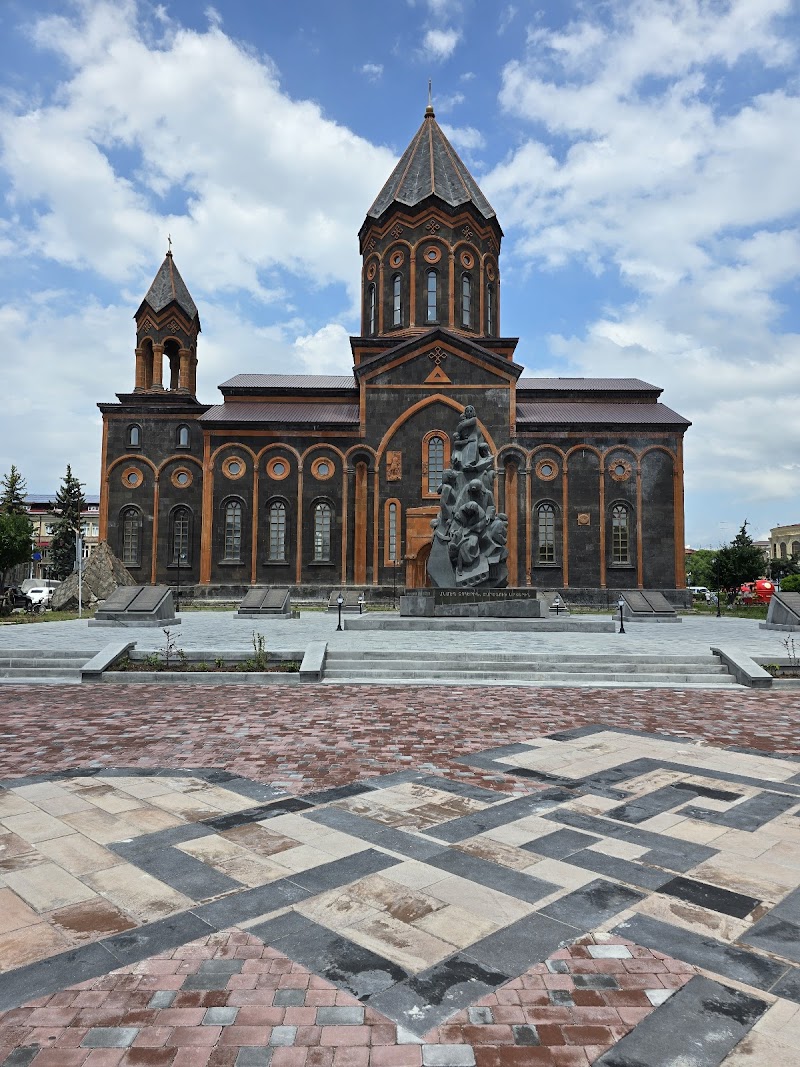
Vardanants Square & Evening Lights
Central Gyumri · 60 minMoney-Saving Tips
- 1.Eat at family-run restaurants in residential areas - they're half the price of tourist spots and twice as good
- 2.Buy fresh produce at the central market in the morning when prices are lowest and selection is best
- 3.Take marshrutkas instead of taxis - 100 dram vs 800 dram for the same distance
- 4.Book guesthouses directly instead of through booking sites to avoid commission fees
- 5.Shop for souvenirs at the weekend craft market near the cathedral - better prices than gallery shops
- 6.Bring cash in small denominations - many places don't accept cards and change can be scarce
Travel Tips
- •Learn basic Armenian greetings - locals appreciate the effort and become incredibly helpful
- •Pack layers year-round - mountain weather changes fast and buildings often lack proper heating
- •Download offline maps - GPS can be spotty in the historic district's narrow streets
- •Carry toilet paper - public restrooms exist but rarely stock it
- •Respect photography rules at churches - flash photography is usually forbidden
- •Try to visit during a local festival - Gyumri's cultural events showcase the city's artistic soul
- •Book accommodation early during summer - the city has limited tourist infrastructure
- •Bring a universal adapter - Armenian outlets use European plugs but older buildings may have Soviet-era wiring