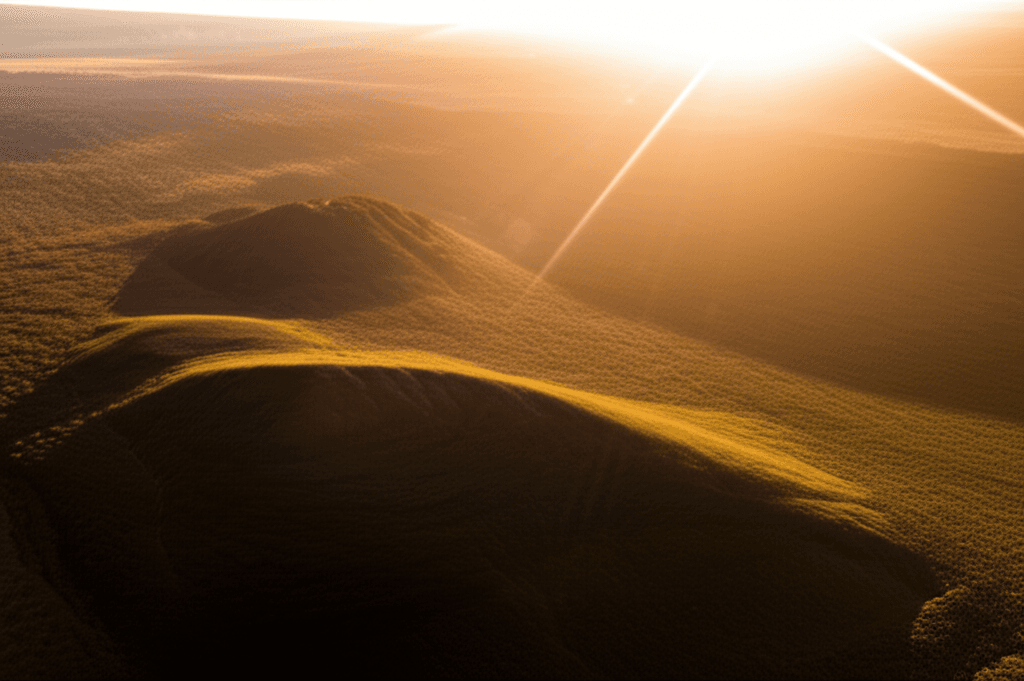
Big Island - Hawaii
Volcanic wonders meet tropical beaches and diverse climates
The Big Island isn't just big — it's massive. You could fit all the other Hawaiian islands inside it and still have room left over. But here's what makes it special: this is where Hawaii is literally still being born. Active volcanoes pump out fresh lava daily, creating new land while you watch. You'll find snow-capped peaks an hour from tropical beaches, coffee farms next to ancient temples, and some of the clearest stargazing skies on Earth. The locals call it Hawaii Island, and after a few days here, you'll understand why it feels like its own world.
Local Knowledge
Culture & Context
The Big Island sits at the center of the Hawaiian cultural revival. The Hawaiian language (ʻōlelo Hawaiʻi) was suppressed after American annexation, and by the 1980s fewer than 50 children could speak it. The language is now being actively reclaimed through immersion schools and is an official state language. That history matters when you're here. You'll see street signs, business names, and place names in Hawaiian constantly. Take them seriously. The island is also home to the Merrie Monarch Festival, widely regarded as the world's premier hula competition, which signals how central cultural preservation is to everyday life here. Locals can spot tourists who treat the island like a theme park and those who don't. The difference matters. Don't touch the honu (sea turtles), don't ignore kapu (keep out) signs, and don't wander onto private or sacred land for a photo. The paniolo (Hawaiian cowboy) culture in Waimea adds another layer, mixing ranching traditions from the 1800s with island life. And yes, the Kona coffee farms in the upland areas around Holualoa are working agricultural operations, not just photo backdrops.
Safety
The Big Island is generally safe. Petty theft from vehicles is the most common issue tourists encounter, so don't leave bags visible in rental cars. Downtown Hilo has elevated property crime near Prince Kuhio Plaza. Pahoa in Puna has a higher crime rate than most of the island. The natural hazards are the bigger concern. Vog (volcanic smog from Kilauea) drifts across the island and can trigger symptoms in people with asthma, heart conditions, or respiratory sensitivities. Check air quality before Volcanoes National Park. In the ocean, rip currents, sea urchins, and Portuguese Man-of-War jellyfish are the main threats. Swim only at beaches with lifeguards when possible, and if conditions look rough, stay out. Flash floods can hit fast, especially in valleys and near rivers on the wet east side. Don't underestimate the sun. SPF 50 minimum, reef-safe formulas required (Hawaii law bans certain chemical sunscreens that damage coral). And at Mauna Kea, altitude sickness is real at nearly 14,000 feet. Drive up slowly, don't run around, and skip the summit if you have any respiratory conditions. The volcano itself is contained within Halemaʻumaʻu crater in the national park. Lava moves slowly and the park gives ample warning. Don't breach roped-off areas regardless of how close others get.
Getting Around
You need a rental car. Full stop. The Hele-On Bus exists but won't get you to Volcanoes National Park, green sand beach, or the Kohala Coast. Budget $350–700/week for a rental with taxes. Gas will run $5.00–5.80/gallon and you will use more of it than you expect. The island is enormous. Two airports: fly into Kona (KOA) if you're staying west side, Hilo (ITO) if you're based east side. A split-base itinerary of 3 nights Kona and 3 nights Hilo is the smartest move for first-timers. It saves driving time and cuts costs since Hilo accommodation and food run significantly cheaper. Parking along Ali'i Drive in downtown Kona has been a known headache. Get there early or expect a walk. Directions here use mauka (toward the mountain) and makai (toward the ocean) instead of compass points. Get comfortable with that fast.
Useful Phrases
Hello, goodbye, and love. Also a way of being. People don't just say aloha, they drive with aloha, work with aloha. It's more than a greeting.
Thank you. Use it. Note: it does not mean 'trash' despite being printed on some trash cans. That's a long-running tourist joke.
How are you? The standard informal greeting among locals. If someone says this to you, 'good, you?' works fine.
After work / happy hour. Pau means finished or done. You'll hear it everywhere.
Makai means toward the ocean. Mauka means toward the mountain. Locals give all directions this way instead of north/south/left/right. Learn these two and you'll navigate much better.
One more time / encore. Shout this at the end of a live music performance if you want more.
Delicious. If your plate lunch was great, it was 'ono.
Pidgin for 'that thing' or 'you know what I mean.' It's a placeholder for almost any noun. Context is everything.
Local Customs
- •Say mahalo instead of just 'thanks'. It's used constantly and locals notice when visitors don't bother.
- •The shaka hand gesture (thumb and pinky extended, other fingers folded) is used everywhere, especially when drivers let each other merge. Use it freely and genuinely.
- •Kama'aina discounts are real. If you're a Hawaii resident, always ask. Visitors can't use them, but it's good to know why the person ahead of you got a lower price.
- •Don't touch or approach sea turtles (honu). Federal law requires you stay at least 10 feet away. This is enforced and fined.
- •Reef-safe sunscreen isn't just a suggestion. Hawaii bans sunscreens containing oxybenzone and octinoxate. Buy the right kind before you go or on arrival.
- •Don't walk on new black lava fields without asking. Some areas are technically open but the crust is fragile and can collapse. Others are on private land.
- •Remove your shoes before entering someone's home. This is non-negotiable in local culture.
- •Respect heiau (sacred temple sites). These are not photo props. They are active sites of cultural and spiritual significance. Observe from a distance unless there's a designated path.
- •The plate lunch is the working lunch of the island. Two scoops rice, one scoop mac salad, and your protein. Order one from a local spot, not a resort restaurant.
- •Don't refer to anyone as a 'haole' yourself. The word means foreigner or non-native Hawaiian. It's not always derogatory but it's not your word to use as a visitor.
Explore Cities
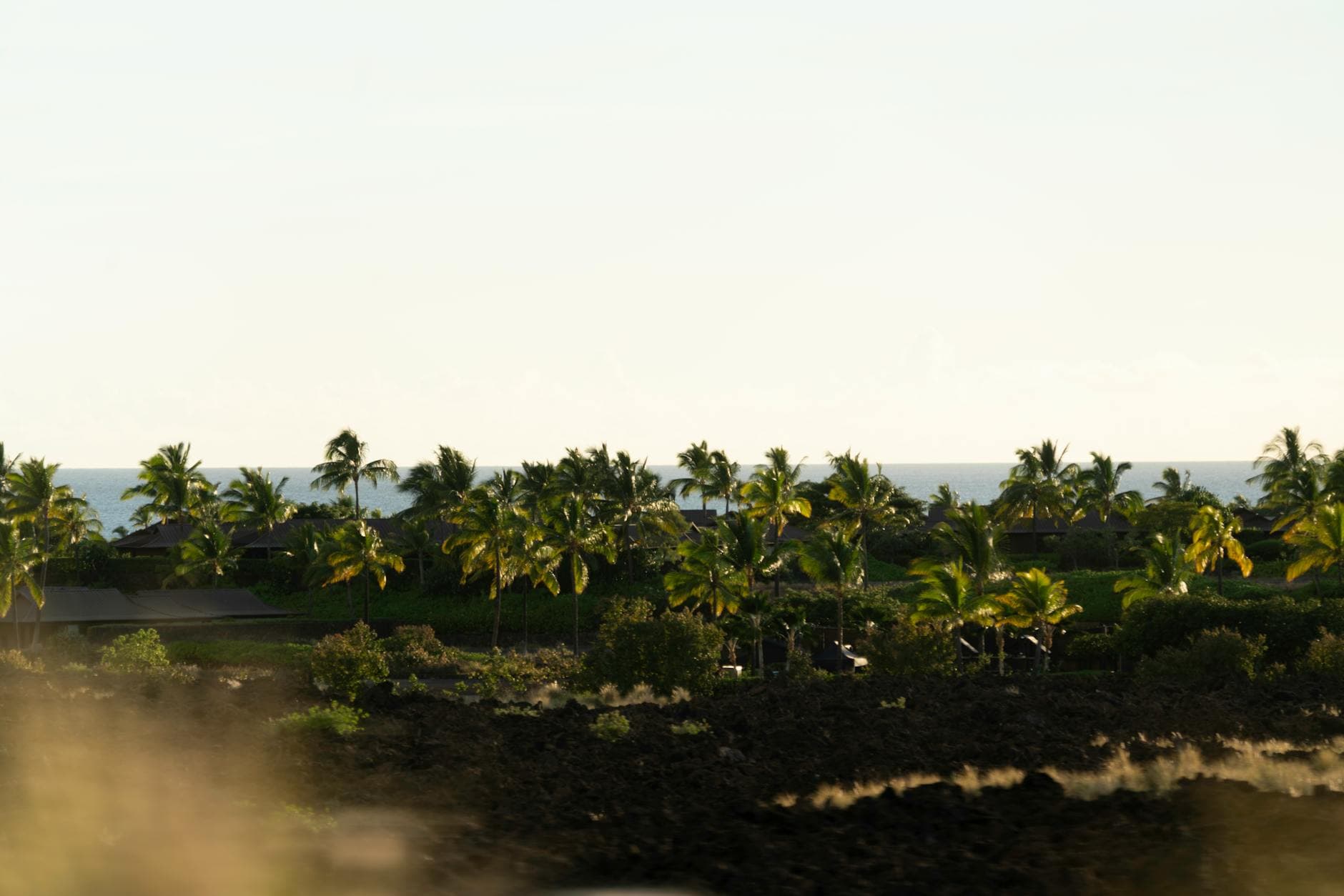
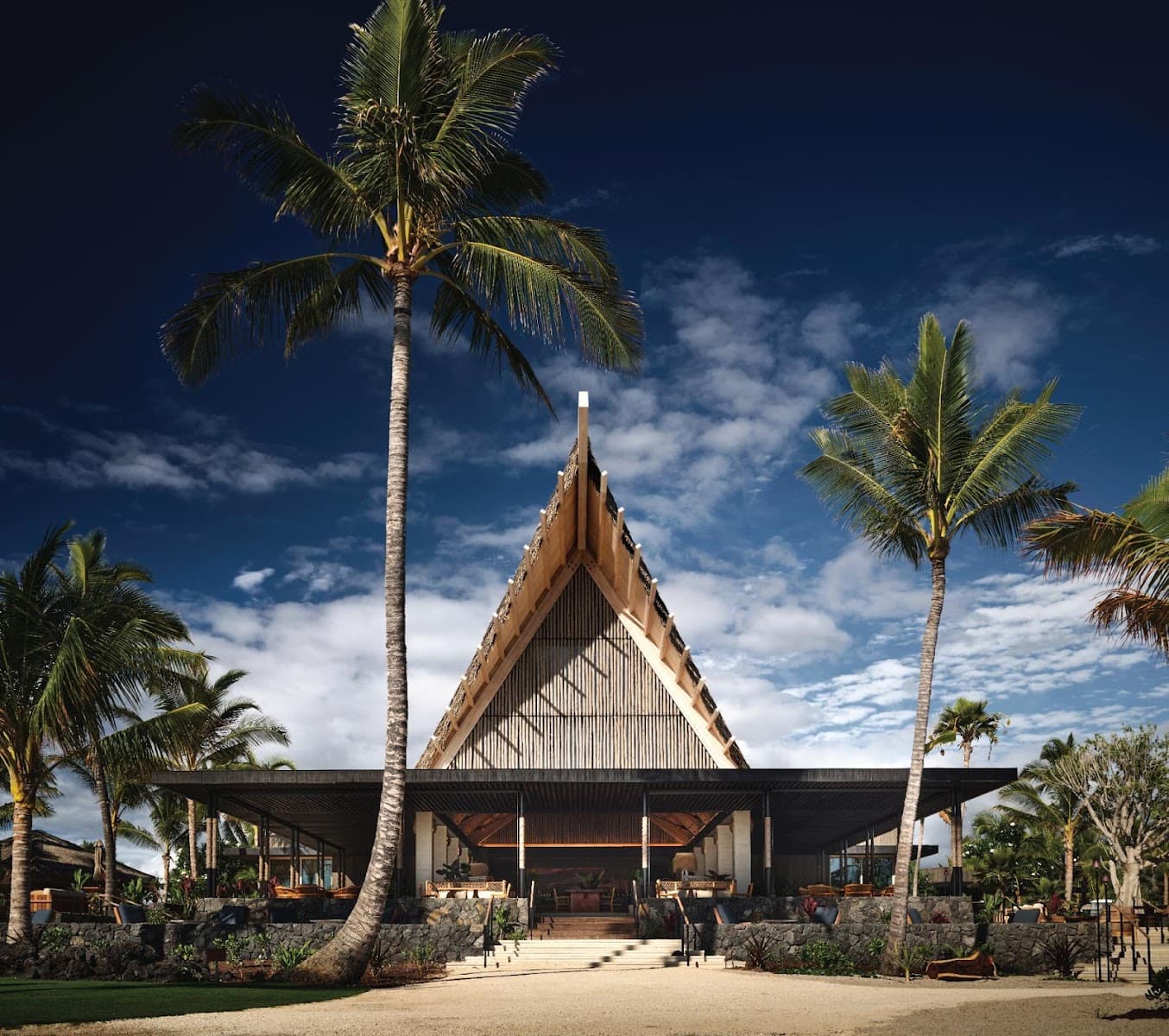
Explore the Region
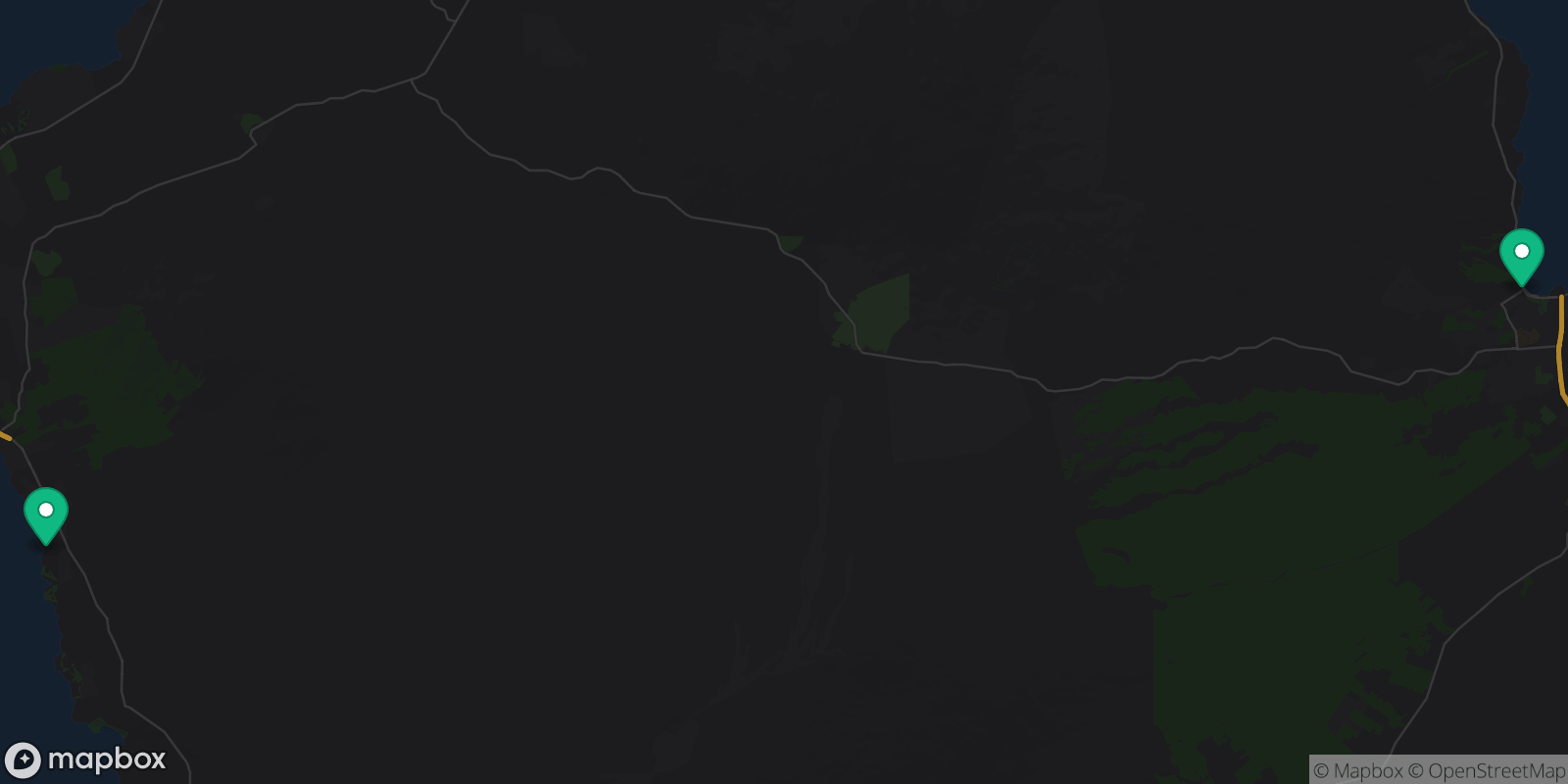
Big Island - Hawaii Itineraries
View all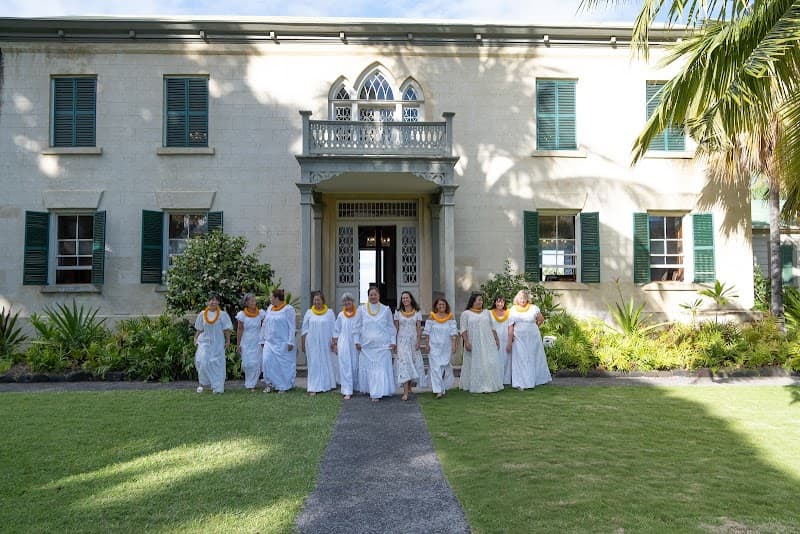
Kona Adventure Bliss: 10 Days of Waves, Trails & Wonders
Weekend · $$$
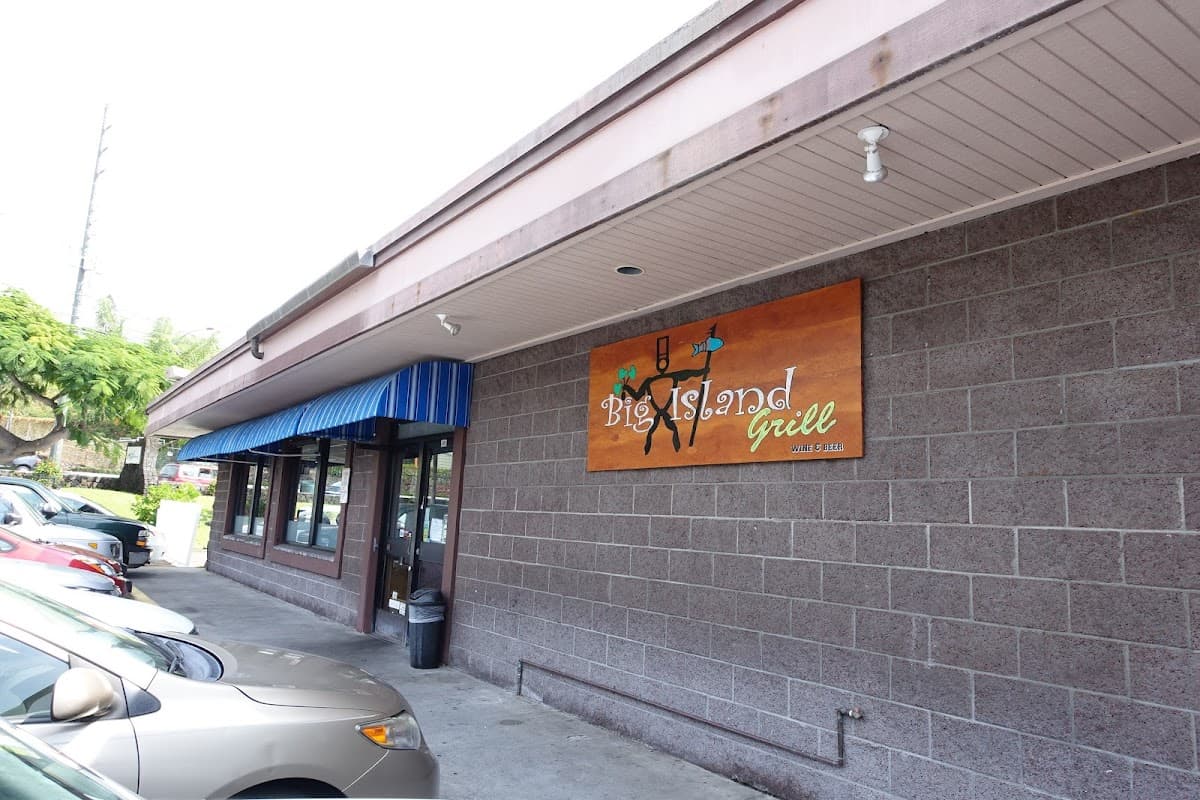
Romantic Kona Coast Weekend Escape
Weekend · $$

Romantic Kona Coast Weekend Escape
Weekend · $$$$
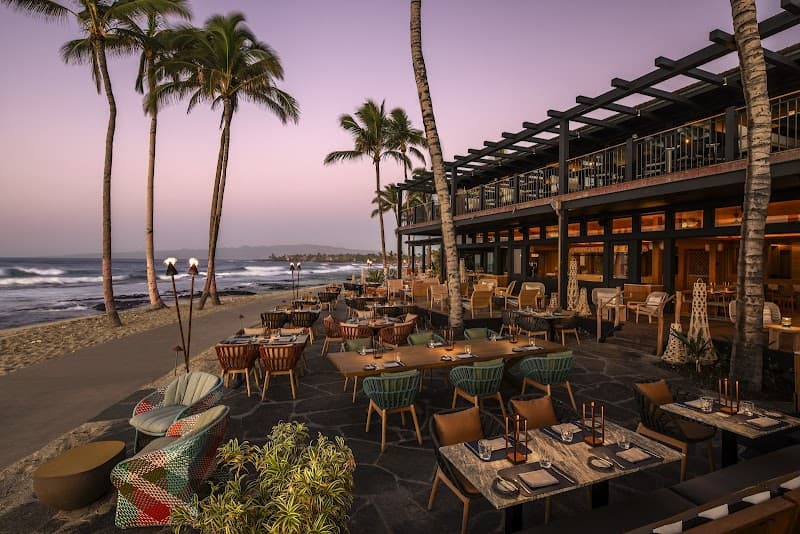
Romantic Luxury Escape in Kailua-Kona
Weekend · $$$$$
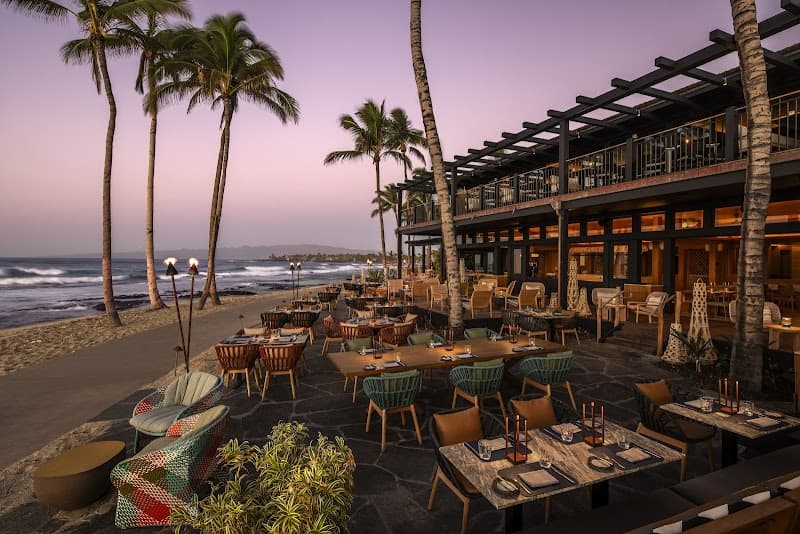
Luxury Family Paradise: 7-Day Kailua-Kona Extravaganza
Week · $$$$$
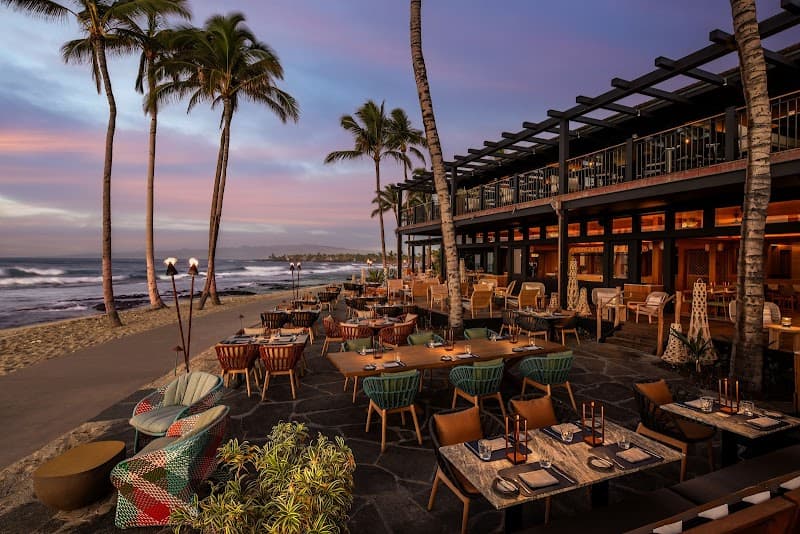
Kailua-Kona Luxury Family Escape
Weekend · $$$$$
Money-Saving Tips
- 1.Book accommodations on the Kona side during summer when east coast properties offer 30-50% discounts to offset rainy weather
- 2.Buy groceries at KTA Super Stores instead of resort shops — prices run 40% lower for basics like water and snacks
- 3.Fill up your rental car in Kona or Hilo where gas costs $0.50 less per gallon than remote stations
- 4.Pack a cooler for beach days — resort food runs $15-20 per sandwich while grocery stores sell poke bowls for $8
- 5.Visit Hawaii Volcanoes National Park after 3pm when day crowds thin out but lava viewing remains excellent
- 6.Download offline maps before exploring remote areas where cell service disappears and data roaming charges apply
Travel Tips
- •Bring layers for elevation changes — you'll need shorts at sea level and warm clothes for Mauna Kea summit visits
- •Check current lava activity on USGS websites before planning volcano viewing trips as conditions change daily
- •Reserve Mauna Kea summit tours 2-3 weeks ahead during peak season as group sizes stay limited
- •Download offline maps for remote areas like South Point where cell service cuts out completely
- •Pack reef-safe sunscreen — Hawaii bans chemical sunscreens that damage coral reefs
- •Book snorkel gear rentals in advance during whale season (December-April) when demand peaks
Frequently Asked Questions
Explore Big Island - Hawaii
Ready to explore Big Island - Hawaii ?
Get a personalized itinerary in seconds with Takeoff.
Free on iOS. No credit card required.