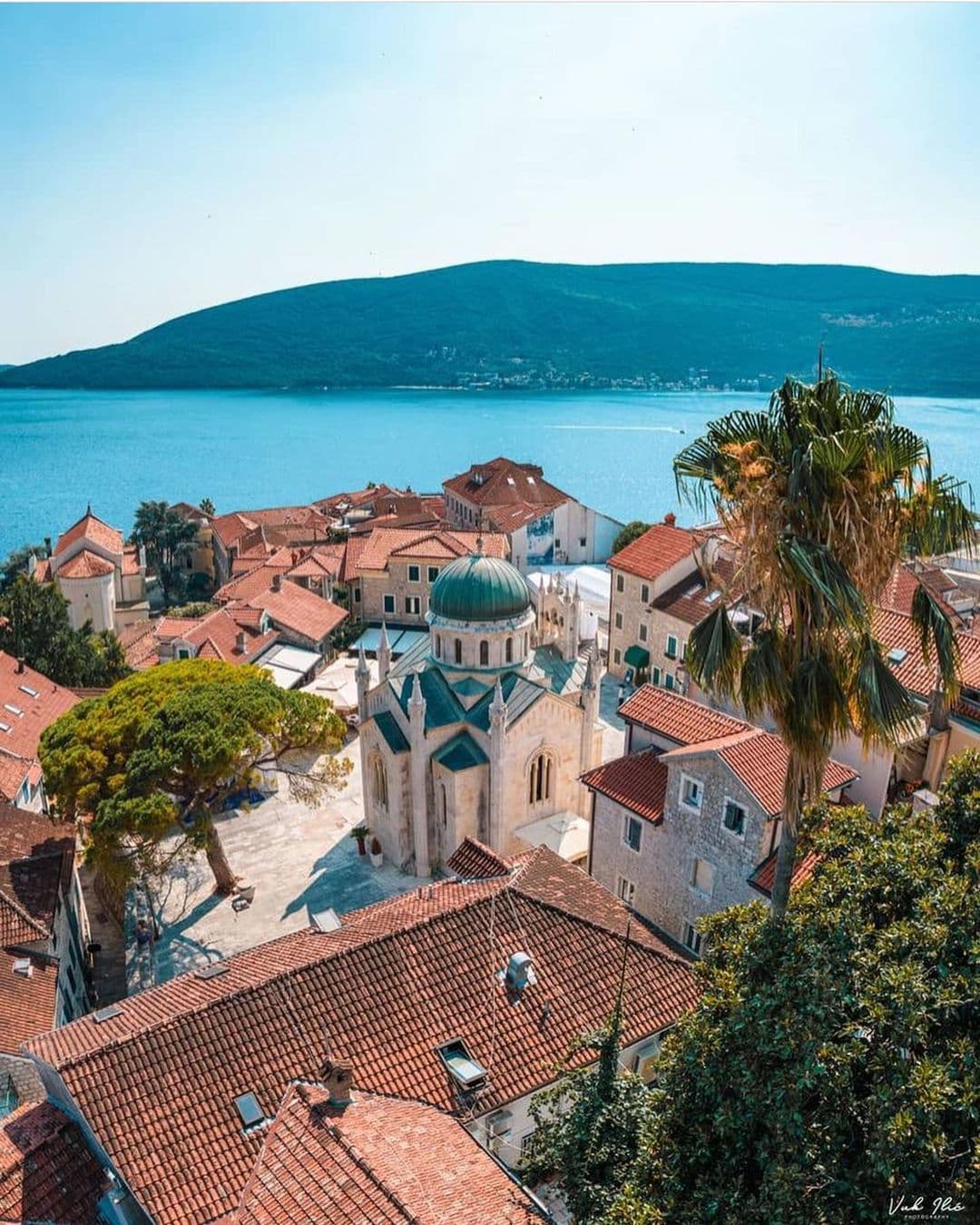
Herceg Novi
Montenegro's flower-filled coastal gem with fortress views
Herceg Novi clings to the hillsides above Boka Bay like a Mediterranean daydream. This isn't Dubrovnik with its cruise ship crowds. It's Montenegro's flower-filled secret, where medieval fortresses watch over swimming spots that locals still consider their own. The old town tumbles down stone steps toward the water, past orange trees and cafe terraces where you can nurse a coffee for hours without anyone bothering you. Sure, the beaches are mostly concrete platforms rather than sand. But the water's crystal clear, the seafood's fresh off the boats, and you can walk the entire historic center in an afternoon. Here's what you need to know about this laid-back corner of the Adriatic.
Best Months
MAY – SEP
~27°C · moderate crowds
Culture & Context
EMPIRES LAYERED, NOT ERASED
Herceg Novi was founded in 1382 by Bosnian King Tvrtko I as a defensive settlement, and the parade of rulers since then reads like a Balkan history primer: Bosnians, Spaniards, Venetians, Ottomans, Austrians, and finally Yugoslavia all left architectural and cultural marks. The result is a town that genuinely cannot be pinned to a single identity. Ottoman clock towers sit next to Venetian fortresses.
Austrian-era buildings line the promenade. A Nobel Prize winner (Ivo Andric) called it home and wrote about it as "the town of endless sunshine and verdant greenery." That phrase stuck.
Locals call it both "the City of the Sun" and "the City of 100,001 Steps," and both names earn their keep. The cultural calendar is genuinely dense for a town this size, running from the February mimosa and carnival season through film festivals in August and folklore events deep into October. There's a strong community attachment to these events.
They're not performed for tourists — they've been happening for 50+ years. The slower pace here is real. Samo polako isn't a tourism slogan; it's how people actually operate.
Long coffee shop conversations, unhurried lunches, afternoons that dissolve into evenings on the promenade. First-time visitors expecting a typical resort town are often surprised to find something more layered and genuinely lived-in.
Local Customs
SAMO POLAKO: PATIENCE REQUIRED
When visiting a Montenegrin's home, expect Turkish coffee and rakija (local fruit brandy, 40%+) to appear immediately. Refusing the rakija is fine, but refusing the coffee is a mild social stumble. Accept it, hold it, sip slowly..
Greetings involve physical contact. With friends, it's a hug and a kiss on one cheek. When visiting someone's family for the first time, three kisses on alternating cheeks is traditional.
Don't be caught off guard.. The slow pace is real and intentional. A coffee meeting can last two hours.
A simple lunch can stretch to three. Montenegrins call it 'samo polako' and take it seriously. Trying to rush anything will not be well received..
Older locals in Herceg Novi's municipality may speak Croatian rather than the standard Montenegrin — the border with Croatia is just up the road, and the linguistic overlap is strong.. If you're rude or dismissive to a local, they will simply stop engaging. Montenegrins are warm, but they don't perform hospitality under pressure.
Respect and patience go a long way.. Rakija is considered medicinal. Drinking it on an empty stomach in the morning is an old local custom, supposedly for circulation.
You don't have to participate, but knowing about it makes for a good conversation.. Taxis: always agree on a price before you get in, or insist on the meter. Unofficial taxis targeting tourists exist and will quote you whatever they think they can get..
Montenegro uses the euro despite not being in the EU. Cash is still king for markets, small restaurants, and local buses — carry small bills.. The tourist tax (around €1/night per adult) is a legal requirement.
Registered accommodations handle it automatically. If you book through an unregistered host, you're technically responsible for self-registering within 24 hours.. Don't underestimate the Old Town stairs, especially in summer heat or after rain.
The stone steps get slippery. Sandals with grip or proper shoes are not optional if you're spending real time up there.
Safety
VERY SAFE, WATCH PICKPOCKETS
Herceg Novi is very safe by any reasonable measure. Violent crime is rare and almost never involves tourists. The main thing to watch out for is petty theft during peak summer months (June–September) — pickpocketing happens at crowded events, beaches, and busy streets, especially during festivals like the Mimosa or Folklore events.
Keep bags in front of you in crowds. Don't flash phones or cameras unnecessarily. Unlicensed taxis are the other consistent issue: always agree on a price before getting in, or insist the meter runs.
The Old Town stairs are genuinely hazardous in wet weather — wear shoes with actual grip. In summer, heat and sun are underestimated hazards; the midday temperature on stone staircases is no joke. Tap water is generally safe to drink, though sensitive stomachs may prefer bottled.
Solo female travelers report feeling comfortable, with the caveat that nightlife settings can occasionally bring unwanted attention. Montenegro ranked 35th on the Global Peace Index — ahead of Greece, Sweden, and France — so the baseline here is genuinely good.
Getting Around
BUS & FERRY, THEN WALK
The closest airport is Dubrovnik (DBV) in Croatia, just 24km away — often cheaper and more frequently served than Tivat (TIV), which is about 25km in the other direction. In high summer, Dubrovnik transfers can get expensive (up to €200–300 for a private taxi), so shared transfers or the local bus are smarter. Bus is the main way to get around.
Coastal routes connect Herceg Novi to Kotor, Tivat, and Budva, with buses running every 20–60 minutes in season. Book ahead via BusTicket4.me for popular summer routes.
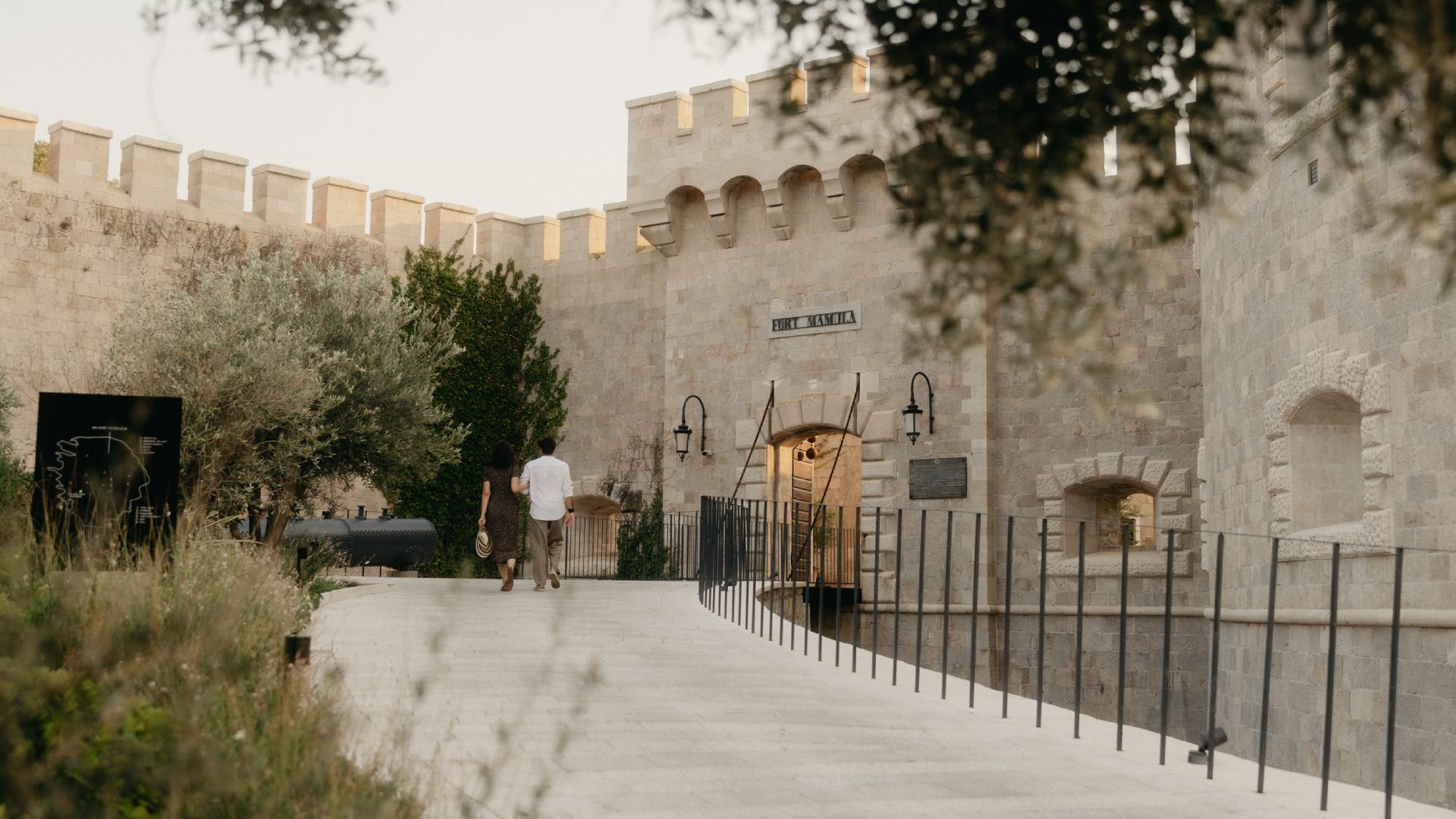
Within the bay, the Kamenari–Lepetani ferry is a useful shortcut that cuts across the narrowest point of Boka Bay — much faster than driving the long way around the bay road, which gets congested. Water taxis operate between towns in the bay and run roughly €25–60 per boat for short hops, more for longer distances. Boat excursions to the Blue Grotto near Mamula run around €12–25 per person.
The town itself is best on foot, though "on foot" means accepting significant elevation changes in the Old Town. Topla and Igalo are flat and easy. For anyone sensitive to hills, staying in Topla or Igalo and walking the Pet Danica promenade is the path of least resistance.
Driving in Montenegro is possible but demands attention — roads are winding, locals drive assertively, and parking in the center is genuinely difficult in summer.
Useful Phrases
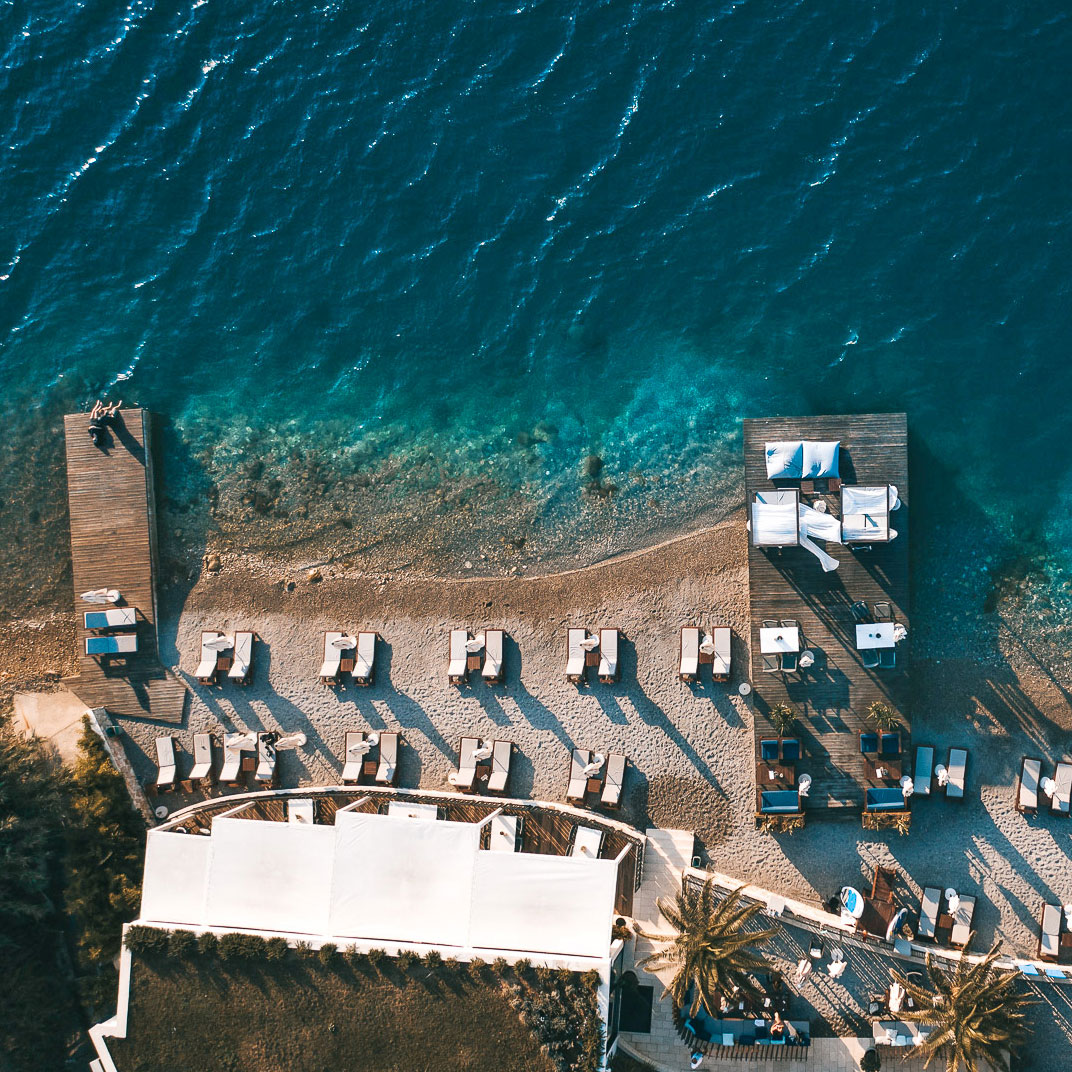
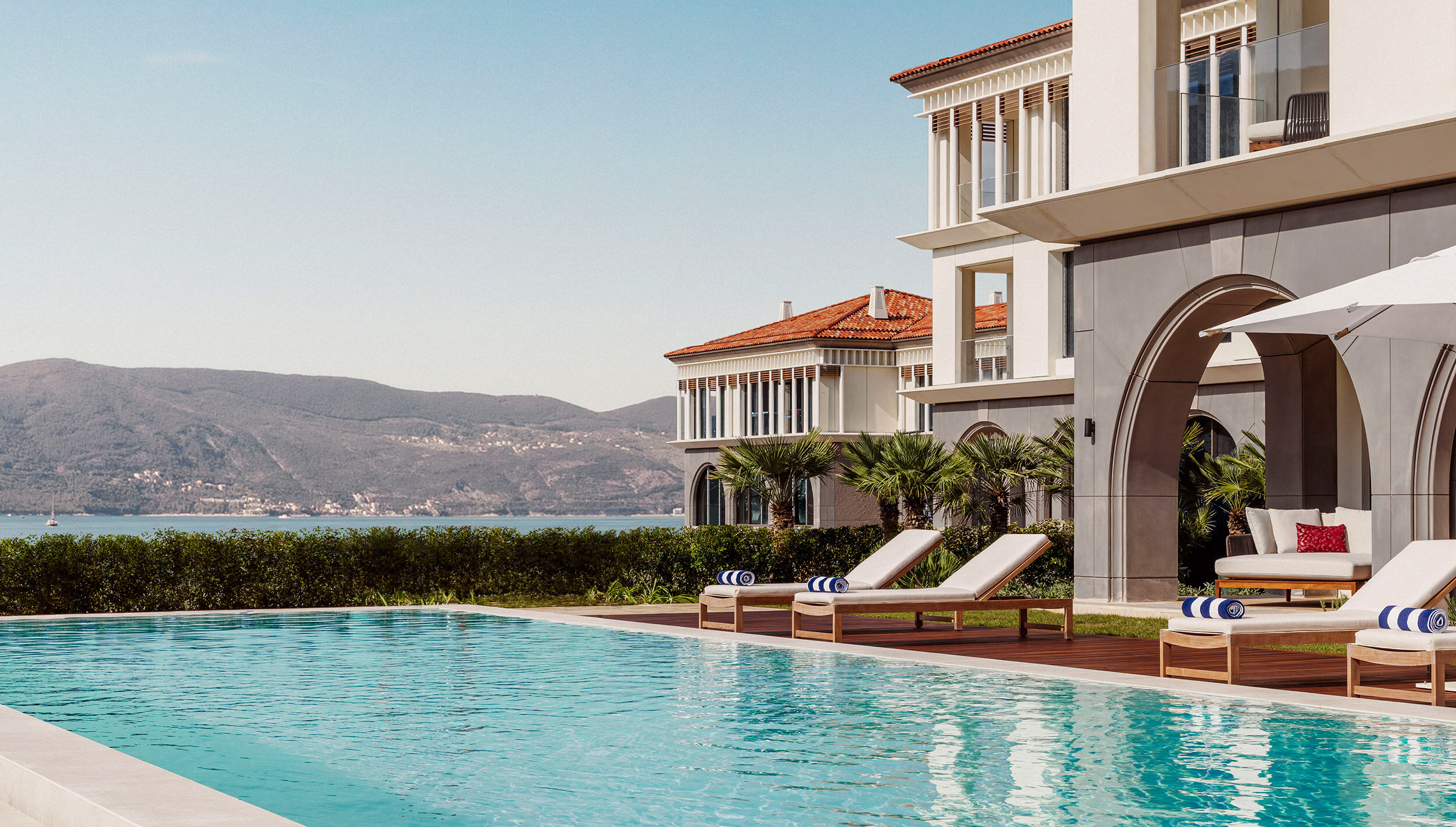
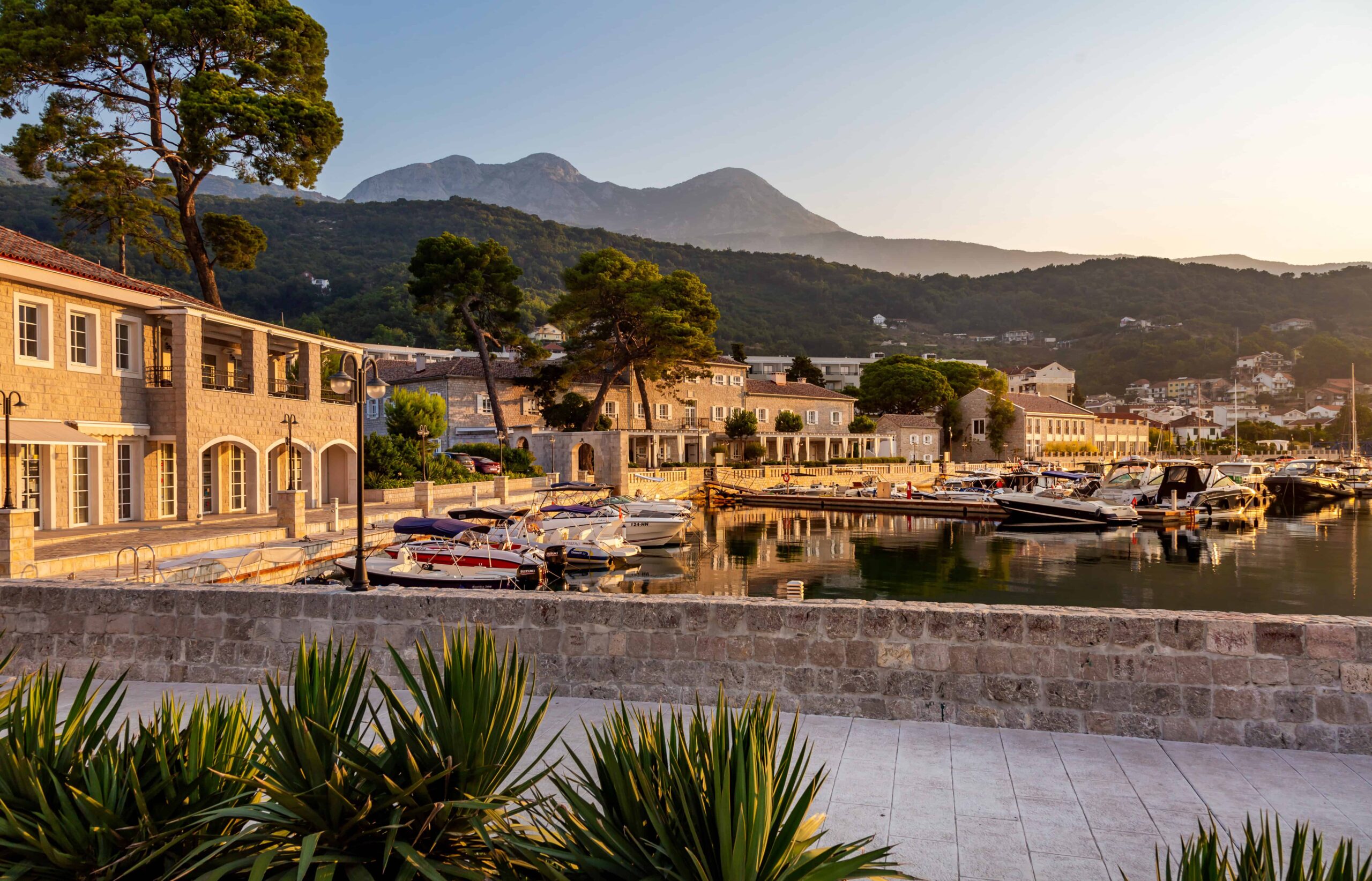
Where to Stay in Herceg Novi
4 recommended properties
Money-Saving Tips
- 1.Eat lunch at local konobas rather than tourist restaurants – same food, half the price
- 2.Buy groceries at Voli or Idea supermarkets instead of corner shops near attractions
- 3.Take the bus between Igalo and Old Town instead of taxis – it's €1 vs €8
- 4.Book accommodations in shoulder season (May-June, September) for 40% savings
- 5.Pack a lunch for day trips – restaurants near tourist sites charge double
Travel Tips
- •Bring comfortable walking shoes – those medieval stone steps are no joke
- •Download offline maps – WiFi can be spotty in the old town's thick stone walls
- •Learn basic Serbian phrases – English isn't as common as in Croatia
- •Carry cash – many local restaurants don't accept cards
- •Book dinner reservations in summer – the best seafood spots fill up fast