Braga
Portugal's spiritual heart with baroque churches and gardens
Forget Lisbon's crowds and Porto's tourist traps. Braga keeps it real. This 2,000-year-old city in northern Portugal serves up baroque churches that'll make your jaw drop, gardens where locals actually hang out, and restaurants where you're the only tourist ordering francesinha. The Romans called it Bracara Augusta. Today, it's Portugal's spiritual heart — and one of Europe's best-kept secrets for travelers who want authentic culture without the Instagram hordes.
Culture & Context
ROMAN ROOTS, MODERN PULSE
Braga is older than Portugal itself. The Romans founded it as Bracara Augusta around 16 BC — it became the capital of the Roman province of Gallaecia and one of the most important cities on the Iberian Peninsula. By the time Portugal became a country in 1143, Braga had already been an archbishopric for seven centuries.
That head start explains why the city has the highest concentration of religious buildings in Portugal, why the Sé de Braga is the country's oldest functioning cathedral, and why Holy Week here feels different from anywhere else. But it's not a museum. The University of Minho brings around 20,000 students into the city and keeps cafes, bars, and the general energy from going quiet.
The city was named Portugal's Capital of Culture in 2025 and has spent the last decade building a legitimate tech and startup ecosystem alongside its baroque churches. The result is a place where students spill out of late-night bars fifty meters from a 12th-century cathedral, and nobody finds that strange.
Local Customs
GREET, DRESS MODEST, LATE DINNERS
Greet people when entering any shop, café, or restaurant — walking in silently reads as rude. A simple 'bom dia' fixes that immediately.. Two kisses on the cheeks are the standard informal greeting between friends and between men and women meeting for the first time.
Start with the right cheek. Men who know each other well often add a hug.. Braga is deeply Catholic and the religious culture here is not decorative — it's real.
Dress modestly when entering churches. That means covering shoulders and knees, even in summer. Shorts and vest tops get you turned away..
Don't compare Portugal to Spain or assume they're interchangeable. Portuguese people are aware of Spanish, but won't necessarily respond to it and may find the assumption irritating.. Tipping isn't mandatory but is appreciated.
Rounding up the bill or leaving a euro or two on the table is normal. Don't expect a tip line on the card machine — just leave cash.. Lunch is the main meal of the day, typically between 12:30 and 2:30 pm.
Dinner rarely starts before 7:30 pm and locals often eat closer to 8:30 or 9:00 pm. Show up at 6 pm expecting dinner and you'll find an empty restaurant.. In some restaurants — especially the more traditional ones — snacks and bread arrive at the table unasked.
These are not free. You pay for what you eat, so send them back if you don't want them. It's completely fine to do so..
Loud behavior in public, excessive bragging, or complaining loudly about Portugal is noticed and judged quietly. The culture values modesty and understatement. Matching that energy gets you much further than performing your enthusiasm.
Safety
GENUINELY SAFE
Braga is genuinely safe. Violent crime is rare, the streets feel calm even at night in the center, and the city doesn't have the aggressive pickpocketing problem you encounter in Lisbon or Porto's tourist corridors. That said, basic common sense applies at festivals and markets — keep bags zipped and phones in front pockets in crowded areas.
Portugal's national emergency number is 112. Tap water is safe to drink and meets European quality standards — no need to buy bottled water. Women traveling solo consistently report feeling comfortable here, including at night in central areas.
The cobblestone streets are the real safety hazard: they're uneven and slippery when wet. Wear shoes with actual grip, especially after rain.
Getting Around
WALKABLE, CHEAP TRAINS
Braga's historic center is compact and fully pedestrianized — you walk almost everywhere that matters. The TUB city bus network covers the wider city and surrounding areas. Single tickets cost €1.
55 and a monthly pass runs €20–30, making it cheap to get around even if you're staying outside the center. For getting out of Braga, trains are your best option. The CP (Comboios de Portugal) station is a short walk from the center and puts you in Porto in just over an hour for around €3–6 one way.
The Alfa Pendular high-speed service also connects Braga to Lisbon directly if you need it. Buy tickets online through the CP website for advance purchase discounts — up to 65% off on some routes. Uber and standard taxis work fine for late nights or when you have luggage.
Minor overcharging in taxis is rare but does happen occasionally; using the app removes that variable. And Bom Jesus do Monte, the famous sanctuary with the baroque staircase, is served by the world's oldest water-powered funicular if you'd rather not climb all 116 meters of stairs. It's a genuinely cool piece of engineering and worth taking at least one way.
Useful Phrases
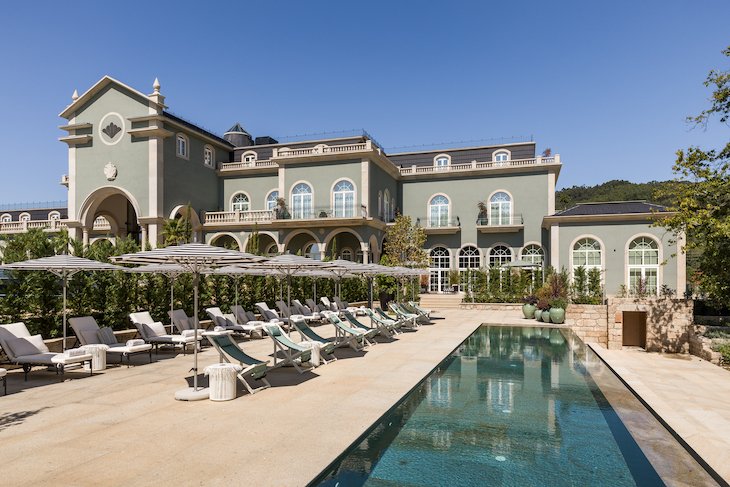
Where to Stay in Braga
2 recommended properties
Money-Saving Tips
- 1.Buy groceries at Continente supermarket near the train station — prices beat tourist shops by 30%
- 2.Municipal museums offer free entry on Sunday mornings until noon
- 3.The student menu (menu do dia) at university-area restaurants costs €6-8 for soup, main, and coffee
- 4.Take the free walking tour from Posto de Turismo — tips expected but not required
- 5.Braga Card (€8 for 24 hours) includes public transport and museum discounts
- 6.Fill your water bottle at public fountains throughout the historic center
- 7.Shop at Mercado Municipal on Saturday mornings for fresh produce at local prices
Travel Tips
- •Download the Braga+ app for real-time bus schedules and walking routes
- •Churches close for lunch 12:30-2:30 PM — plan your sightseeing accordingly
- •Wear comfortable shoes for cobblestone streets and steep hills to sanctuaries
- •Learn basic Portuguese greetings — English isn't widely spoken outside hotels
- •Pack layers in spring and fall — mornings can be cool while afternoons warm up
- •Book dinner reservations after 7:30 PM when restaurants actually open
- •Respect photography rules in churches — many prohibit flash or photos entirely
- •Carry cash for small purchases — many cafés don't accept cards under €10