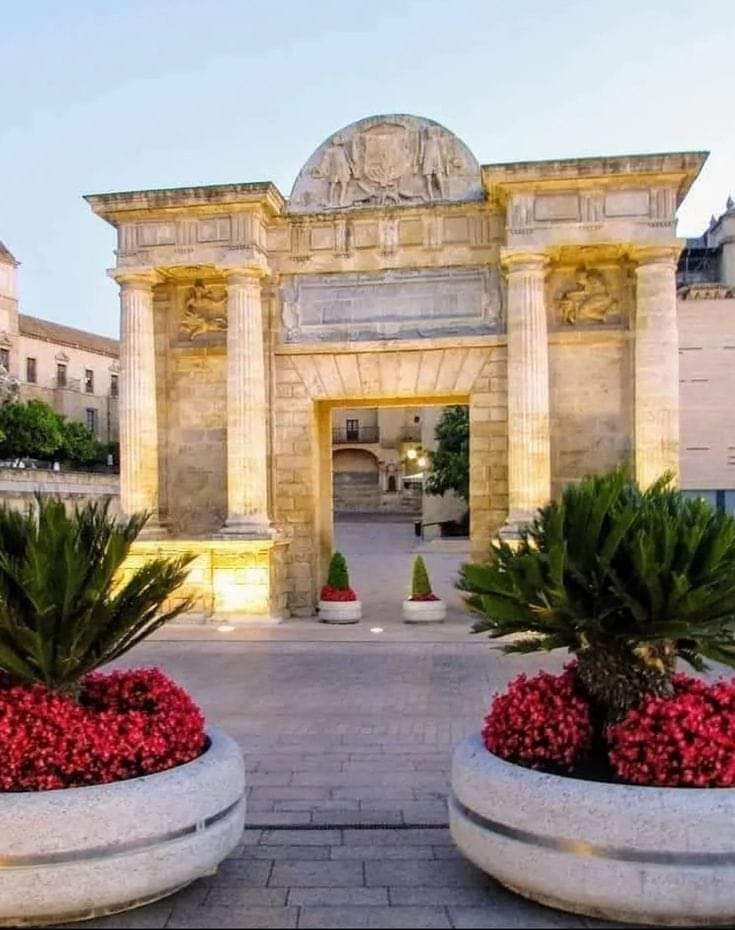
Córdoba
Moorish history and Andalusian elegance
Argentina's second-largest city doesn't get the press Buenos Aires does, but that's exactly why you should go. Córdoba serves up colonial architecture, world-class universities, and some of the country's best nightlife without the tourist crowds. The city sits in the geographic heart of Argentina, surrounded by rolling hills and dotted with 16th-century Jesuit buildings that earned it UNESCO World Heritage status. But don't let the historic label fool you — this is a young, energetic place where students pack late-night cafés and tango dancers spill onto cobblestone streets. You'll find excellent food for a fraction of Buenos Aires prices, plus day trips to mountain towns that feel worlds away from city life.
Best Months
MAR · APR · MAY · SEP · OCT · NOV
~23°C · moderate crowds
Culture & Context
LAYERS OF EMPIRES
Córdoba is Argentina's second-largest city, founded in 1573 by Spanish conquistador Jerónimo Luis de Cabrera, and the country's historical center of learning — locals call it "La Docta" (from doctorate). The Universidad Nacional de Córdoba, founded in 1613, is one of the oldest universities in the Americas and still drives the city's culture, politics, and nightlife today.
The city has a distinct identity that sets it apart from Buenos Aires. Cordobeses are known for their sing-song tonada accent (teased but beloved nationwide), their dry humor, their cuarteto music, and their deep loyalty to fernet con coca as a way of life. There's a genuine pride in being from Córdoba rather than BA — and a friendly rivalry between the two cities that surfaces constantly.
The Córdobazo of 1969 — a student-worker uprising against the military government — happened here, and that rebellious, politically engaged spirit still runs through the university culture. The city also preserved one of Argentina's most significant UNESCO World Heritage Sites: the Jesuit Block, a colonial-era complex of churches, residences, and universities that shaped the entire region.
Cuarteto music, a genre born in Córdoba in the 1940s combining European polka rhythms with local Argentine sounds, is the city's musical heartbeat. La Mona Jiménez is its undisputed king — a living legend who still performs. Hearing cuarteto blasting from a car at midnight is as Córdoba as it gets.
Local Customs
SIESTA & LATE MEALS
Greet everyone with a single kiss on the right cheek — yes, even men greeting men do this in social settings. Handshakes are for formal business situations only. Going in for a handshake when a kiss is expected is one of the faster ways to brand yourself as a tourist..
If someone offers you mate, accept it. Refusing mate is refusing friendship. Drink all the liquid in the gourd before handing it back to the cebador (the person pouring).
Don't touch the bombilla (metal straw). Say 'gracias' only when you're done and don't want more.. Dinner happens late — 9pm to 10pm is normal.
Restaurants are barely half-full before 9:30pm on weekdays. Don't show up at 7pm and wonder why the kitchen seems surprised to see you. If you need to eat earlier, have a merienda (afternoon snack) around 5–6pm to tide you over..
Cuarteto is Córdoba's soul music. Don't dismiss it. Going to a cuarteto bailanta (dance night) — especially anything involving La Mona Jiménez — is one of the most genuinely local things you can do in this city..
Social punctuality is loose by northern hemisphere standards. Being 15–30 minutes late to a dinner invitation is completely normal and expected. Showing up on time can actually make hosts feel rushed.
Business settings are different — be punctual for those.. It's illegal to drink alcohol openly on the street in Córdoba. Keep the fernet in the apartment or at the bar..
Tip 10% in restaurants. Leave it in cash directly — tips are rarely added to card payments automatically. The 'cubiertos' charge on your bill (a bread and water fee) is separate and not a service charge..
Cordobeses use augmentatives constantly — nothing is small here. You don't have a little cold (resfriado), you have a resfriado bárbaro. The heat isn't just hot, it's un calorazo.
Lean into it.
Safety
WATCH BELONGINGS, AVOID HEAT
Córdoba is considered safer than Buenos Aires and most large Latin American cities, with a Safety Index of around 61. Violent crime is relatively uncommon. That said, it's a city of 1.6 million — normal awareness applies.
The main thing to watch for: motorcycle snatch-thefts (motochorros), a growing trend across Argentina. They operate in pairs; one drives, the other grabs phones and bags from pedestrians or through car windows. Keep your phone in your pocket on busy streets, not in your hand.
Pickpockets are active around the bus terminals (T1 and T2) and crowded markets. The riverfront has poorly-lit sections at night — stick to busier areas after dark.
Safest neighborhoods for staying: Cerro de las Rosas, Villa Cabrera, General Paz, and Nueva Córdoba (with normal urban awareness). Avoid isolated areas late at night near the bus station.
Use Uber or Cabify after dark rather than walking alone through unfamiliar areas. For solo women travelers: the city has a large female student population living independently, which speaks to its relative safety — follow standard urban common sense and you'll be fine.
Emergency numbers in Córdoba: Police 101, Medical 107, Fire 100.
Getting Around
WALKABLE OLD CITY
Córdoba's airport is Ingeniero Ambrosio Taravella (COR), also called Pajas Blancas, located 15km north of the city — about a 25-minute drive without traffic. From the airport, the AeroBus runs directly to the city bus terminal (much cheaper than a taxi). Uber and Cabify also pick up from the parking lot opposite the terminal.
Inside the city, the bus network is extensive and covers every neighborhood, running roughly 5:30am to midnight. You need a SUBE card (Argentina's national transit card) to pay for buses — buy one at kiosks or the terminal and load credit as needed. Five main lines plus trolleybuses on select routes.
For rideshare, Uber, Cabify, and DiDi all operate in Córdoba. This is the recommended option after dark. The city is also very walkable in the Centro Histórico, Nueva Córdoba, and Güemes — these three zones are compact enough to cover on foot.
For day trips to the Sierras, the Tren de las Sierras is a scenic narrow-gauge train connecting the city to Capilla del Monte via the Punilla Valley. It runs on a limited schedule so check ahead. Long-distance buses depart from two terminals: T1 (Terminal Vieja) and T2 (Terminal Nueva). Argentine long-distance buses are genuinely excellent — the cama suite class reclines to 180 degrees. Buy tickets on Plataforma 10 (plataforma10.com) or at the terminal.
Buenos Aires to Córdoba: 1hr 20min by plane; overnight train runs twice a week from Retiro Station (21 hours); or 8–9 hours by premium bus.
Useful Phrases
Córdoba Itineraries
View all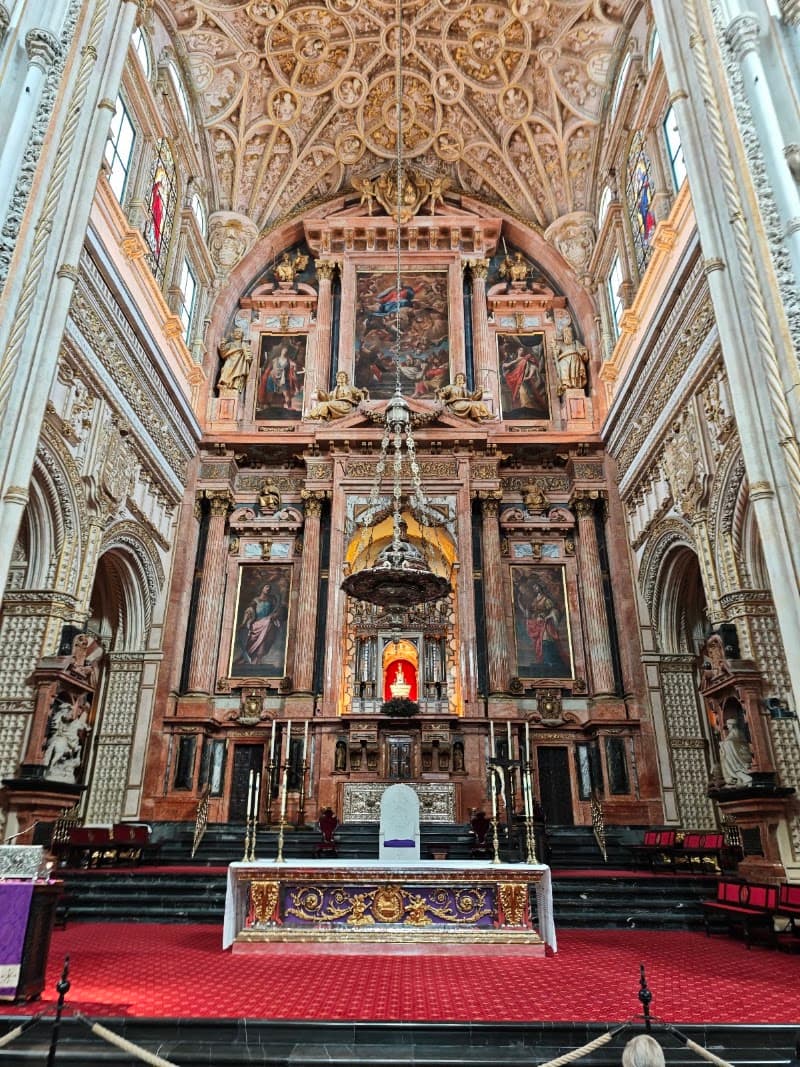
Seven Days in La Docta: Córdoba’s Cultural Heartbeat
Week · $$$
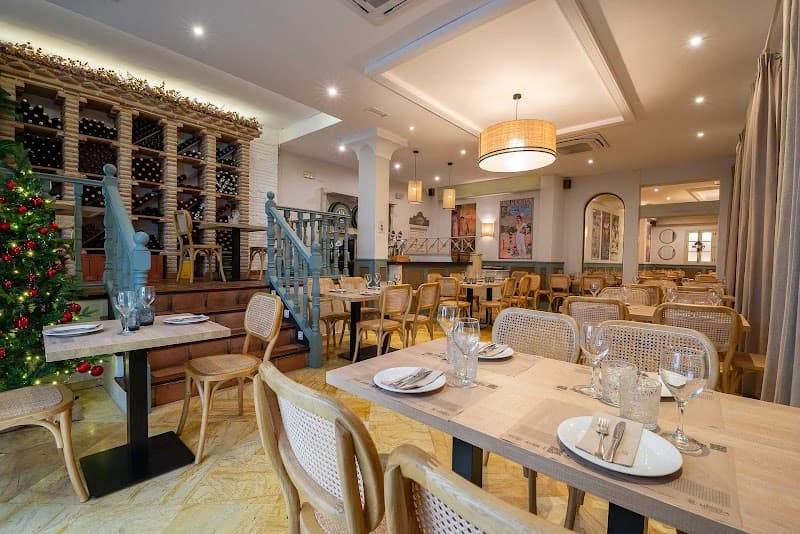
7 Days of Moorish Córdoba, Patios, and Riverside Calm
Week · $$$
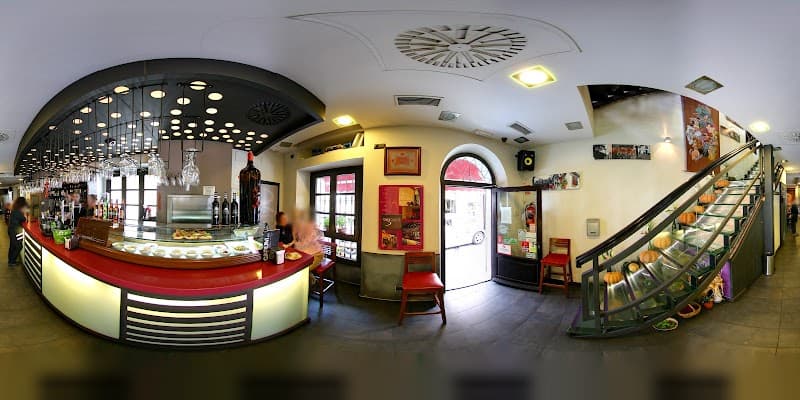
Three Lush Days in Córdoba’s Moorish Heart
Weekend · $$$
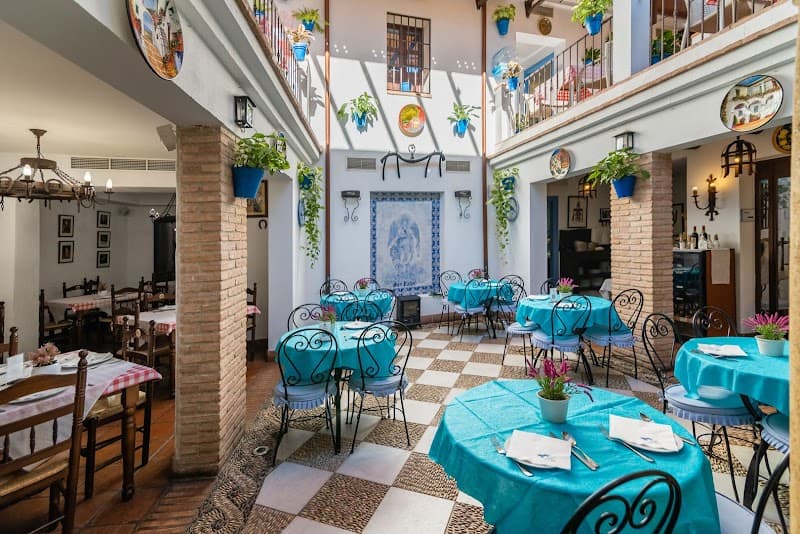
7-Day Córdoba Romance with Patios, Mezquita, and Slow Wanders
Week · $$$
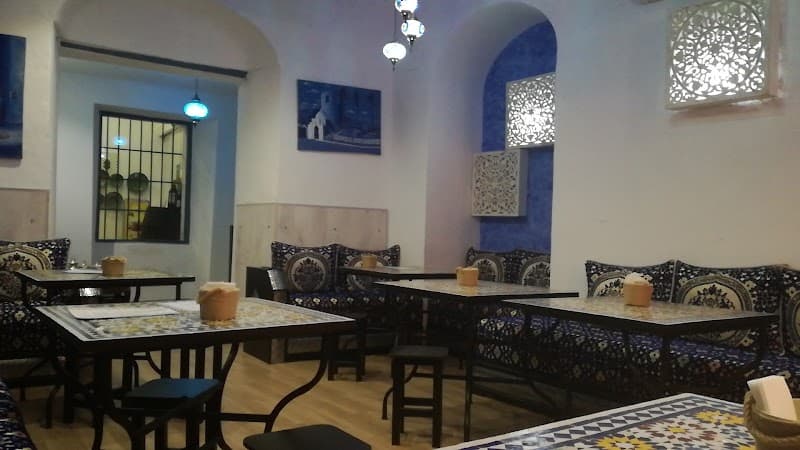
Romantic, Lush Córdoba: Patios, Lanterns & Riverlight
Weekend · $$$
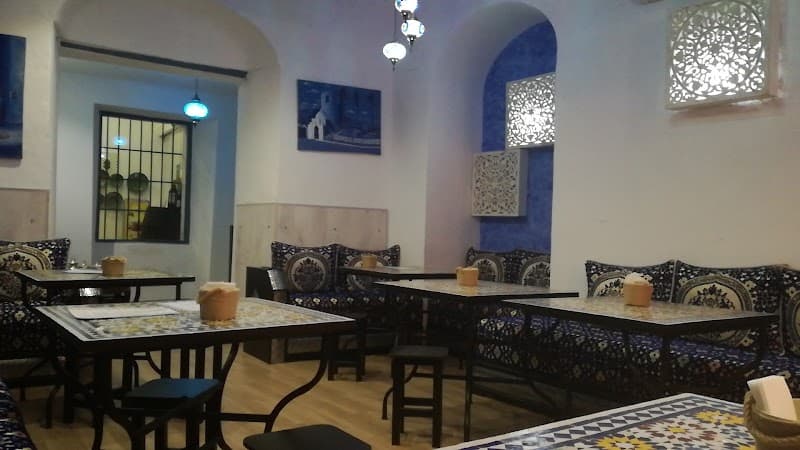
Seven Serene Days in Córdoba’s Lush Old Quarters
Week · $$$
Where to Stay in Córdoba
6 recommended properties
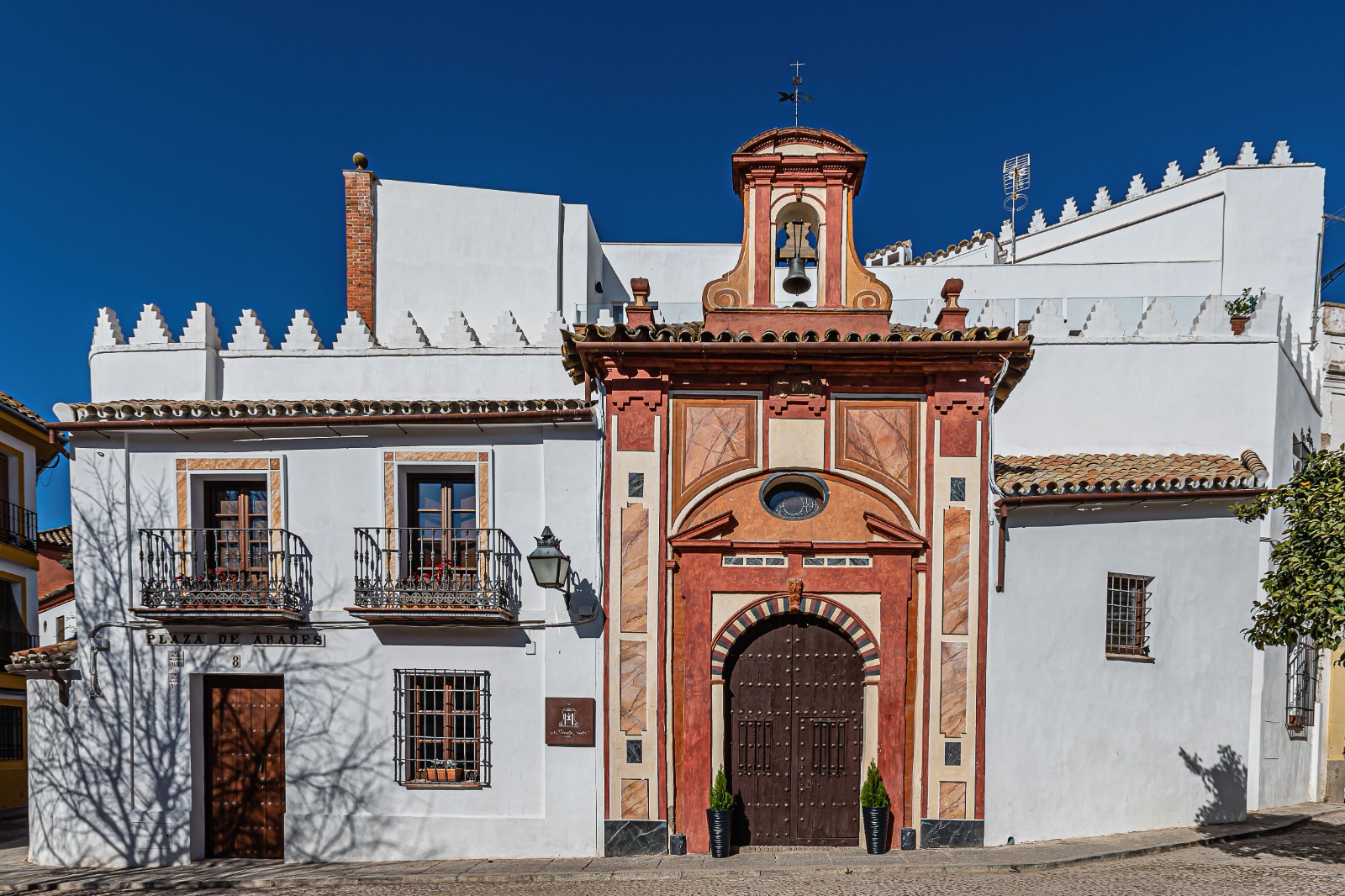
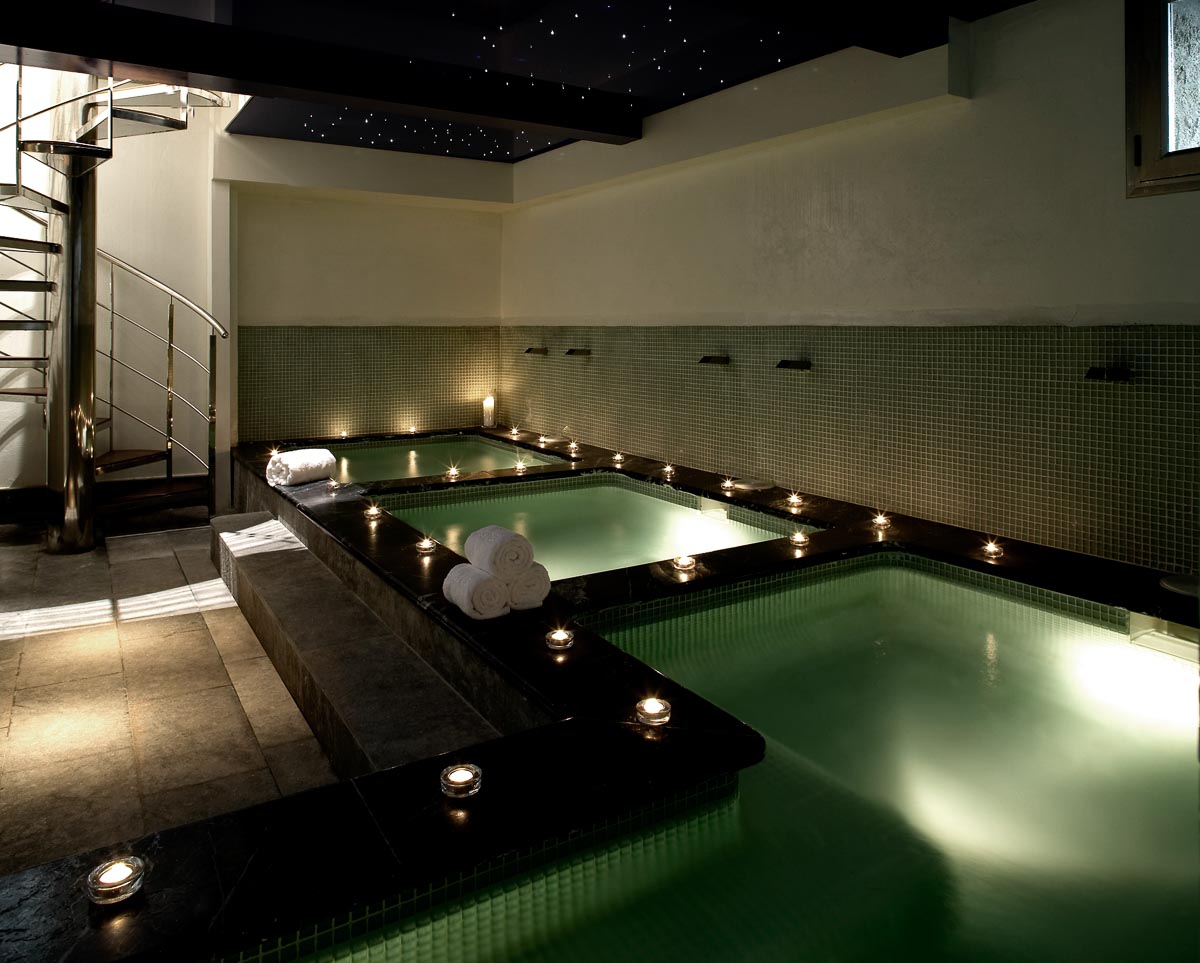
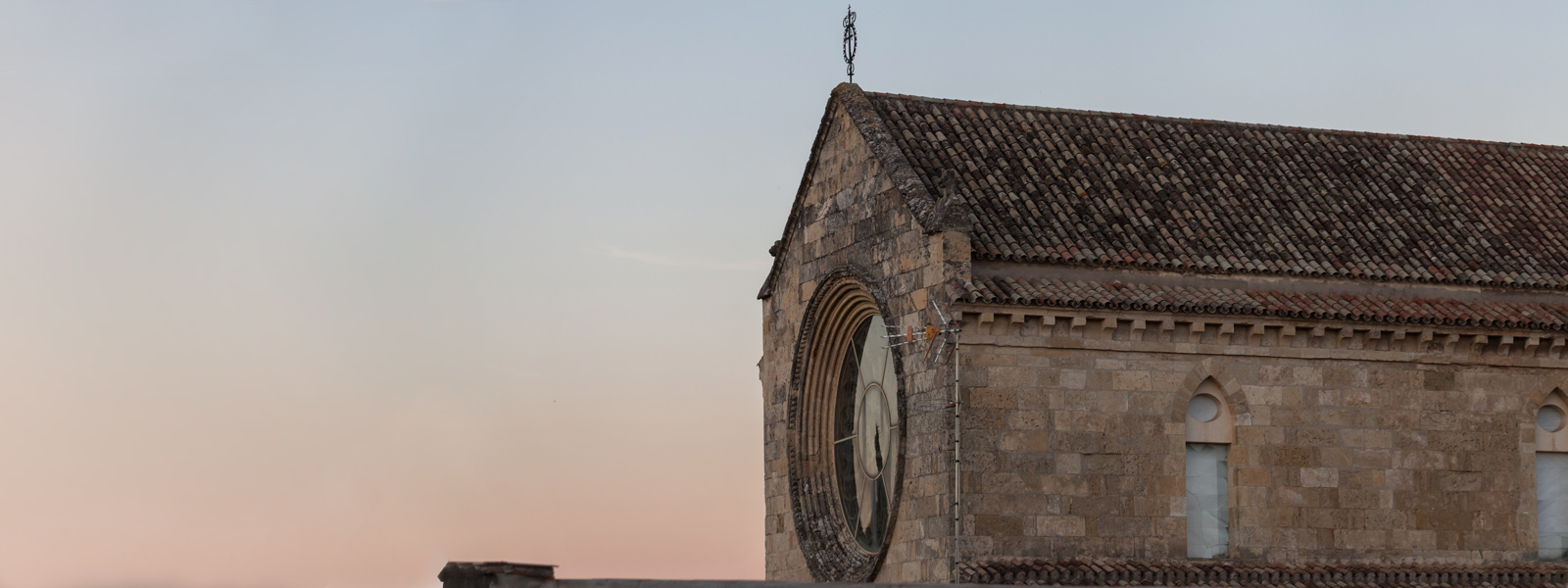
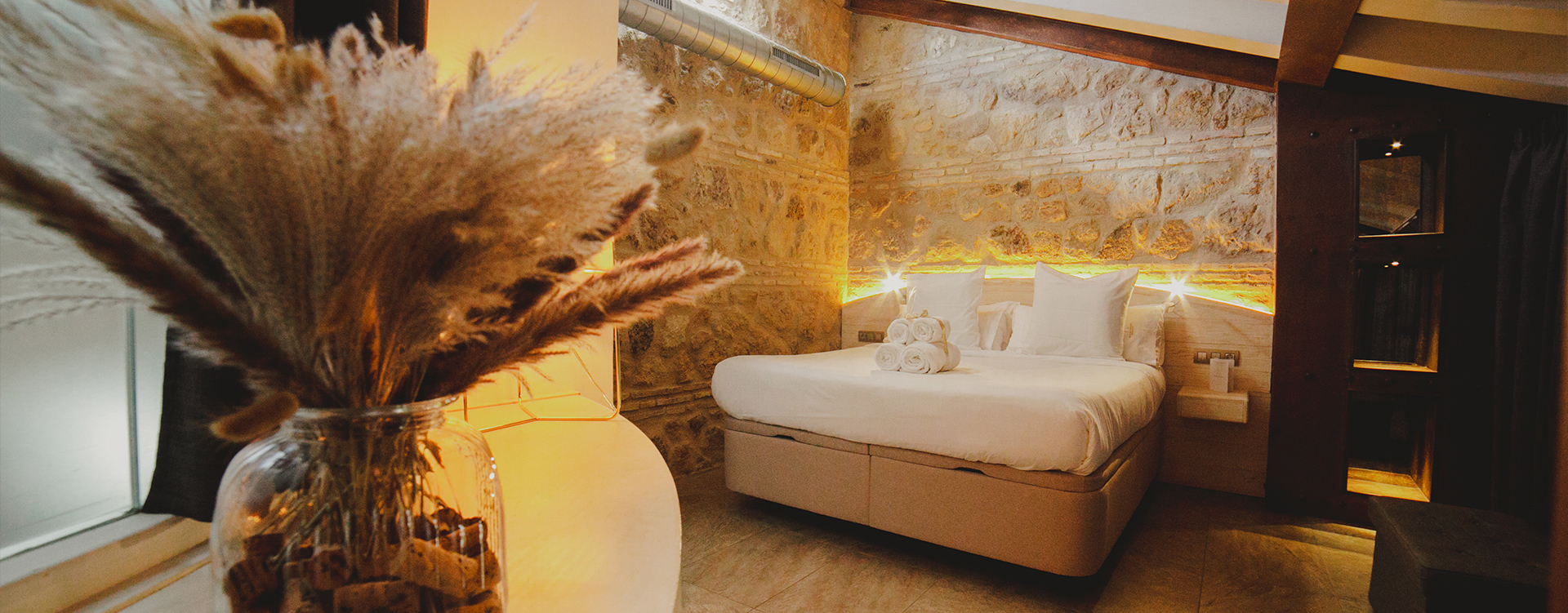
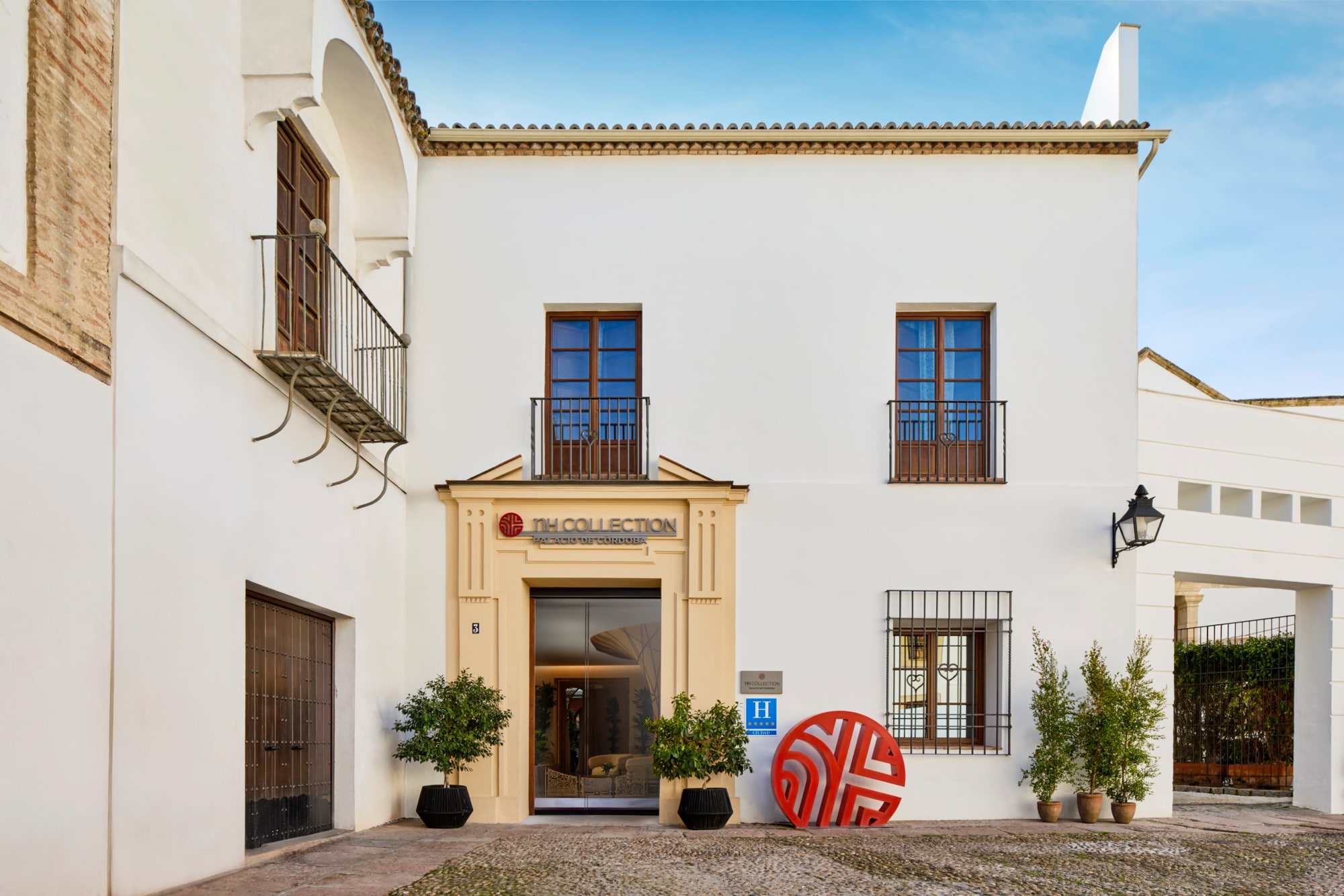
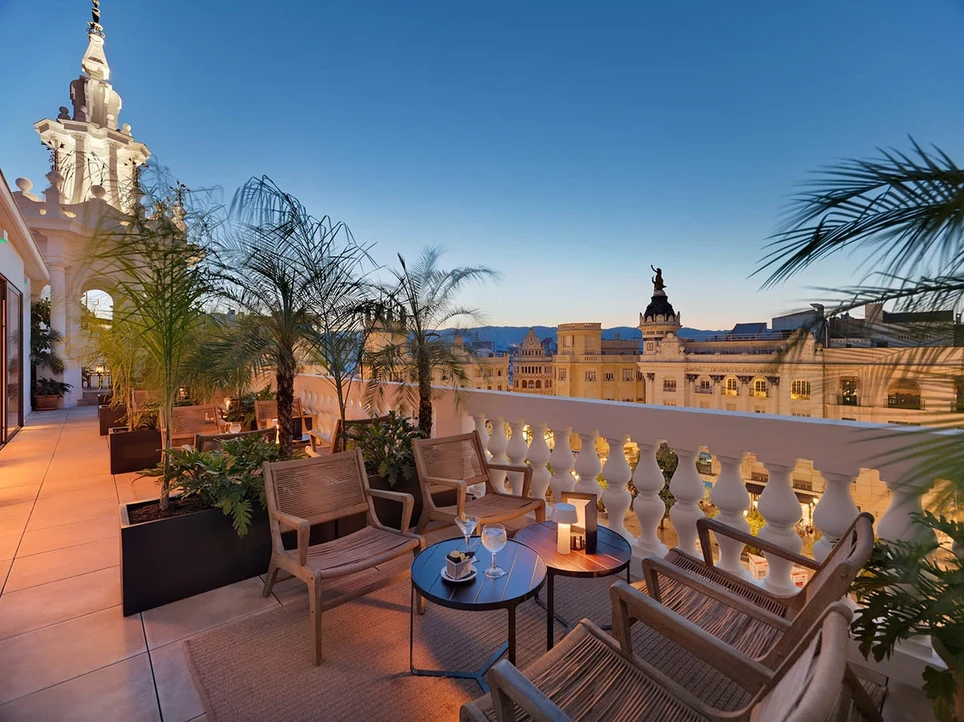
Things to Do in Córdoba
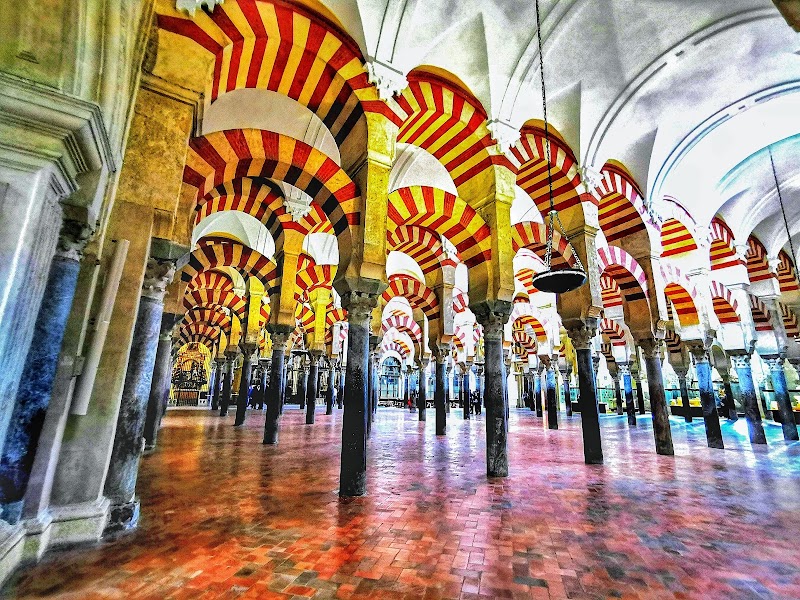
Mezquita-Catedral de Córdoba
Mezquita / Judería · 120 min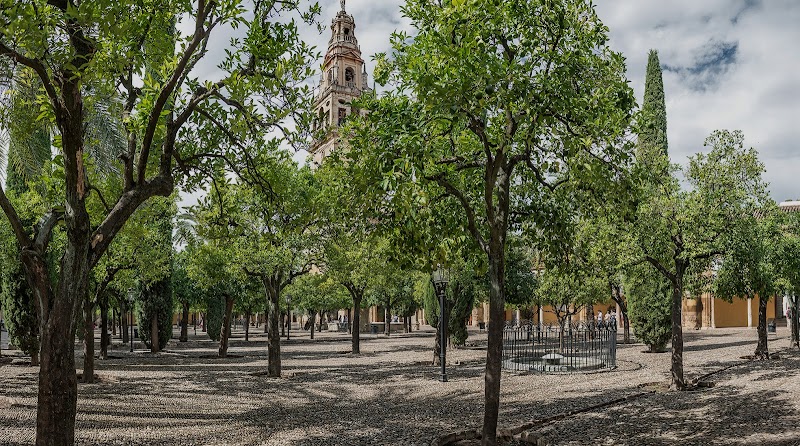
Patio de los Naranjos & Judería Stroll
Mezquita / Judería · 90 min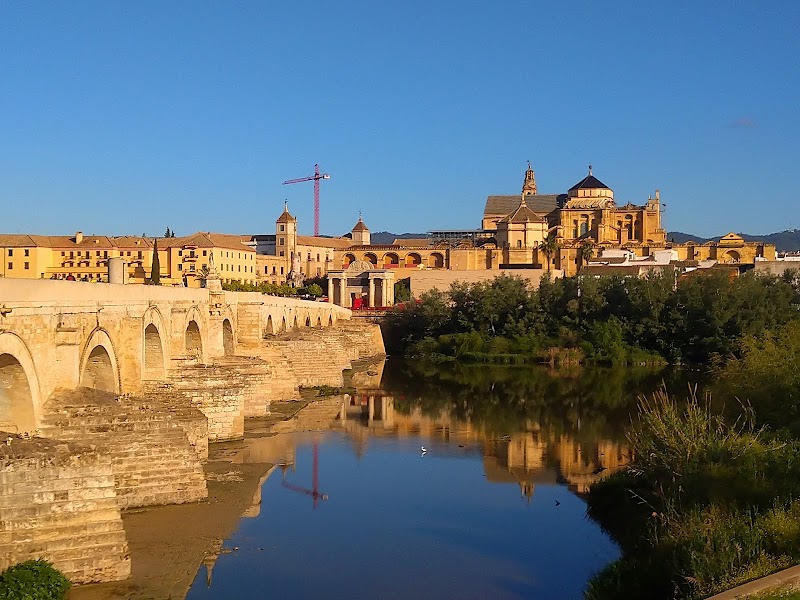
Roman Bridge & Calahorra Tower (Exterior Walk)
Ribera / Roman Bridge · 60 minMoney-Saving Tips
- 1.Eat lunch at university cafeterias near UNC campus — full meals for under $4 and open to everyone
- 2.Buy wine directly from local bodegas in the suburbs — bottles cost 60% less than city center shops
- 3.Use the free BiCiudad bike system instead of taxis for short trips around downtown
- 4.Hit up happy hours at student bars in Nueva Córdoba — drinks cost half price before 10 PM
- 5.Shop at Mercado Norte for groceries and local products at wholesale prices
- 6.Book accommodation in Barrio Güemes instead of Nueva Córdoba — similar vibe, 30% cheaper
- 7.Take advantage of free walking tours that start daily from Plaza San Martín at 10 AM
Travel Tips
- •Download the Córdoba city app for real-time bus schedules and bike station locations
- •Learn basic Spanish — English isn't widely spoken outside tourist areas and hotels
- •Carry small bills — many places don't accept large peso notes or credit cards
- •Siesta hours (2-5 PM) mean many shops and restaurants close — plan accordingly
- •The historic center gets crowded during university graduation season (December-March)
- •Altitude is minimal here but the sun is intense — bring sunscreen and a hat
- •Tango shoes with suede soles are available to rent at most milongas for better dancing
- •Book day trips to mountain towns in advance during peak season (March-May)
- •Street art tours happen every Saturday morning — meet at the Güemes monument
- •The cathedral offers free tours in Spanish every Tuesday and Thursday at 4 PM