Lille
Culture & Context
FLEMISH SOUL, FRENCH HEART
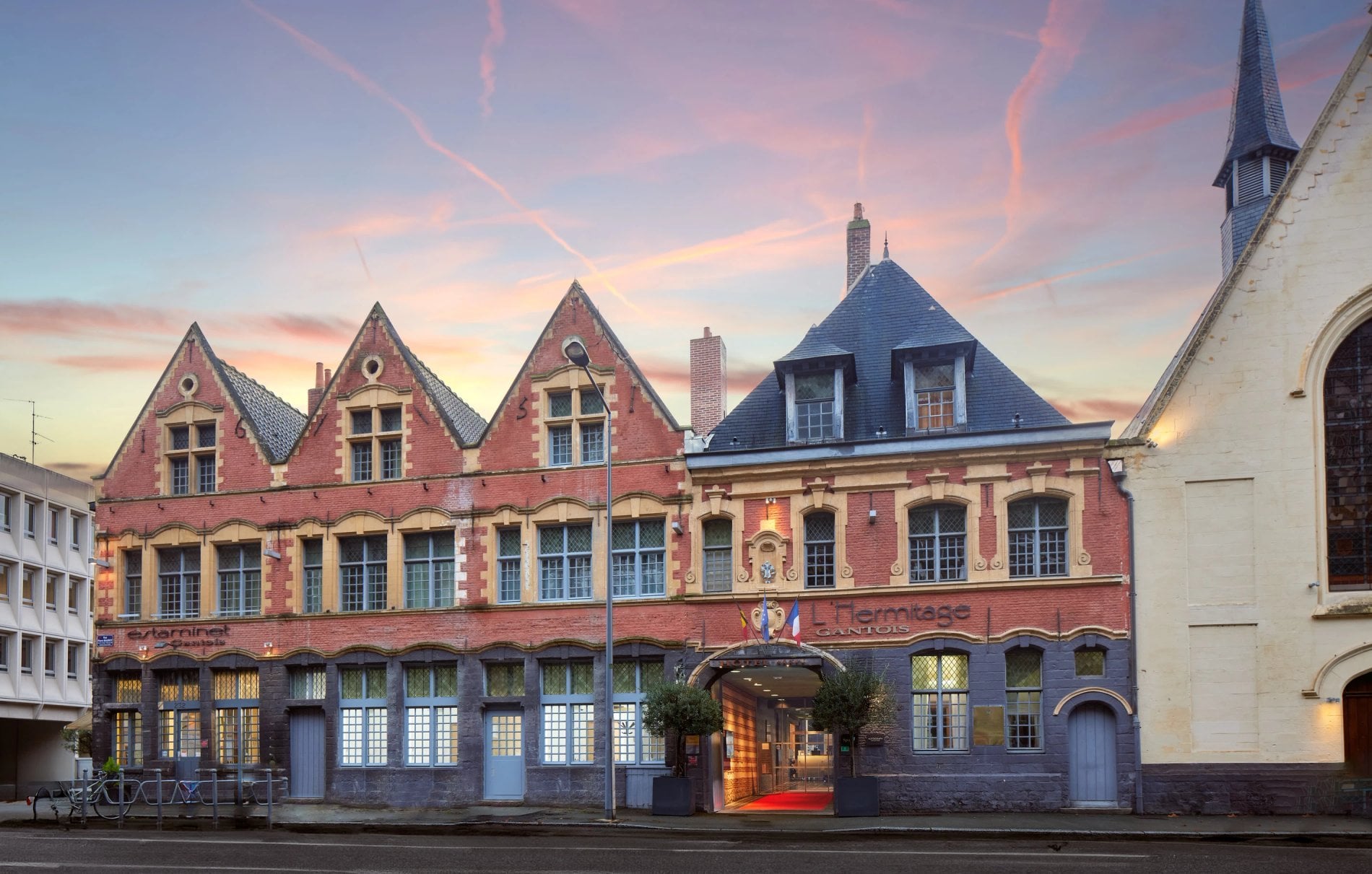
Lille sits right on the cultural fault line between France and Flanders, and it shows in everything from the brick-and-stone facades to the beer culture that rivals Belgium just down the road. This is the capital of Hauts-de-France — a city of around 235,000 that punches well above its weight culturally. It hosted the Séries Mania festival, one of Europe's biggest TV series events. It has one of France's most important fine art museums. And it throws what's possibly the continent's largest flea market every September. The locals, called Ch'tis, speak their own regional dialect, have their own foods (moules-frites, maroilles cheese, carbonade flamande), and a genuine warmth that southern France doesn't always match. Birthplace of Charles de Gaulle. Student city. Post-industrial reinvention happening in real time in neighborhoods like Fives and Saint-Sauveur. It's often described as a mini-Brussels with a French accent, and that's not far wrong.
cultural_context_headline: FLEMISH SOUL, FRENCH HEART
Local Customs
BONJOUR FIRST, ALWAYS
Always say 'Bonjour' when entering a shop or café — skipping the greeting is considered genuinely rude, not just impolite.. Service charge is included in restaurant bills (service compris). Tipping is appreciated but not obligatory — rounding up or leaving a euro or two is enough..
The 'bise' (cheek kiss) greeting is common in northern France — expect two kisses when meeting locals socially, though handshakes work fine with strangers.. Speak quietly on public transport. French people speak at noticeably lower volumes in shared spaces than many other nationalities..
Lunch is serious business. Many local restaurants only serve between 12:00 and 14:00. Don't show up at 14:30 expecting a full menu..
Sunday is Wazemmes market day — half the city heads there. Go early (before 10am) for the best produce and before the crowds peak.. Ch'ti culture prizes warmth and conviviality (convivialité).
Locals are genuinely friendly, especially if you show any curiosity about the region's food, beer, or dialect.
Safety
GENERALLY SAFE, WATCH YOUR BAG
Lille is one of the safer major French cities, with low violent crime rates relative to its size. Petty theft (pickpocketing) is the main concern, especially around the train stations (Gare Lille-Flandres and Gare Lille-Europe), the Grand Place on busy weekends, and the Wazemmes market. Keep bags zipped and close when in crowds. At night, stick to well-lit central streets — Vieux-Lille, the Grand Place area, and République-Beaux-Arts are all fine. The peripheral neighborhoods of Moulins, Lille-Sud, and the outer housing estates warrant more caution at night, but tourists rarely end up there anyway. Emergency number is 112 across the EU. Always validate your metro ticket — inspectors do check and fines are real.
safety_headline: GENERALLY SAFE, WATCH YOUR BAG
Getting Around
METRO, WALK & BIKE
The Ilévia network covers the city with two metro lines, trams, buses, and a V'Lille bike-share scheme. A single metro/tram/bus ticket costs €1.80 and gives you one hour of travel with transfers included. Short trips (up to 3 stops on metro/tram) qualify for the ZAP ticket at €1.20. A carnet of 10 tickets runs €15.80. A day pass is €5.50. Monthly pass for non-residents: €65. Buy tickets at station machines (English language option available) or through the Ilévia app. The central areas — Vieux-Lille, Grand Place, Wazemmes — are very walkable. The Citadelle park and Bois Blancs along the Deûle canal are great by bike. From August 2026, the bus network is being overhauled with 3 new city lines and express connections. A major expansion of metro capacity is also underway — expect some disruptions. Lille is 1 hour from Paris by TGV, and Eurostar connects it to London in about 1.5 hours via the Channel Tunnel.
transport_headline: METRO, WALK & BIKE
Useful Phrases
Where to Stay in Lille
5 recommended properties