Panama
Where two oceans meet tropical adventure
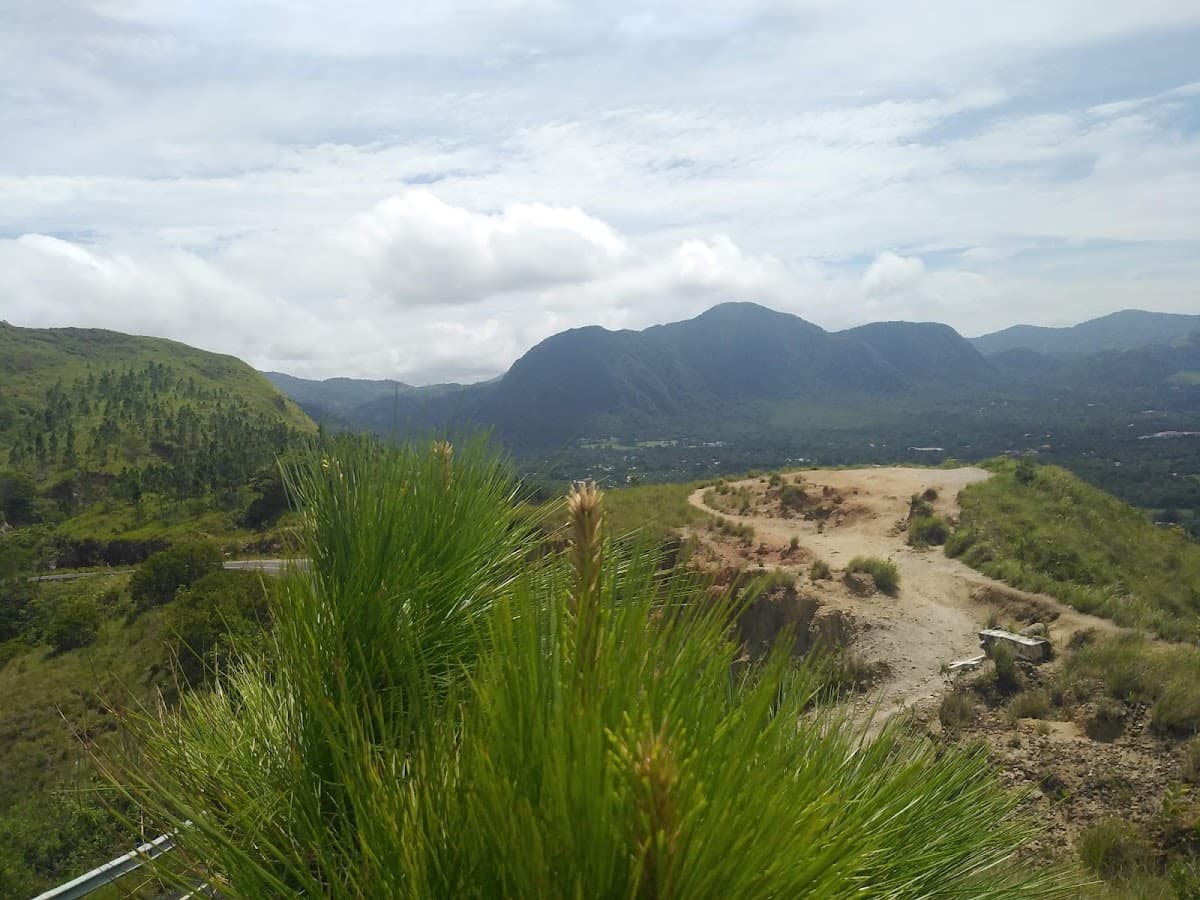
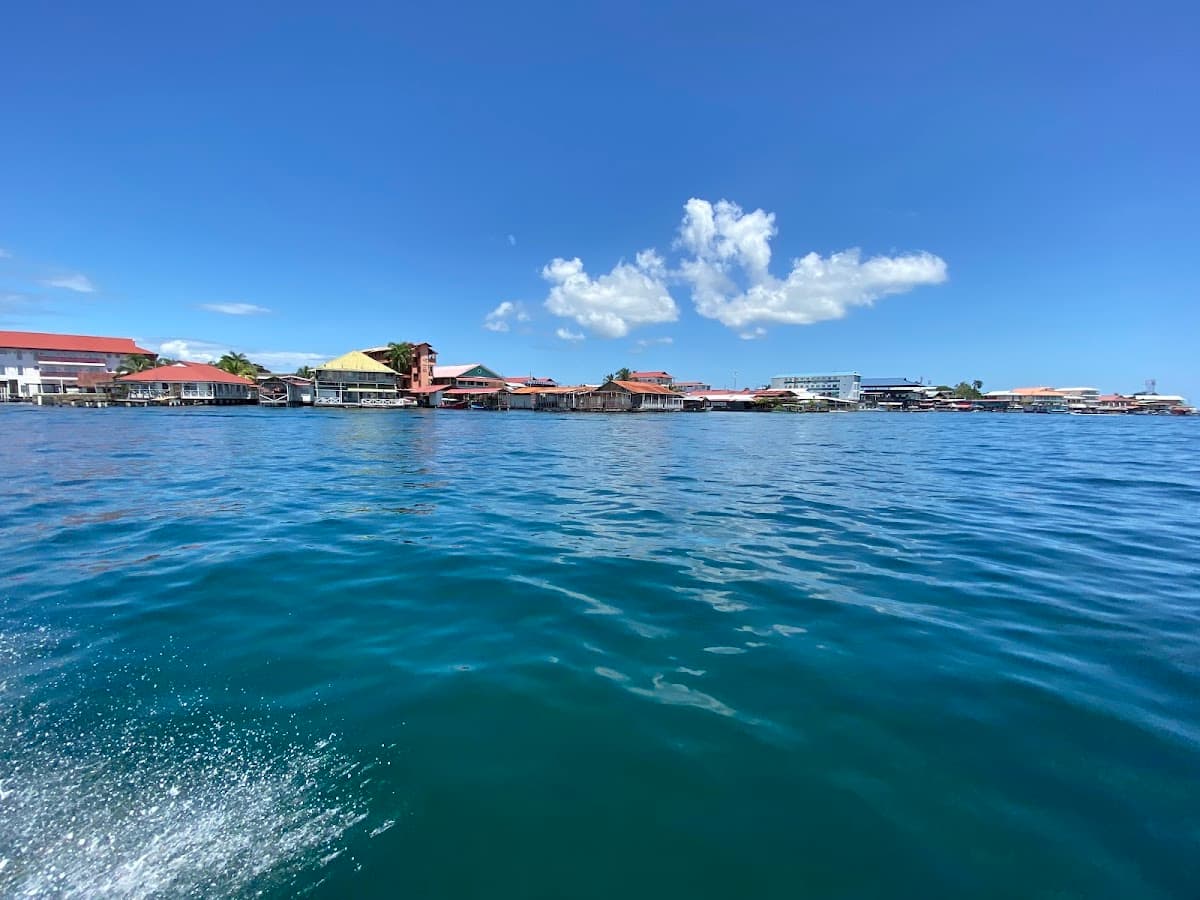
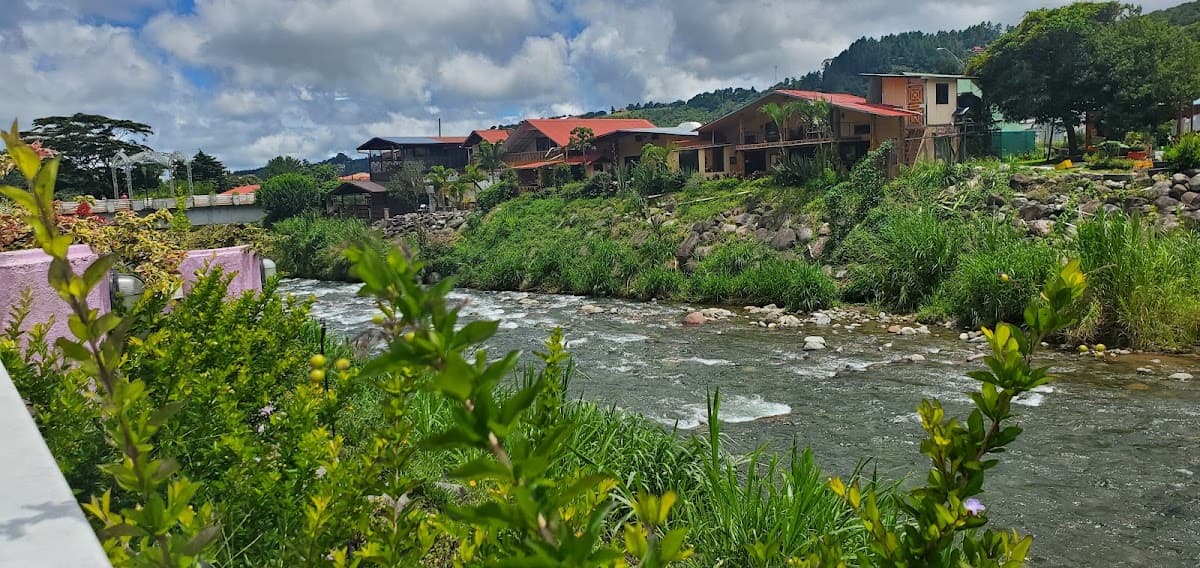
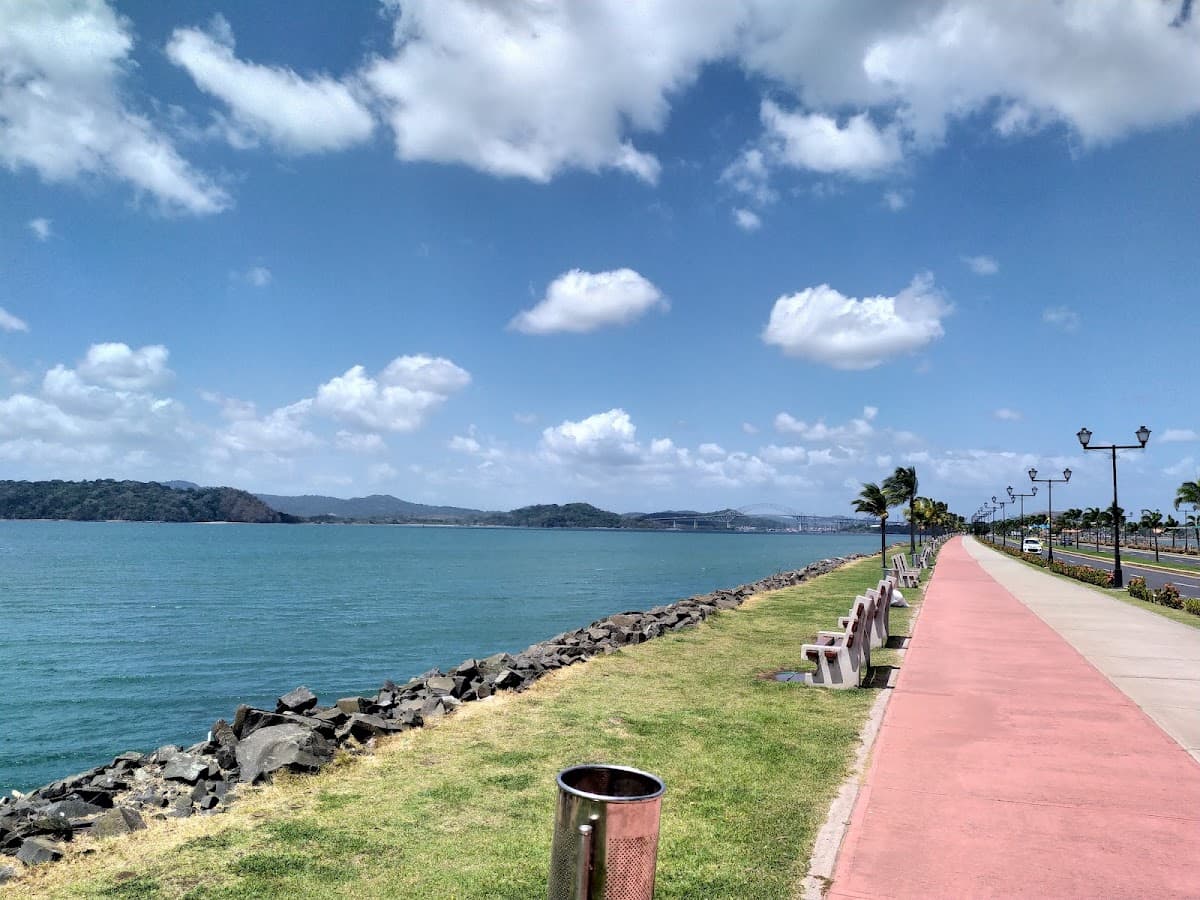
Panama punches way above its weight. This narrow strip of land connects two continents and two oceans, creating one of the most biodiverse countries on Earth. You can snorkel Caribbean reefs in the morning and watch Pacific sunsets in the evening. The Panama Canal remains an engineering marvel worth seeing, but the real magic happens in places like Bocas del Toro's turquoise waters and the cloud forests of Chiriquí. Panama City blends gleaming skyscrapers with cobblestone streets in Casco Viejo. And here's the thing — it's still affordable compared to Costa Rica next door. The dollar is the currency, English is widely spoken, and you can get from rainforest to beach in under two hours.
Explore Cities
Explore the Region
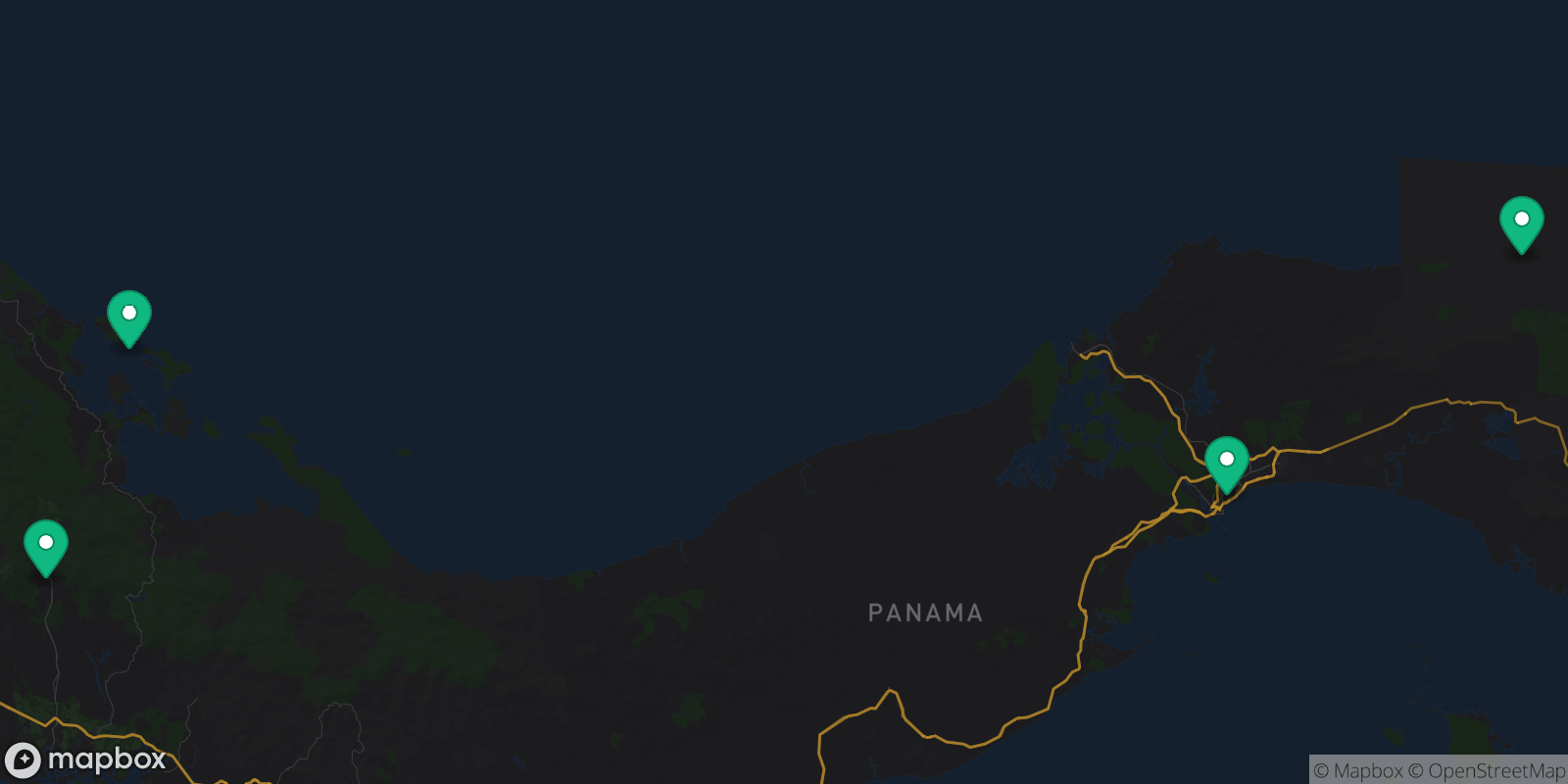
Panama Itineraries
View all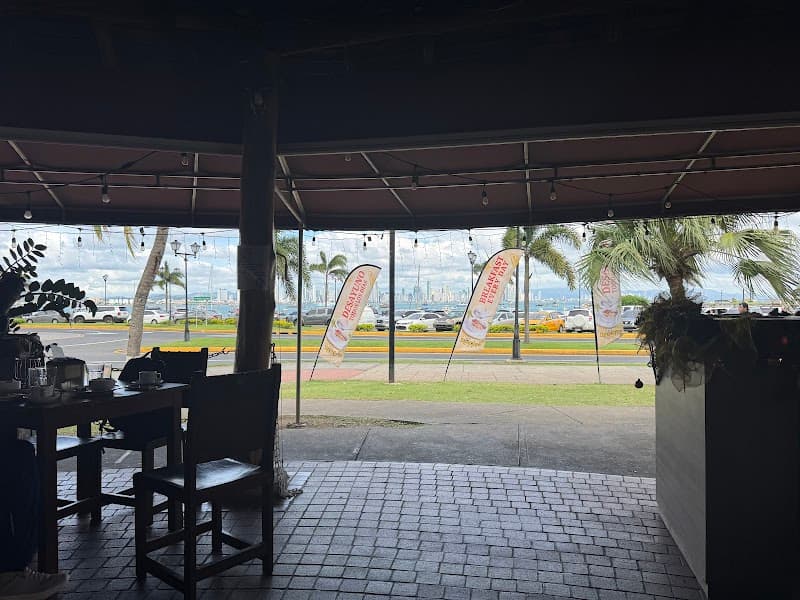
Tropical Adventures & Night Views in Panama City
Weekend · $$$
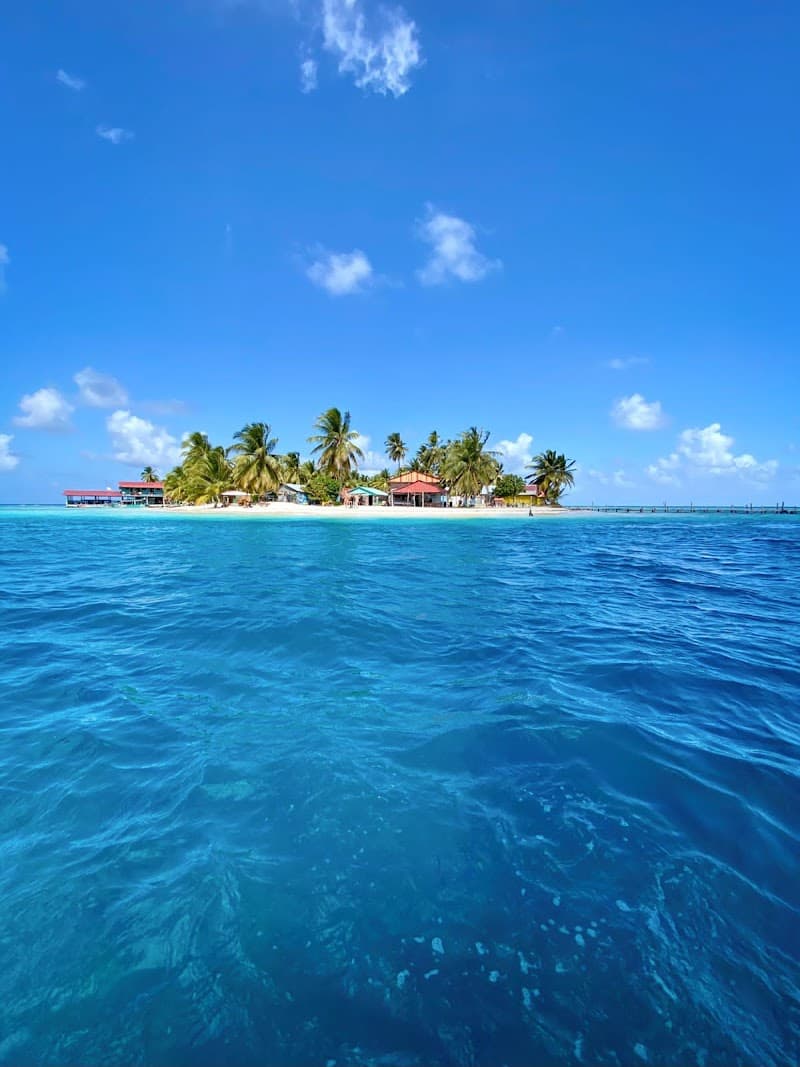
Seven Wild Days Among the Guna Yala Islands
Week · $$$

Jungle Seas & Island Hopping in San Blas
Weekend · $$$
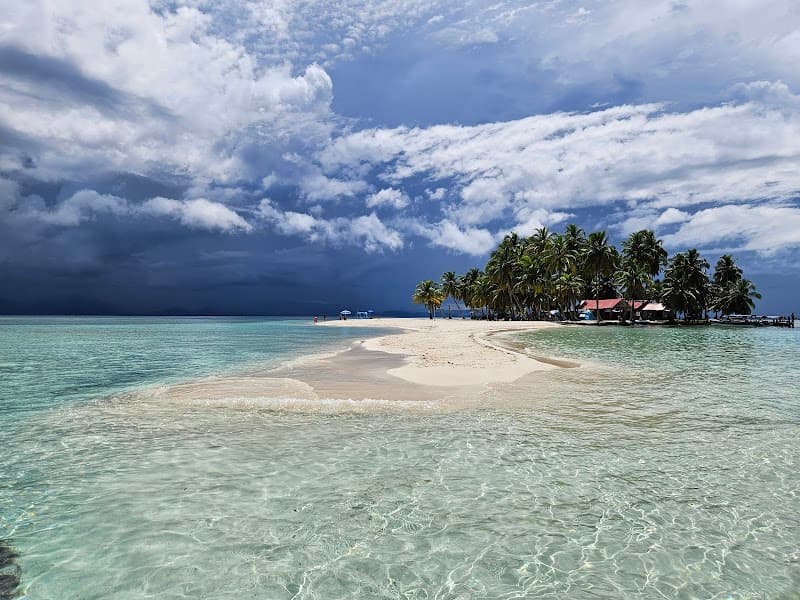
Seven Slow Tropical Nights in the San Blas Islands
Week · $$$
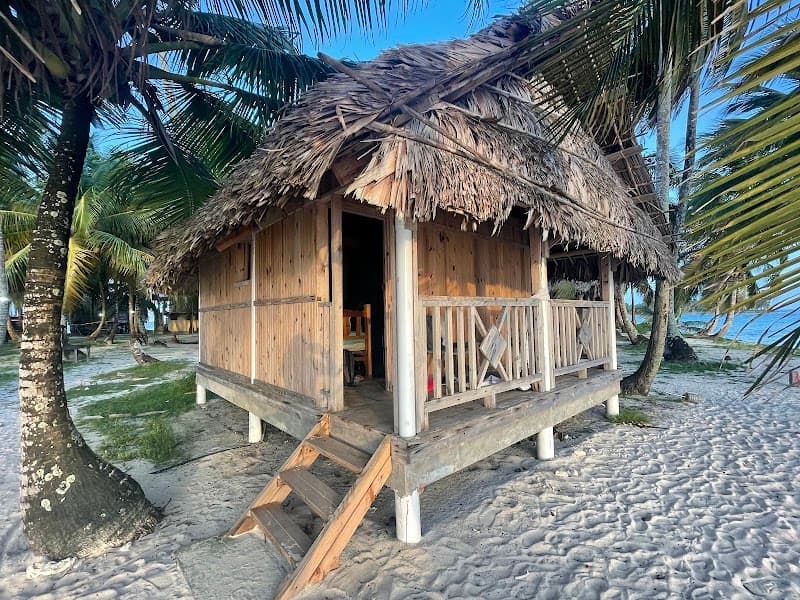
Jungle Seas & Star Pools: A Romantic San Blas Escape
Weekend · $$$
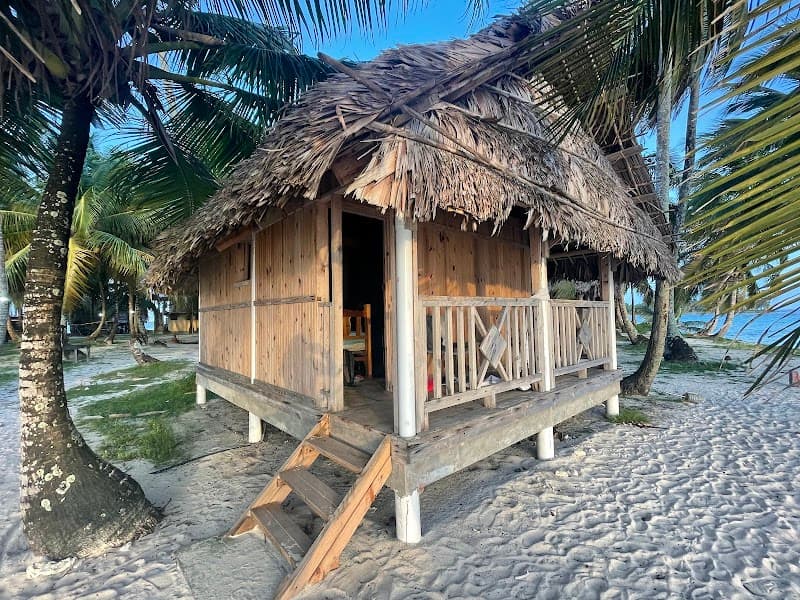
Family Island Hopping in the Wild San Blas Paradise
Week · $$$
Money-Saving Tips
- 1.The US dollar is Panama's official currency — no need to exchange money or calculate conversion rates
- 2.ATMs are everywhere in cities but charge $3-5 fees. Bring cash for rural areas and islands
- 3.Tipping isn't expected but 10% is appreciated at nicer restaurants. Round up for taxis and guides
- 4.Local buses cost $0.25-1 in cities, $1-3 for longer routes. Much cheaper than taxis or rentals
- 5.Eat at fondas (local diners) for meals under $5. Tourist restaurants charge 3x more for similar food
- 6.Domestic flights cost $100-200 but save hours of driving. Book directly with airlines for best deals
- 7.Markets and street vendors accept cash only. Bring small bills — they rarely have change for $20s
- 8.Happy hour runs 4-7pm at most bars with 2-for-1 drinks. Take advantage before dinner
- 9.Hostel dorms start at $12-15, mid-range hotels $40-80, luxury resorts $200+. Book ahead in dry season
Travel Tips
- •Pack for two climates — beach gear for the coasts, layers for the cool mountains
- •Yellow fever vaccination required if coming from infected countries. Malaria pills recommended for remote areas
- •Download offline maps. GPS works well but cell service drops in rural zones and islands
- •Learn basic Spanish phrases. English is common in tourist areas but Spanish opens doors elsewhere
- •Bring reef-safe sunscreen. Regular sunscreen damages coral reefs in marine parks
- •Pack insect repellent with DEET. Mosquitoes are active at dawn and dusk year-round
- •Electrical outlets use US-style plugs (Type A/B). No adapter needed for American devices
- •Book accommodations ahead during dry season (Dec-Apr) and holidays. Everything fills up fast
- •Carry copies of your passport. Originals stay locked up, copies work for most situations
- •Water taxis don't run in rough weather. Build flexibility into island-hopping itineraries