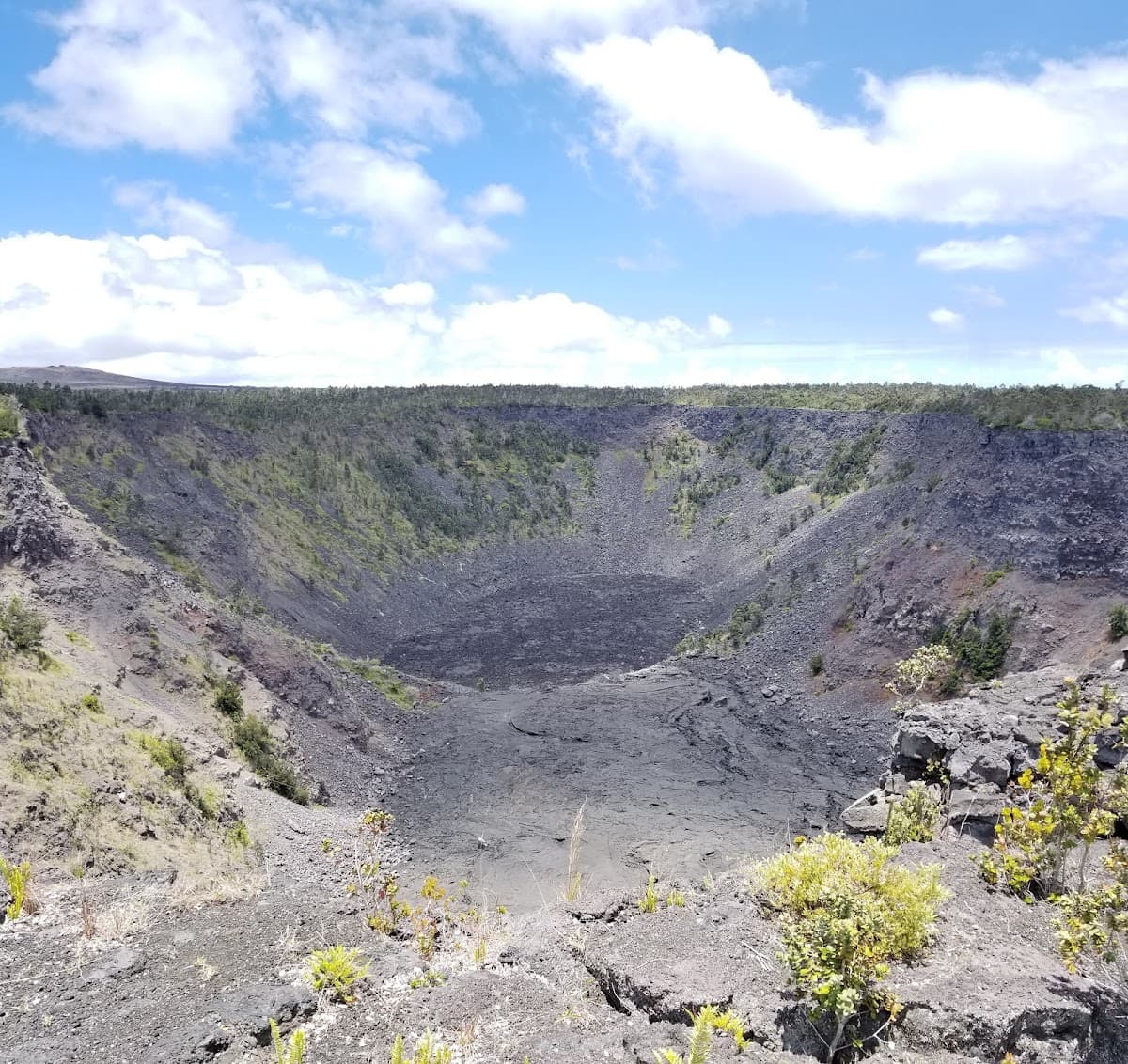
Big Island Volcanoes Region in December
Not the best time
December isn't ideal for Big Island Volcanoes Region. Consider a different month.
All Months
The Volcanoes Region experiences two distinct seasons, but neither matches typical Hawaiian weather patterns. The dry season runs April through June and September through November - these months offer the clearest skies for viewing volcanic activity and the most comfortable hiking conditions. Temperatures at Kilauea's summit hover around 60-70°F year-round due to the 4,000-foot elevation. Pack layers. The wet season (December through March) brings heavy rains and cloud cover that often obscures the volcanic craters entirely. But here's the upside: fewer crowds and dramatically lower accommodation prices. July and August see the biggest crowds as mainland families visit, making park parking a nightmare by 10am. Volcanic activity operates on its own schedule - Kilauea might be actively erupting with spectacular lava fountains, or it might be quiet with just glowing vents. Check the USGS Hawaiian Volcano Observatory website before your trip for current activity levels. The most dramatic viewing typically happens at night when the glow is most visible.
Big Island Volcanoes Region Scores
Solo
7/10
Couples
6/10
Families
6/10
Adventure
10/10
Budget
6/10
Luxury
3/10