Forte Dei Marmi
Culture & Context
**cultural_context_headline: ITALY'S LUXURY BEACH**
Forte dei Marmi is Italy's answer to the Hamptons, and Italians have been quietly hoarding this secret for over a century. The name translates literally to "Fort of the Marbles," a nod to the 1788 Lorenese fortress that still anchors Piazza Garibaldi and to the Carrara marble that once flowed down from the Apuan Alps through here to the sea. The same quarries that supplied Michelangelo's David. That history gives the place a certain weight that most beach resorts completely lack.
The Agnelli family (Fiat money) started summering here in the 1920s, and European aristocracy, artists, and intellectuals followed. Thomas Mann, Aldous Huxley, Henry Moore, Guglielmo Marconi — all spent time here. Today it's footballers, Milan fashion bosses, and Gulf state royalty buying up villas. Sheikh Ahmed bin Saeed Al Maktoum (Emirates Airline chairman) acquired a property to open the five-star Principessa Forte dei Marmi under Marriott's Autograph Collection. Baglioni Hotels is set to debut here in 2026.
But here's the thing: despite all that money, the town still feels Italian, not artificial. The streets follow a simple grid, pine trees shade the villa-lined avenues, and locals still ride bikes to the market. In winter the population drops to about 7,000 people. Come August, it swells to 150,000, most in their own private villas. That ratio tells you everything.
Local Customs
Bikes before everything — the town is built around cycling, and showing up in a car you expect to park near the beach or market in July will cause nothing but pain.
Rent a bike on day one.. Aperitivo is serious business here.
Starting around 6:30-7PM, bars and beach clubs serve cocktails with generous snacks (olives, cheese, crackers, sometimes more). Some people skip dinner entirely after a good aperitivo spread.. The passeggiata — the evening stroll — is non-negotiable for locals.
Head to the seafront promenade or through the center from about 7PM onward. This is also peak people-watching. Four-inch heels on the beach boardwalk are not unusual..
Dress appropriately for dinners. Many restaurants enforce a no-shorts, no-flip-flops policy for men. Check before you book — Dalmazia Beach Restaurant enforces it with a €100/person no-show penalty, so they mean business..
The Wednesday market at Piazza Marconi (8AM–1:30PM) is a weekly institution, running year-round. Extended to Sundays in summer. Show up before 9AM to beat the crowds and get the best cashmere, linens, and leather.
In winter, the Sunday slot becomes an antiques market.. Sant'Ermete Festival (August 25-28) is the town's biggest local tradition. A bonfire is lit in Piazza Garibaldi on August 27, and the night of August 28 ends with fireworks from the pier.
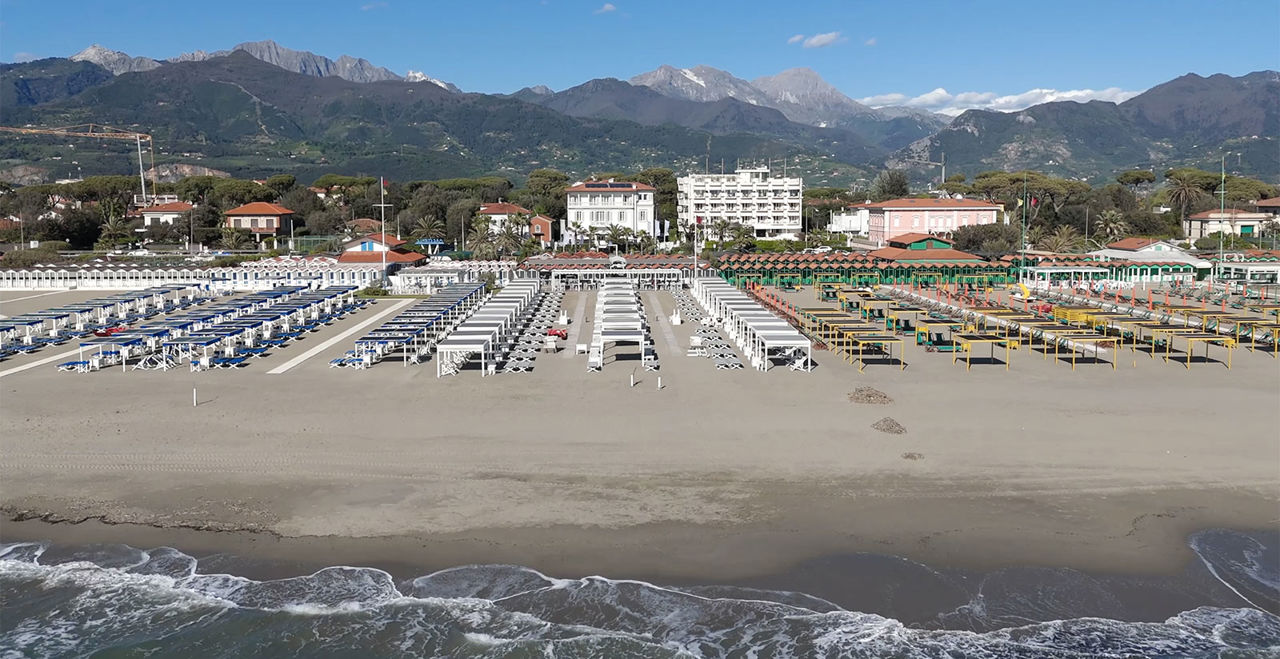
Don't leave before the fireworks.. Beach clubs (called 'bagni') are the correct way to do the beach here. Nearly all of the shore is privately operated.
Prices range wildly — the municipal Le Dune at the north end runs about €35 for a parasol and two chairs, while Alpemare (Andrea Bocelli's family club) reportedly charges €600+ per day for a bed.. Greet everyone with 'Buongiorno' before noon and 'Buonasera' after. Walking into a shop or restaurant without a greeting is considered rude, even in a busy summer season.
Safety
**safety_headline: VERY SAFE**
Forte dei Marmi is about as safe as it gets in Italy. It's small, wealthy, tight-knit, and family-oriented. The beach is watched by lifeguards, the streets are pedestrian-friendly, and the summer crowds, while enormous, are not the type that causes trouble. Kids genuinely run around Piazza Marconi while parents do aperitivo at nearby cafes — that's the vibe.
Standard Italian travel precautions still apply. Watch your pockets at the Wednesday market in Piazza Marconi, which draws massive crowds during peak season and the occasional opportunist. Don't leave valuables visible in parked cars. The Dunes (Le Dune) free beach at the north end can get slightly chaotic in July/August compared to the private beach clubs.
Mosquitoes are a genuine annoyance in the evenings from June onward — bring spray. Also: parking laws are enforced. Don't try to find a spot right next to the market on Wednesday morning. You will fail and get fined.
Getting Around
**transport_headline: BIKE TOWN**
A bicycle is not optional in Forte dei Marmi — it IS the transport. The town spans just 9 square kilometers, is completely flat, and has extensive dedicated bike lanes and beach-parallel paths. Locals ride to the beach, to the market, to dinner. Rental shops like Cicli Maggi are everywhere and offer various options including family bikes. Don't fight it; lean into it.
For getting to Forte dei Marmi from outside, the nearest train station is Forte dei Marmi-Seravezza-Querceta, served by regional trains on the Genoa–Pisa line. Florence is about 1.5 hours by car (the A11/A12 motorway combination). Pisa airport (PSA) is around 35-40 minutes by car and is the most practical arrival point. Florence's Peretola (FLR) is roughly an hour.
Once you want to explore beyond the town — Pietrasanta (10 min drive), Lucca (40 min), Pisa (35 min), the Apuan Alps — a rental car makes life much easier. Taxis get complicated in the evenings. Parking inside town is genuinely painful in high season. Park on Viale Italico parallel to the sea and walk to wherever you're going.
Useful Phrases
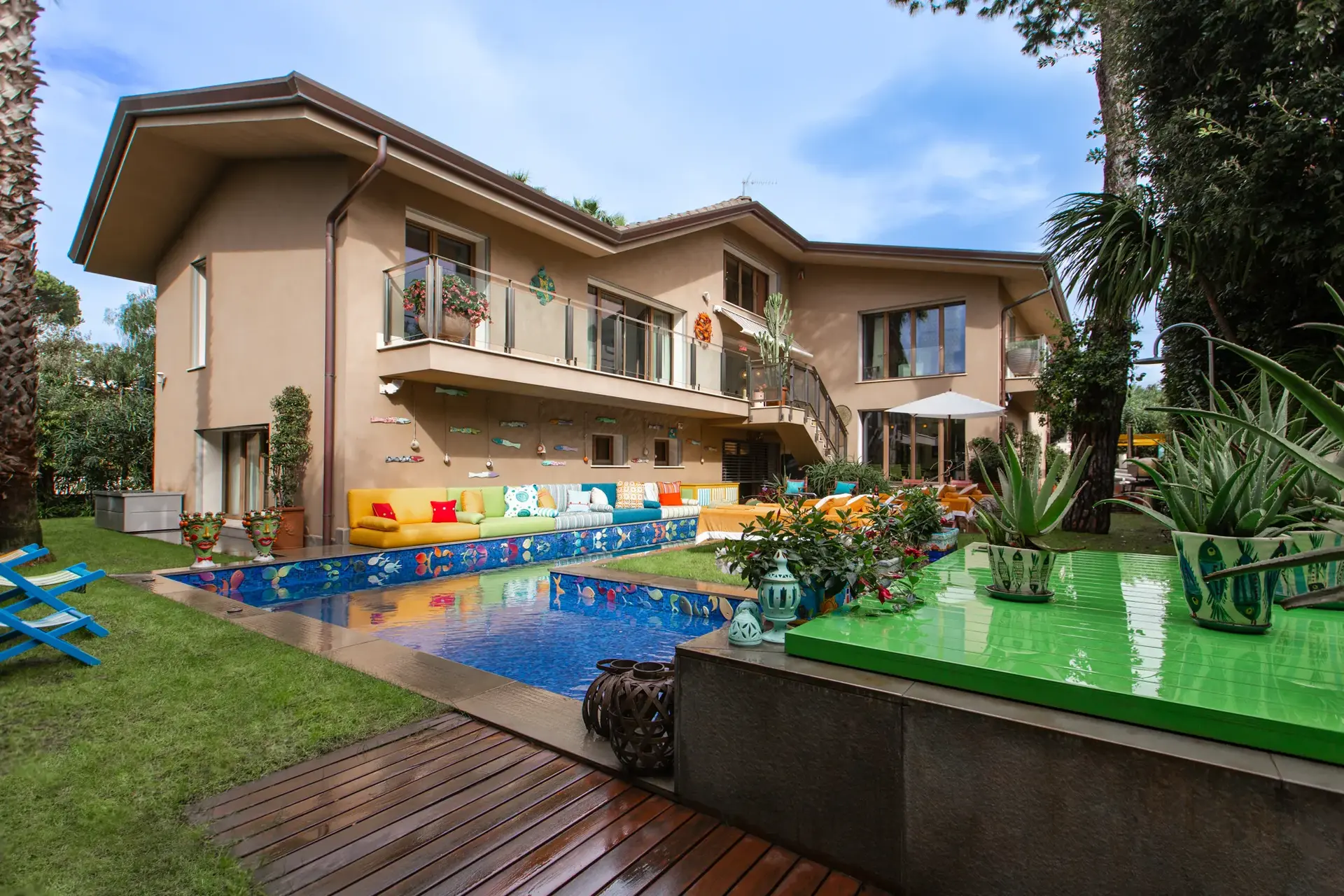
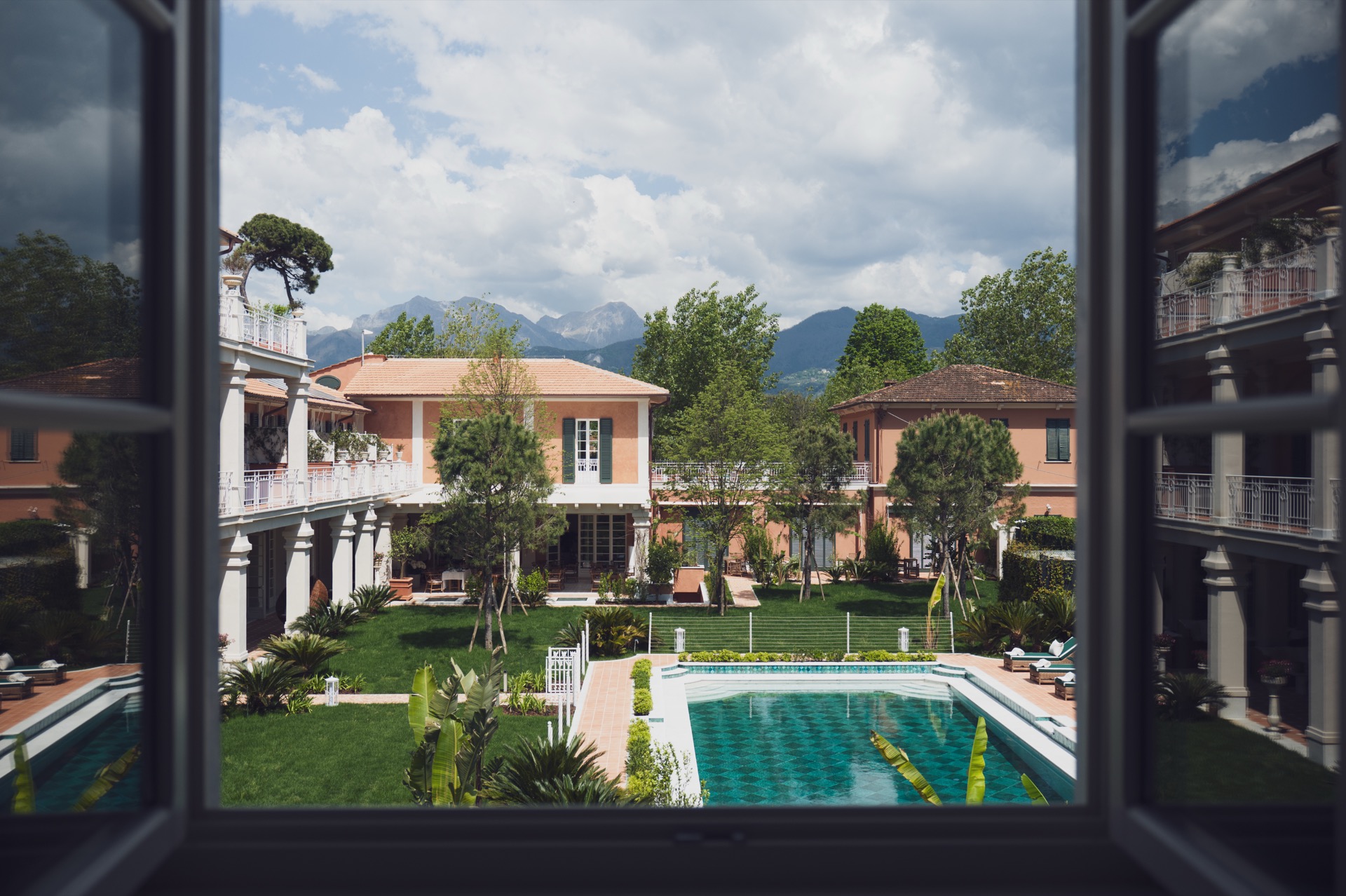
Where to Stay in Forte Dei Marmi
6 recommended properties
Explore Forte Dei Marmi
BUILD YOUR
FORTE DEI MARMI PLAN
Insider picks, smart timing, and a plan ready when you are.
Start Planning