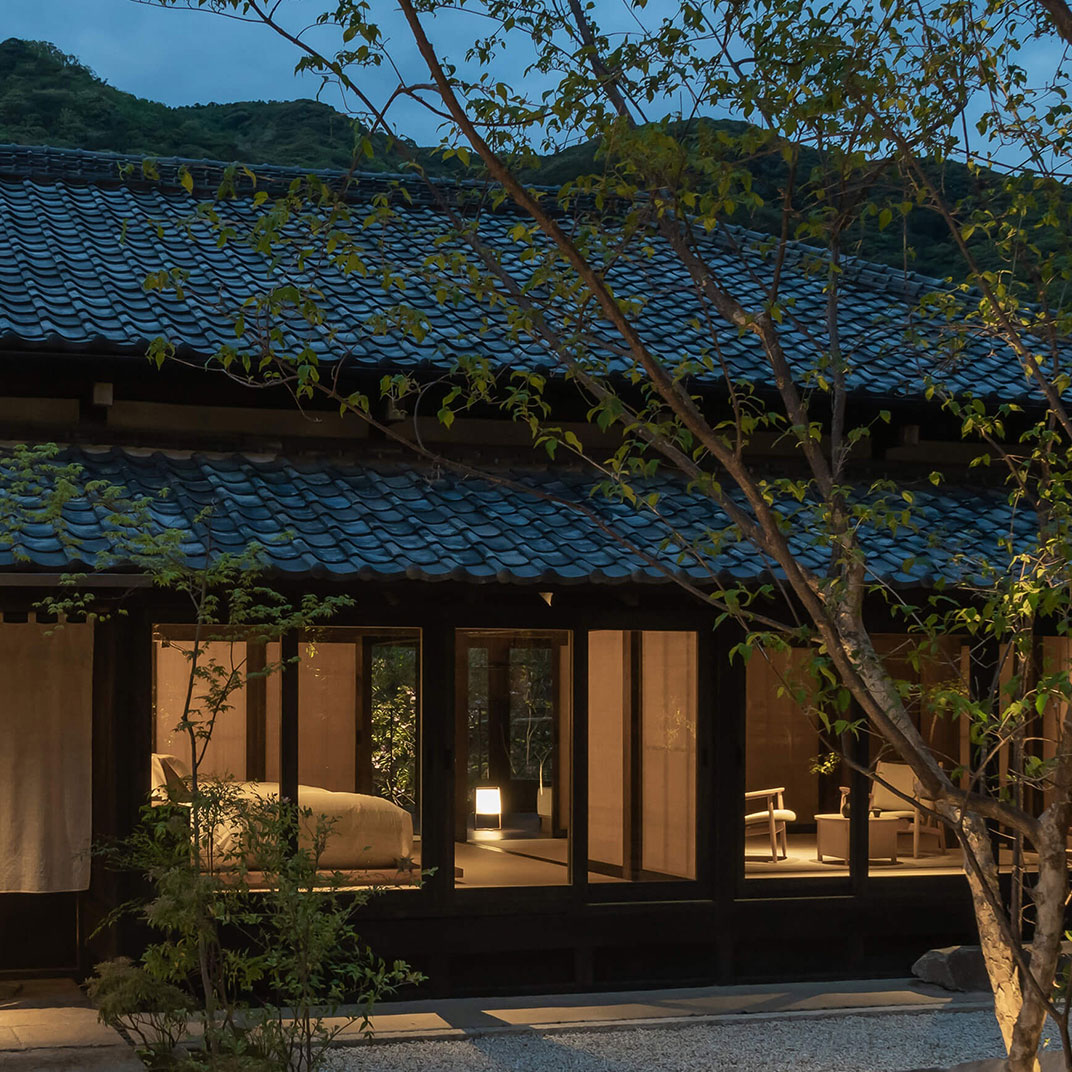
Izu
Culture & Context
ONSEN & OCEAN | Izu is Tokyo's original escape hatch.
For centuries, Tokyoites have been hopping the shinkansen south to soak in mineral springs and eat fresh kinmedai snapper by the sea. The peninsula sits inside the Fuji-Hakone-Izu National Park and was designated a UNESCO Global Geopark in 2018 — its volcanic bones literally shaped everything here, from the jagged black-rock coastline at Jogasaki to the natural skylights inside Dogashima's sea caves.
History runs deep too. Shimoda is where Commodore Perry's Black Ships anchored in 1854, cracking open Japan to the world. Shuzenji Onsen has been drawing bathers for over 1,200 years.
And William Adams, the first Englishman to reach Japan, built the country's first Western-style sailing ship at the mouth of Ito's Matsukawa River back in 1604. Izu isn't a single vibe — it's four or five different trips stacked on one peninsula. The east coast is accessible and resort-polished.
The west coast is wilder, emptier, and rewards the effort of getting there.
Local Customs
Onsen etiquette is non-negotiable: bathe fully naked (no swimsuits), wash your entire body at the shower station before entering the pool, and never let your hair or towel touch the water.
Many onsens ban visible tattoos — check the onsen's policy before you arrive. Private kashikiri baths in ryokan sidestep this issue entirely.
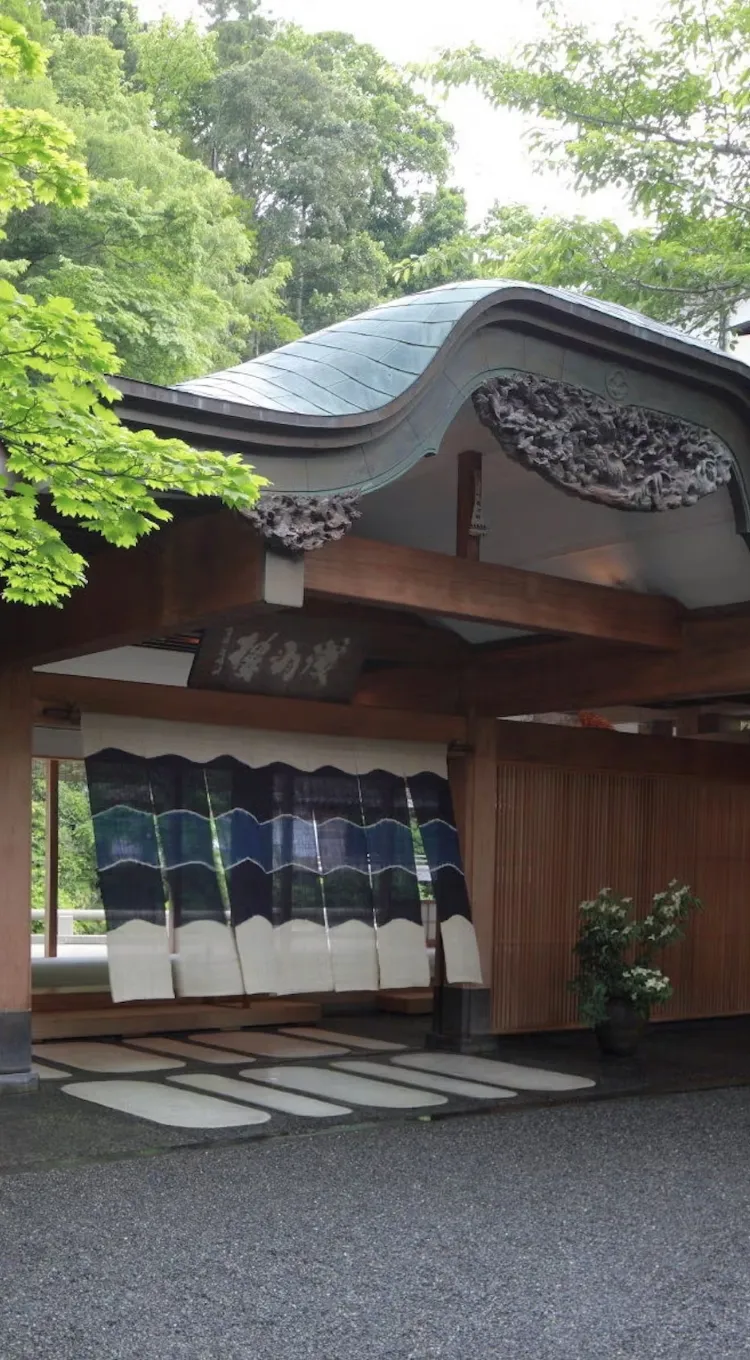
Remove your shoes at all ryokan entrances, traditional restaurants, and temples. A step up onto polished wood or tatami is your signal. You'll be given slippers — wear them in corridors but swap to bathroom slippers inside the toilet.
No tipping anywhere in Japan — not at ryokan, restaurants, or for guides. It's not expected and can cause confusion. Arrive at your ryokan by 6pm if dinner is booked.
The kitchen has prepared your kaiseki meal specifically for your arrival, and showing up late throws off the whole kitchen. Wear your yukata (provided by the ryokan) everywhere inside — corridors, the onsen area, dinner service. It's not a lounging robe limited to your room, it's the expected outfit.
Say 'itadakimasu' before eating — it's a brief expression of gratitude for the meal that even non-Japanese speakers are expected to attempt at a ryokan dinner. Quiet is the default register in onsen baths and ryokan corridors. Soft conversation is fine.
Safety
VERY SAFE | Izu Peninsula carries all the security benefits of rural Japan — which is to say, crime is practically a non-issue.
Japan ranks among the safest countries in the world, and a quiet onsen town like Shuzenji or a surf beach like Shirahama has none of the scam risks found in Tokyo nightlife districts. The real hazards here are natural.
The peninsula sits in an active volcanic zone and typhoons can roll through between July and September with real force — summer heat (28-32°C with 75%+ humidity) is also no joke for anyone planning serious hiking. Coastal trails like Jogasaki can be slippery in wet weather. Wear proper shoes, not sandals, on the rockier sections.
One practical note: carry your passport at all times as Japanese law requires foreign visitors to present ID on demand. There is no tipping culture anywhere in Japan — do not tip at ryokans or restaurants.
Getting Around
TRAIN THEN DRIVE | Getting to Izu is easy.
The JR Tokaido Shinkansen from Tokyo Station reaches Atami in about 50 minutes. From Mishima Station, the Izuhakone Railway gets you to Shuzenji in 35 minutes.
The Izukyu Line then runs down the eastern coast to Ito, Kawazu, and Shimoda. But here's the catch: once you're on the peninsula, the train covers the east coast well and barely touches the west. The west coast — Dogashima, Nishi-Izu, Matsuzaki — requires either a car or very infrequent Tokai Bus routes that run just one or two times daily.
If you want flexibility, rent a car at Atami or Mishima. The Izu Dream Pass (¥2,800–¥3,900 for 2–3 days depending on route) combines Izukyu rail segments with buses and a ferry across Suruga Bay, which is good value if you're sticking to the east and central areas. JR Pass holders beware: Izukyu Line and Izuhakone Railway are private railways and require supplements or separate fares — don't assume your pass covers everything.
Useful Phrases
Where to Stay in Izu
5 recommended properties