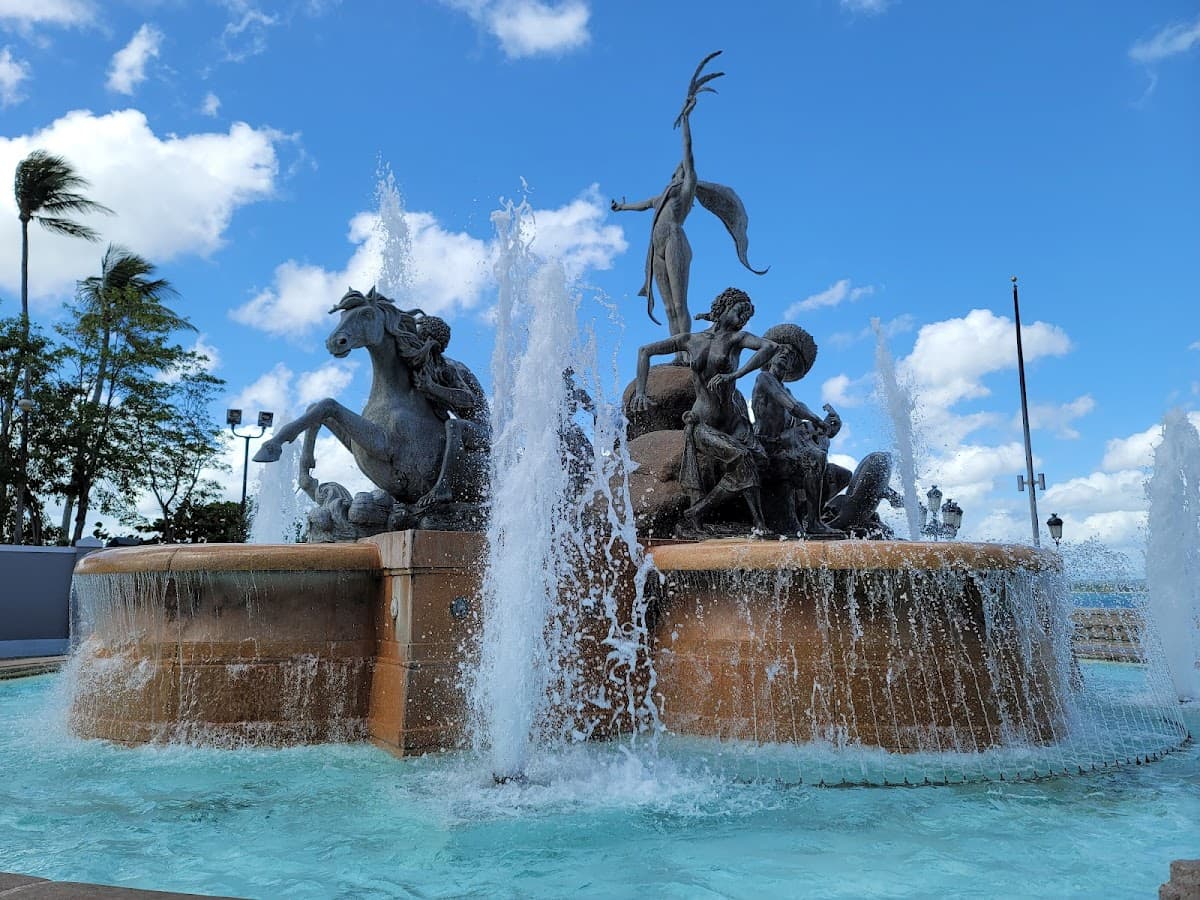
San Juan
Caribbean's historic jewel with vibrant nightlife and culture
San Juan hits different. You've got 500-year-old fortresses casting shadows over rooftop bars where craft cocktails cost $18. Cobblestone streets lead to beach clubs. And the best part? No passport needed if you're American.
This is where Caribbean soul meets Spanish colonial charm, where your morning café con leche comes with a side of reggaeton spilling from corner colmados. Old San Juan's pastel buildings house everything from $3 alcapurrias to Michelin-recommended tasting menus.
But here's what travel guides won't tell you: the real San Juan extends way beyond those Instagram-famous blue walls. Santurce pulses with street art and late-night food trucks. Condado serves up proper beach vibes with high-rise hotels. And in neighborhoods like Río Piedras, you'll find the Puerto Rico that locals actually live in.
Best Months
JAN · FEB · MAR · APR · MAY · DEC
~29°C · peak crowds
Culture & Context
BORICUA PRIDE RUNS DEEP
Puerto Rico runs on its own frequency. The culture blends Spanish colonial roots, Taíno indigenous words, African rhythms, and decades of American influence into something that doesn't really map onto anywhere else. People are genuinely warm but not performatively so.
Festivals happen constantly. Music comes out of car windows, apartment balconies, and corner stores. Food is serious business.
Catholicism still shapes the calendar and architecture. And there's an enormous sense of pride in being Boricua — that identity runs deep and is not something to be casual about. Politically, conversations about Puerto Rico's status (statehood, independence, or commonwealth) get heated fast.
Don't wade in unless you know what you're talking about. Puerto Rican Spanish moves fast, drops consonants, and pulls from Taíno and African vocabulary that textbook Spanish doesn't cover. Even fluent Spanish speakers sometimes need a moment to tune into the local rhythm.
The pace of life here operates on "island time" — businesses open when they open, appointments flex, and nothing moves faster because you're in a hurry.
Local Customs
BUENOS DÍAS, NOT HOLA
Greet people properly. 'Buenos días,' 'buenas tardes,' or 'buenas noches' — not just 'hola.' Locals use these constantly and notice when visitors don't bother..
When you walk into a restaurant, say 'buen provecho' to people already eating — it means 'enjoy your meal' and is considered basic good manners.. Dress codes matter more than on some islands. Flip-flops and swimwear stay at the beach.
Churches like Catedral de San Juan Bautista and San José require modest dress. Some clubs enforce smart shoes.. Tipping is expected at the same rate as the US mainland — 15–20% at restaurants and bars.
Not tipping is considered rude. Tip $1–2 per bag for luggage handlers, $2–5 per night for hotel housekeeping.. Drinking alcohol on the streets in Old San Juan is illegal.
Keep it inside the bar.. Don't photograph people in residential neighborhoods like La Perla without explicit permission. It's a community, not a backdrop..
Island time is real. If someone says 'ahorita,' that means sometime in the future. It does not mean right now..
Politics around Puerto Rico's status (statehood vs. independence vs. status quo) is a deeply personal topic.
Ask questions if you're curious, but listen more than you speak.. Support local businesses where you can. The local economy has taken hits from both hurricanes and tax incentives that have displaced residents.
Choosing locally-owned restaurants and guesthouses over chains matters here.
Safety
WATCH YOUR BELONGINGS
San Juan is generally safe for tourists in the main neighborhoods — think Old San Juan, Condado, Ocean Park, Isla Verde, and Miramar. Treat it like any major US city and most problems don't find you. That said, there are real things to know.
La Perla, the colorful neighborhood on the northern edge of Old San Juan (made famous by the Despacito video), is not for tourists. Locals know it as one of the most dangerous spots on the island — avoid it, and if you do visit, only go in daylight with a local guide and don't photograph people or their homes. Other areas to be cautious in at night: Santurce off the main strips, Puerta de Tierra, and any poorly lit alleys in Old San Juan.
The biggest risks for tourists are petty crimes: pickpocketing in crowded festival areas, and car break-ins at beaches and trailheads. Never leave anything visible in a parked car. Beaches in urban areas can feel unsafe after dark — no lighting and no police presence behind hotels and residential buildings.
Don't swim if the locals aren't swimming; north and east coast beaches have strong tides in fall and winter. Drinking on the streets in Old San Juan is illegal. Dengue risk exists on the island — check CDC advisories before travel.
Hurricane season runs June 1 through November 30. Tap water in San Juan is safe to drink (EPA standards apply), though very old buildings sometimes have aging pipes, so ask at your accommodation if unsure.
Getting Around
UBER & WALKABLE CORE
Old San Juan is genuinely walkable — in fact, it's better on foot than in a car, since the streets are narrow and parking is almost nonexistent. A free trolley runs through Old San Juan Monday through Friday from 7am, stopping at the major attractions. Uber is the workhorse for getting around San Juan proper.
Short rides cost $7–15, and the airport (about 20–25 minutes from Old San Juan) runs $15–25. Note: Lyft does not operate in Puerto Rico. Uber only.
Surge pricing hits hard after concerts at the Coliseo and during festival weekends — either grab a taxi (look for white 'Taxi Turístico' cars) or leave early. The Tren Urbano light rail costs $1.50 per ride and runs 16 stations through the metro area between Bayamón and Sagrado Corazón.
It's clean, cheap, and reliable. The problem: it doesn't reach Old San Juan or the airport — the two places most tourists actually need to go. From Sagrado Corazón, you can transfer to a bus toward Old San Juan.
As of early 2026, the transit authority is actively studying a northwest extension that would eventually connect to Old San Juan, but that's years away. Public buses cost $0.75 and cover 30 routes across the metro area, but schedules are irregular and information is hard to find in English.
Free transfer between bus and Tren Urbano within a two-hour window. Airport taxi (from Luis Muñoz Marín International, which is in Carolina) to Old San Juan runs about $30 fixed rate. If you plan to explore beyond San Juan — El Yunque, the west coast, Ponce — rent a car.
Economy vehicles run $35–55/day. Google Maps and Waze both work well on the island.
Useful Phrases
San Juan Itineraries
View all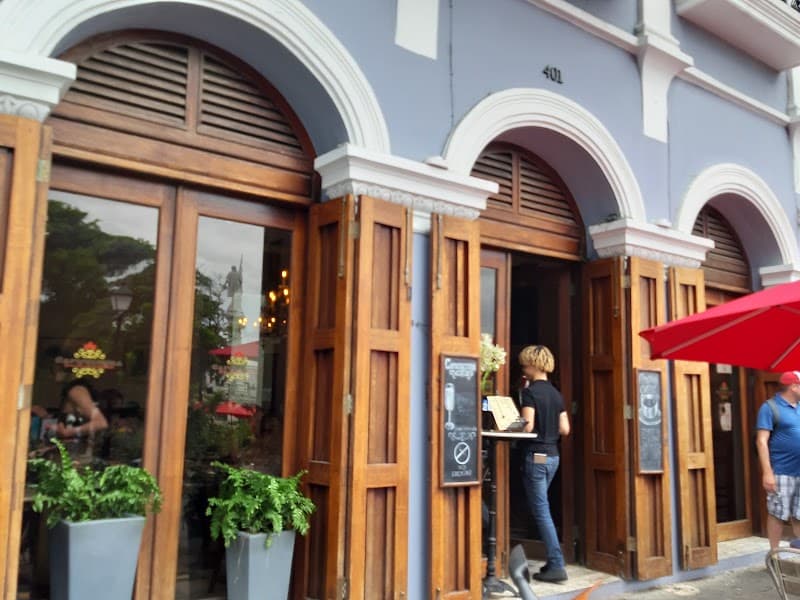
San Juan Celebration Weekend: Old City, Beach Time, and Late-Night Salsa
Weekend · $$$
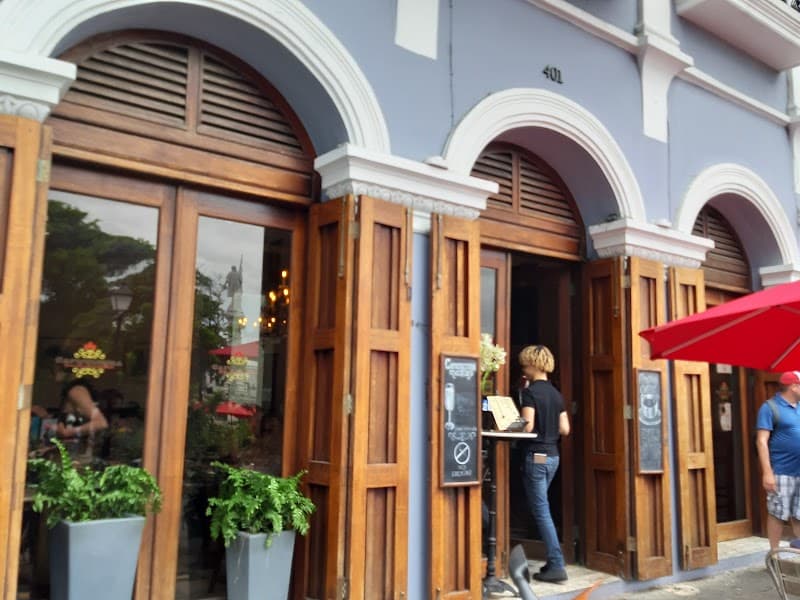
Romantic San Juan Weekend: Cobblestones, Coastlines & Candlelight
Weekend · $$
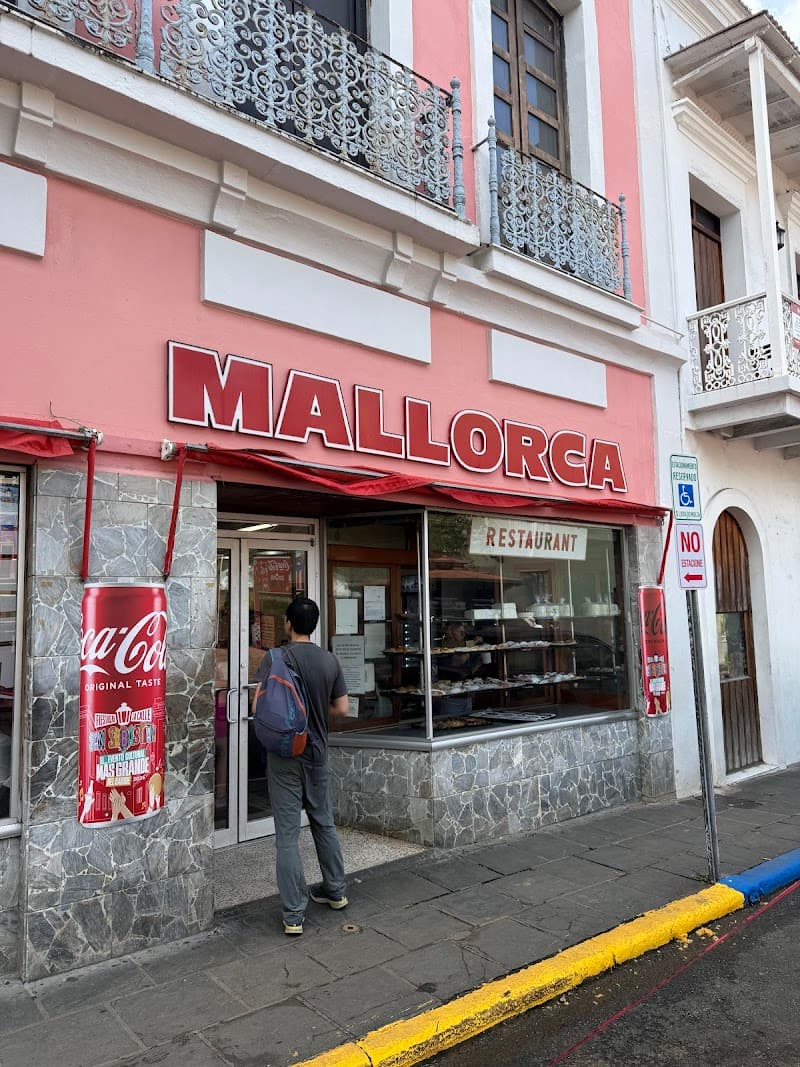
Shoestring Romance in San Juan’s Streets and Sands
Weekend · $
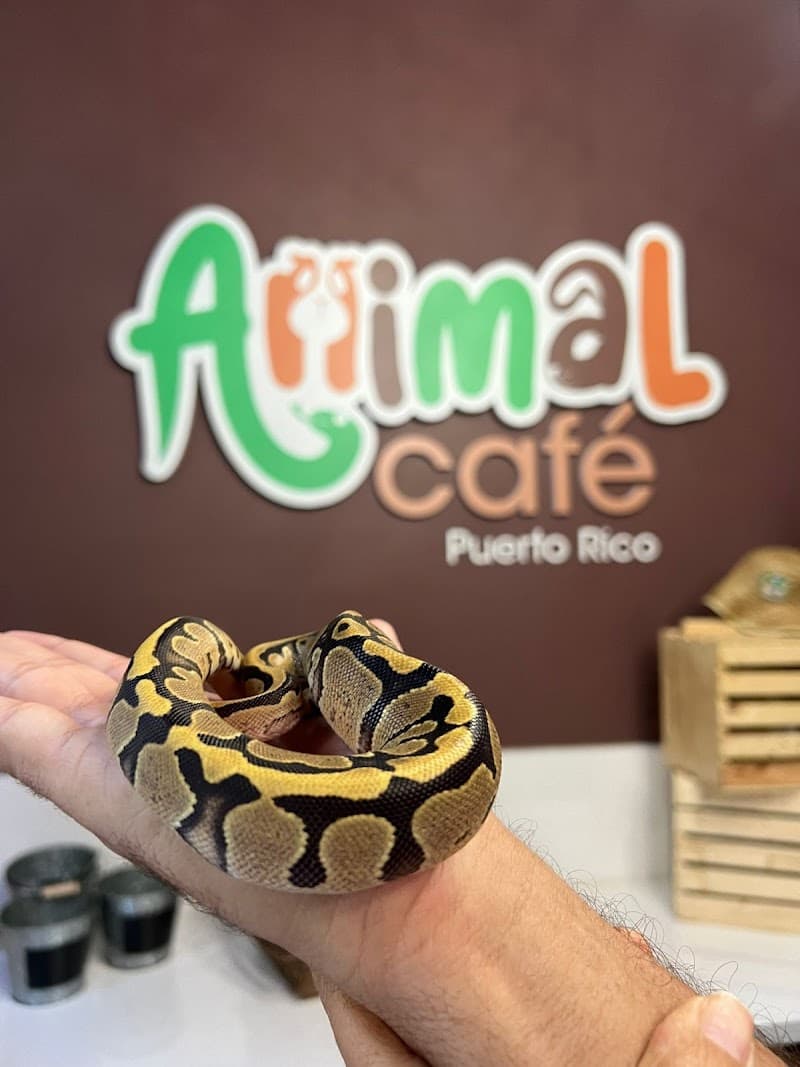
San Juan Kickoff: Beach, Old Town & Nightlife for Two
Weekend · $$$
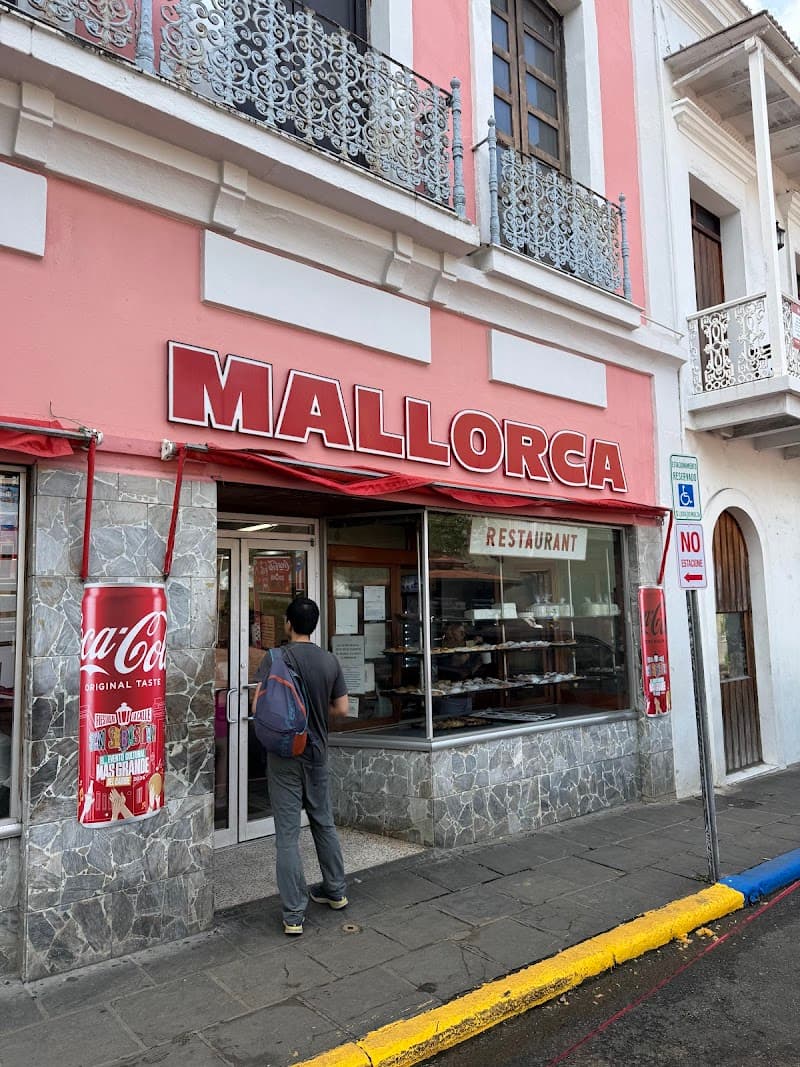
Long Weekend in San Juan: Forts, Flavor & Ocean Breezes
Weekend · $$
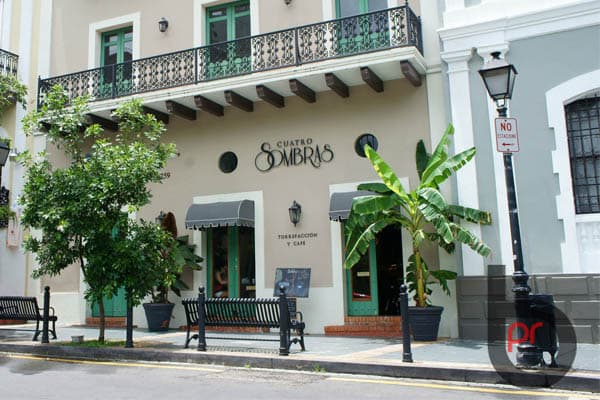
7 Days of Adventure & Flavor in San Juan
Week · $$
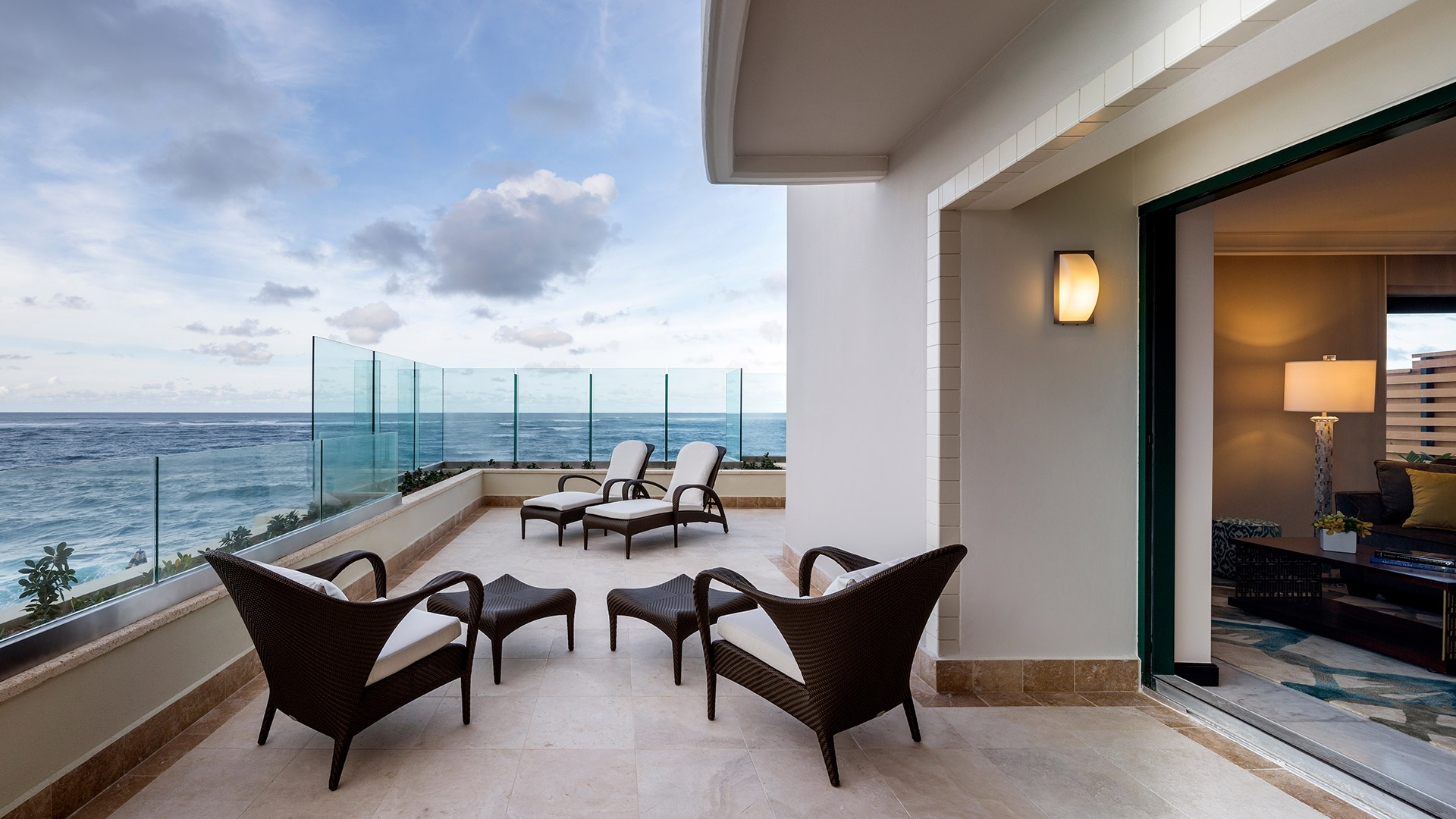
Where to Stay in San Juan
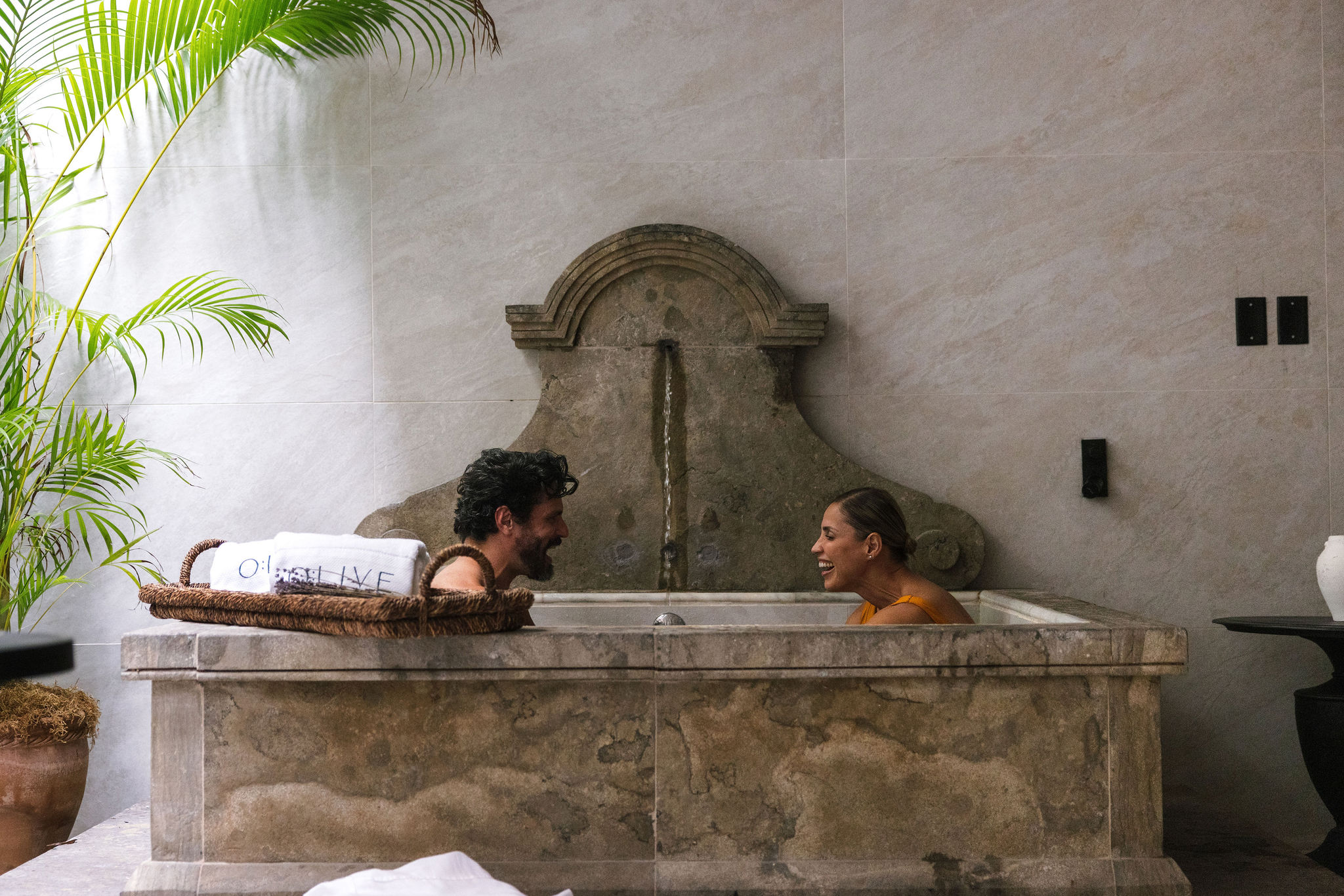
4 recommended properties


Things to Do in San Juan
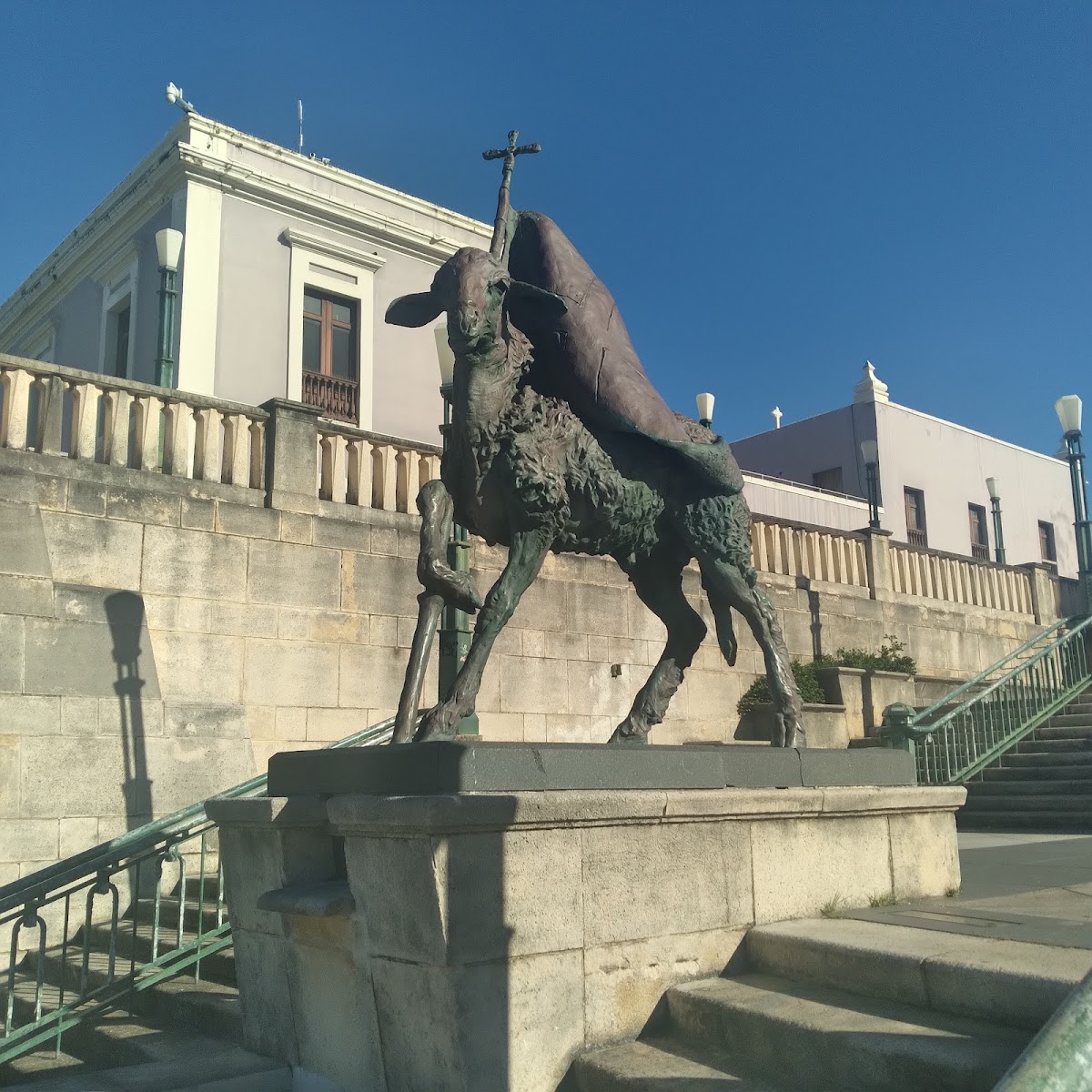
Old San Juan Colonial District Walk
Old San Juan · 180 min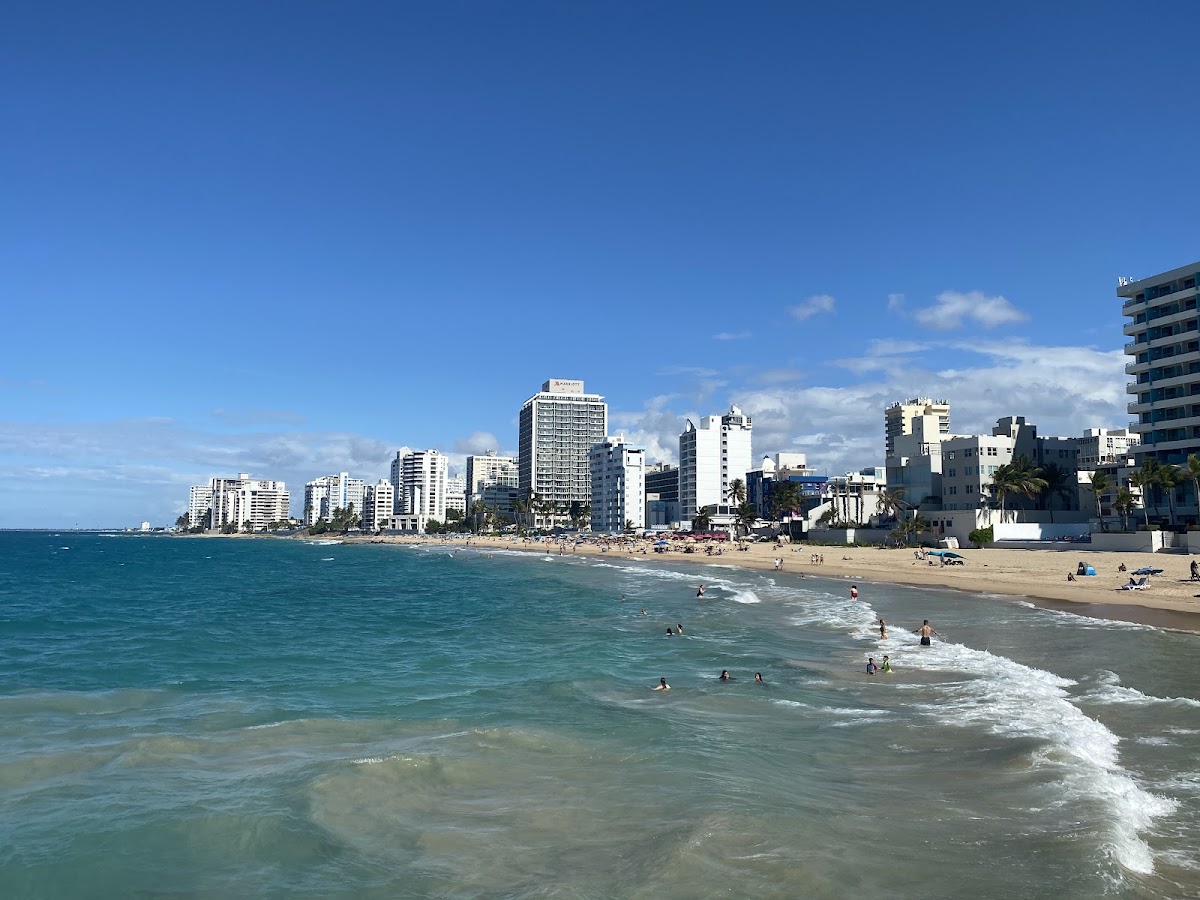
Condado Beach Swimming & Relaxation
Condado · 150 min
Shopping in Old San Juan & Santurce
Old San Juan & Santurce · 120 minMoney-Saving Tips
- 1.Happy hour at hotel bars runs 4-7 PM with drinks often half-price – even luxury spots like La Concha participate
- 2.Street food costs under $5 per item – alcapurrias, bacalaitos, and pinchos from roadside stands beat expensive restaurant appetizers
- 3.Municipal beaches like Ocean Park are free, while resort beaches charge $15-25 for day passes
- 4.Público vans cost $0.75 per ride versus $8-12 for Uber – locals use them to get around cheaply
- 5.Supermax and Pueblo supermarkets sell local rum for $12-18 per bottle, half what bars charge for cocktails
- 6.Free walking tours of Old San Juan meet daily at Plaza de Armas – tip your guide $10-15 instead of paying $30 for commercial tours
- 7.Paradores (government-certified local inns) outside San Juan offer authentic stays for $80-120 per night versus $200+ downtown hotels
Travel Tips
- •Pack reef-safe sunscreen – regular sunscreen is banned at many beaches to protect coral reefs
- •Learn basic Spanish phrases – while English is widely spoken, locals appreciate the effort and you'll get better service
- •Bring cash for small vendors and tipping – many local spots don't accept cards, especially in markets and for street food
- •Download offline maps before exploring – cell service can be spotty in El Yunque rainforest and rural areas
- •Book restaurant reservations in advance – popular spots like Marmalade and Santaella fill up quickly, especially during peak season
- •Wear comfortable walking shoes with good grip – Old San Juan's cobblestones become slippery when wet
- •Keep copies of your ID – while no passport is needed for US citizens, you'll need photo ID for flights and some activities