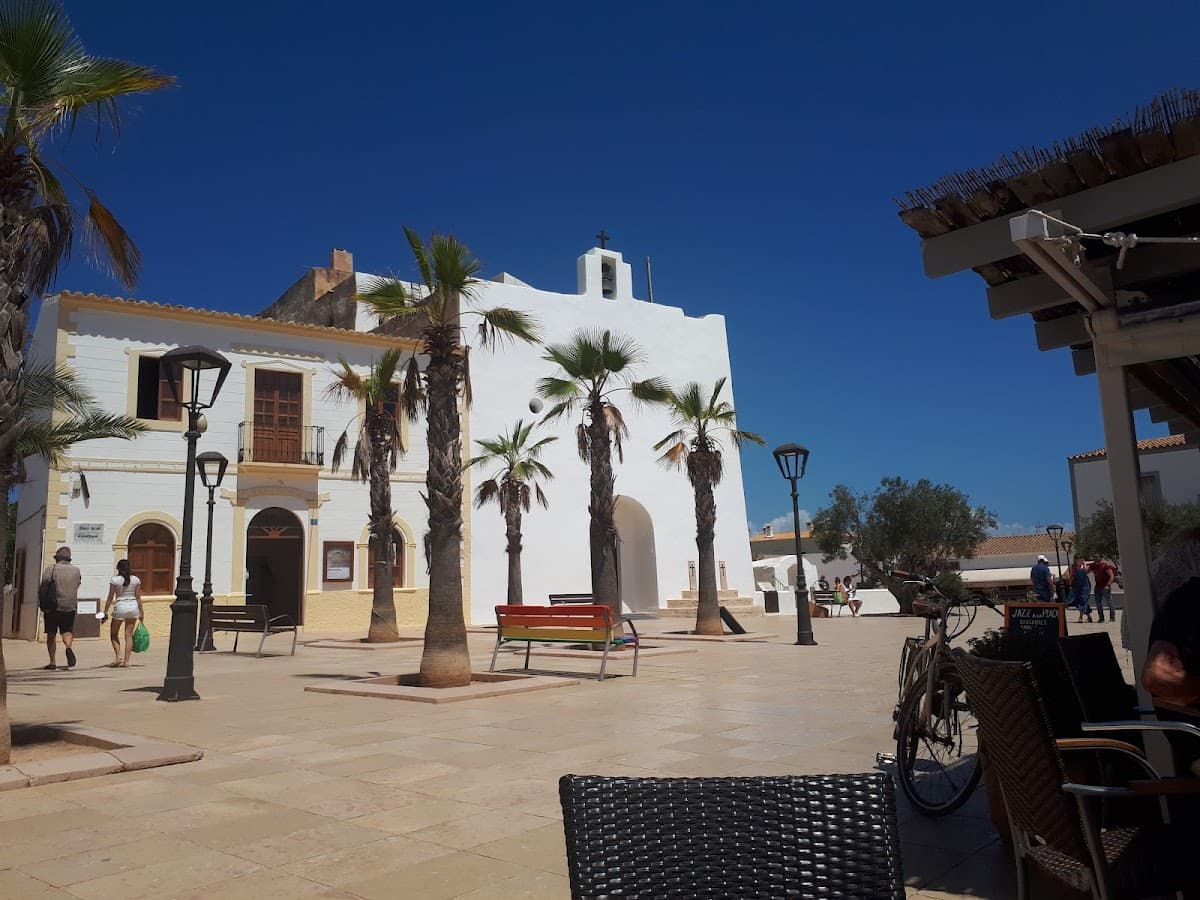
Formentera
Balearic's Pristine Bohemian Beach Paradise Escape
Forget Ibiza's party scene. Formentera is what happens when the Mediterranean decides to show off — think Caribbean-blue waters lapping against white sand beaches, but with that unmistakable Spanish soul. This 83-square-kilometer slice of paradise sits just 30 minutes by ferry from its famous neighbor, yet feels like a different planet entirely.
Here's the thing about Formentera: it's deliberately small. No airport means no crowds of day-trippers. No high-rises means the skyline stays pure. And no rush means you actually have time to notice the juniper trees growing wild along Es Trucadors peninsula or catch the sunset from Cap de Barbaria lighthouse.
The island runs on island time, where lunch stretches into evening and the biggest decision you'll make is which beach to hit next. Ses Illetes consistently ranks among Europe's best beaches, but locals know Cala Saona offers better sunset views. Beach clubs like Juan y Andrea have been serving the same grilled fish for decades, while newer spots like Kiosko 62 bring that modern bohemian flair.
Best Months
MAY – OCT
~28°C · moderate crowds
Culture & Context
HIPPIE SPIRIT, HIGH PRICES
Formentera is Spain's smallest inhabited Balearic Island. About 20km end-to-end. No airport, ever.
You fly into Ibiza and take a ferry. That ferry ride, roughly 30 minutes, is part of the whole ritual. The island traces its hippie DNA back to the 1960s when artists and free spirits arrived with no money and no agenda.
That spirit isn't entirely gone, even if the prices now would have horrified those original settlers. The official language is Catalan (specifically a local dialect called Formenterenc), not Spanish — though locals speak both. English, Italian and German are widely understood in tourist areas.
The island sits in a UNESCO-protected natural park, Ses Salines, which is partly why it looks the way it does. The population swells from around 7,000 year-round residents to roughly 35,000 in peak summer. Locals are genuinely tired of overtourism — there have been protests across the Balearics — so treading lightly matters here.
Tipping is optional but appreciated; 5-10% is the norm. Business hours run 9am-2pm and 5-8pm, though tourist-facing places stay open longer.
Local Customs
SPEAK CATALAN, EMBRACE NUDITY
Greet people in Catalan, not Spanish. A simple 'Bon dia' in the morning goes a long way and locals visibly appreciate it. Don't call Catalan a 'dialect' — it's its own language..
The Ball Pagès is the island's traditional folk dance, performed at nearly every local festival. If you see it happening in a town square, stop and watch. It's not a tourist show — it's the real thing..
Nudism is completely normal on most beaches. Nobody stares, nobody cares. Don't make it weird..
The menú del día (set lunch menu) is your best friend for budget eating. Usually €14-18 for a proper multi-course meal with wine. Skip it and you're paying €40-60 per head at a chiringuito..
From June 1 to September 30, all visitors bringing motor vehicles need a permit through formentera.eco. Cars cost €6/day in June and September, rising to €9/day in July and August.
Quads are banned outright. Electric vehicles are exempt.. Book everything in advance for summer visits.
Ferry tickets, accommodation, rental bikes or scooters, and nicer restaurants. You cannot just show up and expect availability.. Reef-safe sunscreen is strongly encouraged given the protected marine ecosystem.
The posidonia seagrass beds are why the water looks the way it does. Don't anchor boats on them.. The sustainable tourism tax (ecotasa) applies to visitors over 14.
Roughly €2 per day extra on your accommodation bill.
Safety
VERY SAFE, SUN SERIOUS
Formentera scores around 86 out of 100 on safety indexes — one of the safer island destinations in the Mediterranean. Around 93% of residents and visitors report feeling completely safe during the day, and 88% at night. Crime is low.
That said, the usual common sense applies: secure valuables at busy beaches (petty theft does happen at peak season when beaches are packed), and use sunscreen — the sun here is serious and the sea can make you forget how long you've been out. The main practical hazards are not crime-related. Unpaved tracks on the interior make cycling and scootering an adventure if you're not used to it — slow down on the dirt roads.
The sea can be surprisingly rough at certain northern beaches. Tap water is safe to drink but may have a different taste due to desalination. Healthcare on the island is limited to a local hospital in Sant Francesc Xavier; anything serious gets transferred to Ibiza.
Travel insurance that covers medical repatriation is genuinely worth having.
Getting Around
FERRY THEN PEDAL
No airport on Formentera. Full stop. You fly into Ibiza International Airport, then make your way to the ferry terminal. The Ibiza-to-Formentera crossing takes around 30 minutes on the high-speed catamaran and up to an hour on conventional ferries. Prices start from €29 one way. Multiple companies run the route (Baleària, Trasmapi, Formentera Lines, Aquabus) with over 40 daily crossings in summer. Book tickets in advance for July and August — the ferry does sell out. You can also reach Formentera directly from Dénia on the mainland (2-4.5 hours, from €73.50) or from Palma de Mallorca (3.5 hours, from €107).
Once on the island, forget the car if you can. The island is only about 20km end to end. Bikes are the move: a network of dedicated paths covers most of the island, and rentals start at €5-15/day depending on type. Scooters cost around €35/day and are better for reaching remote beaches. If you do bring or rent a car, you need a vehicle permit through formentera.eco from June 1 to September 30 (€6-9/day for cars, €9 peak season). Quads are banned outright. Electric vehicles are exempt from the permit requirement.
The public bus network (busformentera.com, tel. +34 971 323 181) connects La Savina, Sant Francesc, Sant Ferran, Es Pujols and La Mola. Frequency increases significantly in summer. Route L3 specifically serves tourist beaches but costs slightly more (€8-12 return). Taxis work on flat rates by zone — cheaper to hail one than to call ahead. There are taxi ranks at La Savina port and in each main town.
Useful Phrases
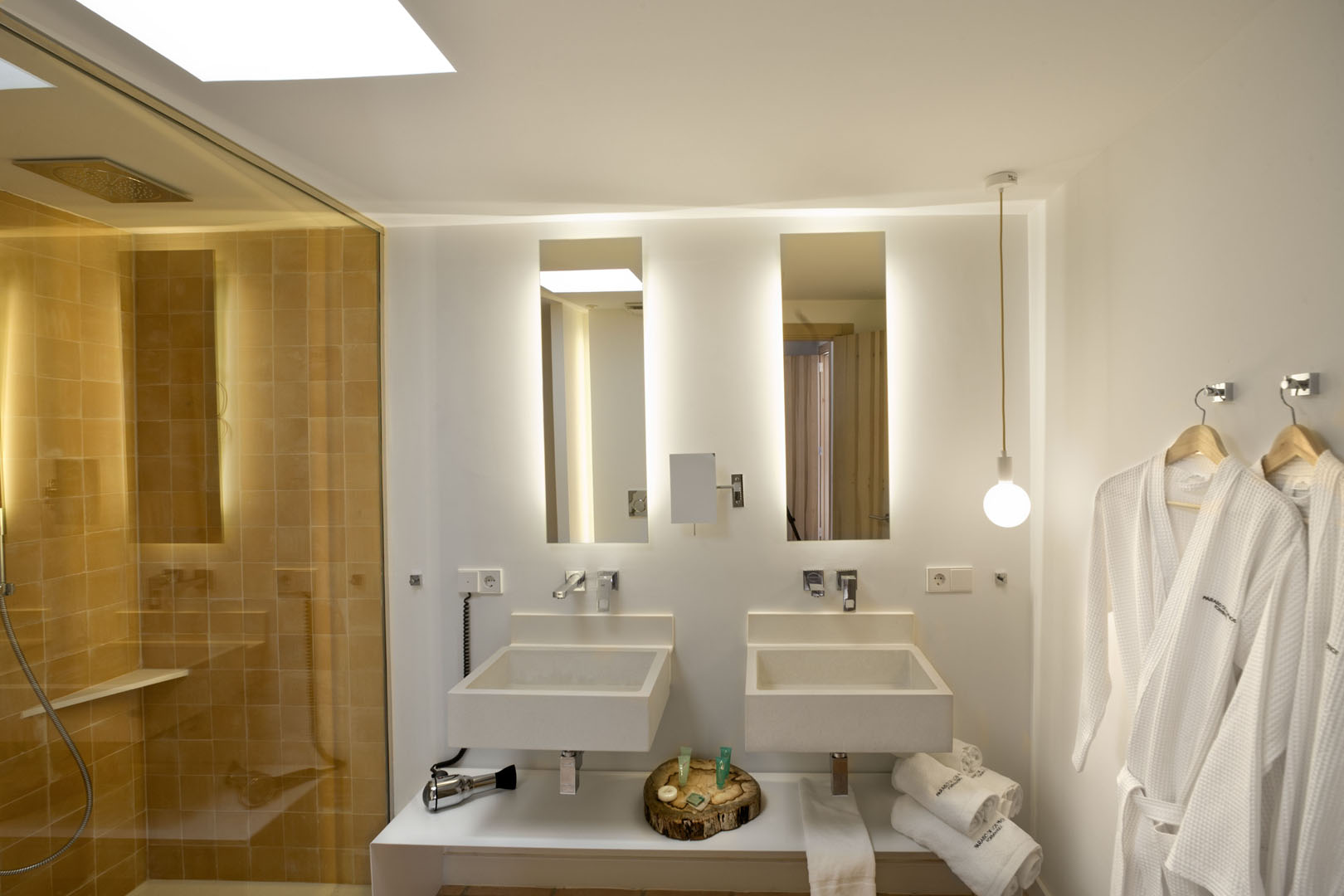
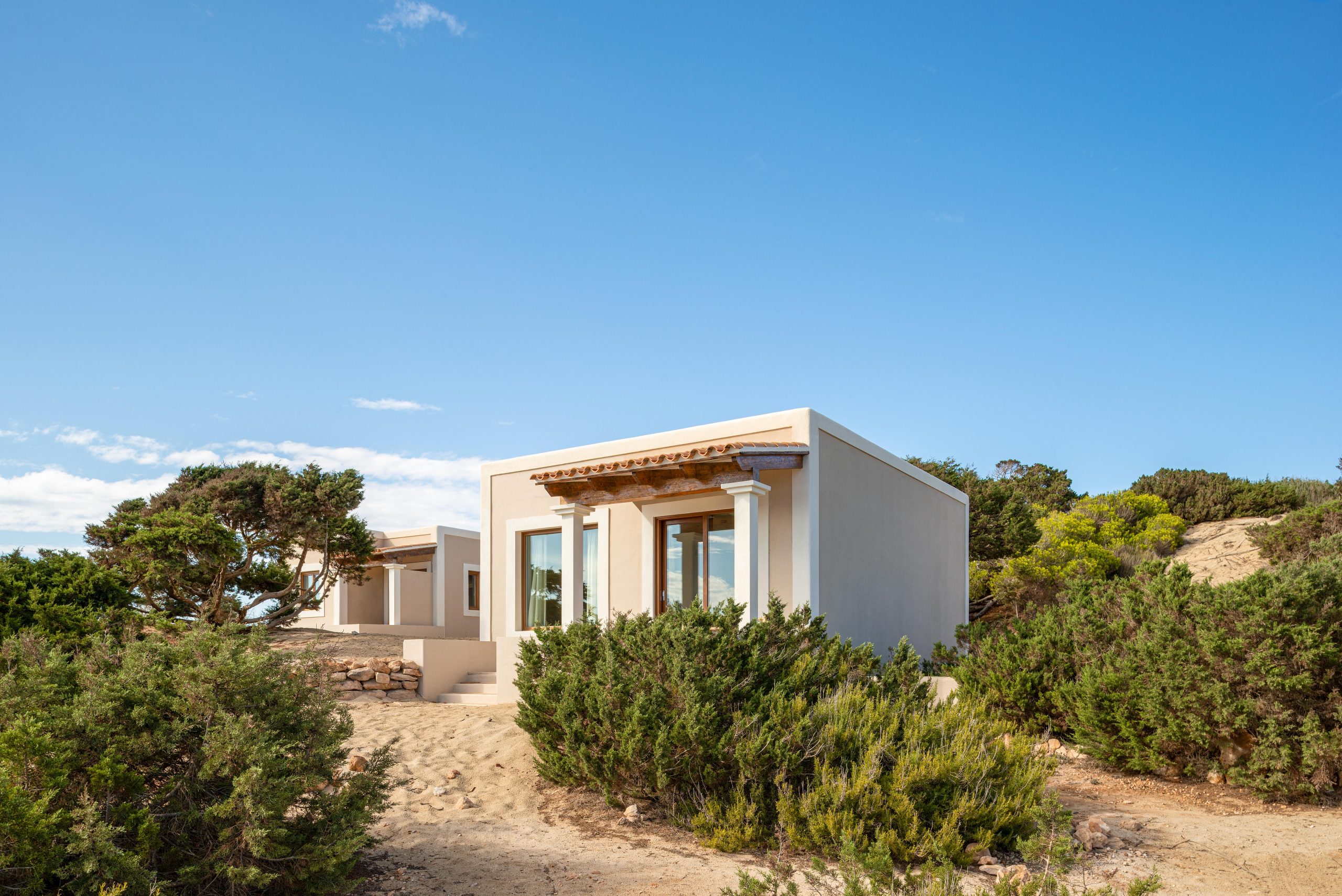
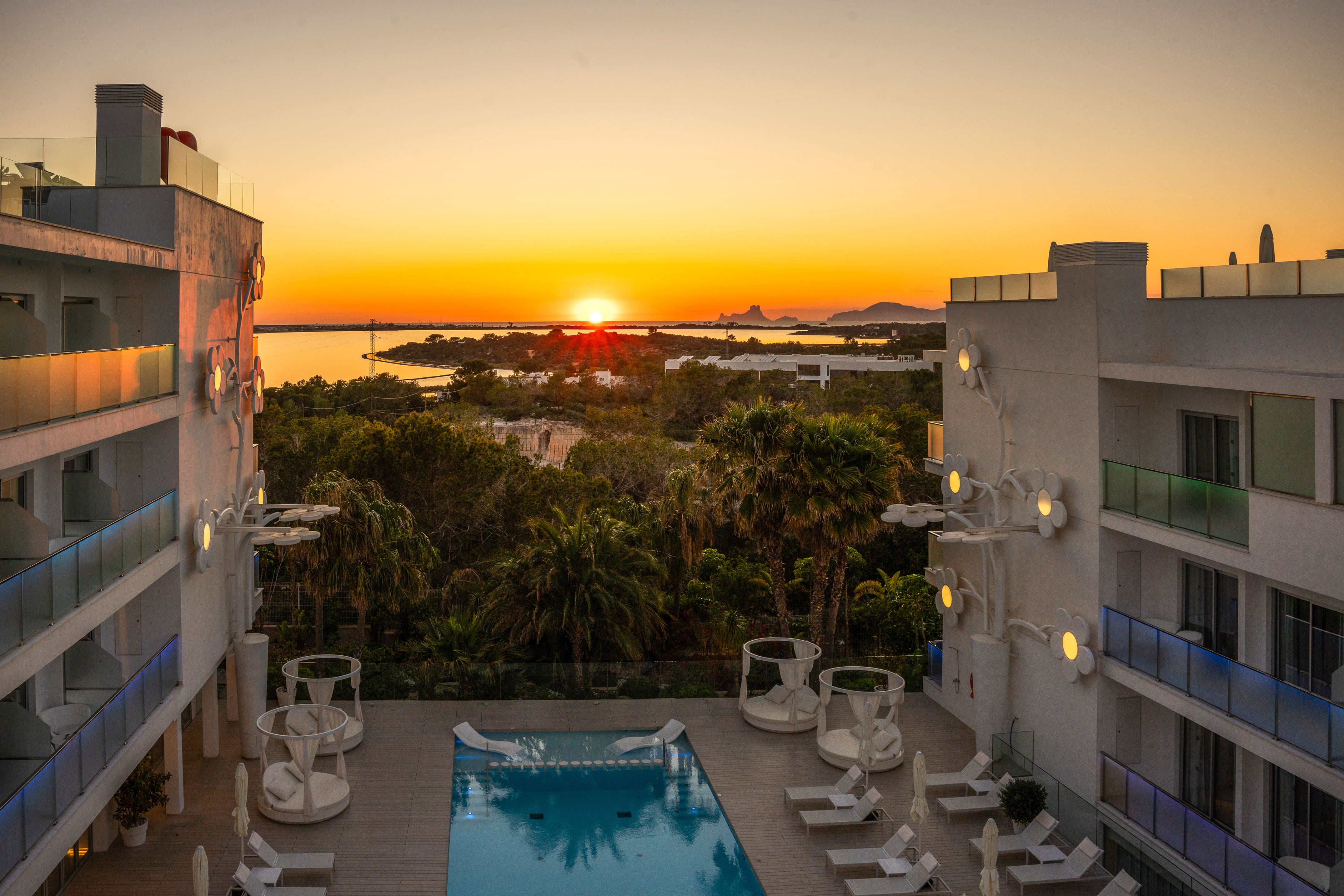
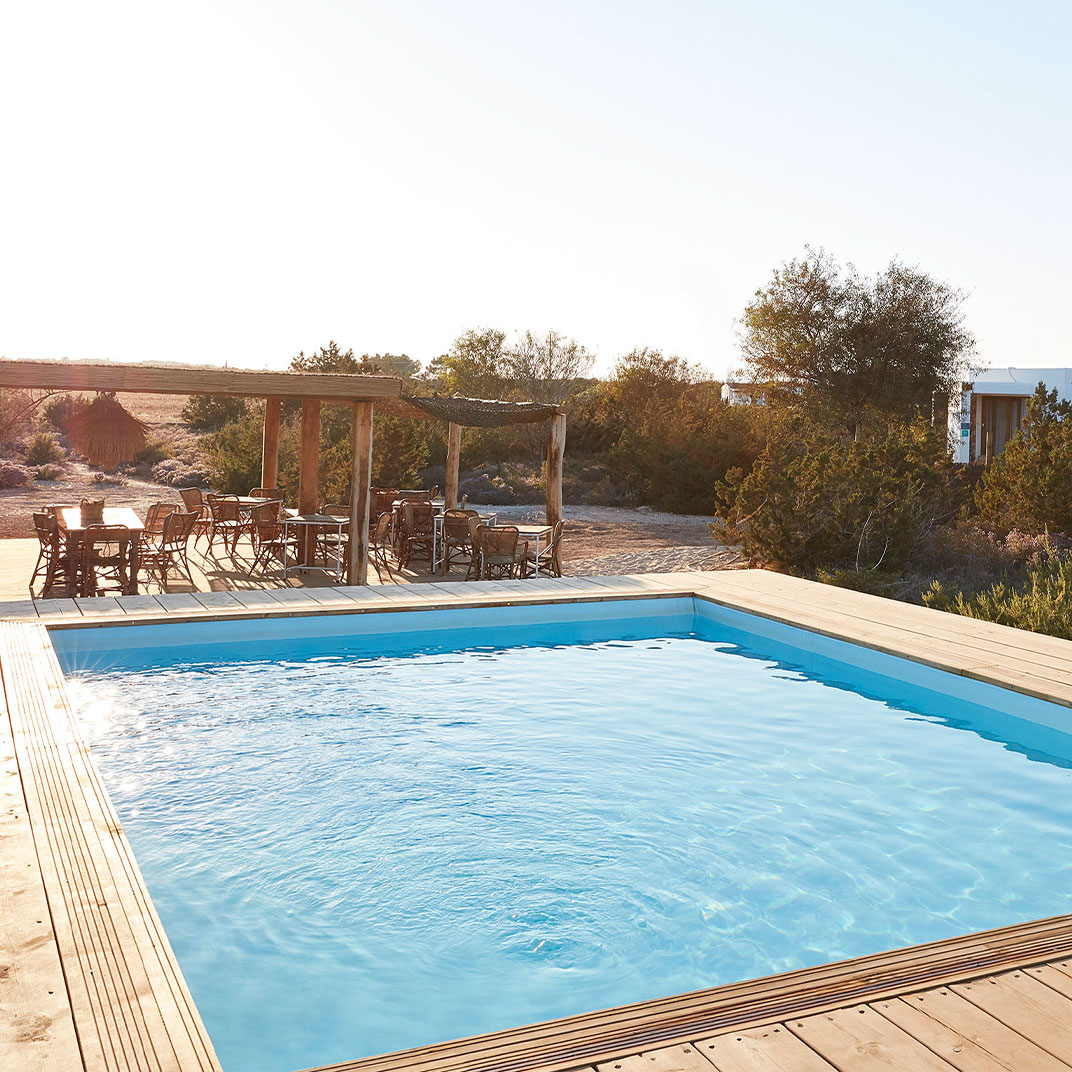
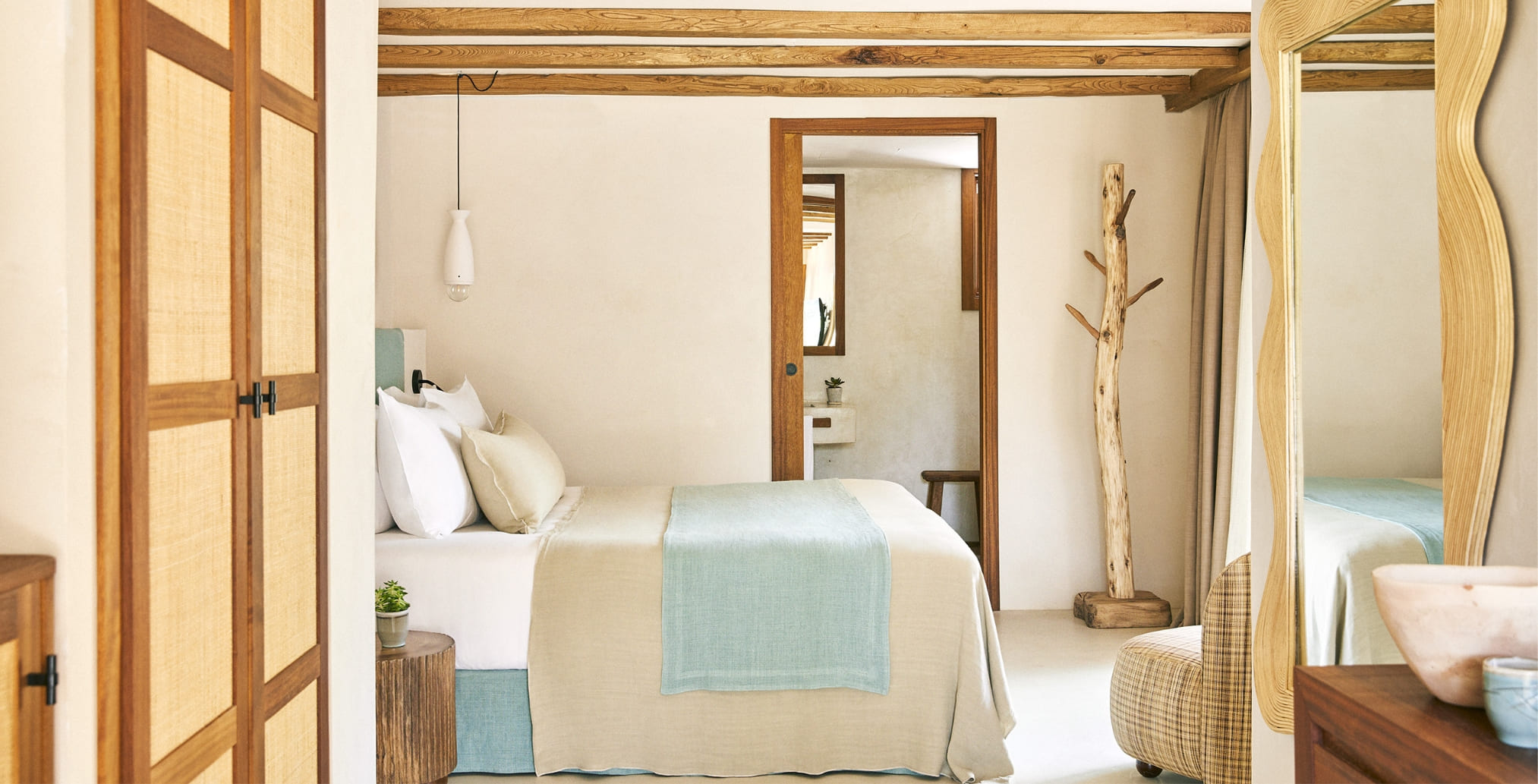
Where to Stay in Formentera
6 recommended properties
Money-Saving Tips
- 1.Ferry tickets cost 30% less when booked online in advance vs buying at the port
- 2.Beach parking fees range €4-6 per day, but arrive before 9am and many spots stay free
- 3.Supermarkets in San Francesc charge half the price of beach club mini-markets for drinks and snacks
- 4.Rent scooters for multiple days to get better rates — 3-day rentals often cost the same as 2 single days
- 5.Lunch menus at local restaurants cost €12-15 vs €25-30 for dinner à la carte at the same places
- 6.Water taxis between beaches cost €8-12 per person, cheaper than renting a boat if you're solo or a couple
Travel Tips
- •Download offline maps before arriving — cell service gets spotty in the island's interior
- •Pack reef-safe sunscreen as regular sunscreen damages the protected Posidonia seagrass
- •Bring a reusable water bottle — tap water is safe and beach clubs charge €4-5 for small bottles
- •Reserve dinner tables by 2pm, especially at beach clubs and popular spots in Es Pujols
- •The 2pm-5pm siesta is real — most shops and services close during these hours
- •Carry cash as many small beach bars and rural restaurants don't accept cards