Ishigaki Island
Culture & Context
RYUKYU ROOTS RUN DEEP
Ishigaki isn't just tropical Japan. It's a place where the Ryukyu Kingdom's influence still echoes in daily life, hundreds of years after that kingdom ceased to exist. The island sits roughly 277 km from Taiwan and about 411 km from Okinawa's main island, which explains a lot about why the culture feels so different from anything on the Japanese mainland.
The Yaeyama Islands, with Ishigaki as their hub, are known locally as "The Islands of Performing Arts." A concept called Miifaiyuu — a deep, lived gratitude for life, land, and sea — runs through everything here. It's not a tourist slogan. It's expressed through centuries-old harvest rituals, traditional dances, and the way fishermen still hold ceremonies before heading out to sea.
Minsah weaving is one of the island's most visible cultural traditions. The indigo-and-white textile, with its signature "four and five" repeating pattern symbolizing "forever and always," was once woven by women as secret gifts to loved ones. It nearly died out by the mid-20th century but was revived in the 1970s and officially recognized as a traditional Okinawan handicraft in 1989. You can watch it being made at the Minsah Kogei Museum in Ishigaki City. The sanshin (a three-stringed banjo-like instrument) fills the air at live izakayas around Misaki-cho most evenings. Awamori, the island's distilled rice spirit, has been produced here for centuries — it's what you drink when the sanshin starts playing.
Part of Iriomote-Ishigaki National Park has been certified as an International Dark Sky Park, making Ishigaki one of only a handful of places in Japan where you can see the Milky Way with zero effort. The island takes this seriously. Town lights are literally dimmed during the annual stargazing festival.
cultural_context_headline: RYUKYU ROOTS RUN DEEP
Local Customs
Remove shoes before entering homes and many traditional establishments — look for the genkan (entryway) to know when this applies.
Tipping is not just unnecessary in Japan — it can cause confusion and awkwardness. Show appreciation with 'arigatou gozaimashita' and a bow instead.
Respect the coral reefs. Don't touch or stand on coral while snorkeling or diving — it's a fragile ecosystem and locals take this seriously. The Angama festival during Obon is a deeply spiritual three-day event where masked dancers visit homes to honor ancestral spirits.
If you encounter it, observe respectfully and follow the lead of locals on whether visitors are welcome to watch. At izakayas, ordering dishes is communal and shared — don't expect individual plating at traditional spots. More dishes keep coming as the night goes on.
The local Yaeyama concept of 'island time' (shimayasumi) is real. Things run slower. A restaurant might not open until the owner feels like it.
A sign visible from the road, like at one famous soba shop, tells you if they're open that day. Adjust your expectations accordingly. Cash is king at smaller restaurants, markets, and local shops.
Major hotels and larger restaurants accept cards, but carry yen — especially at places like Shiraho market and roadside stalls. Stargazing areas are treated with genuine reverence.
Safety
SAFE, WATCH THE OCEAN
Crime is essentially a non-issue here. Japan's safety culture extends fully to Ishigaki, and petty theft, scams, and street harassment are all rare. Lock your rental car and don't leave valuables on the beach unattended, but that's about as paranoid as you need to get.
The real risks are environmental. Sunburn is the most common injury among visitors — the UV index on a clear Ishigaki day is brutal, even in spring. Wear high-SPF reef-safe sunscreen, a hat, and long sleeves if you're spending extended time outside. Habu jellyfish (box jellyfish) are present in the water from roughly June to October. They're venomous, and several beaches have netting for protection. If stung, don't rub — remove tentacles, pour vinegar on the wound, and get medical help. Beaches without jellyfish nets (like Yonehara) still have great snorkeling, but go in aware. Strong ocean currents are a serious hazard at unofficial beaches — always heed the warning signs, and if the flags say stay out, stay out.
Typhoon season runs from roughly June to October, with August and September being peak. An average of 6–8 typhoons approach the area around Ishigaki annually. These typically pass in 1–2 days. Flights and ferries cancel with good advance warning (24–48 hours), and the infrastructure here is built for this. If you're traveling July–September, buy travel insurance with a typhoon clause, book flexible accommodation, and build buffer days into your schedule. Arriving on August 31 to catch a September 1 ferry to Iriomote is not a plan.
Japanese encephalitis mosquitoes exist in the Yaeyama Islands, though major outbreaks haven't occurred since the 1960s. If you're traveling with infants or elderly travelers, use insect repellent.
safety_headline: SAFE, WATCH THE OCEAN
Getting Around
RENT A CAR, FULL STOP
Public buses exist on Ishigaki, but they're infrequent and require serious planning. The Kabira Line connects central Ishigaki to Kabira Bay only once every 1–3 hours (¥730 one way, 45 minutes). A 1-day bus pass costs ¥1,000, a 5-day pass costs ¥2,000 — reasonable if you're sticking close to the city. Airport-to-city buses run more frequently: two types operate every ~30 minutes, taking 30–40 minutes and costing ¥500–540.
But here's the thing — to actually see the island, you need a car. Rental cars are available at New Ishigaki Airport and some companies offer hotel pickup. A small car can cost as little as ¥1,500/day through Japanese booking platforms, though English-language booking sites typically charge double. You'll need an International Driving Permit (or JAF translation of your license). Driving around the entire island takes about 3–4 hours. When heading north toward Hirakubo Peninsula, watch for wildlife on the road: box turtles, boars, coconut crabs, and snakes all cross the asphalt at their own pace.
Taxis operate around the city but are expensive for longer distances (roughly ¥3,000 for airport to city center, 30 minutes). E-bikes are a viable option for exploring around Ishigaki City itself.
For island hopping: high-speed ferries depart from Euglena Ishigaki Port Remote Island Terminal. Taketomi is 10–15 minutes away. Iriomote is about 40 minutes. Note that advance reservations are now required for ferry services, and services cancel quickly when typhoon gale warnings are issued.
transport_headline: RENT A CAR, FULL STOP
Useful Phrases
Where to Stay in Ishigaki Island
4 recommended properties
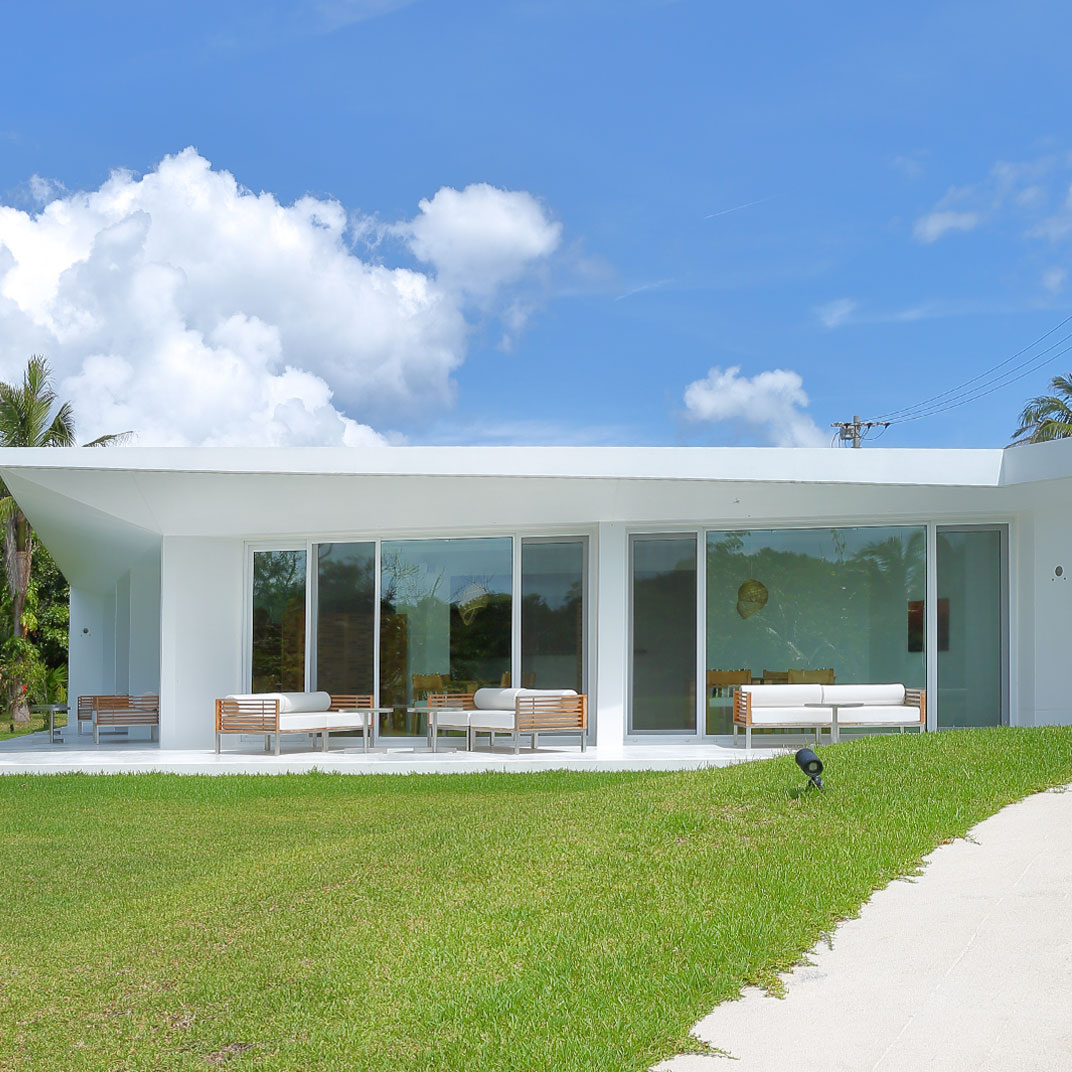
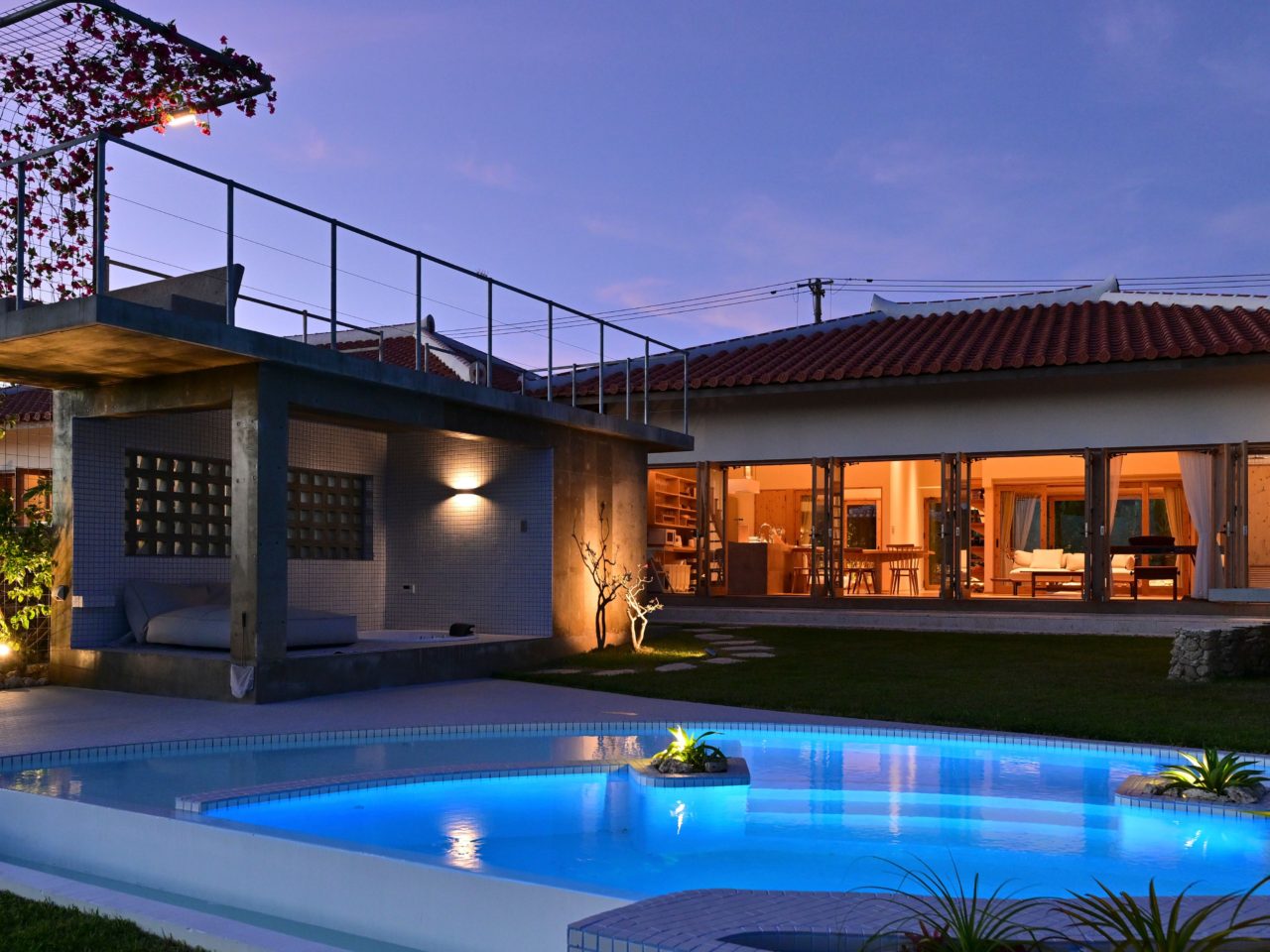
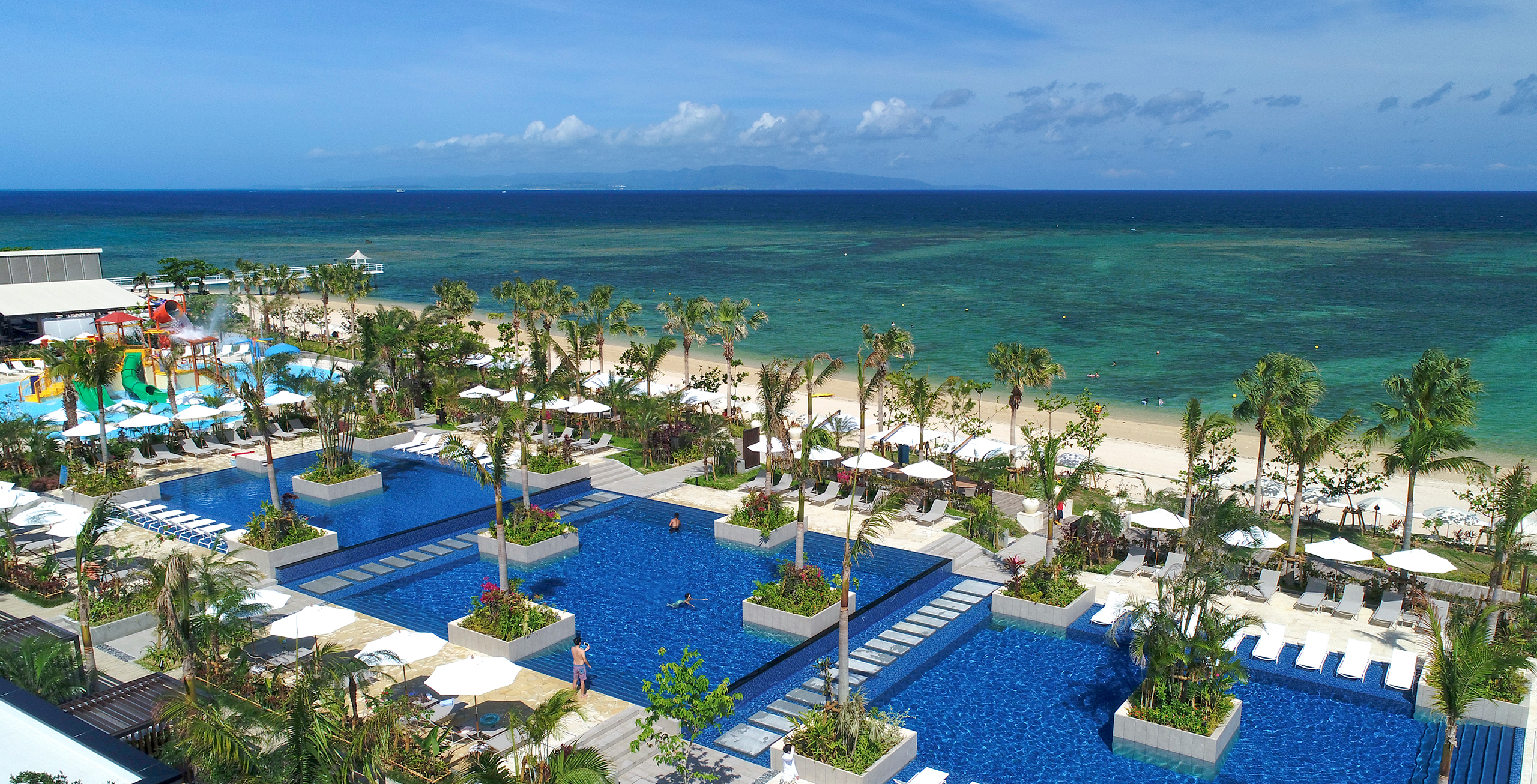
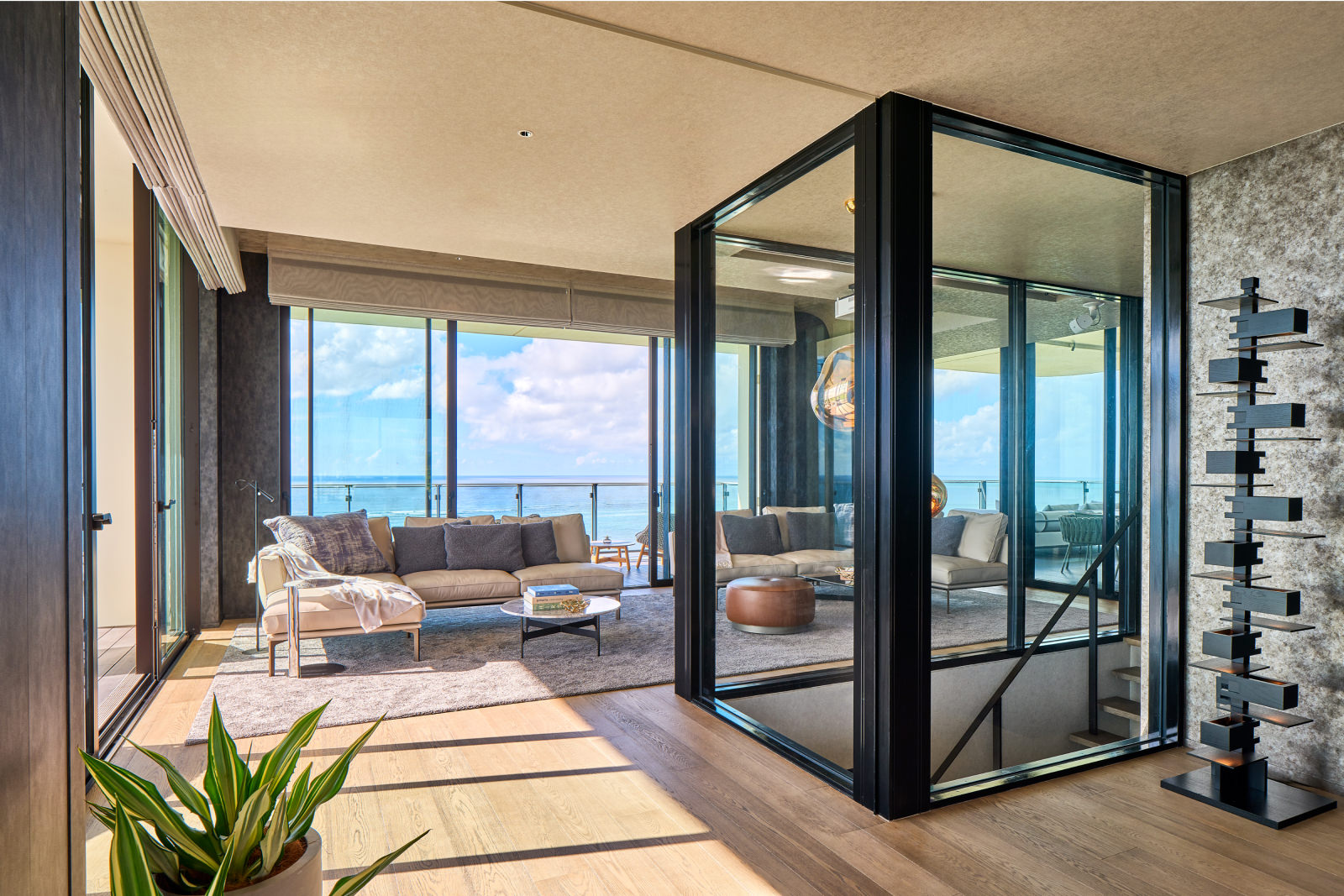
Explore Ishigaki Island
BUILD YOUR
ISHIGAKI ISLAND PLAN
Insider picks, smart timing, and a plan ready when you are.
Start Planning