Ostuni
Culture & Context
WHITE CITY PURISTS
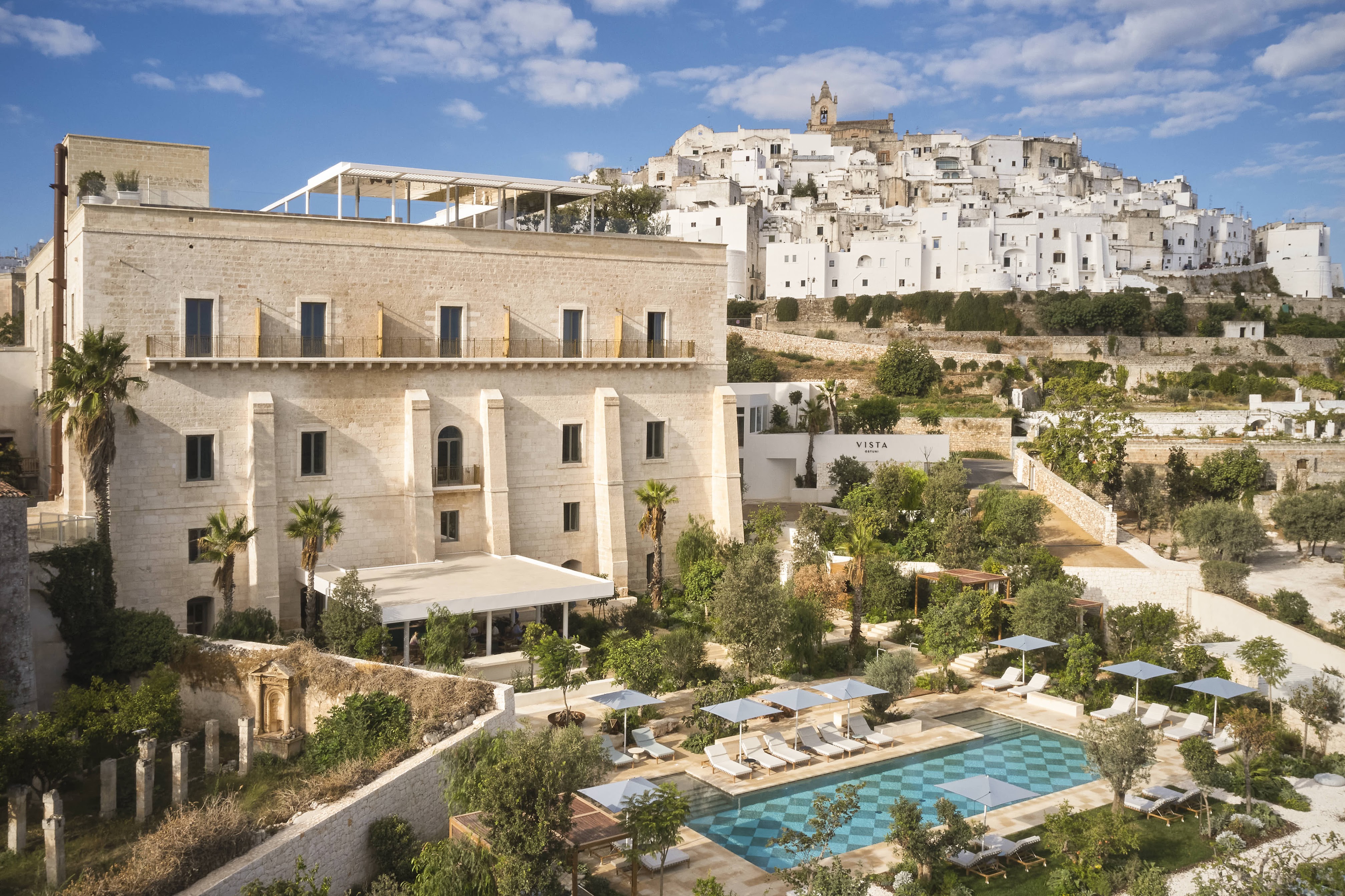
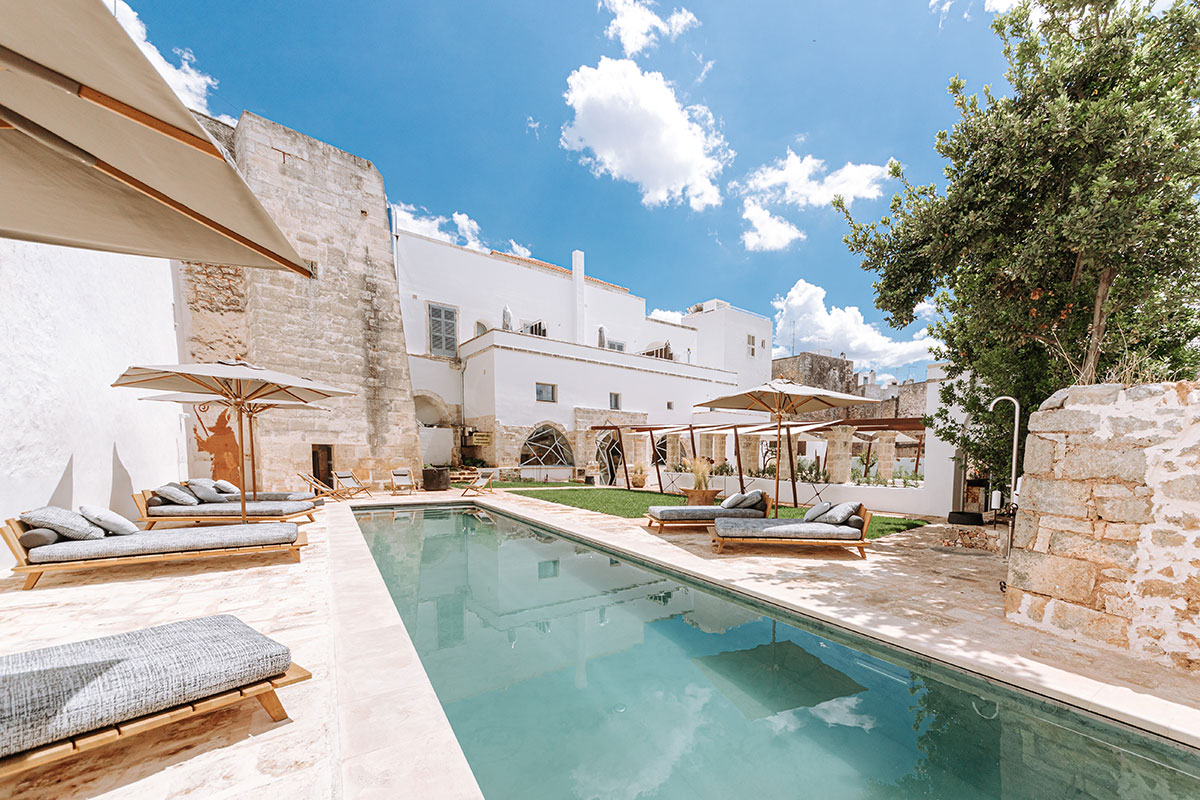
Ostuni earns its nickname, La Città Bianca, the hard way: every building in the old town is whitewashed, and it's not just aesthetics. White reflects the brutal summer sun and the tradition goes back to limestone-dust paint used for centuries. The local government still helps fund repainting to keep the look consistent. The city sits on a ridge of the Murgia plateau and its medieval layout was deliberately designed as a defensive labyrinth — narrow alleys, dead ends, sudden staircases — originally meant to disorient invaders. That same confusing maze is now what makes wandering it so satisfying.
The area has been inhabited for over 25,000 years. A Paleolithic woman known as "Delia" was discovered here, and the Museo Civico di Ostuni houses her remains alongside archaeology going back to pre-Roman Messapii settlements. The Norman fortress town that grew up in the 11th century eventually became a pilgrim and crusader waypoint, and the 15th-century Gothic cathedral — with its distinctive curved rose window — sits at the highest point of the old town as the architectural crown of all that history.
After Italian unification in the 19th century, locals largely abandoned the old town for the newer lower city. That benign neglect is precisely why the centro storico is so well-preserved today: for 150 years, barely anything changed up there.
Today Ostuni swells from roughly 32,000 winter residents to nearly 200,000 in peak summer. The surrounding countryside produces some of Italy's finest olive oil, with thousand-year-old olive trees still bearing fruit. The wines here — Ostuni Bianco and Ostuni Ottavianello — have been protected designation of origin since 1972. This is a place that takes its food and its land seriously.
cultural_context_headline: WHITE CITY PURISTS
Local Customs
The evening passeggiata is real and observed.
From about 7pm, Piazza della Libertà and the surrounding streets fill with locals walking, greeting each other, and settling in for aperitivo. Join in rather than just watching..
The coperto is a fixed cover charge added to your bill at sit-down restaurants — typically €1.50–3 per person. It's legal, standard, and non-negotiable.
Don't confuse it with a tip or argue about it.. Restaurants close after lunch for la pausa (roughly 2:30–7pm). Plan your meals around this or you'll find most places locked mid-afternoon..
Espresso is drunk standing at the bar, not sitting at a table. Standing costs €1–1.50; sitting at an outdoor table can cost 3–5x more.
Know what you're paying for before you sit down.. Sunday is the antiques market day. Every second Sunday of the month (and every Sunday in July and August), the streets around the municipal villa come alive with vendors selling vintage items, furniture, and local crafts..
Restaurants in Piazza della Libertà charge a premium. The food isn't necessarily better — you're paying for the square. Wander one street back and prices drop noticeably..
Puglia produces more than 40% of Italy's total olive oil, and locals treat it like currency. Accepting a taste of local oil at a farm shop or masseria is good manners.
Safety
Ostuni is genuinely safe.
Crime is low, violent incidents are rare, and the town has none of the aggressive pickpocketing culture you'll encounter in Rome, Naples, or Florence. The main risks are standard Italian petty theft: keep an eye on bags in crowded summer markets and don't leave valuables visible in a parked rental car — break-ins from vehicles are more common across southern Italy than tourists expect.
Solo female travelers consistently rate Ostuni as one of the more comfortable places in southern Italy. Use normal evening awareness in quieter alleyways late at night, but this is not a place where you need to be on constant alert.
One genuinely useful tip: Ostuni's ZTL (limited traffic zone) covers a large portion of the historic center. Drive into it by accident and you'll get a substantial fine sent to your home address weeks later. Look for the cameras and signs, park outside the walls, and walk.
Italy's national emergency number is 112.
safety_headline: VERY SAFE, WATCH YOUR CAR
Getting Around
WALK THE HILLS, RENT A CAR
The old town is walkable but physically demanding. Steep inclines, uneven cobblestones, and endless staircases are part of the deal — wear proper shoes, not sandals. Once you're up there, the centro storico is compact enough to cover on foot in a day.
For getting to Ostuni: fly into Brindisi (BDS), 31.5 km away. Direct trains run roughly every hour and take about 20 minutes, costing around €3.20. From Bari (BRI), take a train to Bari Centrale then a direct service to Ostuni — about 1 hour 20 minutes total, around €11. Ostuni is one of the few small Puglian towns with its own train station, which makes it an unusually good base for car-free exploration.
That said, a rental car transforms your experience of the wider region. Getting to smaller towns, masserie in the countryside, and the coast (8–10 km away) without one is genuinely frustrating. There is no Uber in Ostuni — it's only available in Rome, Milan, Florence, and Naples. Local taxis exist; apps like IT Taxi and FreeNow work here. Book ahead for airport runs.
Parking: the main lot is Parcheggio Ostuni near downtown. White road markings mean free parking; blue markings are paid. The ZTL (restricted traffic zone) is large and clearly marked — respect it.
Tuk-tuk (ape) tours of the old town run around €50/hour and are popular for day-trippers.
transport_headline: WALK IT, RENT FOR REGION
Useful Phrases
Where to Stay in Ostuni
5 recommended properties