Antwerp
Culture & Context
DIAMONDS & DESIGN — Antwerp is Europe's diamond capital (roughly 84% of the world's rough diamonds pass through here) and a legitimate fashion powerhouse, home to the legendary Antwerp Six designers whose work put Belgian fashion on the global map.
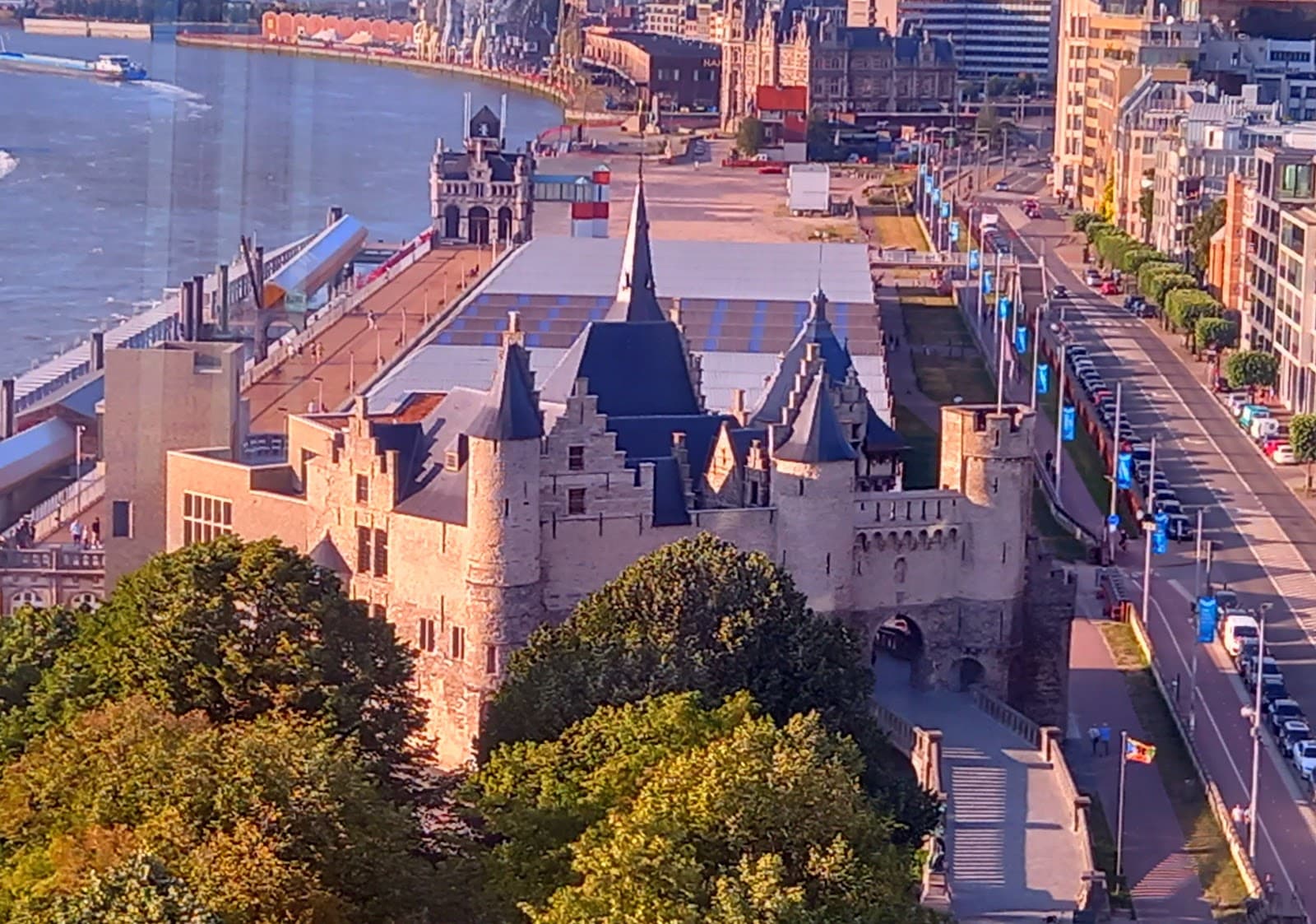
The city sits on the Scheldt River and operates Europe's second-largest port — so there's a hardworking, merchant-class energy beneath all the style. It's Flemish to its core: Dutch-speaking, proud of its distinct dialect ("Antwaarps"), and quietly competitive with Brussels.
Baroque painter Peter Paul Rubens was born here, and the city has never quite stopped mentioning it. The Cathedral of Our Lady, Plantin-Moretus Museum, and MoMu fashion museum make it one of the densest cultural cities in northern Europe. Locals are reserved on first meeting but warm up quickly.
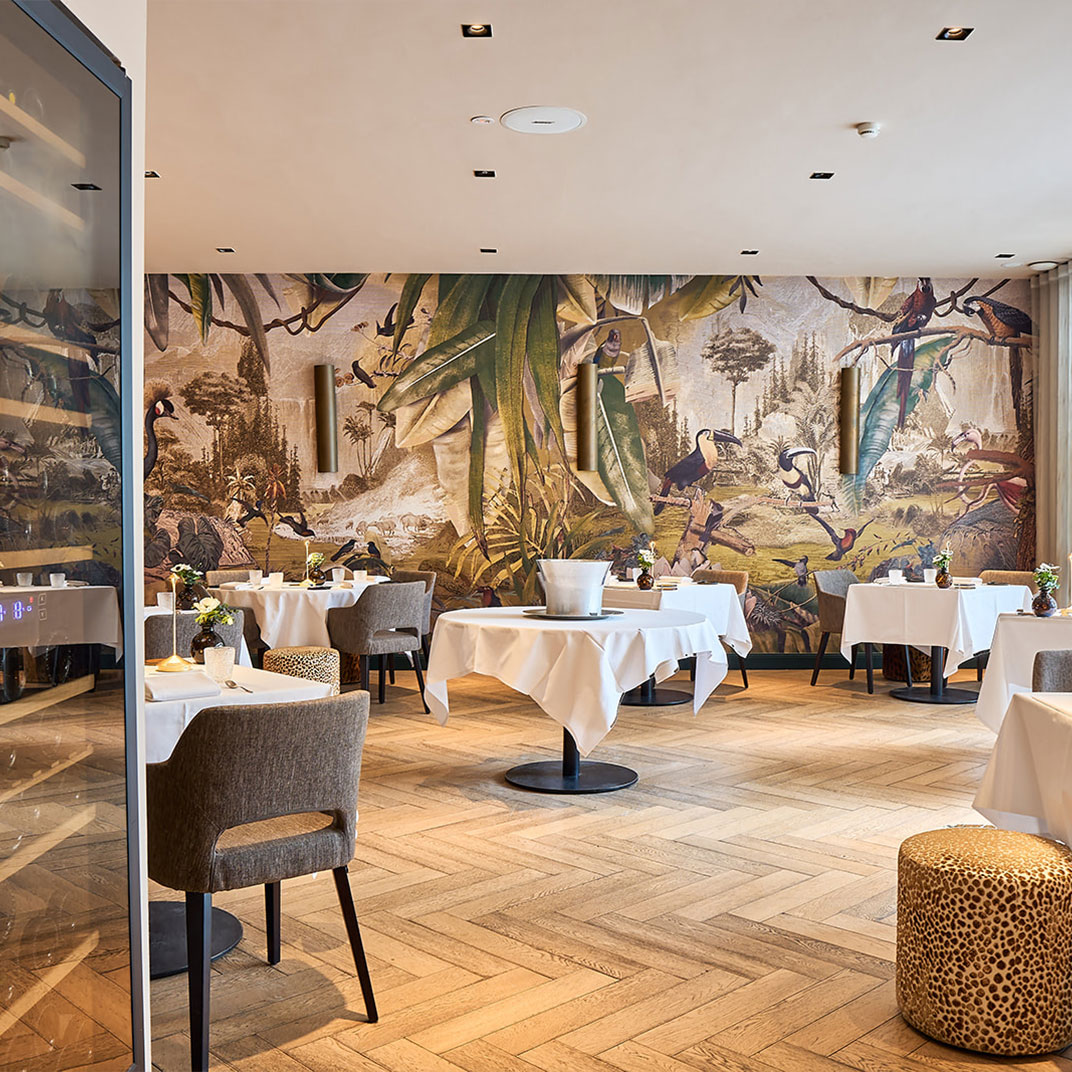
The food scene is serious — Antwerp has Belgium's highest concentration of Michelin-starred restaurants — but you can eat brilliantly at a frituur (chip shop) for under €6. And yes, the beer thing is real. De Koninck is the local brew; ordering a "bolleke" (its signature glass) at a bar signals you know what you're doing.
Local Customs
Punctuality matters.
Belgians take being on time seriously for dinner reservations, meetings, and appointments — don't show up 20 minutes late and expect warmth.. Greet with a handshake when meeting someone new.
Among close friends, three kisses on the cheek (starting right) is common — don't be startled.. Wait for everyone at the table to be served before eating. The host or someone at the table will say 'Smakelijk' (enjoy your meal) — that's your cue to start..
Tipping is not obligatory — service is included by law. Rounding up to the nearest €5 or €10 for genuinely good service is appreciated but never expected.. Each Belgian beer has its own specific glass.
Bars take this seriously. Do NOT walk off with a festival or bar glass as a souvenir — it's considered theft and can result in fines.. Shops are generally closed on Sundays EXCEPT on the first Sunday of each month (Koopzondag), when city center shops open.
Restaurants and cafés are usually fine any day — double-check museums.. Antwerpers are reserved at first and don't perform enthusiasm for strangers. A shop assistant not smiling at you isn't being rude — it's just how it works.
Don't take it personally.. Dutch (Flemish) is the official language and locals appreciate any effort to use it. English is widely spoken, especially among younger people.
Speaking French without asking first can occasionally rub people the wrong way — Dutch or English is safer.
Safety
GENERALLY SAFE — Antwerp is one of the safer large cities in northern Europe.
Violent crime is low and most neighborhoods feel relaxed. The main nuisance is petty theft: keep an eye on belongings around Antwerp Central Station, the Meir shopping street, and packed tourist spots.
Park Spoor Noord has visible drug use — people openly injecting in some sections — so be aware if you're there, especially at night. Some areas near the station and parts of Borgerhout can feel sketchy after dark, but tourists rarely end up in those spots anyway. Belgium's national terror threat level sits at Level 3 ("grave"), and the US State Dept maintains a Level 2 advisory for the country — both are country-wide designations, not specific to Antwerp.
The diamond district (Diamantbuurt) has extra ID checks at peak hours (10am–4pm daily). For solo female travelers, the city is generally welcoming and progressive; catcalling is uncommon. Emergency number is 112 across the EU.
Use official ATMs from KBC or Belfius — avoid Euronet machines which charge ~€4 per withdrawal.
Getting Around
TRAMS & WALKABLE — The city center is compact enough to walk between most major sights.
For longer distances, De Lijn runs an extensive network of trams, buses, and a "pre-metro" (regular trams that go underground through city-center tunnels). A single ticket costs €3 and is valid for 60 minutes with unlimited transfers.
A 10-ride Lijnkaart cuts that to ~€2.20/ride. A 24-hour day pass costs €9; 3-day pass is €18.
Always validate your ticket when boarding — inspectors check regularly and fines are steep (around €60). IMPORTANT 2026 ALERT: The main pre-metro tunnel is under renovation from May 4, 2026 through late March 2027. Lines 3, 5, 9, and 15 are running on alternative surface routes.
Check the De Lijn app before every journey. Trams run until around midnight (1am on weekends). For bikes, Velo Antwerp is the city's bike-share with a day pass around €5 — a great way to ride along the Scheldt.
From Central Station you can reach Brussels in ~40 minutes by train, Ghent in ~35 minutes. The Thalys connects to Paris and Amsterdam. Download the De Lijn app for real-time routes and mobile tickets.
Useful Phrases
Where to Stay in Antwerp
9 recommended properties