Davos
Culture & Context
ALPINE POWER TOWN
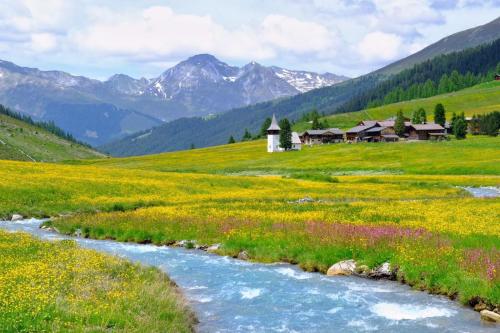
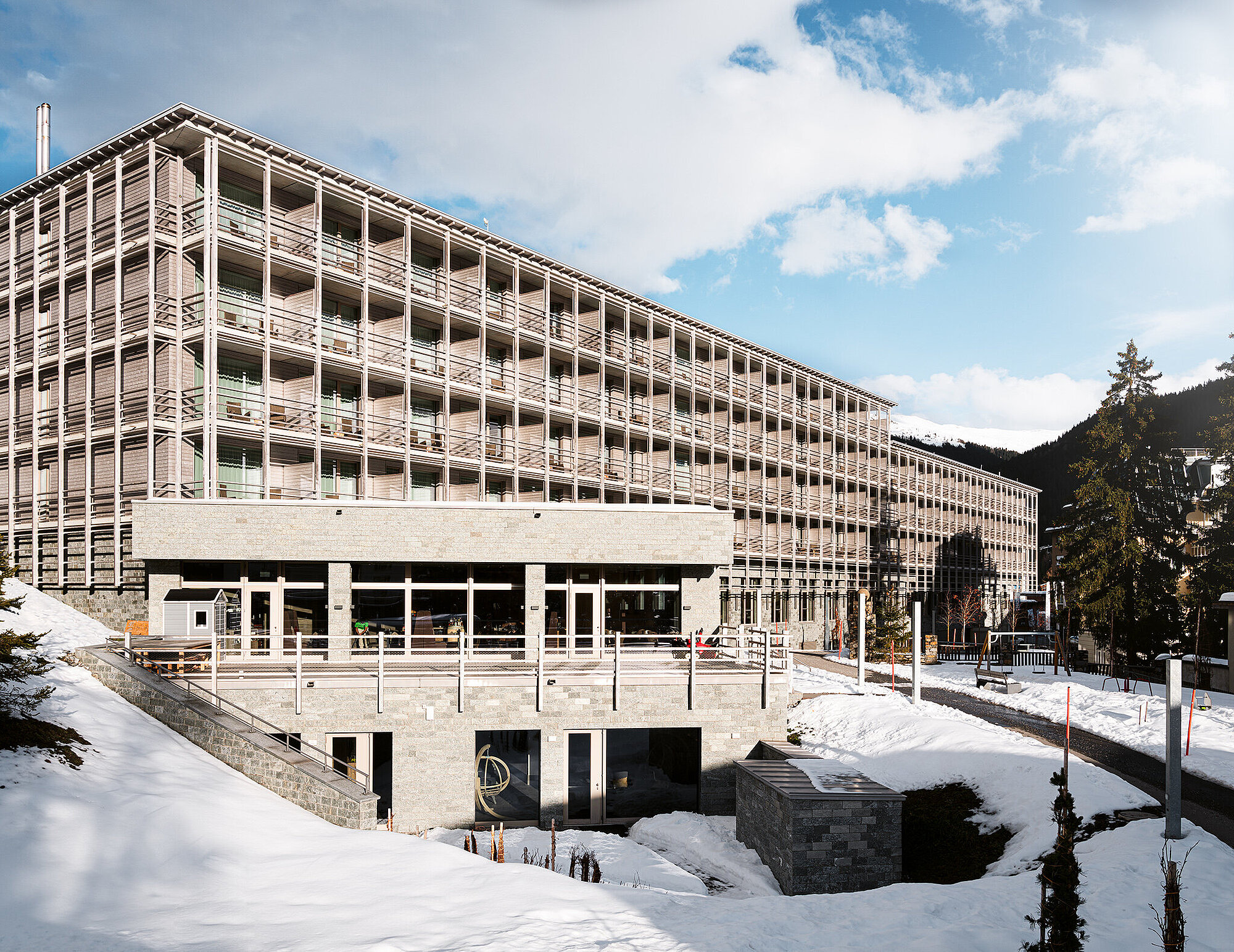
Davos sits at 1,560 meters — the highest city in Europe, and it carries that distinction with a certain swagger. This is not a quaint mountain village with wooden chalets and flower boxes. It's a proper town: wide roads, modern architecture from the early 20th century, a long central promenade, and a skyline shaped by four- and five-star hotels. The architecture has more in common with Bauhaus than a traditional Swiss alpine village.
Two identities coexist here in constant tension. From late December through January, Davos becomes the center of global power — first the Spengler Cup ice hockey invasion (Dec 26–31), then the World Economic Forum, which has called Davos home every January since 1971. During WEF week, the Promenade turns into a corridor of security barriers, motorcades, and nervous-looking men in suits. Presidents, CEOs, and central bankers eat at the same restaurants as skiers. It's genuinely surreal.
The other eleven months? Pure Alpine sport. Davos is the birthplace of modern winter sports in Switzerland — skis, sleds, outdoor ice rinks, the whole tradition. Skiing here means access to over 300km of piste across five linked ski areas. Summers are increasingly popular for biking, with the longest singletrail network in the Alps. The Kirchner Museum keeps the cultural thread alive, housing the world's largest collection of works by expressionist painter Ernst Ludwig Kirchner, who moved here in 1918.
The local character is Graubünden German — direct, reserved, proud. They speak a dialect with older roots than standard Swiss German, and some locals in the outer villages still speak Romansh, Switzerland's fourth official language. Don't expect warmth on first contact. Earn it.
CULTURAL CONTEXT HEADLINE: WORLD STAGE, WILD SLOPES
Local Customs
Say 'Grüezi' (GREW-tsi) when entering any shop or restaurant, and 'Uf Wiederluege' or simply 'Merci' when leaving.
Skipping this marks you as rude, not just foreign.. Punctuality is non-negotiable.
A dinner reservation at 7pm means 7pm. Being 15 minutes late without texting ahead is genuinely considered disrespectful.. Noise rules are strict and legally enforced.
No lawnmowers or power tools on Sundays. Quiet hours in residential areas typically start at 10pm on weekdays and run all day Sunday.. Do not jaywalk.
Crossing on a red pedestrian signal is illegal and police do issue fines — even on empty roads. Locals wait.. When clinking glasses, make direct eye contact with each person individually.
Skipping eye contact during a toast is considered bad luck and poor manners — locals take this seriously.. Tipping is not obligatory — service charges are included in Swiss prices and staff earn living wages. Rounding up to the nearest franc or leaving 5% for good service is normal and appreciated.
Don't feel pressured to tip 15-20% as you might in the US.. Recycling is serious business. Hotels and apartments have separate bins for glass, paper, plastic, and general waste.
Do not mix them. Fines exist for dumping waste incorrectly.. On hiking trails, it's completely normal — even expected — to greet strangers with 'Grüezi' as you pass.
In the mountains, this social contract extends to everyone you meet on the path.
Safety
Davos is genuinely safe — the US State Department rates Switzerland at Level 1 ("Exercise Normal Precautions"), its lowest risk designation.
Violent crime against tourists is exceptionally rare. The town itself is small enough that you're never far from help, and the general Swiss sense of order and rule-following keeps things predictable.
The practical risks are: petty theft during busy periods (WEF week especially draws organized pickpocket teams), and mountain safety. Avalanche risk is real in winter — always check conditions before heading off-piste or into ungroomed areas. Emergency rescue services are excellent and fast, but the mountains don't care.
During WEF (January 19–23, 2026), the town operates under extraordinary security. A record 5,000 Swiss Army personnel were deployed in 2026, with airspace restricted and rolling road closures on the A28. Expect delays, ID checks, and a general locked-down atmosphere during that week. It's not dangerous — it's just a hassle. If you're there for skiing and not the forum, that week is worth avoiding.
One Swiss-specific legal note: jaywalking is illegal and police do issue on-the-spot fines. Don't cross on red, even if the road looks empty. Noise rules are strict — keep it down in residential areas after 10pm, and absolutely nothing loud on Sundays.
SAFETY HEADLINE: VERY SAFE, MOUNTAIN AWARE
Getting Around
TRAIN & FREE BUS
The Rhaetian Railway (RhB) is the spine of everything. Trains run from Zurich Airport to Davos in around 2.5 hours — change at Zurich HB and again at Landquart onto the RhB. From Landquart, you ride up through the Prättigau valley to either Davos Dorf (northeast end of town, best for Parsenn ski area) or Davos Platz (southwest, best for Jakobshorn). Trains run hourly. Note: from April 27 to May 13, 2026, and September 7 to October 16, 2026, rail service is suspended between Küblis and Davos — replacement buses operate instead.
Once in town, the local bus network covers everything. And here's the deal: if you're staying overnight anywhere in Davos Klosters, you get a Premium Card from your accommodation, which makes all local buses completely free and knocks discounts off cable car tickets and activities. Use it. The buses connect Davos Dorf and Davos Platz frequently (a 45-minute walk otherwise), and also reach the outer villages of Frauenkirch, Glaris, Monstein, and Wiesen.
For late nights in remote neighborhoods like Monstein, the on-demand "PickMeUp invia" service runs from 8pm by app at the standard public transport fare (guest card not valid for this one).
You don't need a car in Davos. Seriously. The bus and train system is so well integrated that driving mostly means dealing with one-way systems, WEF-week road closures, and expensive parking at the lift stations. If you're driving in from Zurich, it's about 2 hours on the A3/A13 to Landquart, then Cantonal Road 28 to Davos. Snow chains may be required in heavy snowfall — they're mandatory if signposted, and that goes for two-wheel drives.
TRANSPORT HEADLINE: TRAIN IN, FREE BUS AROUND
Useful Phrases
Where to Stay in Davos
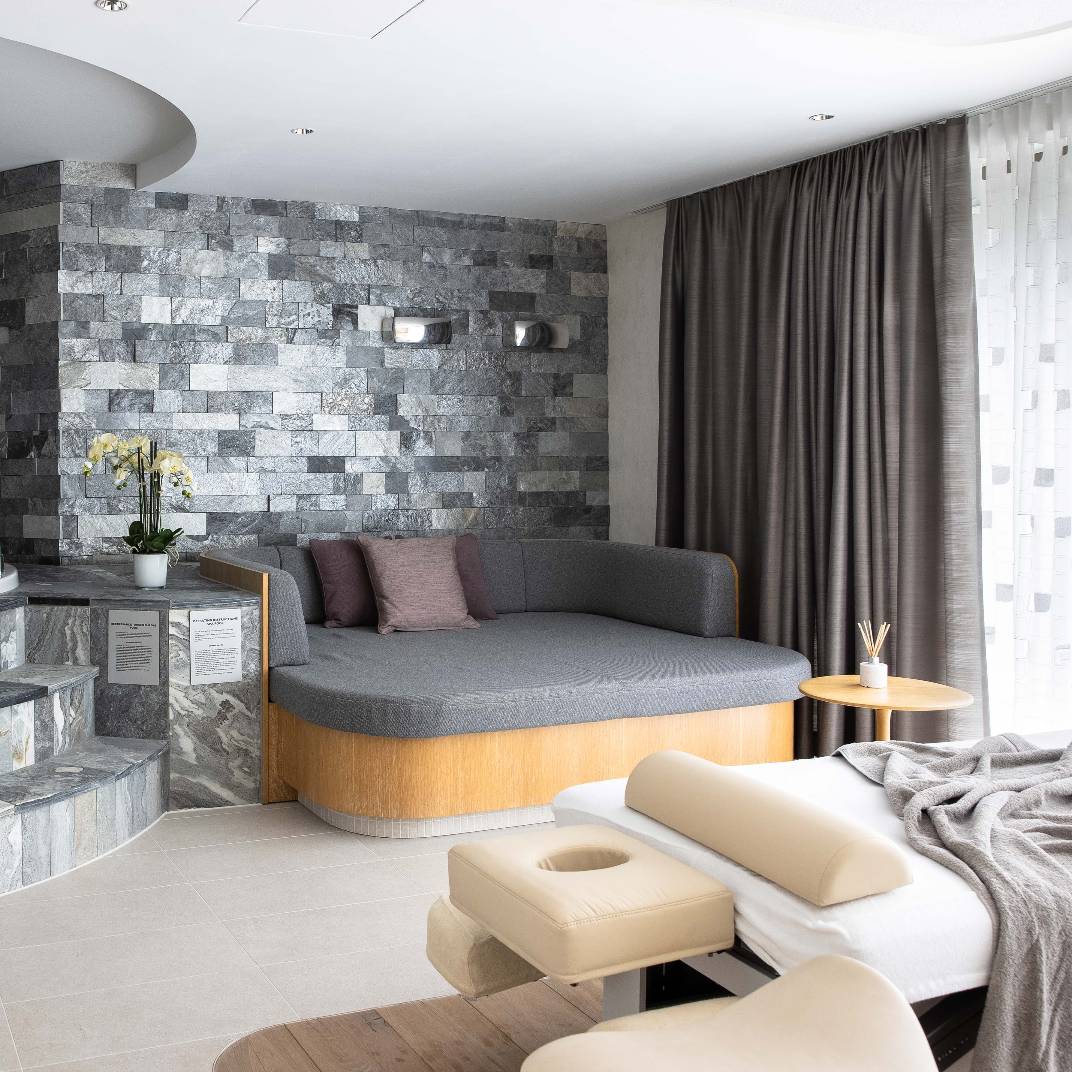
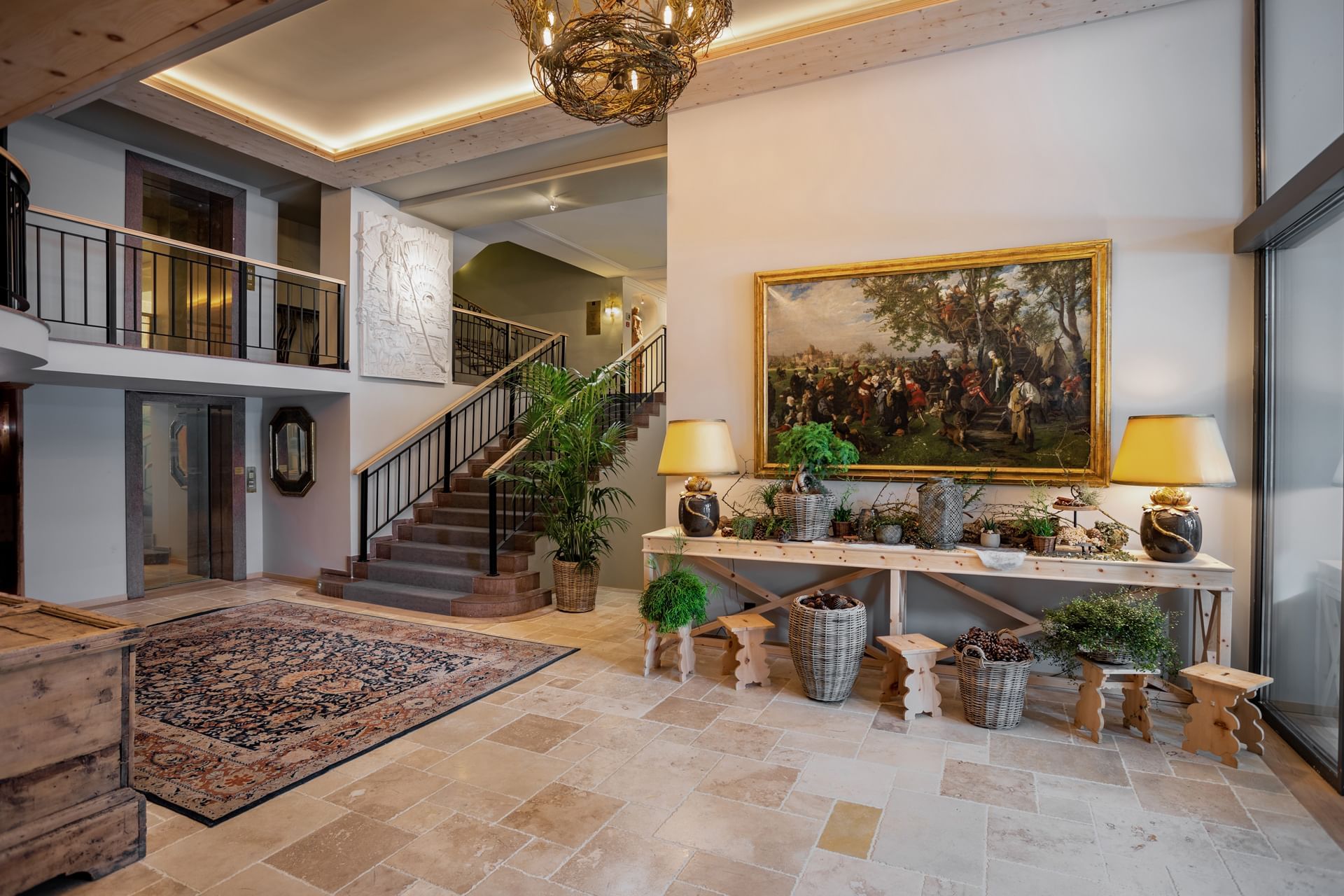
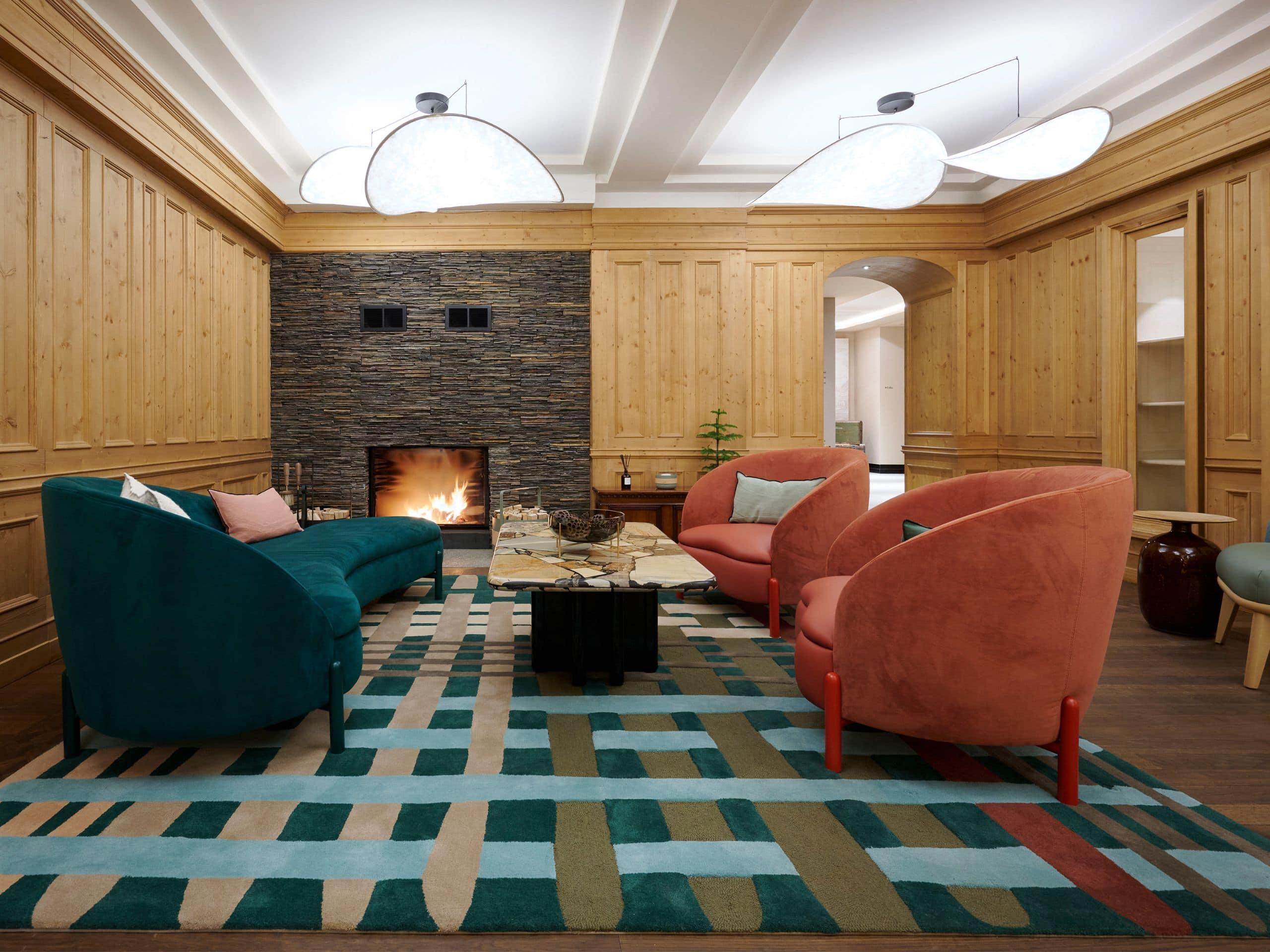
6 recommended properties