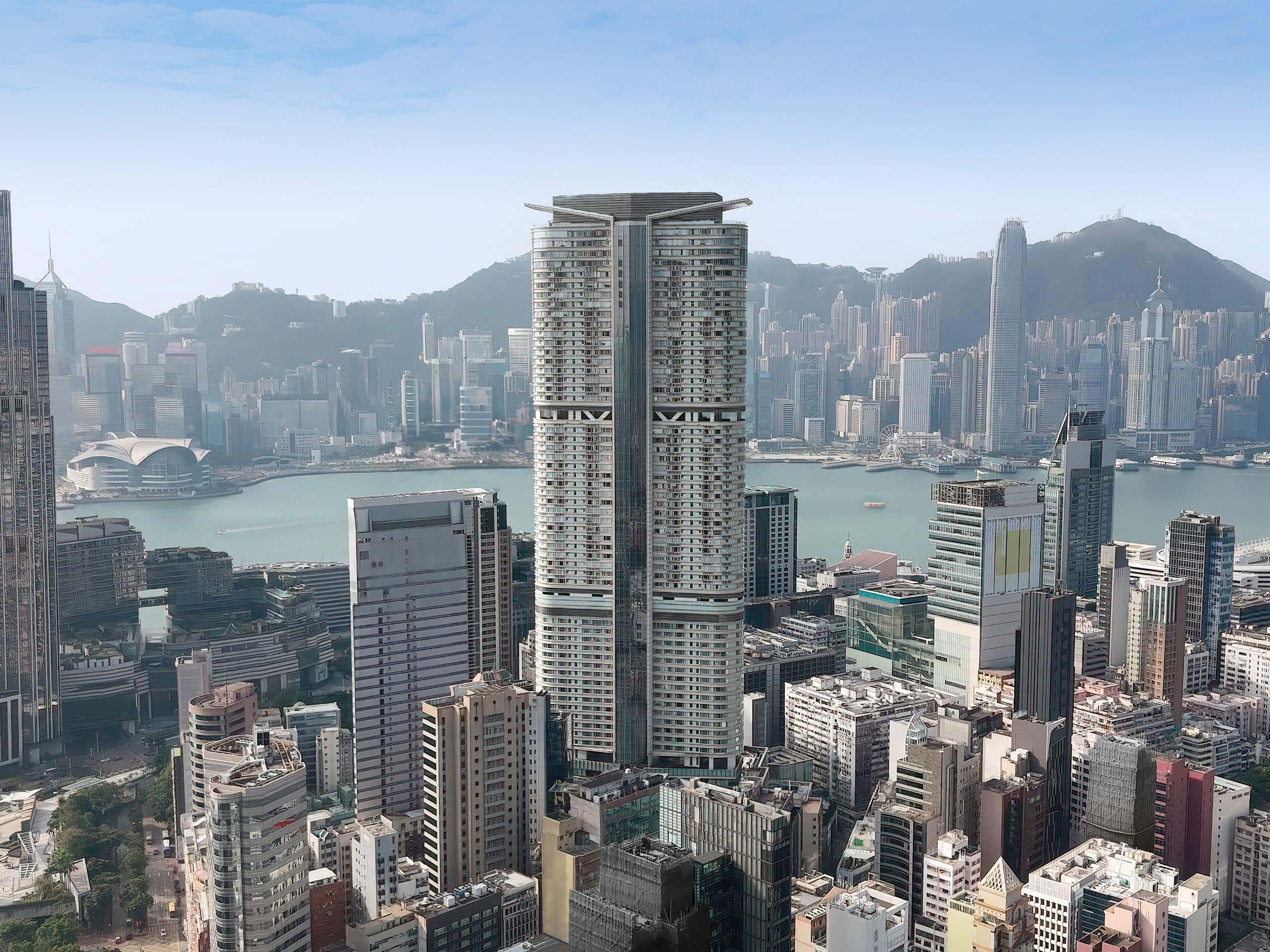
Kowloon
Culture & Context
EAST MEETS WEST, CANTONESE FIRST
Kowloon is the grittier, louder, more honest half of Hong Kong. Across Victoria Harbour from the polished glass towers of Hong Kong Island, Kowloon is where the city actually lives. The culture is a genuine collision of Cantonese tradition, British colonial history, and a relentless forward momentum that doesn't stop to explain itself. Cantonese is the dominant language and identity here — since 2019, that distinction has mattered more than ever. People are proud of it. English gets you through most tourist interactions, but in a wet market or a local cha chaan teng, you're on your own. The food culture is serious. Eating well is practically a social obligation. Dim sum isn't brunch — it's a ritual. Street markets aren't quaint — they're how people actually shop. Kowloon rewards curiosity. Wander one block off Nathan Road and the tourist film peels away fast.
cultural_context_headline: CANTONESE AT HEART
Local Customs
Tipping is not standard practice — most restaurants include a 10% service charge, and taxis and small eateries don't expect tips.
Rounding up slightly is fine but never obligatory.. Queue culture is serious.
Stand in line for the MTR, wait for people to exit before boarding, and don't cut. The city moves fast but cuts don't fly.. Use both hands to give and receive business cards, gifts, or anything formal.
It signals respect. One hand is considered rude.. The number 4 is avoided like the plague — it sounds like 'death' in Cantonese.
Don't give gifts in sets of four, and don't be surprised that many buildings skip floors numbered 4, 14, 24, etc.. Don't give clocks or watches as gifts — 'sung jung' (giving a clock) sounds identical to the phrase for paying last respects to someone dying.. Public displays of affection are frowned upon.
Keep it low-key in public spaces.. Smoking is banned in virtually all indoor spaces, most covered areas, and many outdoor public spaces. Fines can reach HK$5,000.
Look for designated smoking zones.. When invited to someone's home, bring a small gift wrapped in gold or red (never black or white, which signal mourning). Present it with both hands..
Don't photograph people without asking first, especially in markets and temples. Some vendors actively dislike it.. Stand on the right on escalators — the left side is for people walking past.
This is a firm unwritten rule and locals will not be pleased if you block it.
Safety
SAFE STREETS, COMPLEX LAWS
Street crime in Kowloon is genuinely rare. Pickpocketing happens in packed places like Mong Kok's Ladies Market and Temple Street, but even that is minor compared to most major cities. Violent crime against tourists is almost unheard of. Walk around at 2am and you'll mostly encounter other night owls and convenience store clerks. The real thing to understand is legal. Hong Kong's National Security Law was expanded in March 2026, and multiple Western governments (US, UK, Canada, Australia) now advise exercising increased caution. For normal tourism — eating dim sum, riding the Star Ferry, shopping, hiking — you're completely fine. But avoid political discussions in public, don't photograph police or government buildings, and stay well away from any gatherings that look like demonstrations. Don't bring e-cigarettes, pepper spray, or stun guns; customs enforces these bans seriously. Watch for watch and jewelry scams in TST — touts approach you on the street and steer you to 'wholesale' shops selling fakes at inflated prices. Just say no and keep walking. Red taxis are metered and honest; avoid unlicensed ones.
safety_headline: SAFE STREETS, MIND THE LAW
Getting Around
MTR RUNS THE SHOW
The MTR (Mass Transit Railway) is your main tool. It's fast, clean, air-conditioned, and runs until around 1am. Get an Octopus card at the airport (HK$50 deposit, refundable when you leave) — it works on the MTR, buses, Star Ferry, convenience stores, and some restaurants. Single MTR rides run HK$5–30 depending on distance. Multiple lines serve Kowloon: the Tsuen Wan Line covers TST and Mong Kok, the Kwun Tong Line cuts through Jordan and beyond, and the Tuen Ma Line connects West Kowloon. The Airport Express drops you at Kowloon Station for HK$105 (about US$13.40) — fastest option from the airport. Red taxis cover all of Kowloon and Hong Kong Island; fares are metered and reasonable. Many older drivers speak limited English, so having your destination written in Chinese characters (screenshot it) helps enormously. The Star Ferry from Tsim Sha Tsui to Central costs about HK$2.50 and is one of the best value experiences in Asia — spectacular harbour crossing in under 10 minutes. Buses are cheap but slower; useful for areas the MTR doesn't reach. The HKeMobility app gives real-time transport info.
transport_headline: MTR & STAR FERRY
Useful Phrases
Where to Stay in Kowloon
9 recommended properties