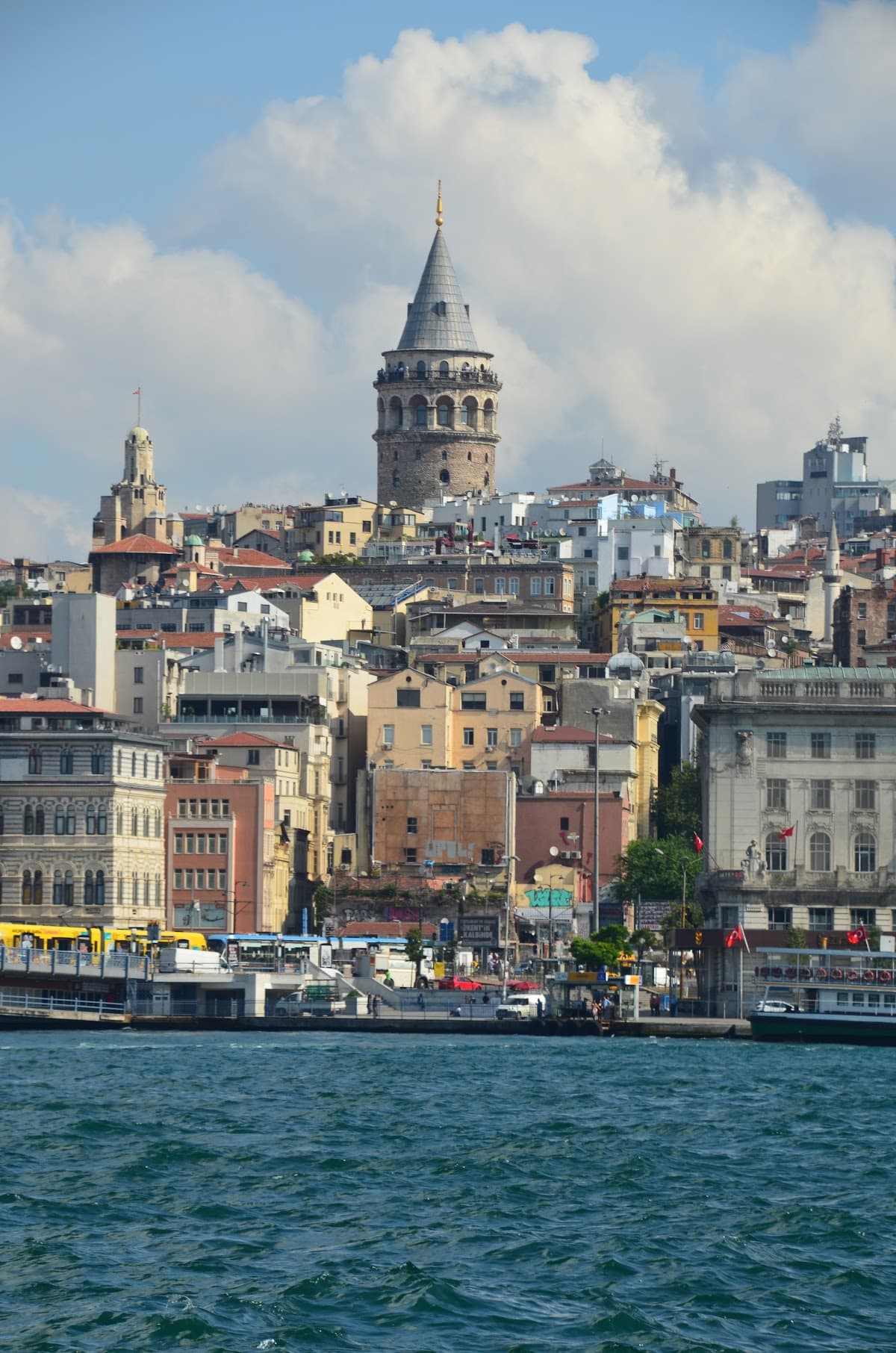
Istanbul
Where Europe meets Asia in magnificent Byzantine splendor
Istanbul isn't just a city—it's two continents having a conversation across the Bosphorus. One minute you're sipping Turkish coffee in a 500-year-old café in Sultanahmet, the next you're browsing vintage vinyl in trendy Karaköy. This is where Byzantine emperors once ruled, where Ottoman sultans built impossible mosques, and where today's locals argue passionately about which neighborhood serves the best döner. The call to prayer echoes five times daily while rooftop bars pour craft cocktails until dawn. Look, Istanbul can overwhelm first-time visitors—the traffic is legendary, the crowds intense, the history dense. But that's exactly what makes it magnetic.
Best Months
APR · MAY · SEP · OCT
~22°C · high crowds
Culture & Context
TWO CONTINENTS, ONE CITY
Istanbul is the only city in the world that sits on two continents, with the Bosphorus Strait splitting its 16 million residents between Europe and Asia. It was the capital of the Byzantine Empire for over a thousand years, then the Ottoman Empire for another five centuries. Those layers are visible everywhere: a Roman cistern beneath a neighborhood coffee shop, Byzantine mosaics inside what is now an active mosque, Ottoman hammams operating next door to third-wave coffee bars.
The city is officially secular but predominantly Muslim, and that tension plays out differently across neighborhoods. In Kadıköy you'll find craft beer bars and progressive bookshops. A few kilometers north in Fatih, things feel noticeably more conservative.
Both are very much Istanbul. Turkish hospitality is genuine and not performative. When a shopkeeper offers you tea, that's not a sales tactic — it's the actual culture.
Accepting it graciously goes a long way. That said, some touts around the Grand Bazaar absolutely do use tea as a softening tactic before a hard sell, so read the context. The city moves fast.
Traffic is among the worst in the world, locals navigate it aggressively, and pedestrian crossings are aspirational rather than enforceable. But step off the main tourist drag into a neighborhood market or a waterfront tea garden, and the pace immediately slows down. That contrast is the real Istanbul experience.
Local Customs
SHOES OFF EVERYWHERE
Remove your shoes before stepping onto the carpeted area of any mosque. There are usually racks or plastic bags provided. This applies to everyone, no exceptions..
Women need to cover their hair, shoulders, and knees inside mosques. Most mosques have scarves available to borrow at the entrance, but bringing your own is quicker.. Avoid mosque visits during prayer times — especially the Friday midday prayer, when mosques close to non-Muslim visitors.
Time your visit accordingly.. When a shopkeeper or host offers you tea (çay), accept it. Refusing is awkward and mildly rude.
You're not obligated to buy anything afterward. Just drink the tea and enjoy the conversation.. Bargaining is completely normal in bazaars and at market stalls.
Stay polite and friendly — it's a social ritual, not a confrontation. Walking away is a legitimate negotiating tactic.. Tipping 5–10% at restaurants is appreciated but not mandatory.
Rounding up the bill is the most common local approach.. Don't point the soles of your feet at another person. It's considered rude.
Relevant when sitting cross-legged on cushions at teahouses.. Avoid the 'OK' hand gesture (thumb and index finger forming a circle). In Turkish culture, this is considered offensive..
Don't refer to Turkish people as Arab. They have a completely distinct language, history, and culture. It's considered ignorant at best, offensive at worst..
Avoid commenting on Turkish politics to strangers. The political climate is sensitive, and what seems like harmless chat can go sideways quickly.. Public drinking is legal in licensed establishments but openly drinking alcohol on the street is socially frowned upon, and in some neighborhoods carries real tension..
Tap water is treated and safe for brushing teeth, but most visitors stick to bottled water for drinking. Buy it at a supermarket rather than tourist-area kiosks — the price difference is significant.
Safety
SAFE, WATCH PICKPOCKETS
Istanbul is genuinely safe for tourists in 2026 — comparable to Paris, Rome, or Barcelona. Violent crime against visitors is exceptionally rare. The city's overall crime index actually scores better than Rome, Barcelona, and Athens according to Numbeo's safety index. That said, a few things are worth knowing before you go.
Petty theft is the main risk. Pickpocketing happens in predictable locations: the Grand Bazaar, Istiklal Avenue, Sultanahmet Square, crowded T1 trams, and the ferries during peak times. Keep bags in front of you, use a money belt for your passport and main card, and don't keep your phone in a back pocket on packed public transport.
The most common scams: the shoe-shine drop (a guy drops his brush, you pick it up, suddenly you owe him for a shine), friendly strangers inviting you to a bar that turns out to be wildly overpriced (never follow strangers to unfamiliar venues), and taxi meters that mysteriously malfunction. Use the BiTaksi app for taxis. It books licensed yellow cabs and shows the estimated fare upfront, which eliminates most meter drama.
Avoid Tarlabaşı and the poorly lit back streets around Aksaray after midnight — not dramatically dangerous, but no tourist reason to be there either.
For regional context: Turkey is NOT involved in the Middle East conflict. Istanbul is more than 1,500km from the nearest active conflict zone — further than London to Madrid. The US State Department's Level 2 (Exercise Increased Caution) advisory for Turkey applies to the entire country, the same rating it gives to France and the United Kingdom. The southeastern border provinces with Syria and Iraq are Level 4 and genuinely should be avoided — but those are nowhere near Istanbul or any standard tourist itinerary.
Security checks at the Istanbul Metro, Grand Bazaar, Sultanahmet, and Taksim Square include bag checks, which is normal. Solo women traveling: thousands visit independently every year and report mostly positive experiences. The most commonly reported annoyance is verbal attention in tourist areas, not physical danger. Dressing modestly in conservative neighborhoods and sticking to well-lit, populated areas at night reduces that significantly.
Getting Around
METRO, TRAM & FERRY
Get an Istanbulkart the moment you arrive. It's a rechargeable smart card that works on every mode of public transport in Istanbul: metro, tram, bus, Metrobüs, Marmaray, funicular, and the public Şehir Hatları ferries. The card itself costs 165 TRY (about $5). Each ride runs approximately 42 TRY ($1.25). No cash is accepted directly on buses, trams, or metro — you need the card or a contactless bank card. Buy it from vending machines at the airport, metro stations, or ferry terminals. Top up with cash (most machines don't take foreign cards).
From Istanbul Airport (IST) to the city: take the M11 metro line to Gayrettepe, then change to the M2 line for Taksim or continue south toward the old city. It's the cheapest option and skips traffic entirely. The airport is huge — follow the 'Metro' (U logo) signs once you clear customs. Taxis from the airport cost 600–1,100 TRY ($17–$33) depending on destination and traffic, but traffic can be brutal.
The T1 tram is your workhorse in the historic center. It connects Sultanahmet (Hagia Sophia, Blue Mosque), Beyazıt (Grand Bazaar), Eminönü (Spice Bazaar, ferry terminal), Karaköy, and Kabataş. Warning: it gets extremely packed between 9am and 5pm. If you're only going two or three stops, walking is often faster and more pleasant.
The Marmaray is an underwater train crossing the Bosphorus in four minutes, connecting the European and Asian sides. It's faster than the ferry for getting to Kadıköy or Üsküdar, but you miss the view. Take it one way, take the ferry the other.
The public ferry (Şehir Hatları) runs frequently between Eminönü, Karaköy, Kabataş on the European side and Kadıköy, Üsküdar on the Asian side. Costs the same as a metro ride. Taking at least one ferry crossing is non-negotiable — the water view of the Istanbul skyline is what the city is actually about.
Metro trains run from approximately 5:50am to midnight. After midnight, use BiTaksi app for taxis. Don't try to drive yourself — Istanbul's traffic is among the worst in Europe, and parking is a nightmare.
For navigation, Google Maps and the Moovit app both handle Istanbul's full transport network accurately. Download offline maps before you go.
Useful Phrases
Explore Destinations




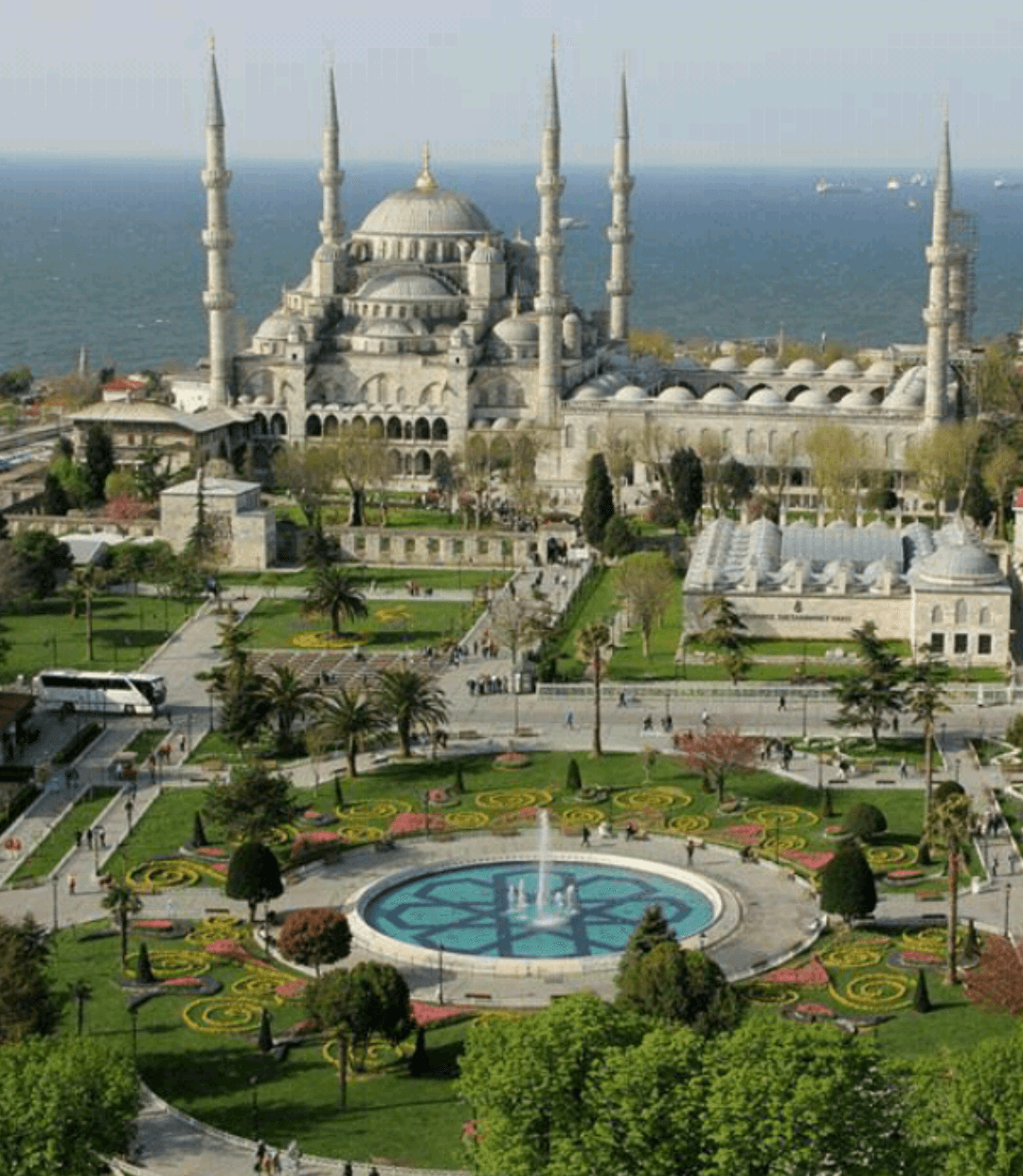
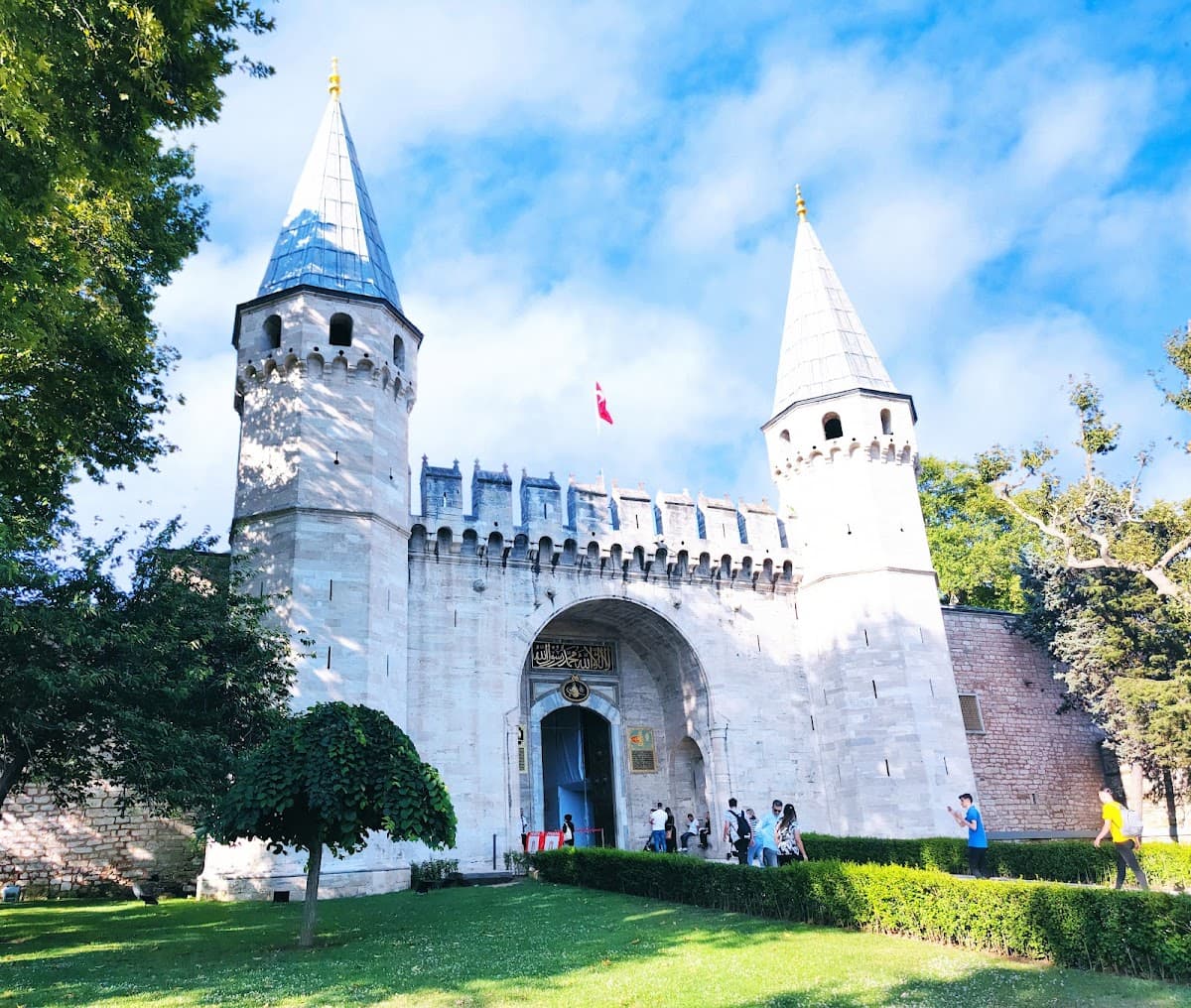
Explore the Region
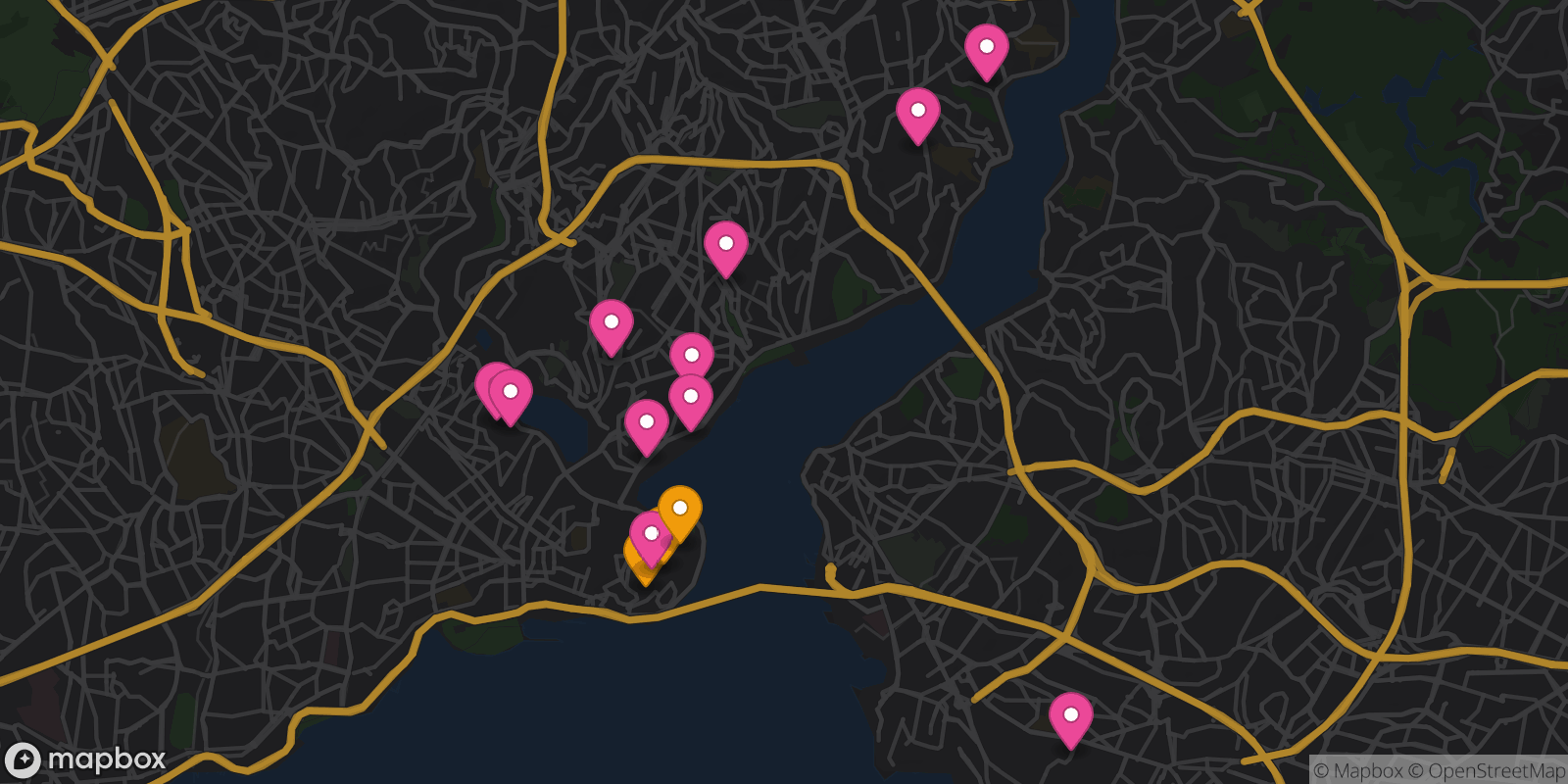
Istanbul Itineraries
View all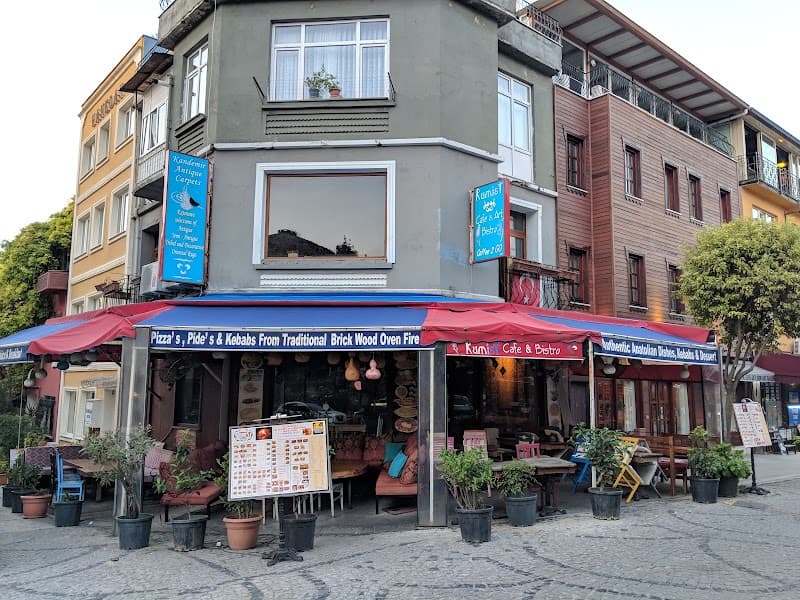
Seven-Day Family Discovery of Istanbul’s Two Continents
Week · $$$
Classic Istanbul: Byzantine Grandeur, Bosphorus Views, and Gluten-Free Dining
Weekend · $$$
Eight Slow Days in Istanbul on a Shoestring
Weekend · $
Slow-Culture Istanbul: Historic Core, Neighborhood Life, and Bosphorus Days
Weekend · $
One Perfect Day in Historic Istanbul
Weekend · $$
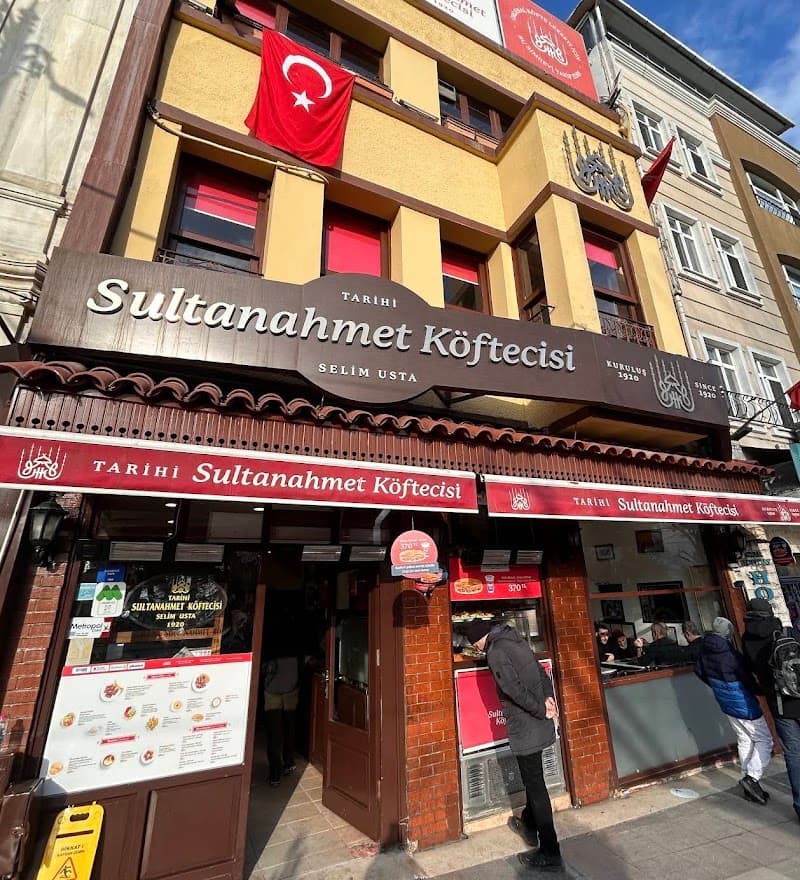
One Perfect Day in Sultanahmet & the Historic Bazaar
Weekend · $$$
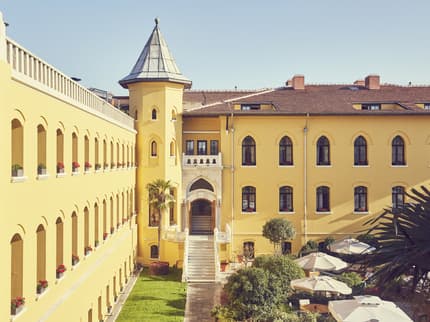
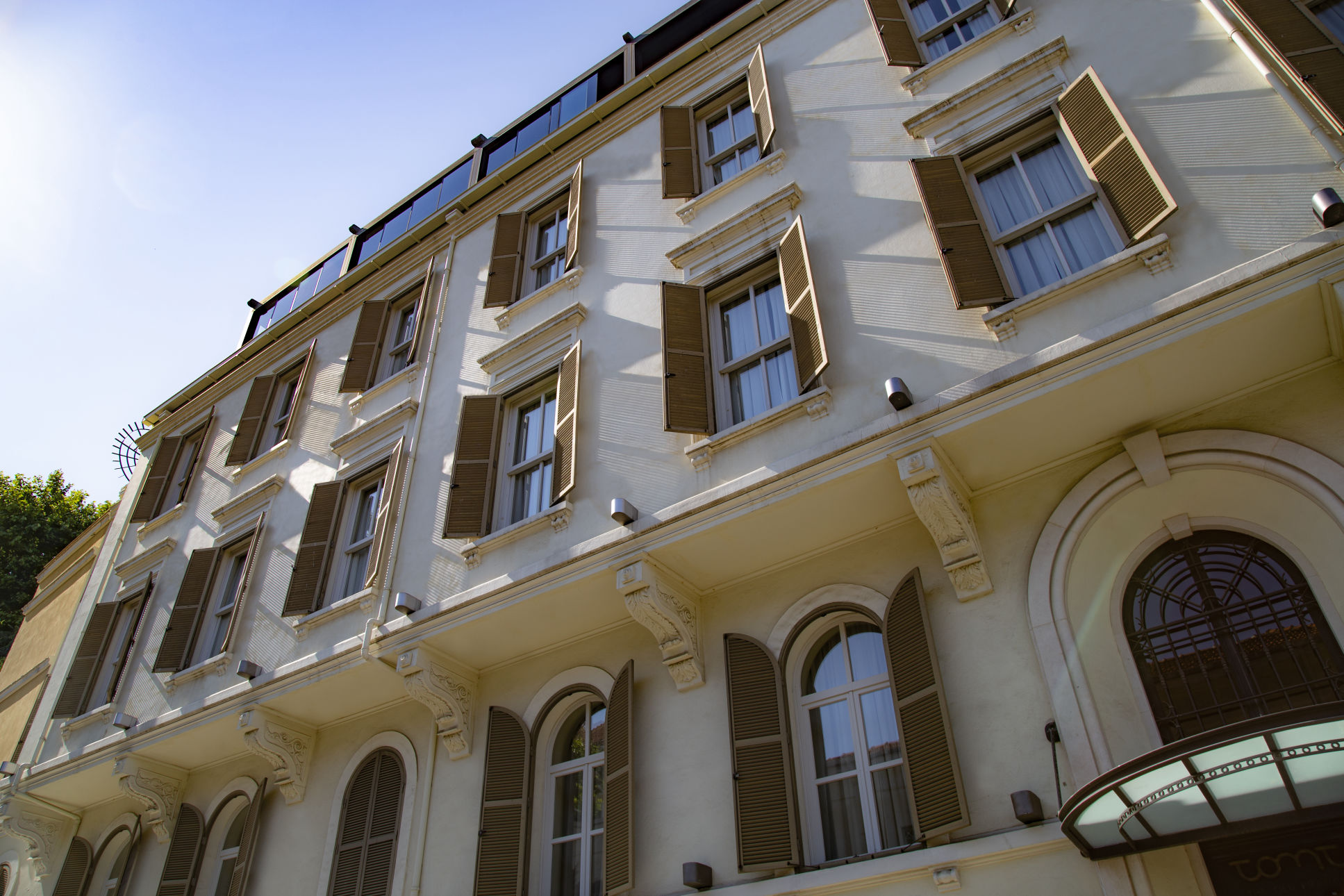
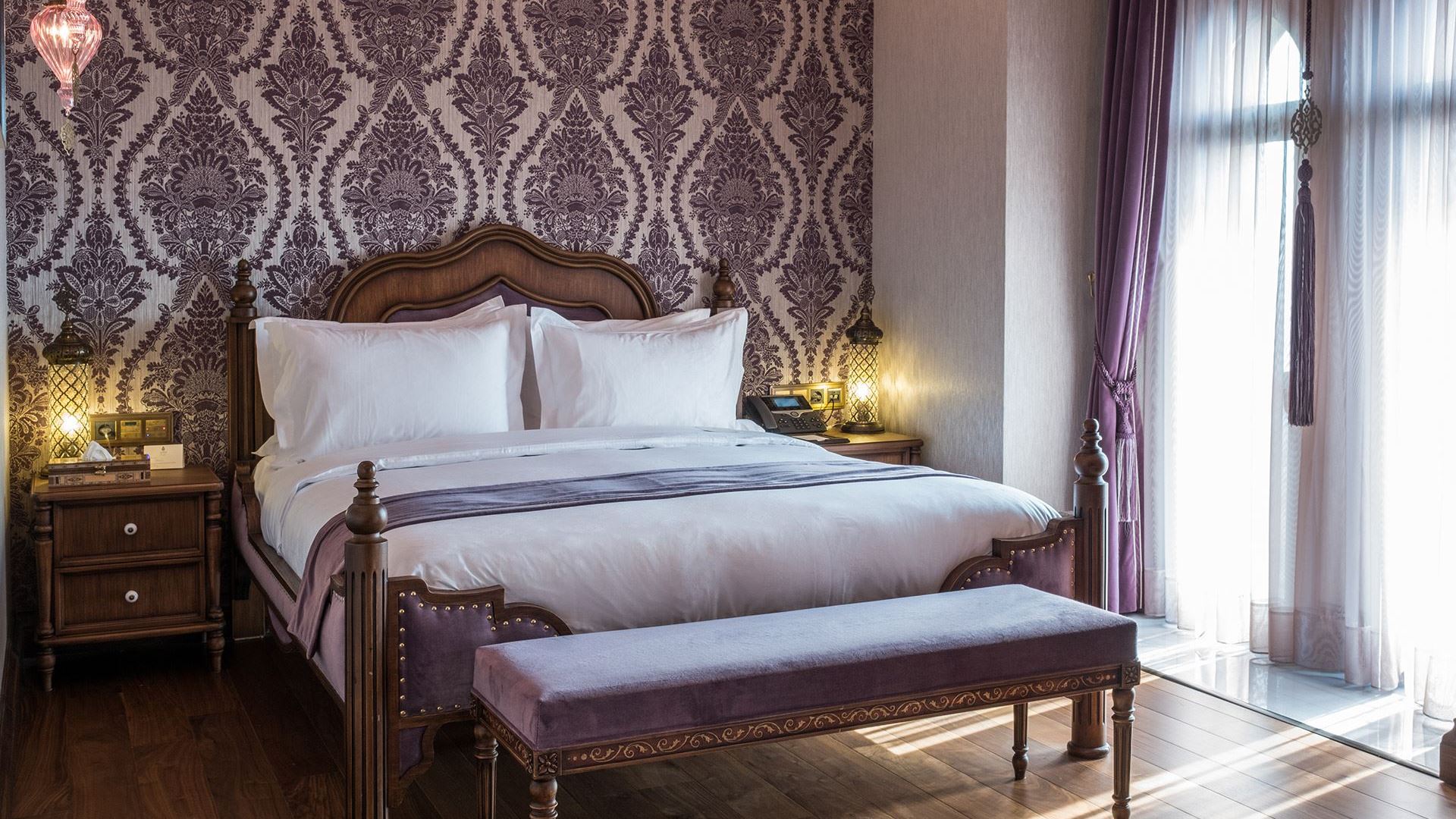
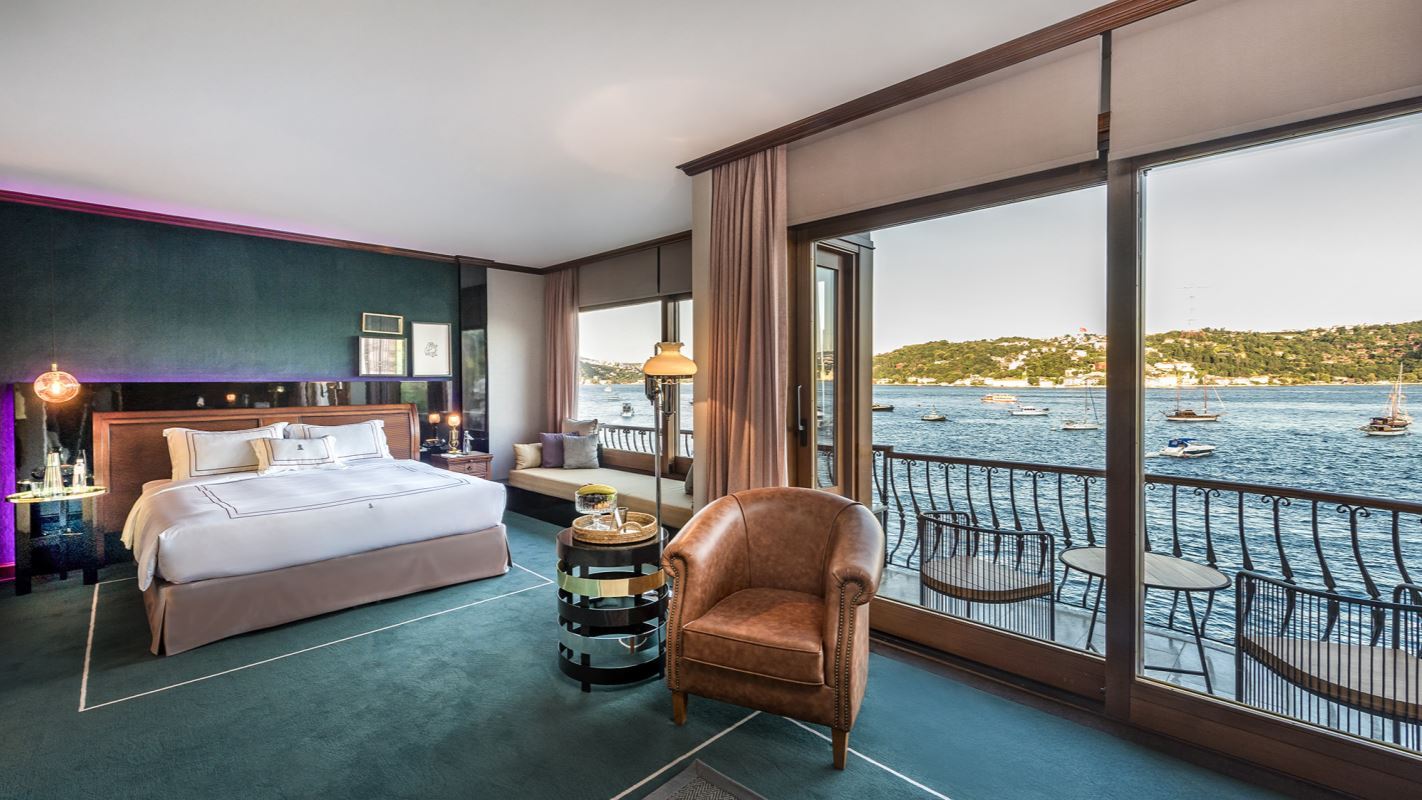
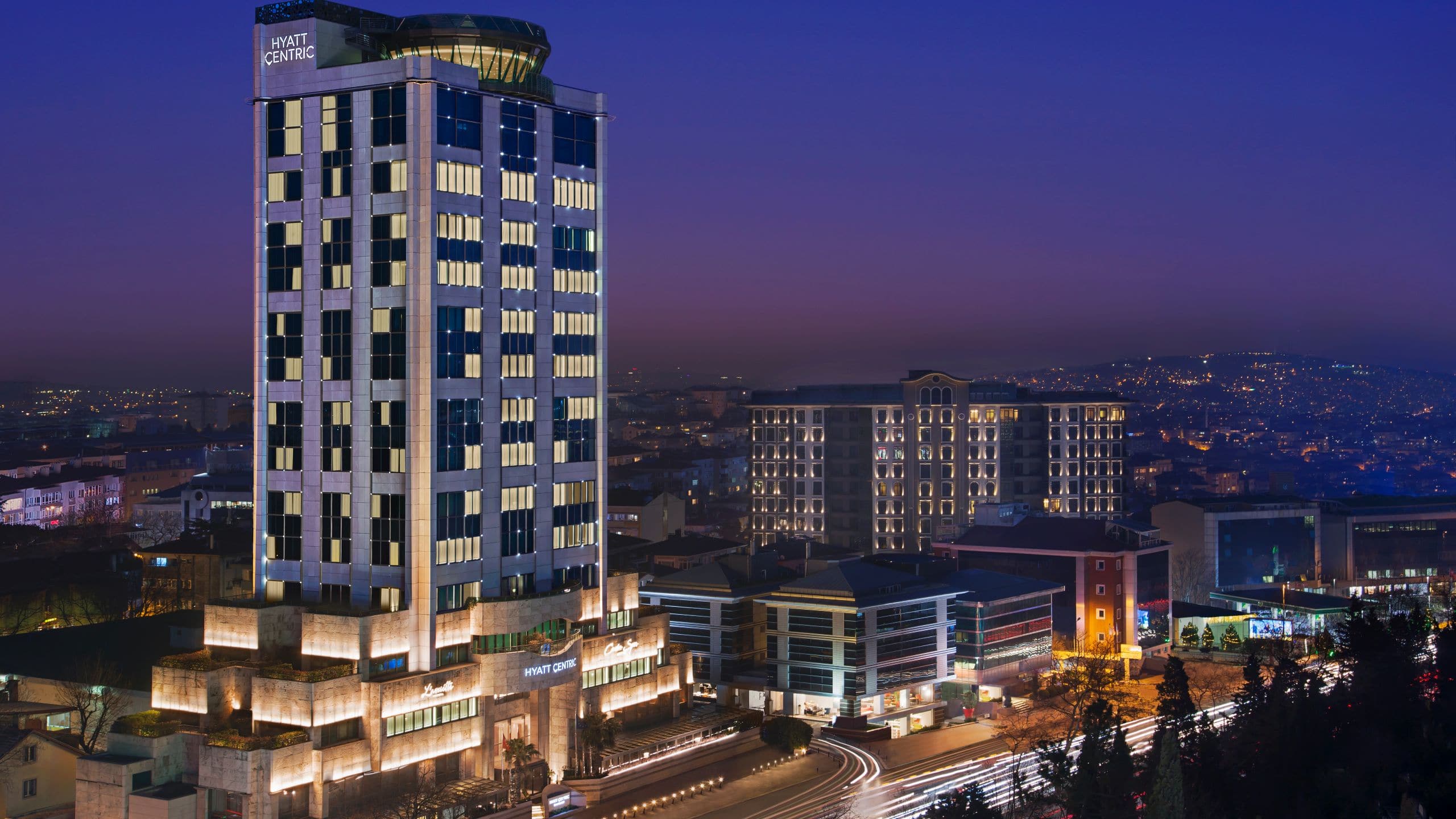
Where to Stay in Istanbul
9 recommended properties
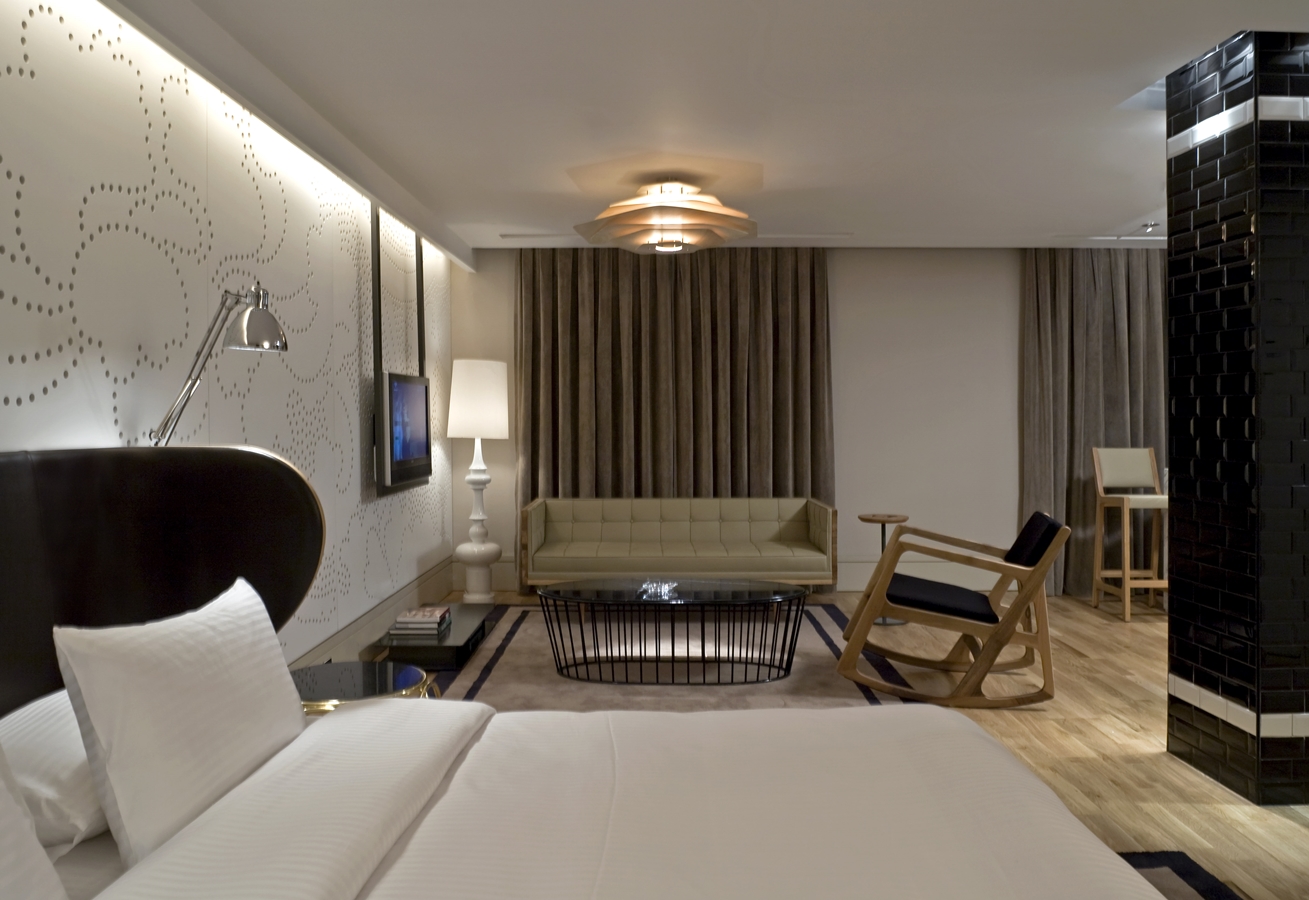
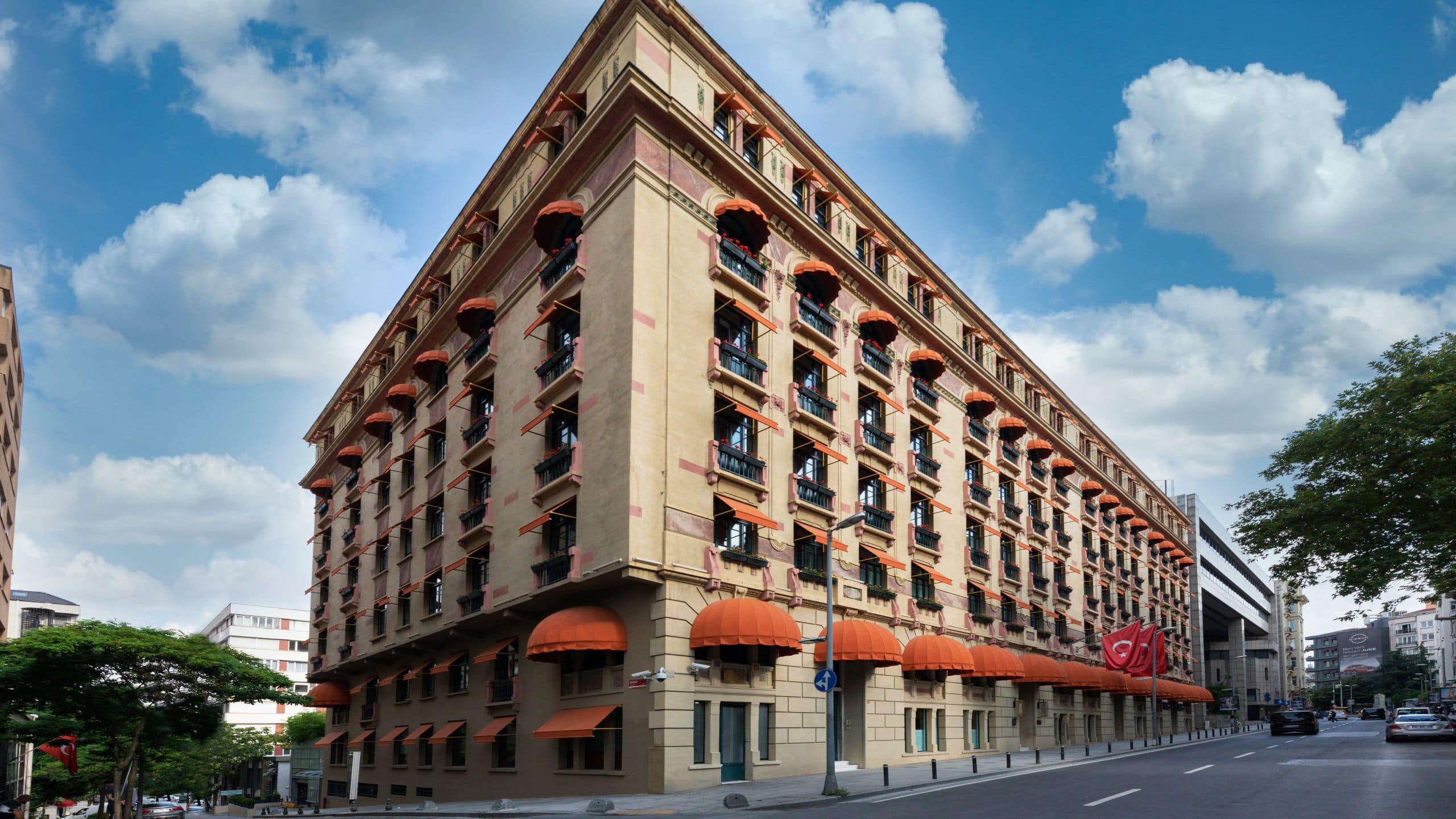
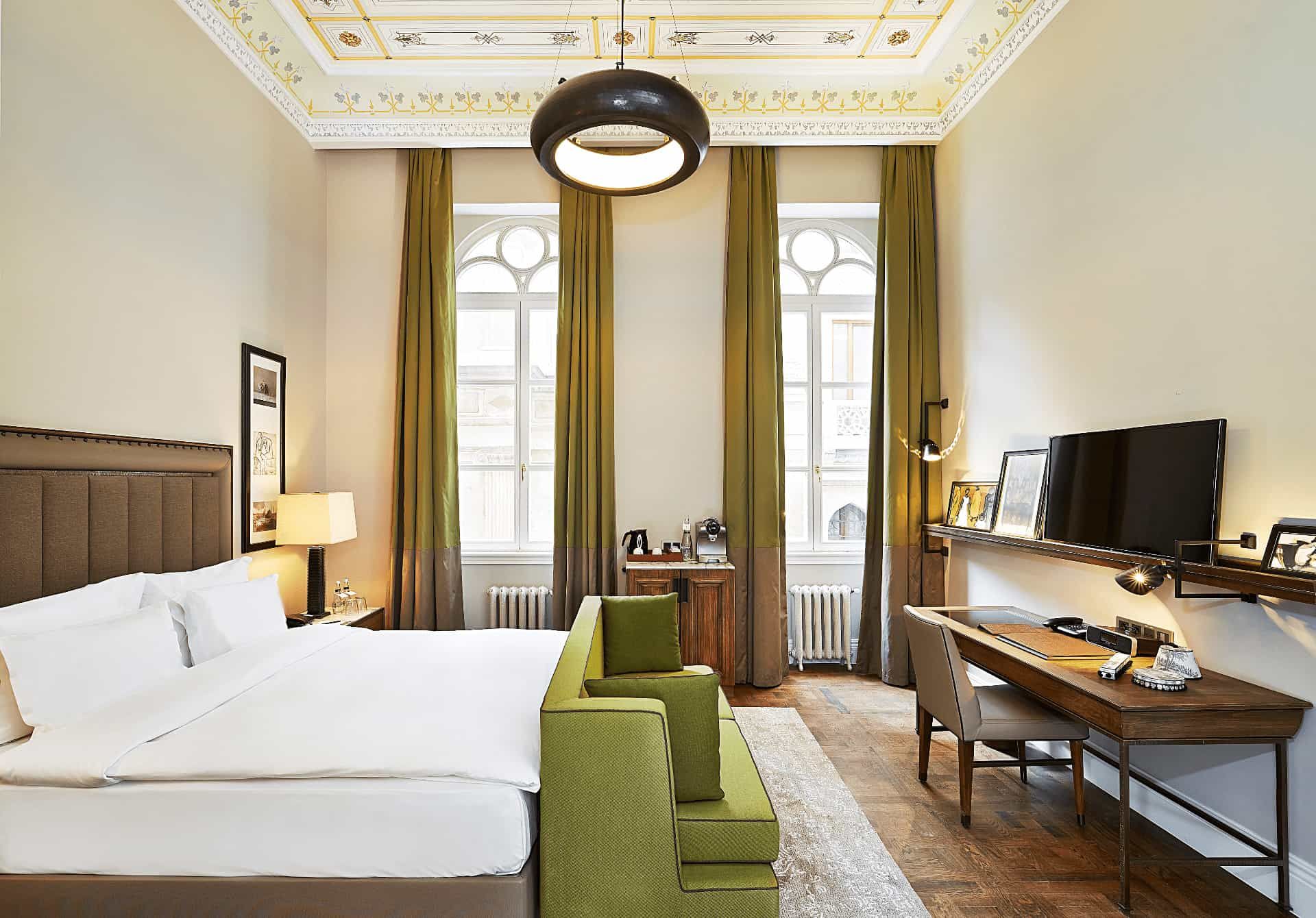
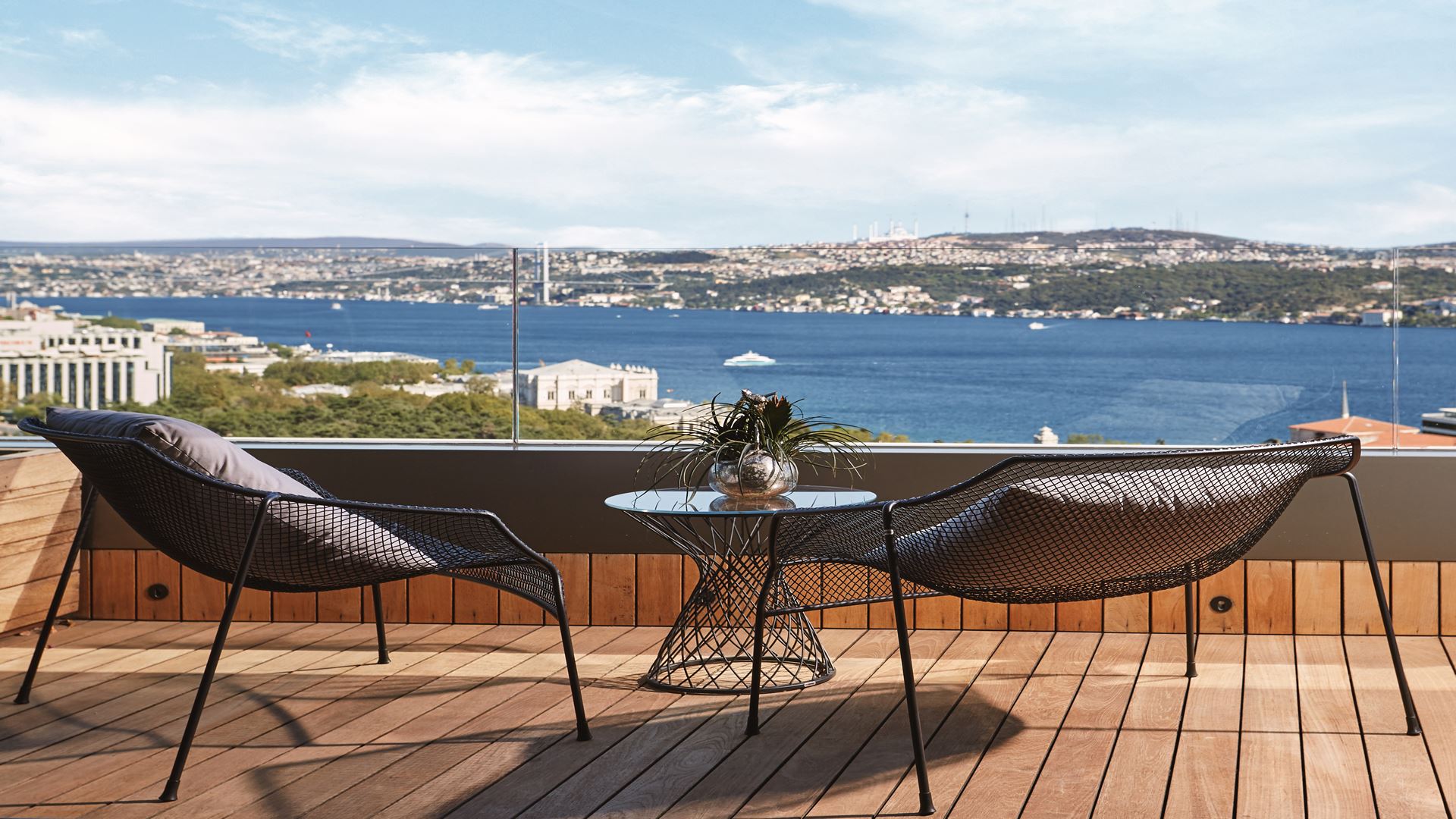
Things to Do in Istanbul
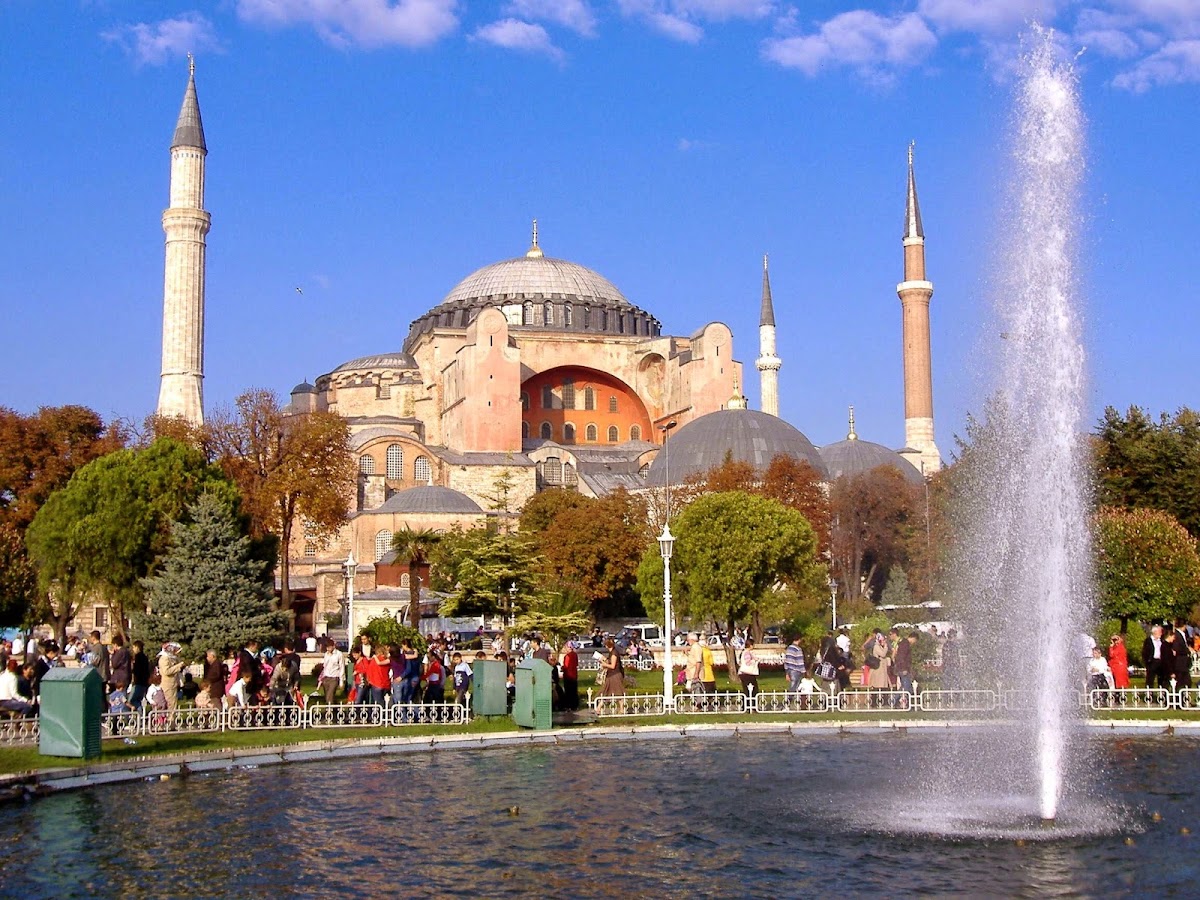
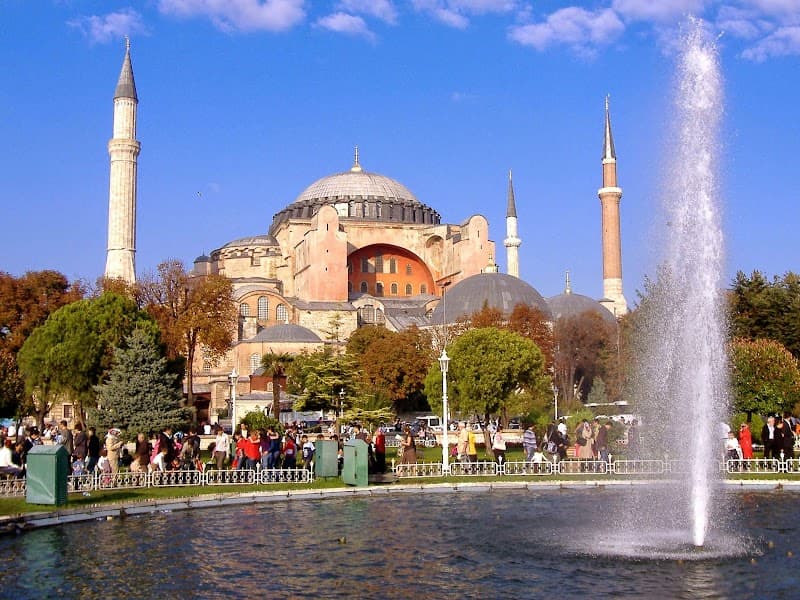
Hagia Sophia
Sultanahmet · 90 min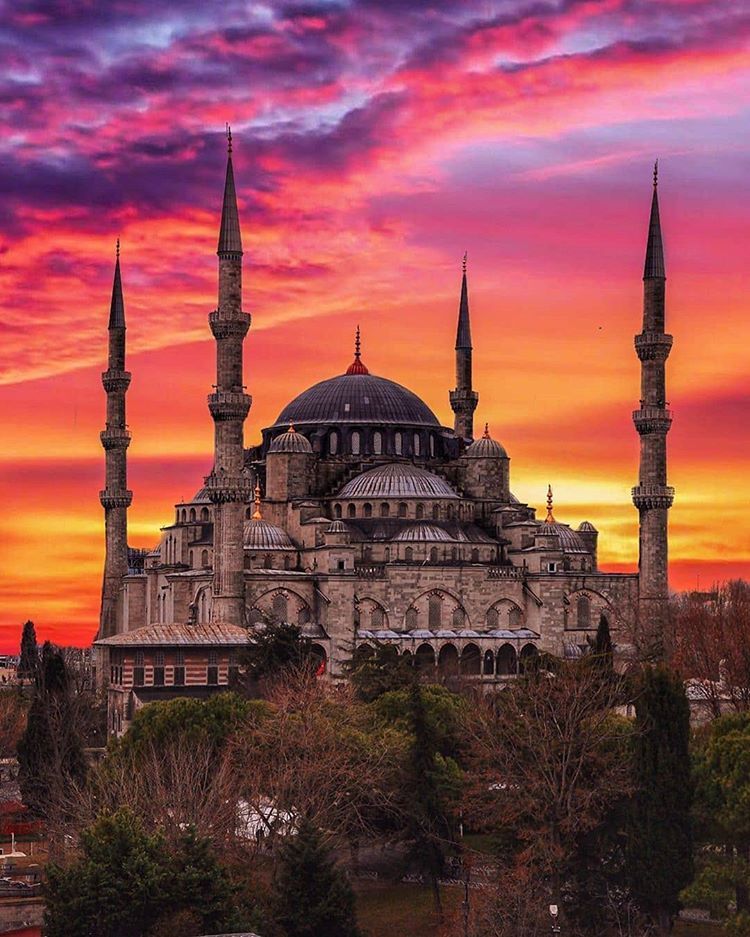
Blue Mosque
Sultanahmet · 60 min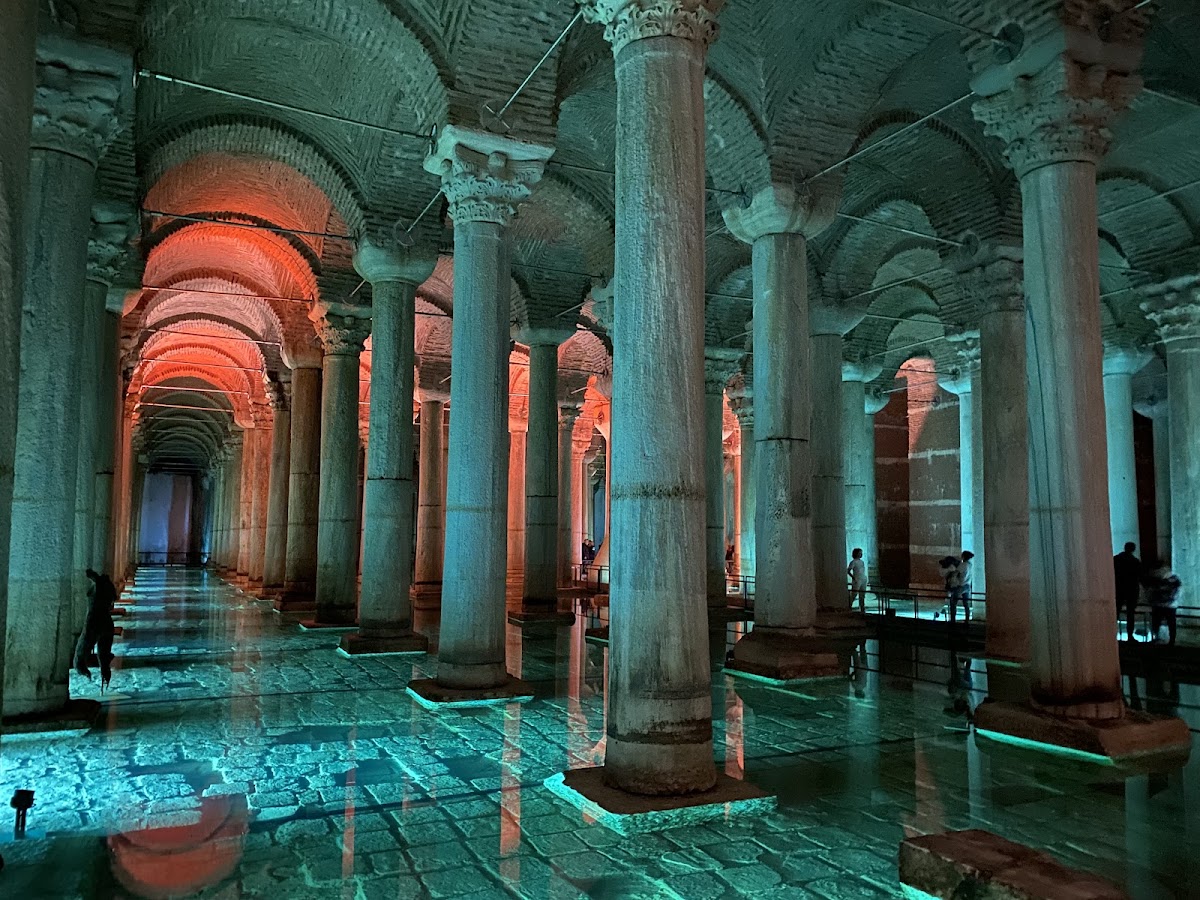
Basilica Cistern
Sultanahmet · 60 minMoney-Saving Tips
- 1.Buy an Istanbulkart at any metro station—it works on all public transport and saves 30% compared to single tickets
- 2.Eat lunch at lokanta restaurants where locals work—full meals cost €3-5 versus €15+ at tourist spots
- 3.Shop at neighborhood markets like Kadıköy Tuesday Market instead of the Grand Bazaar for authentic prices
- 4.Book hotels in Beşiktaş or Asian side neighborhoods—same quality, half the price of Sultanahmet
- 5.Take the public ferry across the Bosphorus (15 lira) instead of tourist boat tours (€20+)
- 6.Visit major museums on Wednesday afternoons—many offer reduced admission for students and seniors
- 7.Drink tea at local çay houses (1 lira per glass) rather than hotel lobbies (€5+)
- 8.Use BiTaksi app for transparent taxi pricing—regular taxis often 'forget' the meter for tourists
Travel Tips
- •Learn basic Turkish greetings—'Merhaba' (hello) and 'Teşekkür ederim' (thank you) open doors everywhere
- •Carry cash—many small restaurants and shops don't accept cards, especially in traditional neighborhoods
- •Dress modestly when visiting mosques—bring a scarf for head covering and wear long pants
- •Download offline maps—GPS struggles in the narrow streets of Sultanahmet and Grand Bazaar area
- •Book restaurant reservations for dinner—Istanbul locals eat late and popular spots fill quickly after 8 PM
- •Keep your passport handy—some museums and historical sites require ID for ticket purchases
- •Try the Turkish breakfast at least once—it's a 2-hour social experience, not a quick meal
- •Take ferries instead of bridges during rush hour—traffic can add 2 hours to a 30-minute journey