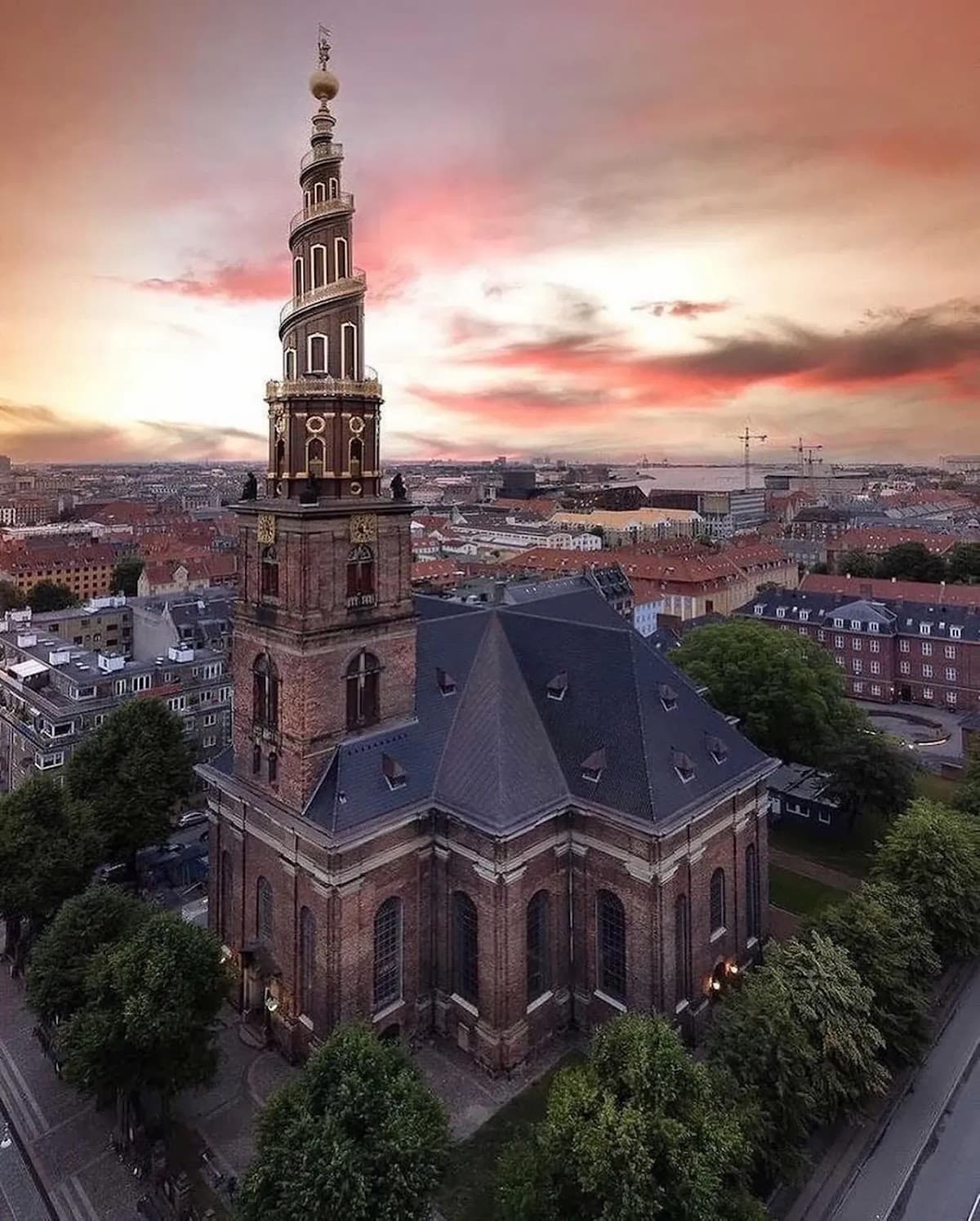
Copenhagen
Scandinavia's hygge capital of design and sustainability
Copenhagen isn't just another European capital. This is where New Nordic cuisine was born, where cyclists outnumber cars, and where the concept of hygge makes even a rainy Tuesday feel magical. The city balances cutting-edge design with cozy traditions, Michelin stars with street food markets, and royal palaces with harbor swimming spots. Sure, it's expensive – but the quality of life here shows you exactly where your kroner go.
Best Months
MAY – SEP
~19°C · peak crowds
Culture & Context
HYGGE & BIKES
Copenhagen is a city that genuinely lives by its reputation. The cycling culture isn't a talking point — it's a functional reality, with 49% of commuters actually biking to work daily. The concept of hygge isn't just a word printed on tea towels; it shows up in how bars set their lighting, how cafes arrange their furniture, and why Copenhageners take their lunch breaks so seriously even in January.
Danes are often described as reserved and they are, especially compared to southern European cultures. They don't make small talk in lines or on public transit. But they're not cold — they're private until there's a reason not to be. Attempting even a single Danish word usually breaks the ice faster than any opener in English.
The food scene is real and genuinely excellent across price points, not just at Noma-level restaurants. The smørrebrød tradition (open-faced rye bread with toppings) is worth understanding before you arrive — it's a serious craft, not a sandwich. Similarly, the Danish pastry you'll find at Nørrebro's best bakeries is nothing like the chain-bakery version available elsewhere in the world.
Denmark was ranked first on the 2026 Women, Peace and Security Index — a meaningful data point beyond just a ranking. The social equality shows up in practical ways: solo women moving around the city at any hour face minimal issues, gender-inclusive spaces are normal rather than notable, and the general social contract is one of mutual respect.
One honest downside: winter is genuinely hard. Days are short (sunset before 4pm in December), the wind off the harbor is cutting, and the grey can stretch for weeks. Danes have built an entire cultural philosophy (hygge) partly as a coping mechanism. The city doesn't shut down in winter — it retreats indoors and gets cozy. Tivoli's Christmas market and the Winter Jazz Festival exist for exactly this reason.
Local Customs
STAY OFF BIKE LANES
Copenhagen is almost entirely cashless. Cards and mobile payments work everywhere — even at street food stalls. Carrying coins for anything other than the 5 DKK public toilet fee is optional.
Don't be the person fumbling with paper money at a bakery counter.. Cycling is not just a transport option — it's a social contract. As a pedestrian, never walk in the bike lanes.
They run alongside sidewalks and cyclists do not slow down. Look both ways before stepping off a curb in any direction.. Tipping is not expected and is not part of Danish culture.
Rounding up at a restaurant or leaving a few coins is appreciated for genuinely exceptional service, but it's never assumed or built into the social expectation the way it is in the US.. Most major museums and tourist attractions close on Mondays. Christiansborg, Rosenborg, and many other key sites follow this pattern.
Plan accordingly and don't discover this by showing up Monday morning.. In Christiania, the no-photography rule in the Pusher Street area is completely serious. It's posted at the entrance.
Tourists have been assaulted after ignoring it. This is not a quirky guideline — follow it.. Punctuality matters a lot to Danes.
If you're meeting someone — for a tour, a reservation, anything with a set time — be there on time. Showing up 10 minutes late without messaging ahead reads as disrespectful.. Danes are reserved by default.
They won't start conversations with you on public transit or in lines. That's not rudeness — it's just the culture. But if you make the first move (especially by attempting a Danish word or two), the warmth comes out fast..
The Danes' relationship to nature and water is serious. Harbor swimming is a year-round activity for many locals, not just a summer novelty. Don't be surprised to see people jumping into the canal at Kalvebod Bølge in January.
Safety
WATCH BELONGINGS
Copenhagen consistently ranks among the world's safest cities. Denmark places 8th globally for safety, and the city's low violent crime rate means most visitors come and go without any security incident at all. Streets are well-lit and active late into the night, which makes it genuinely comfortable for solo travelers, including solo women.
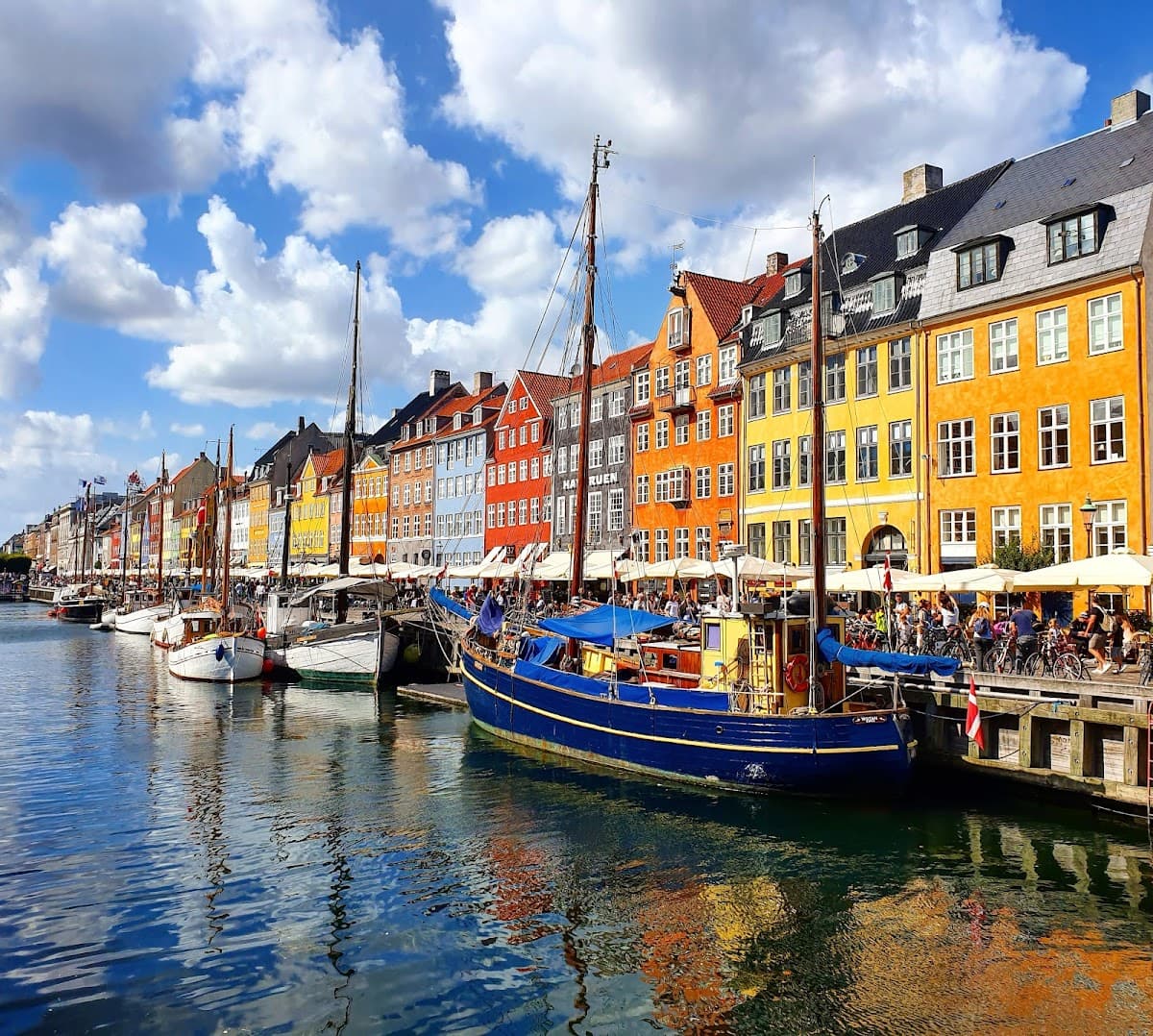
That said, petty theft does happen. The main risk areas are Strøget shopping street, Central Station, and Nyhavn — crowded tourist zones where pickpockets (often working in pairs) operate in summer. Keep bags zipped, don't hang them on chair backs in cafes, and leave your passport at the hotel.
A few specific things to know:
Christiania: The open cannabis trade on Pusher Street has been a source of gang tension in recent years. On April 6, 2024, residents symbolically dug up the cobblestones to mark the end of the open drug market. The area is calmer than it was, but still: no photography anywhere in Christiania's Pusher Street zone. Signs are posted at the entrance. The rule is non-negotiable.
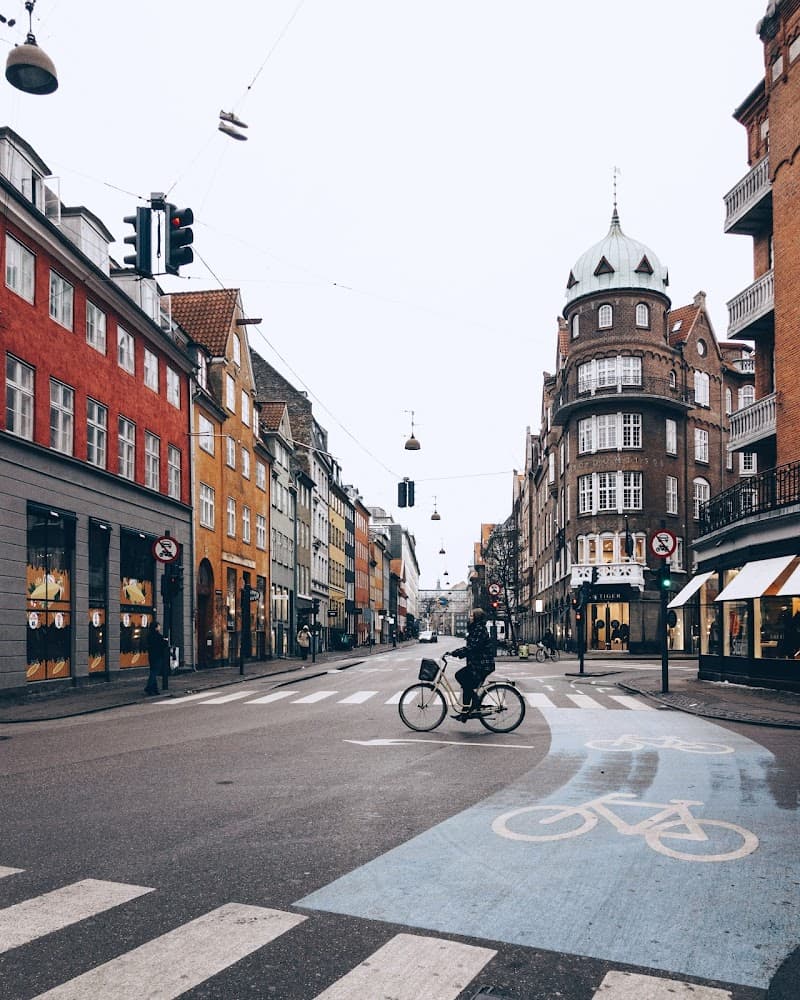
Bike lanes: Arguably the most immediate safety concern for pedestrians. Don't walk in them, and look left-then-right before stepping off any curb near a cycle path.
Fake police: A rare but documented scam. Tourists have been approached by people posing as police officers and asked to pay on-the-spot fines or hand over belongings for inspection. If someone claiming to be a police officer approaches you, ask to see legitimate ID. Real emergency number: 112. Non-emergency police: 114.
Getting Around
METRO & BIKES
Copenhagen's metro runs 24/7 on four lines (M1–M4), with trains arriving every 1.5–2 minutes during rush hour and every 3–6 minutes off-peak. The airport sits 13 minutes from the city center on the M2 — skip the taxi entirely. A single ticket covering zones 1–2 (central Copenhagen) costs 24 DKK and is valid for 75 minutes across unlimited transfers between metro, bus, S-train, and harbour bus. All on one ticket, one system.
The official ticket app as of 2026 is Rejsebillet, which replaced the old DOT Billetter app (now closed). Download it before you arrive. The old physical Rejsekort travel card is being phased out in 2026 — for new visitors, the app is the straightforward choice.
Important: Uber does not operate in Copenhagen. It withdrew in 2017 after Danish taxi law changes. For cabs, use the TAXA 4×35 or Viggo apps, or flag a licensed taxi at a rank. Unmarked vehicles should be avoided.
Cycling is how a huge portion of the population actually gets around. Copenhagen has 454 kilometers of dedicated, separated bike lanes. The city is almost completely flat. Renting via Donkey Republic (app-based) runs around 150–200 DKK per day for an e-bike. Bring a good lock — bike theft is one of the most common crimes in the city.
Bikes ride free on S-trains but need a separate bike ticket on the metro (about 12 DKK). No bikes on the metro on weekdays between 7:00–9:00am and 3:30–5:30pm. Getting to Malmö, Sweden takes about 20 minutes from Copenhagen Central Station on the Øresund train — worth a day trip.
Useful Phrases
Explore Neighborhoods
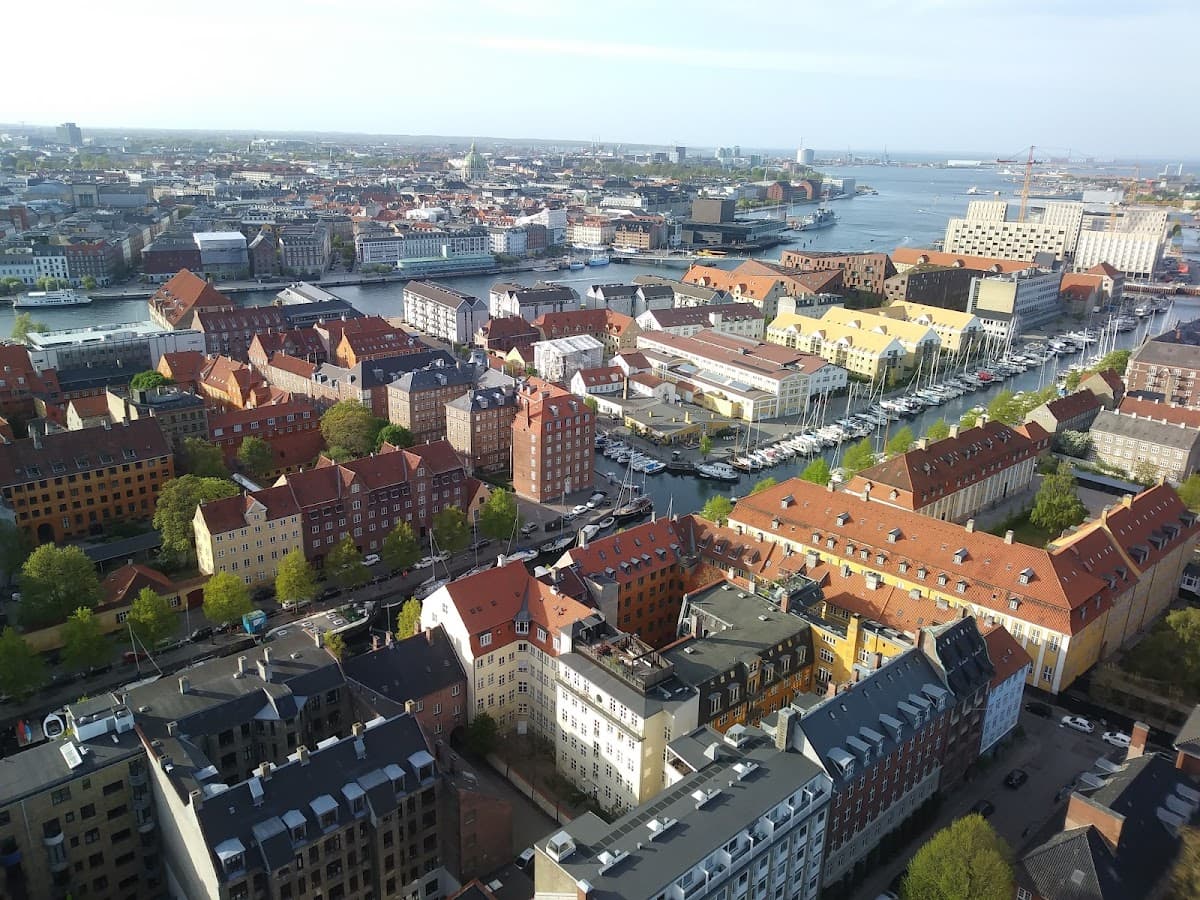
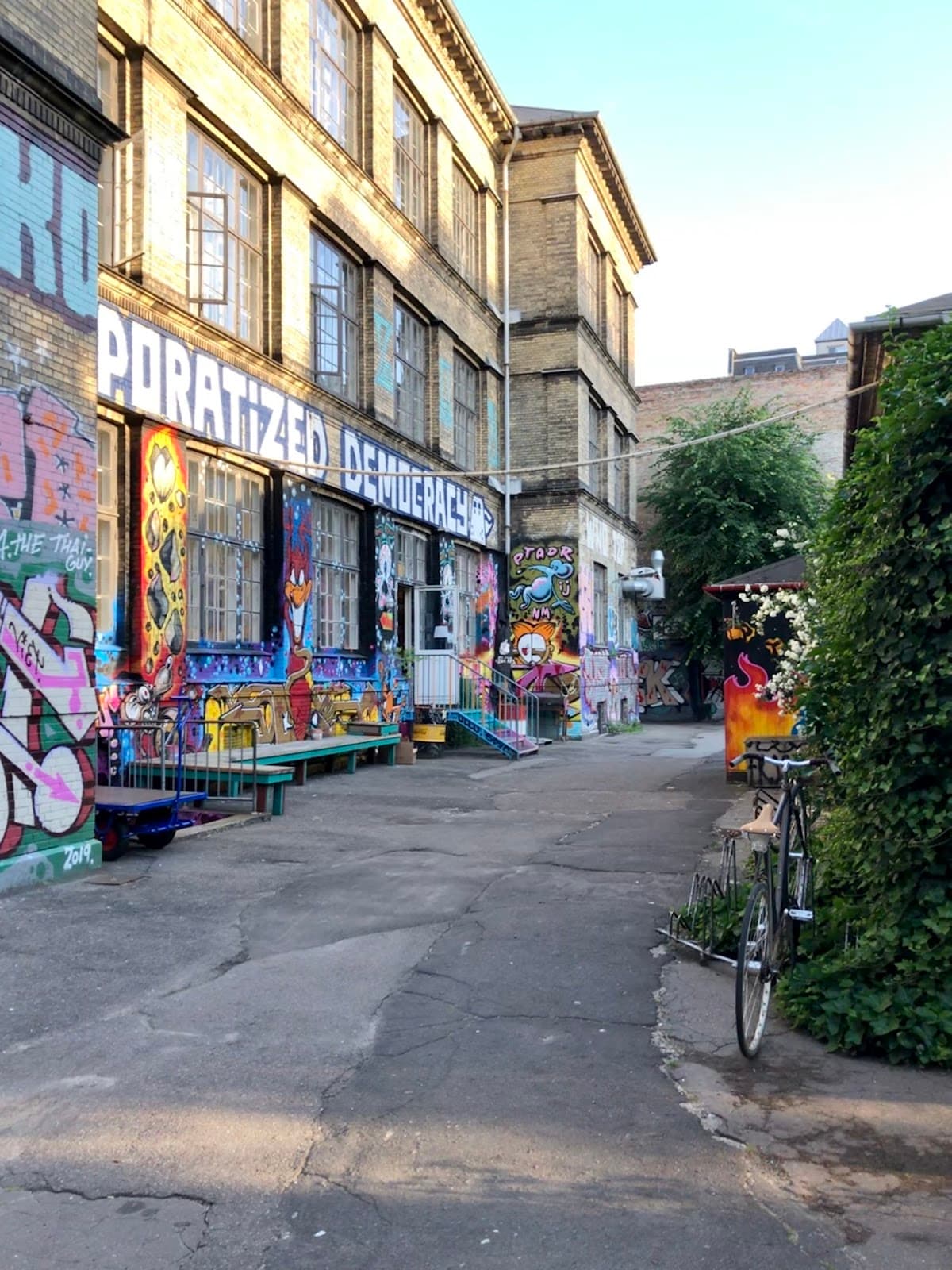
Explore the Region
Copenhagen Itineraries
View all
Copenhagen: Seven Days of Hygge, Design, and Great Food
Week · $$
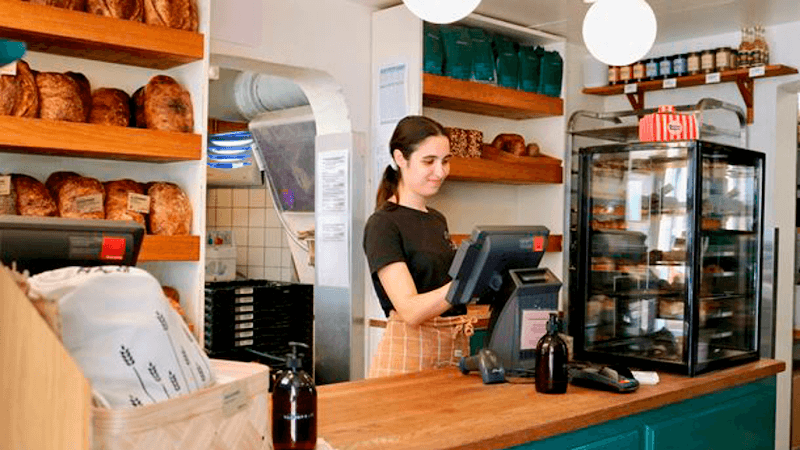
Classic Copenhagen: Culture, Canals, and Smart Budgeting
Weekend · $$
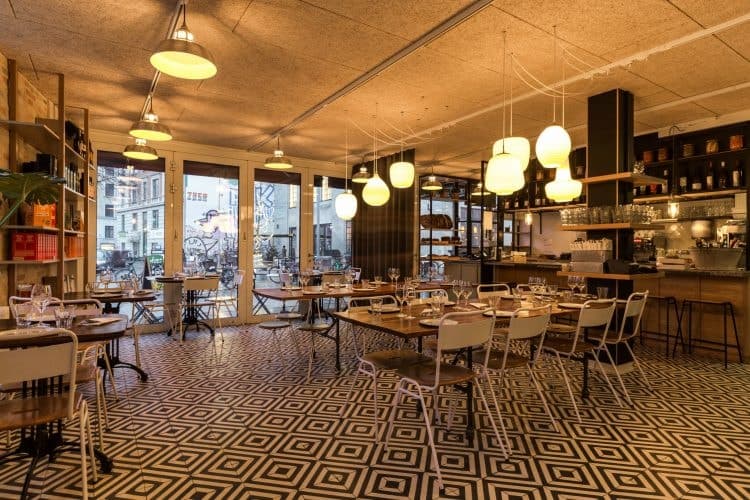
Classic Copenhagen in a Day: Palaces, Art & Hygge
Weekend · $$
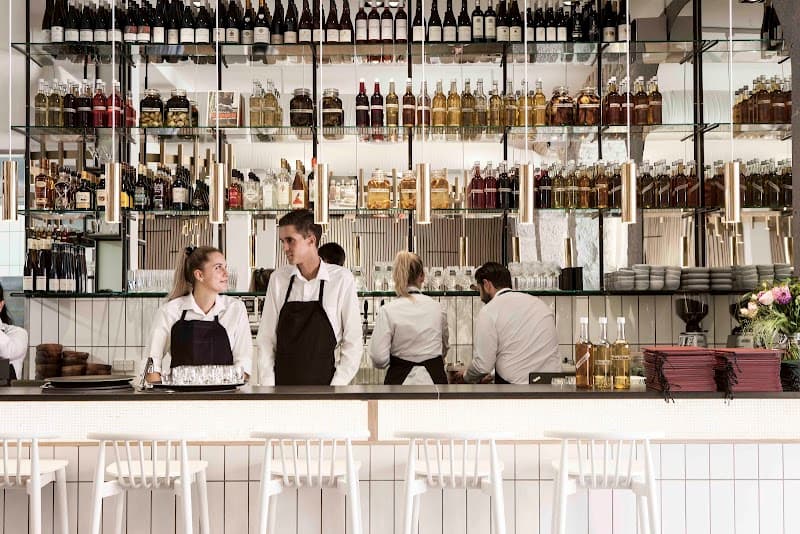
Copenhagen by Canal, Market, and Nightfall
Weekend · $$$
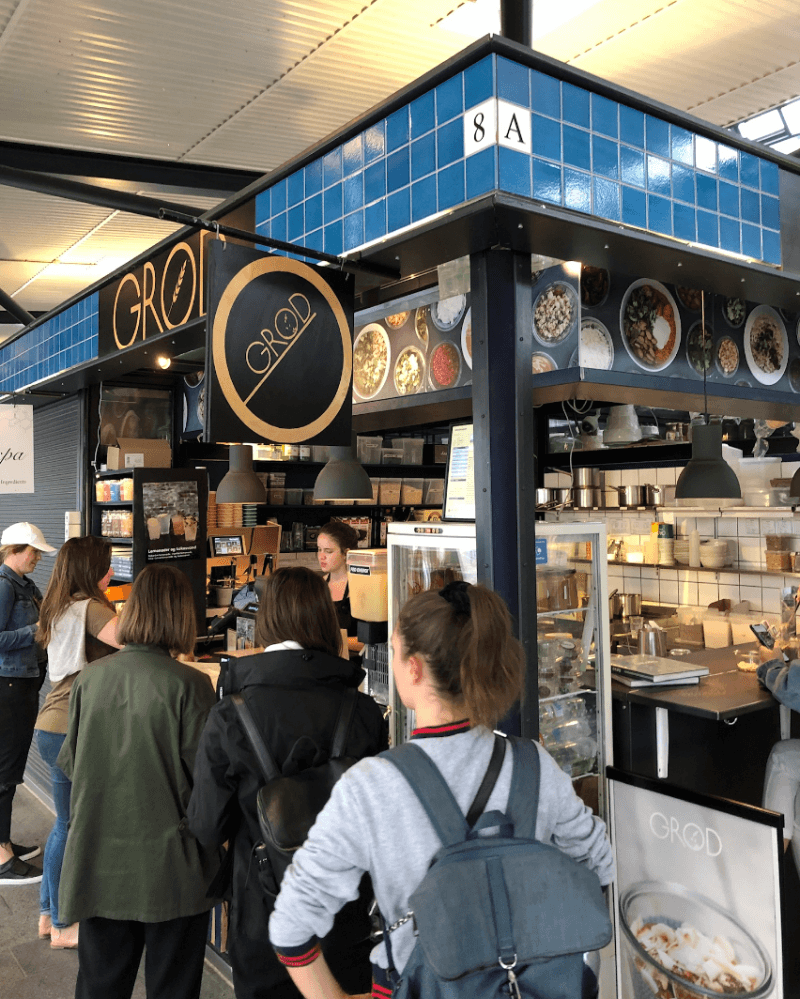
Slow Food & Wine Day in Central Copenhagen
Weekend · $$
Elegant Copenhagen: Architecture, Canals & Classic Nordic Flavors
Weekend · $$$
Where to Stay in Copenhagen
9 recommended properties
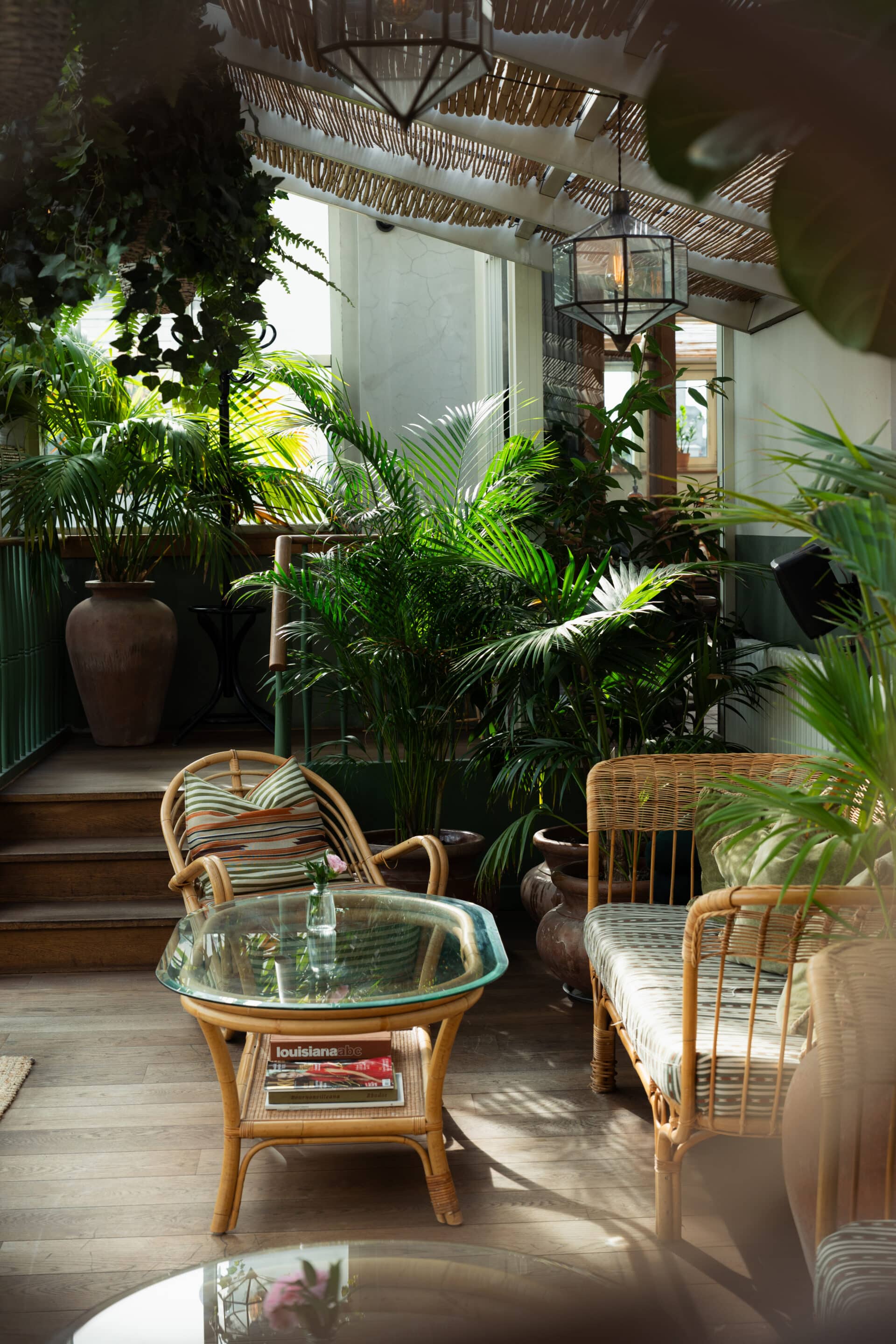

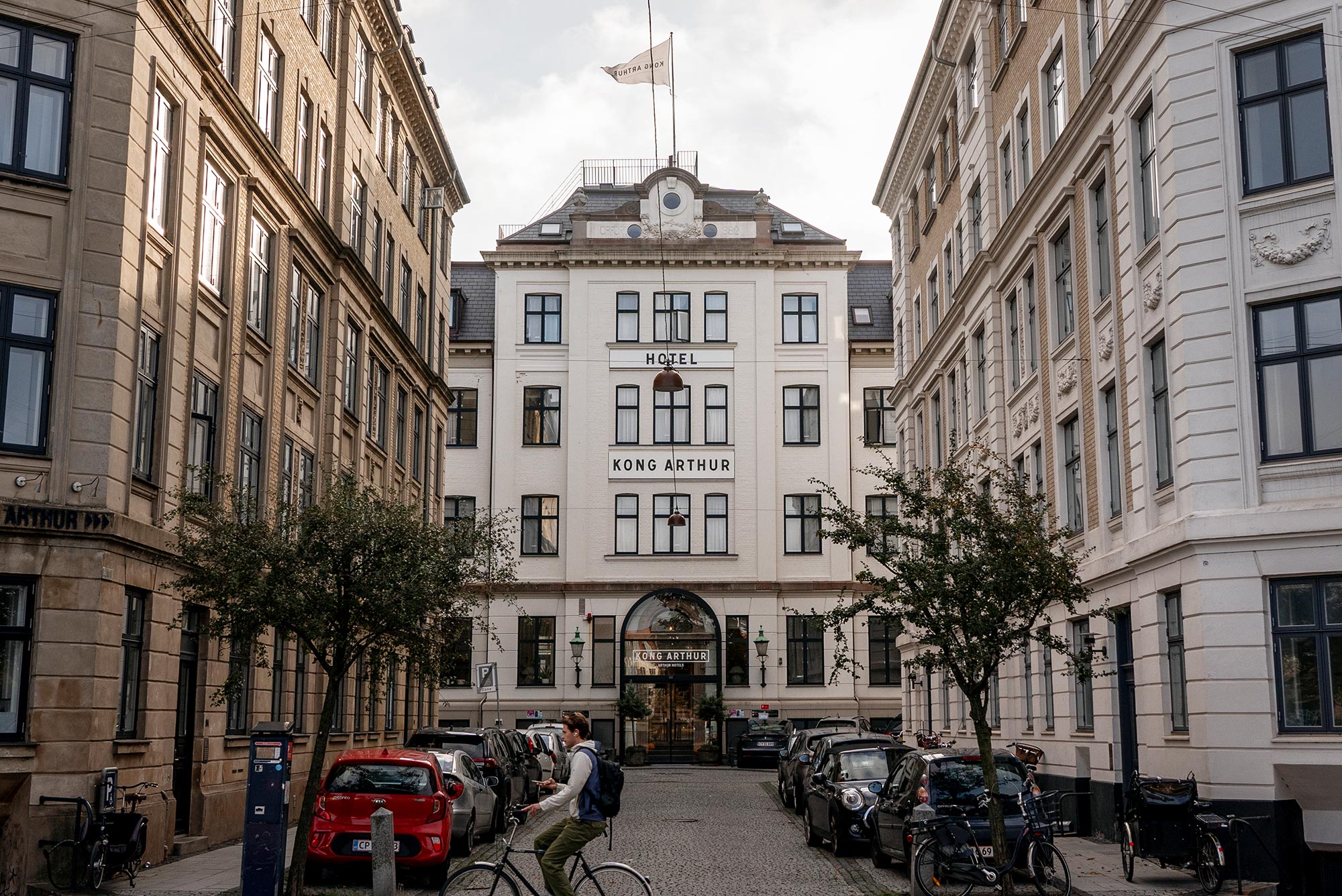
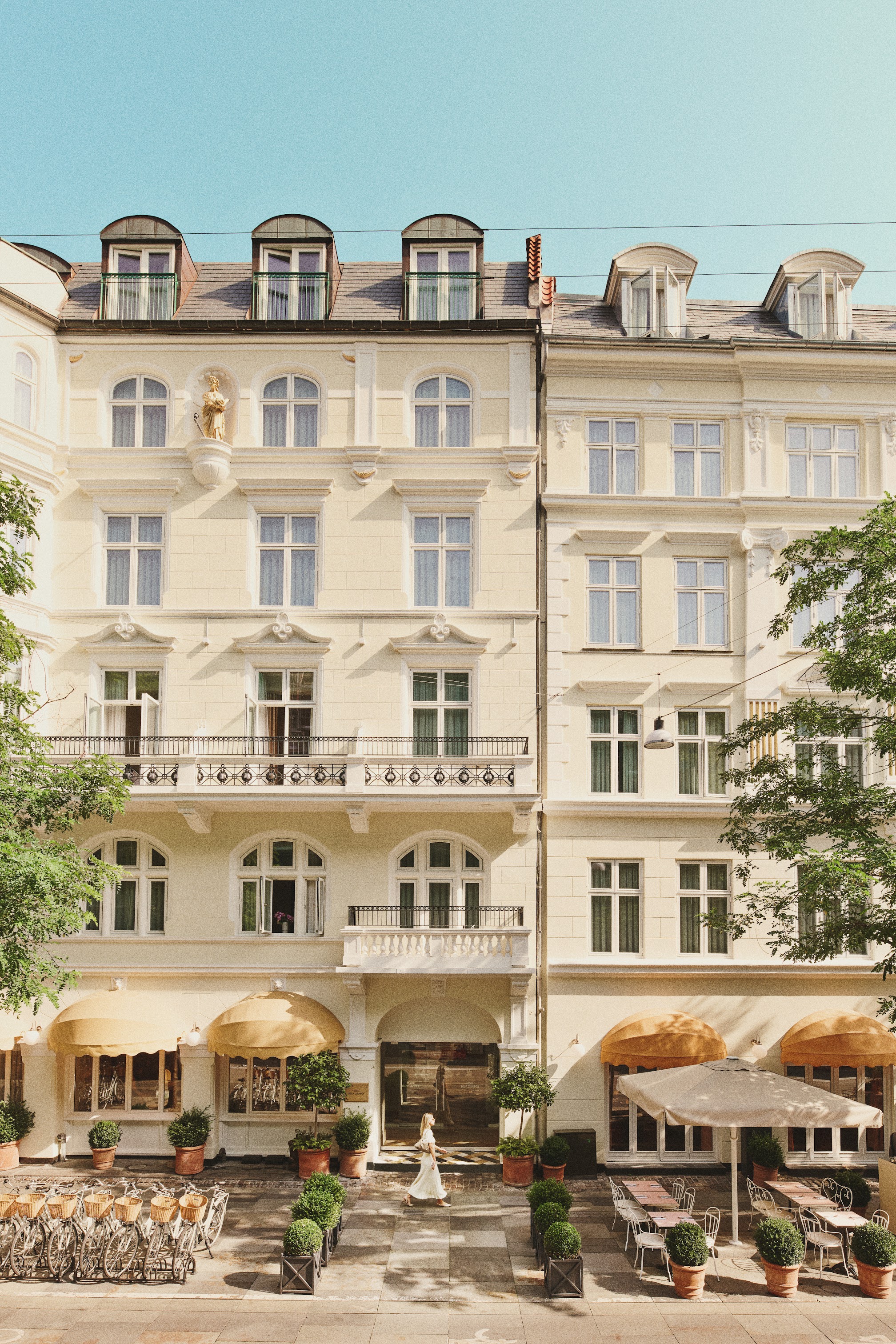
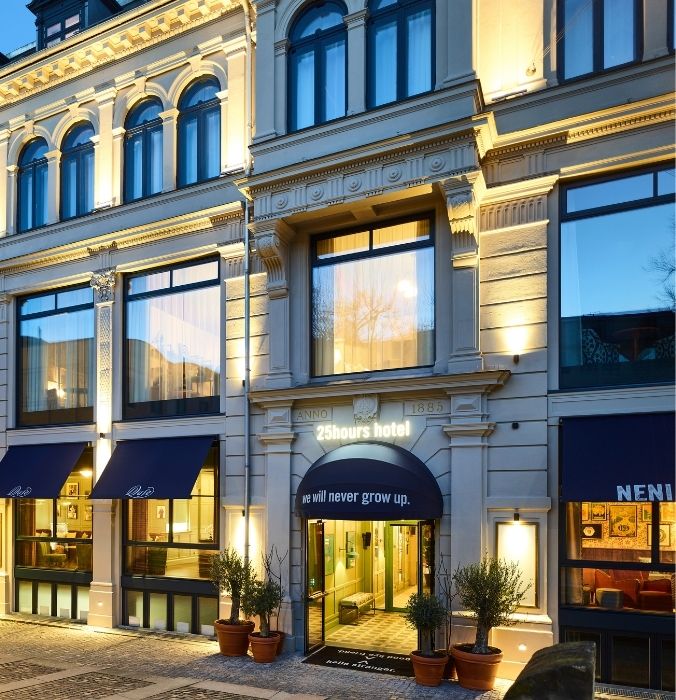
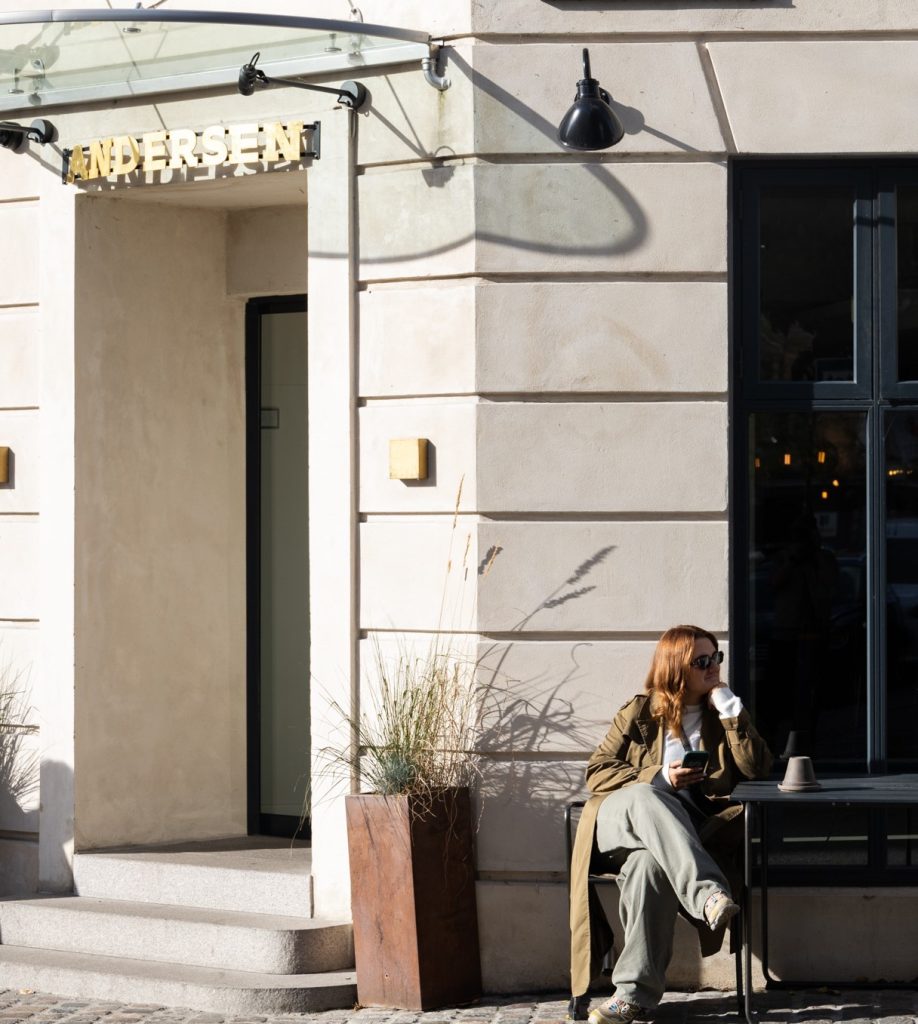
Things to Do in Copenhagen
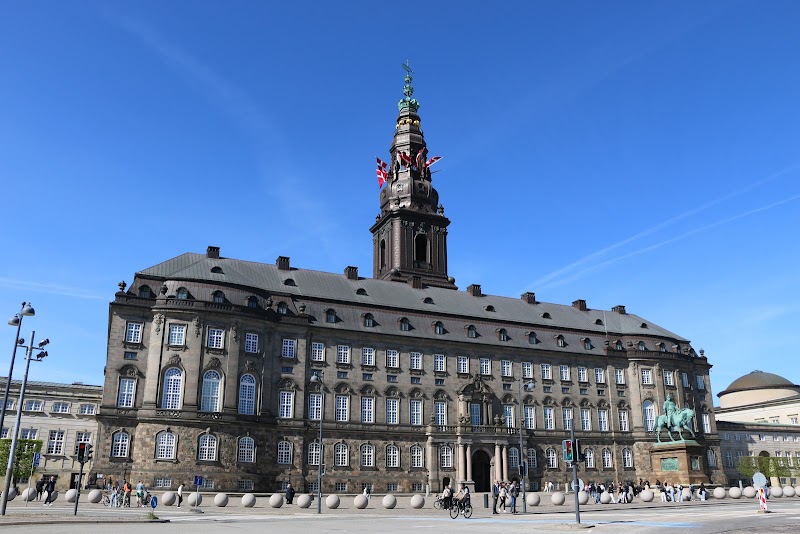
Christiansborg Palace
Indre By · 90 min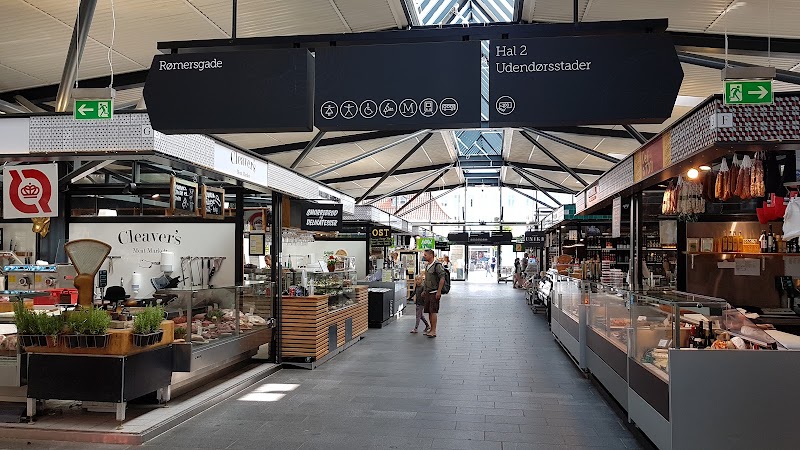
Torvehallerne
Indre By · 90 min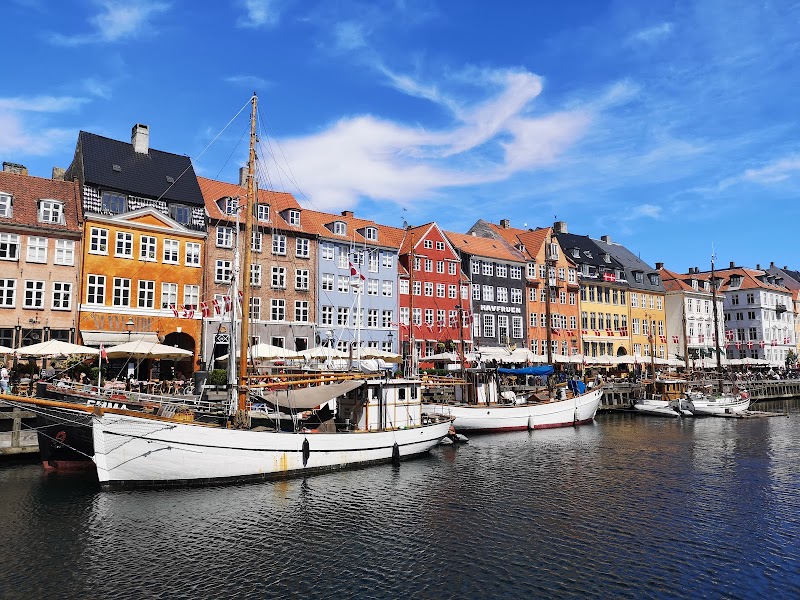
Nyhavn to Christianshavn Walk
Nyhavn / Christianshavn · 120 minMoney-Saving Tips
- 1.Buy groceries at Netto or Lidl instead of tourist-area supermarkets – you'll save 30-40% on basics
- 2.Happy hour runs 4-6 PM at most bars, with beer prices dropping from 65 DKK to around 35 DKK
- 3.The Copenhagen Card (559 DKK/day) pays for itself if you visit 3+ museums and use public transport
- 4.Lunch menus at Michelin restaurants cost half the dinner price – try Kadeau or Alchemist's lunch service
- 5.Free walking tours run daily from City Hall – tip your guide 50-100 DKK instead of paying fixed tour prices
- 6.Picnic supplies from Torvehallerne market cost less than restaurant meals and taste just as good
- 7.Museum entry is free on Wednesday evenings at several major museums including the National Gallery
- 8.Rent bikes from local shops (150 DKK/day) rather than hotel concierge services (300+ DKK/day)
Travel Tips
- •Download the DOT Tickets app for seamless public transport – no need for physical tickets
- •Restaurants close kitchens early (usually 9 PM) – book dinner reservations for 7 PM or earlier
- •Bring a reusable water bottle – Copenhagen tap water tastes better than most bottled water
- •Learn basic bike etiquette: ring your bell, signal turns, and stay in the bike lanes
- •Cash is rarely needed – even street food vendors accept cards, but carry some DKK for tips
- •Pack layers year-round – weather changes quickly, and the harbor wind is always stronger than expected
- •Book popular restaurants 2-4 weeks ahead, especially for weekend dinners
- •The 'Danish directness' isn't rudeness – locals appreciate straightforward communication
- •Swimming in the harbor is safe and popular at Islands Brygge and Sluseholmen – bring a towel
- •Sunday shopping is limited – most stores close except in tourist areas like Strøget