Malaysia
Where Southeast Asian cultures blend in tropical harmony
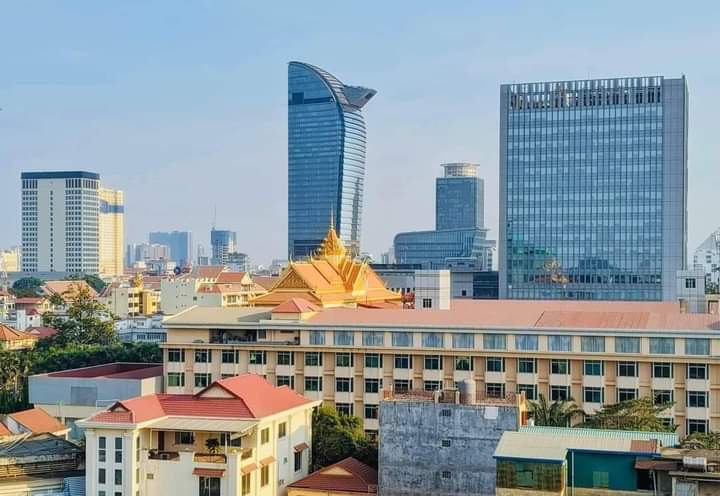
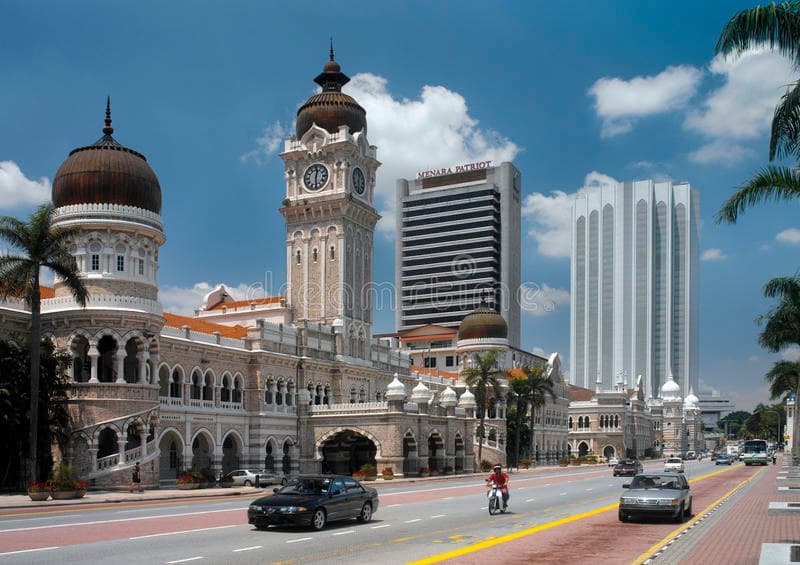
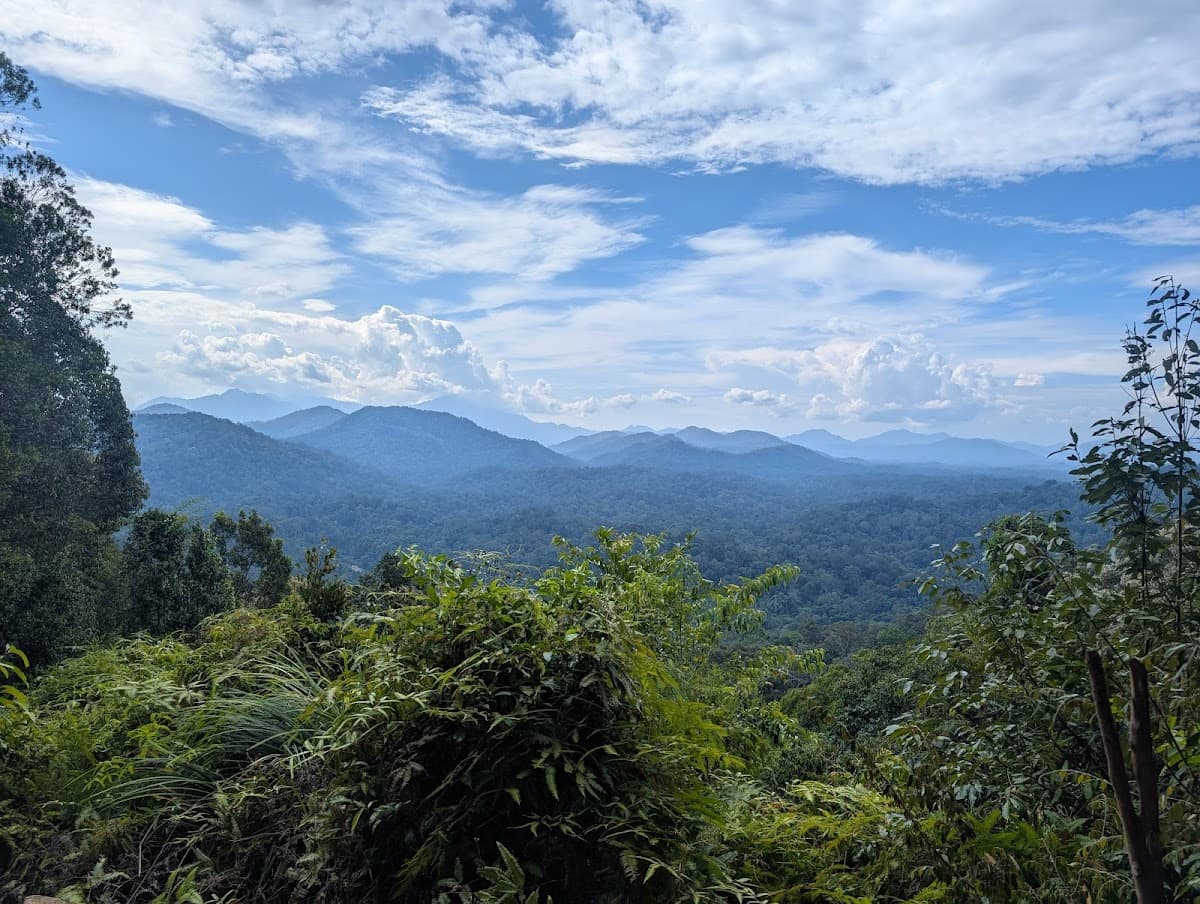
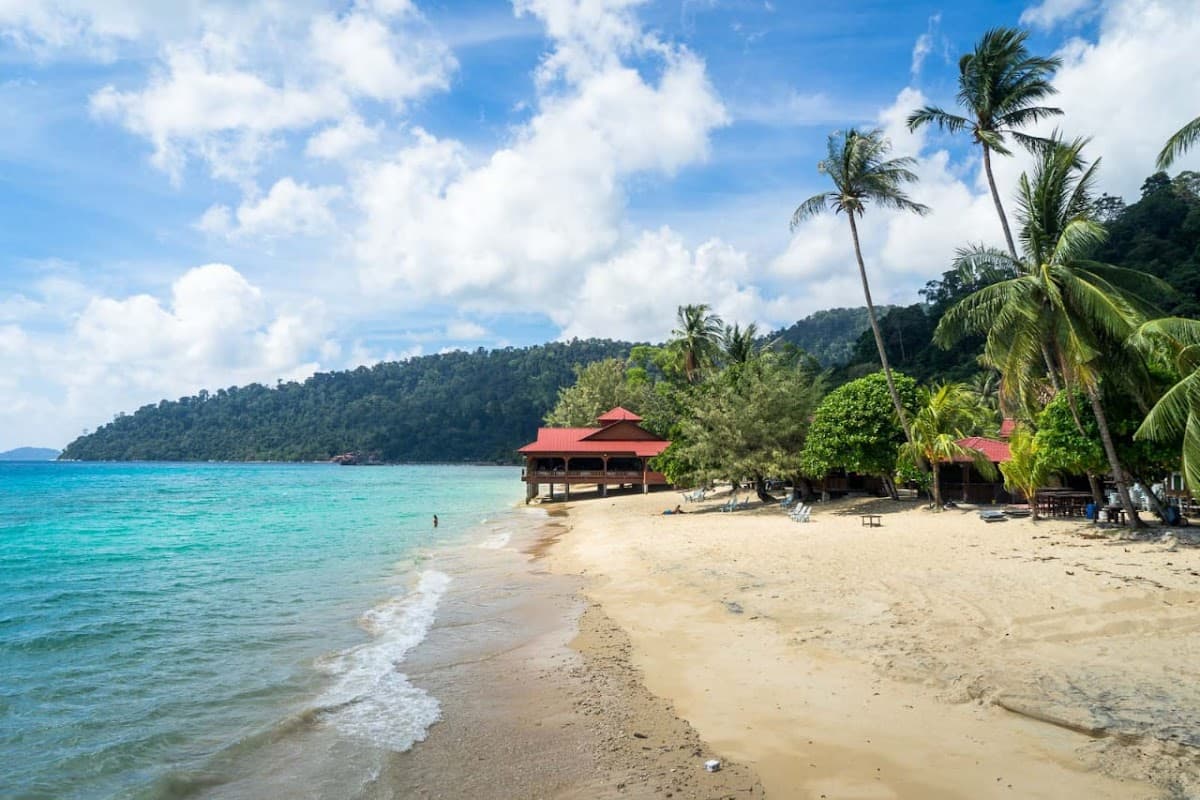
Malaysia hits different. One minute you're slurping laksa at a hawker stall in George Town, the next you're watching orangutans swing through Borneo's rainforest canopy. This is Southeast Asia at its most accessible — where you can eat like royalty for $3, island-hop without breaking the bank, and experience three distinct cultures without crossing a border. The food alone justifies the flight. But Malaysia delivers way more than just incredible eats. You've got Kuala Lumpur's gleaming towers rising above colonial architecture, Penang's UNESCO-listed streets lined with street art, and some of the world's oldest rainforests hiding pitcher plants and proboscis monkeys. Here's what makes Malaysia work: it's genuinely affordable, English is widely spoken, and the infrastructure actually functions. Your biggest problem won't be language barriers or dodgy transport — it'll be deciding between char kway teow and nasi lemak for breakfast.
Explore Destinations




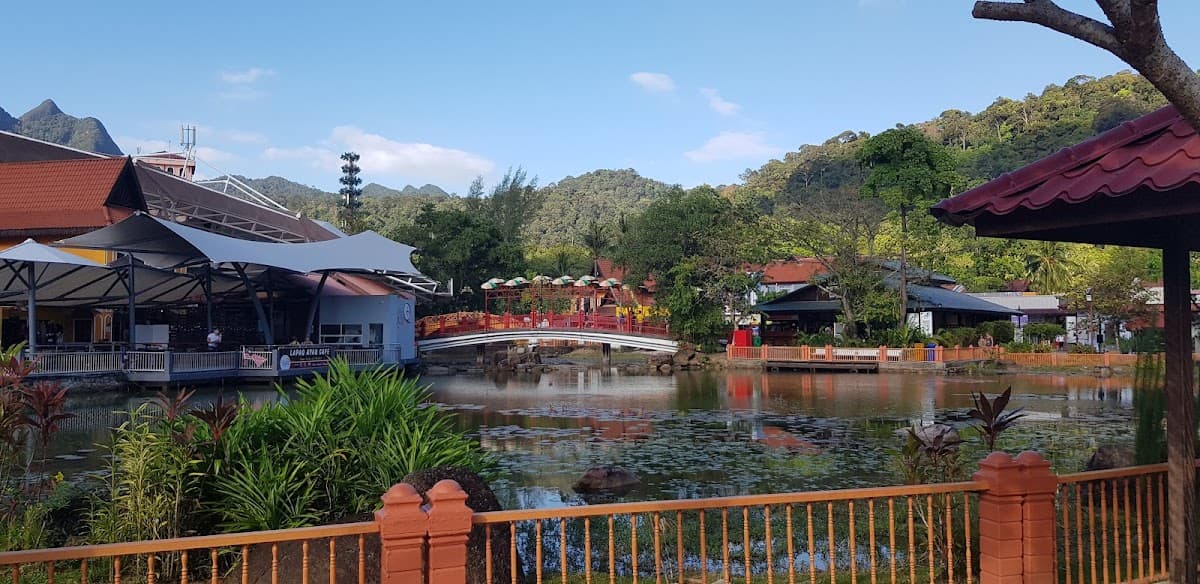
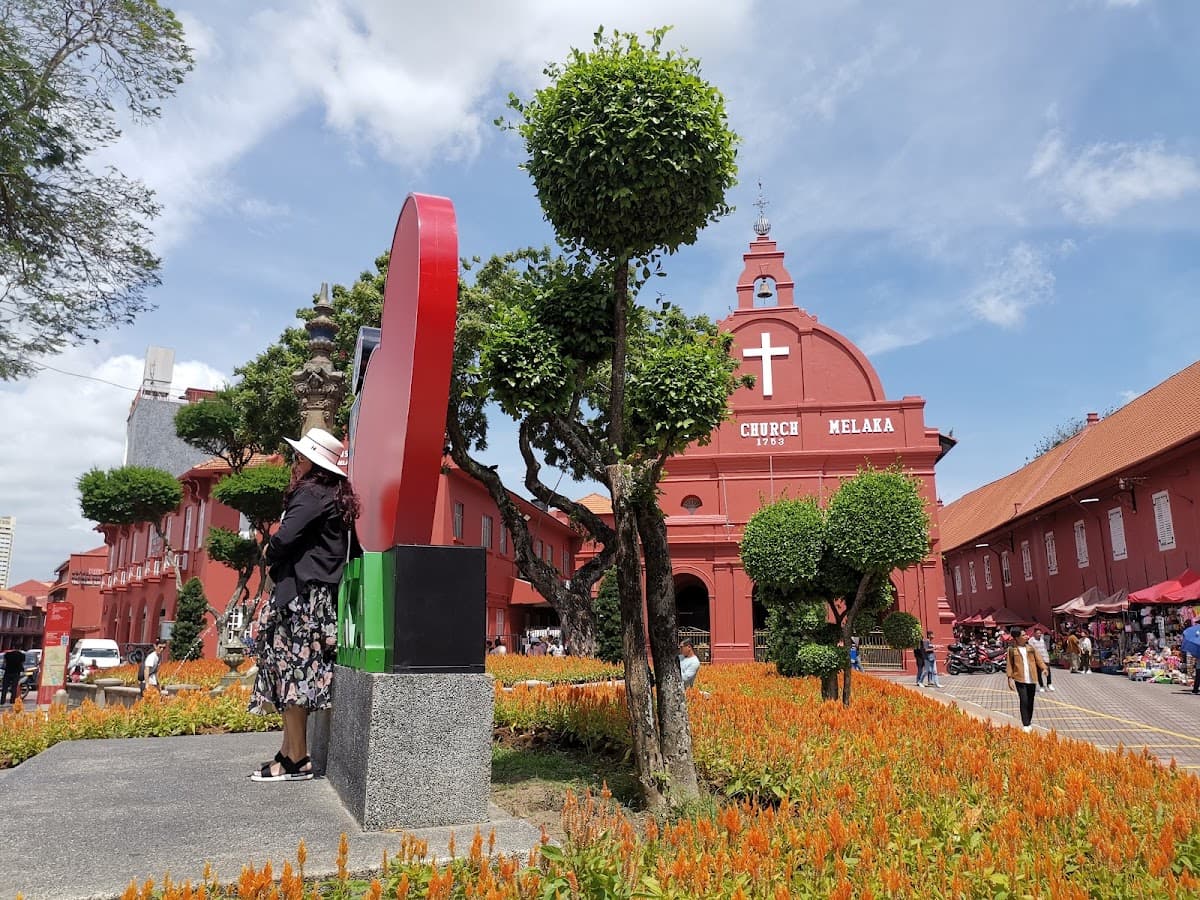

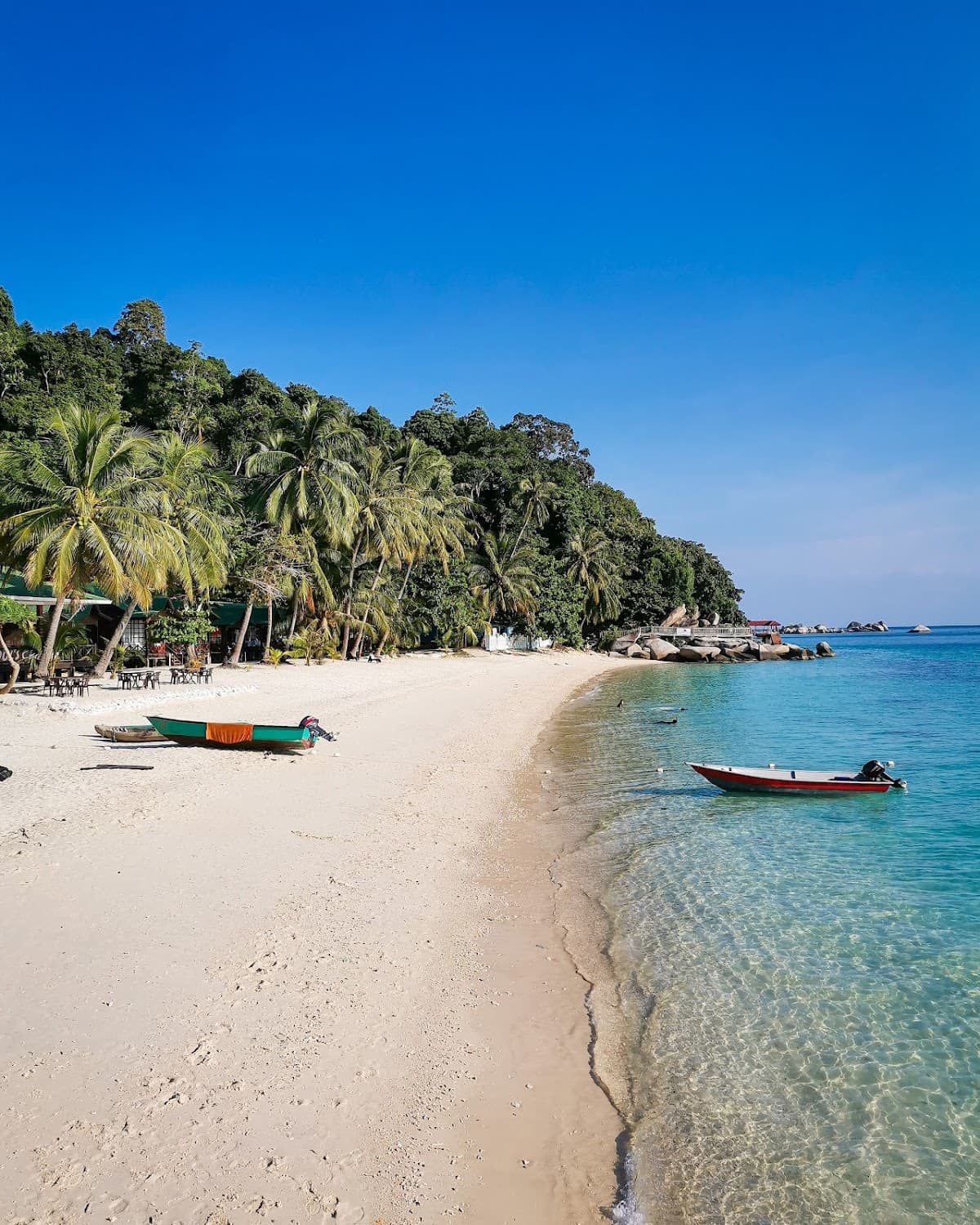
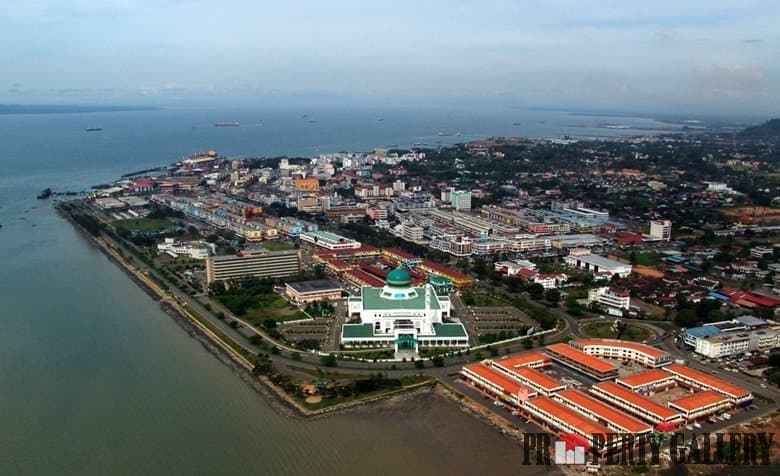
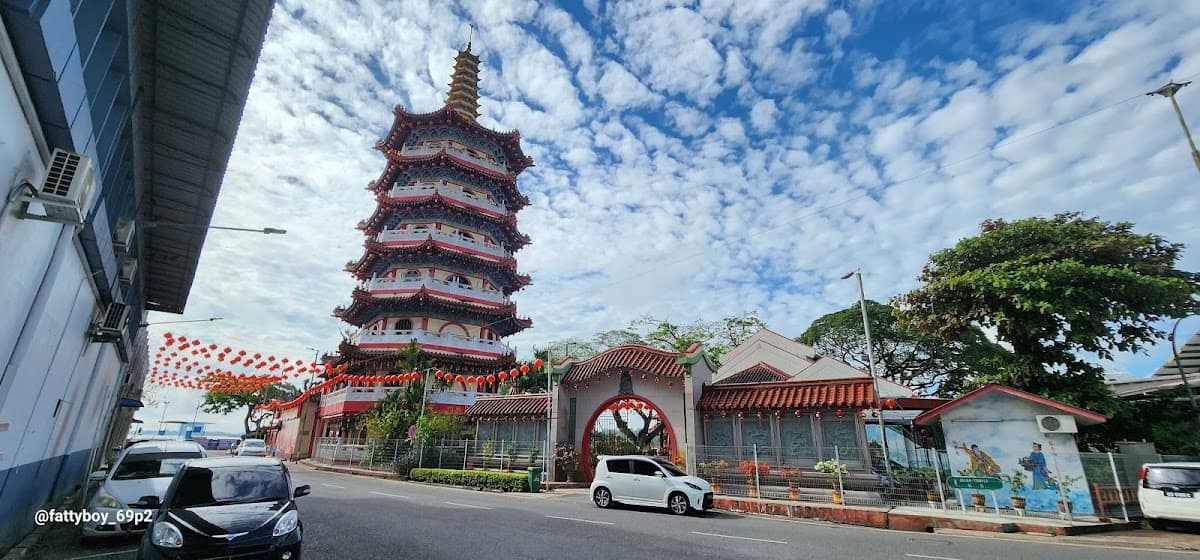
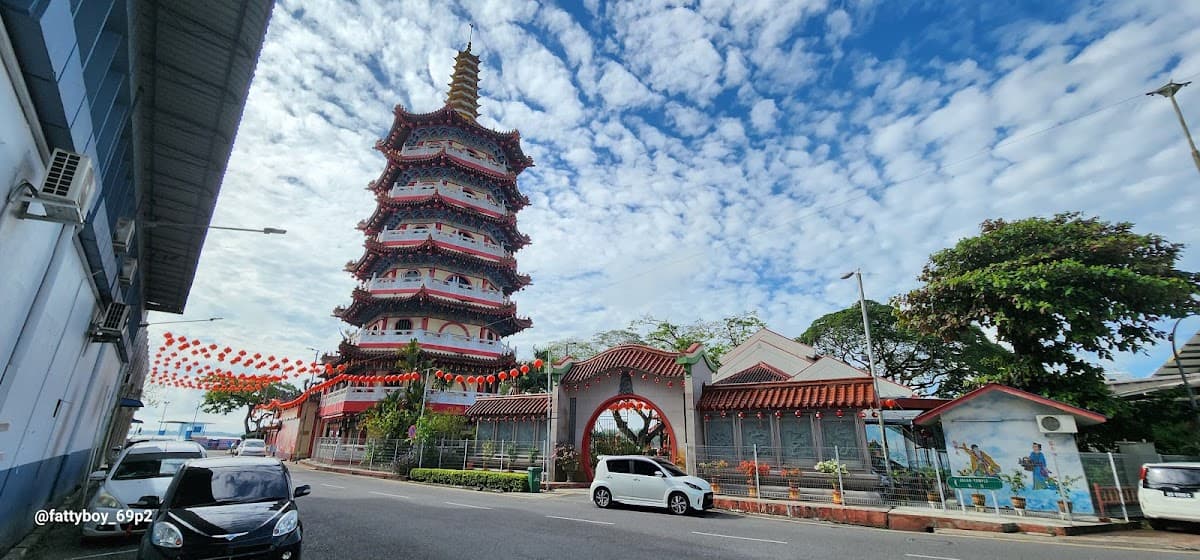
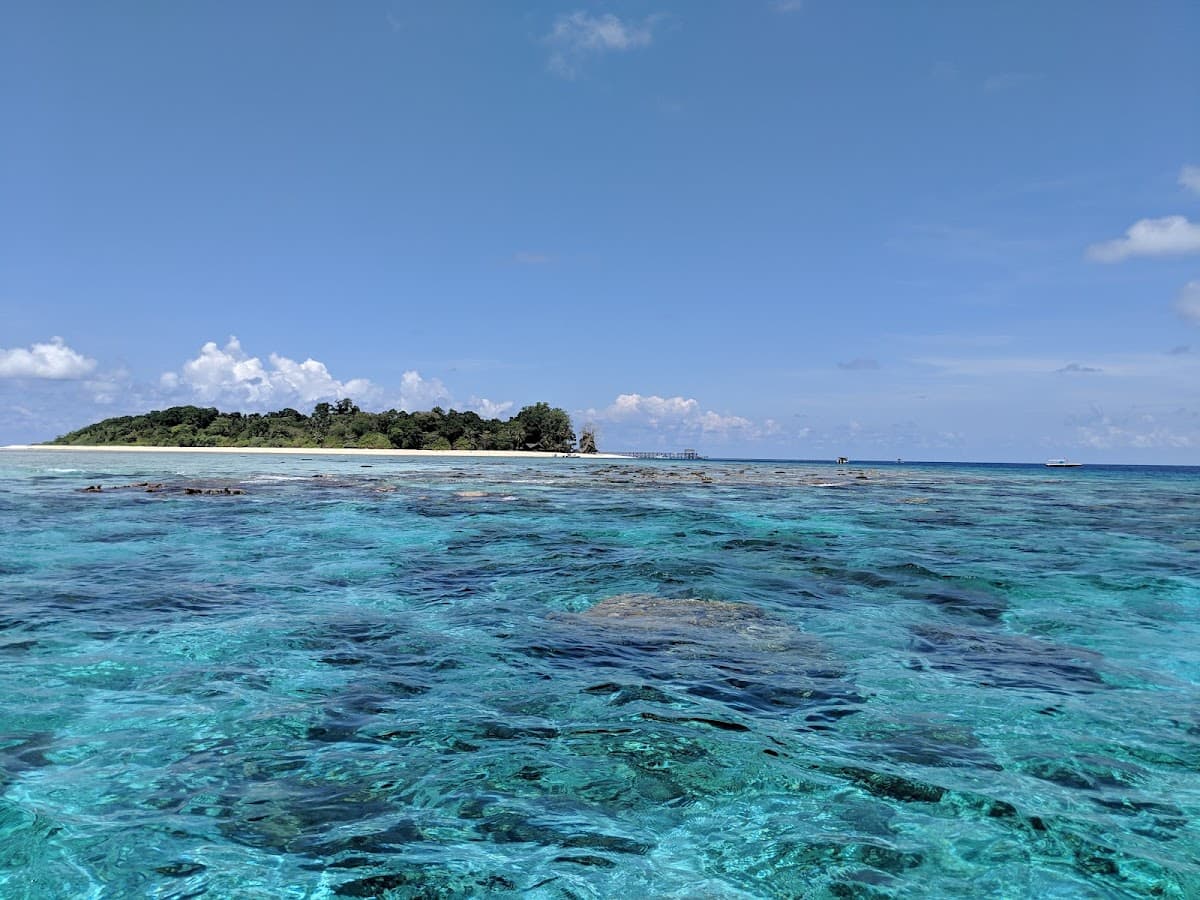
Explore the Region
Malaysia Itineraries
View all
Slow Adventure & Street Flavors in Kuala Lumpur
Weekend · $$
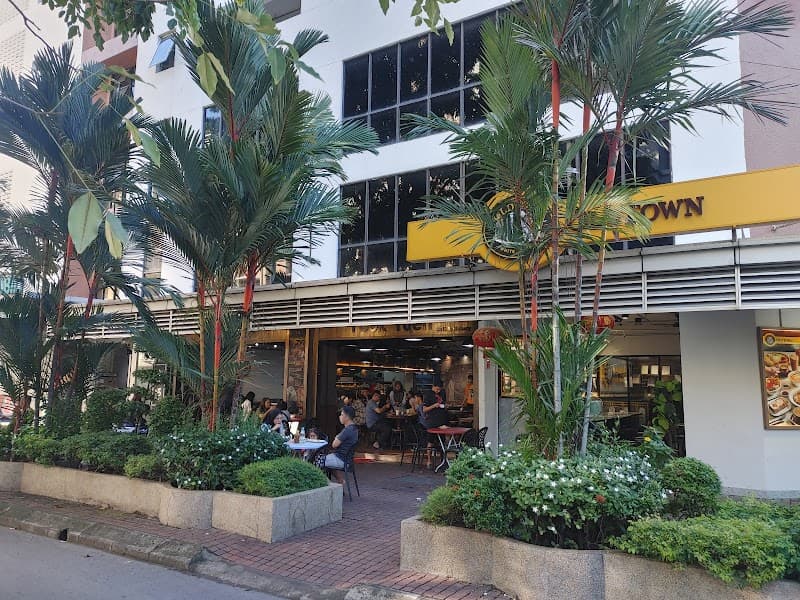
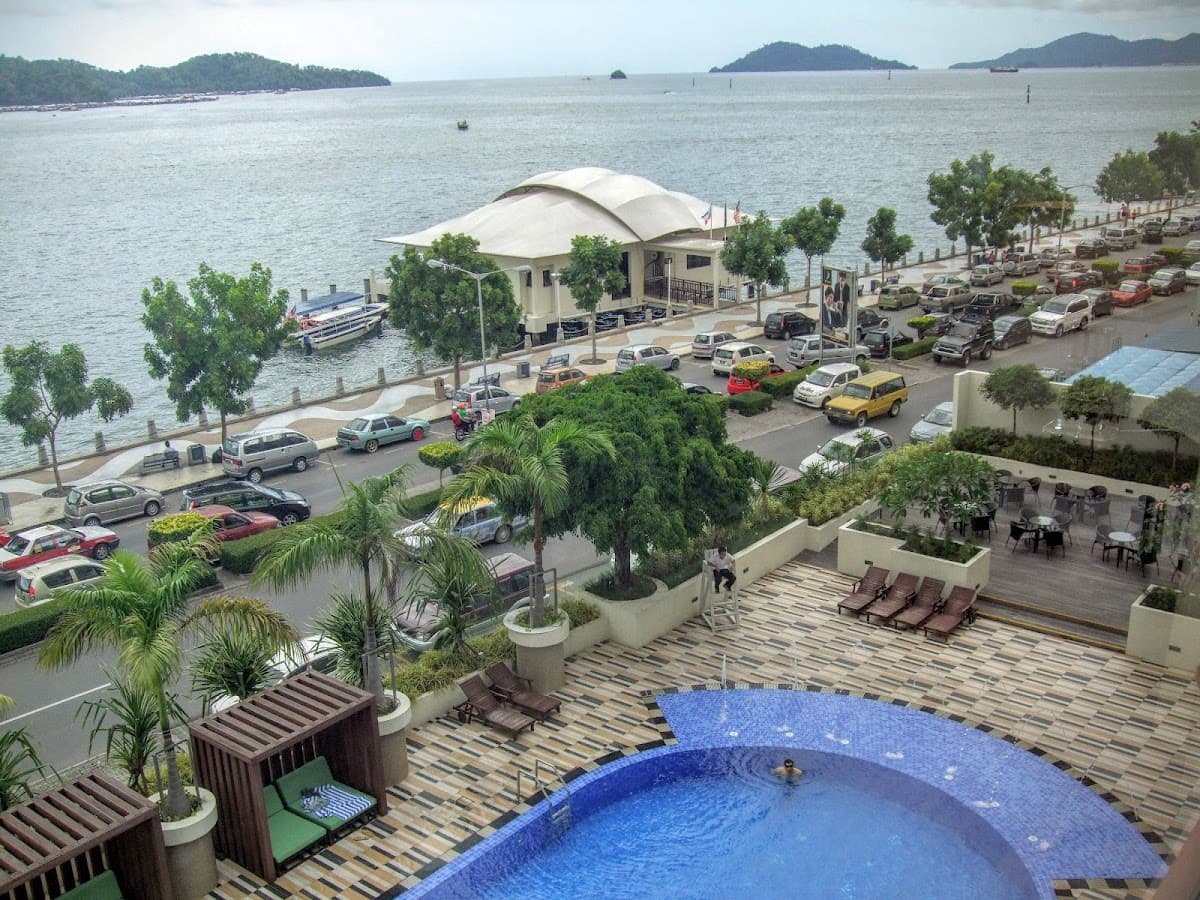
Glam Nights & Coastal Bites in Kota Kinabalu
Weekend · $$$
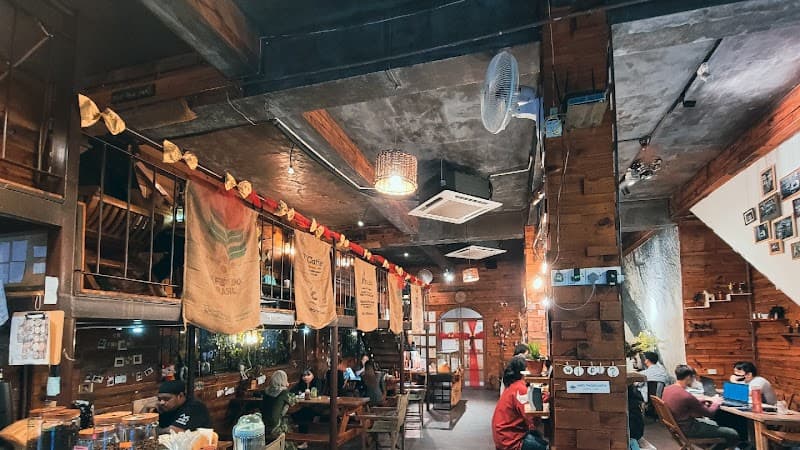
Glam Getaway in Kota Kinabalu: Sea, Sunset & Street Eats
Weekend · $$$
Glam Nights & Coastal Days in Kota Kinabalu
Week · $$$
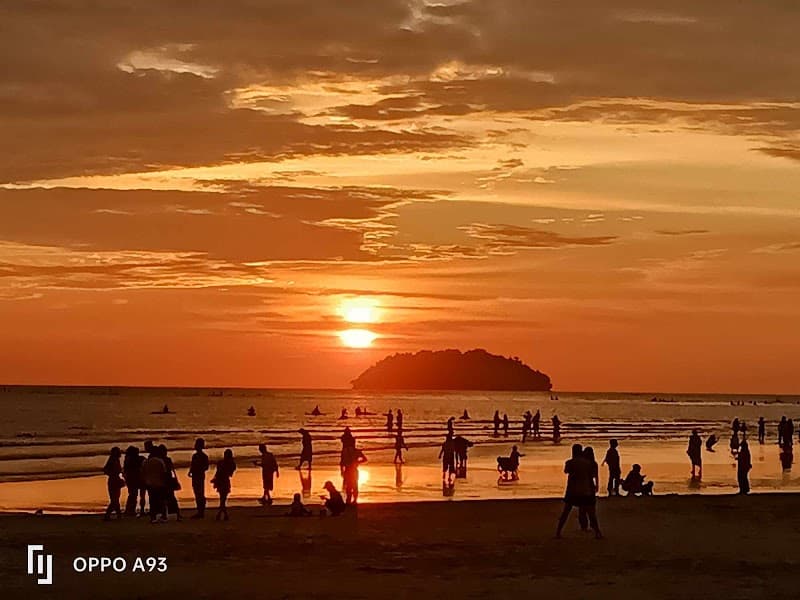
Slow Adventure & Nature Days in Kota Kinabalu
Weekend · $$$
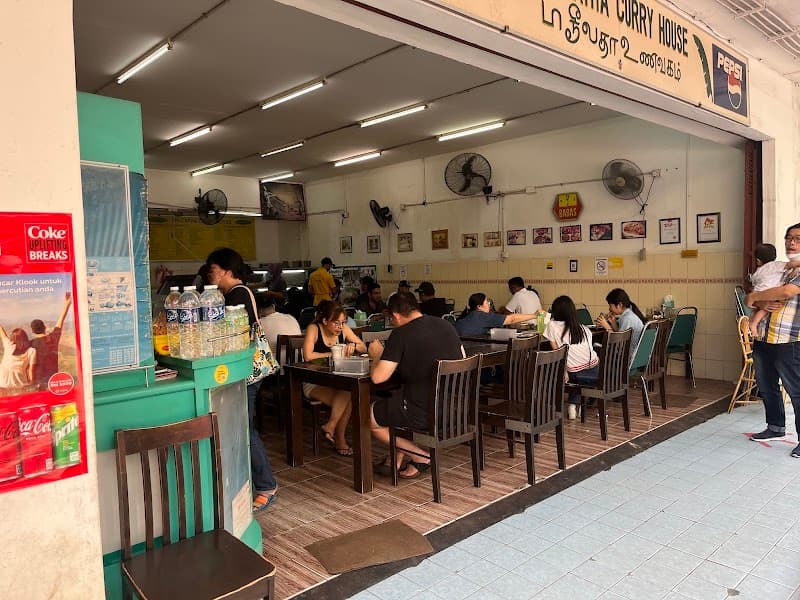
Sabah Shores & City Floors: Days 7–10 in Kota Kinabalu
Weekend · $$$
Money-Saving Tips
- 1.Hawker centers and kopitiams serve restaurant-quality meals for RM5-12, while hotel restaurants charge RM30-50 for similar dishes
- 2.Buy a Touch 'n Go card for public transport, tolls, and some shops — it's cheaper than individual tickets and cash payments
- 3.Alcohol is heavily taxed, so a beer costs RM12-18 in bars but only RM3-4 at 7-Eleven stores
- 4.Book accommodation during Malaysian school holidays (March, June, November-December) well ahead as prices double
- 5.Domestic flights between peninsular and East Malaysia cost RM200-400, often cheaper than you'd expect for the distance
- 6.Grab rides surge during rain and rush hour — walk to nearby malls or MRT stations to avoid peak pricing
- 7.Street food and local restaurants don't add service charges, but upscale places add 10% service charge plus 6% tax
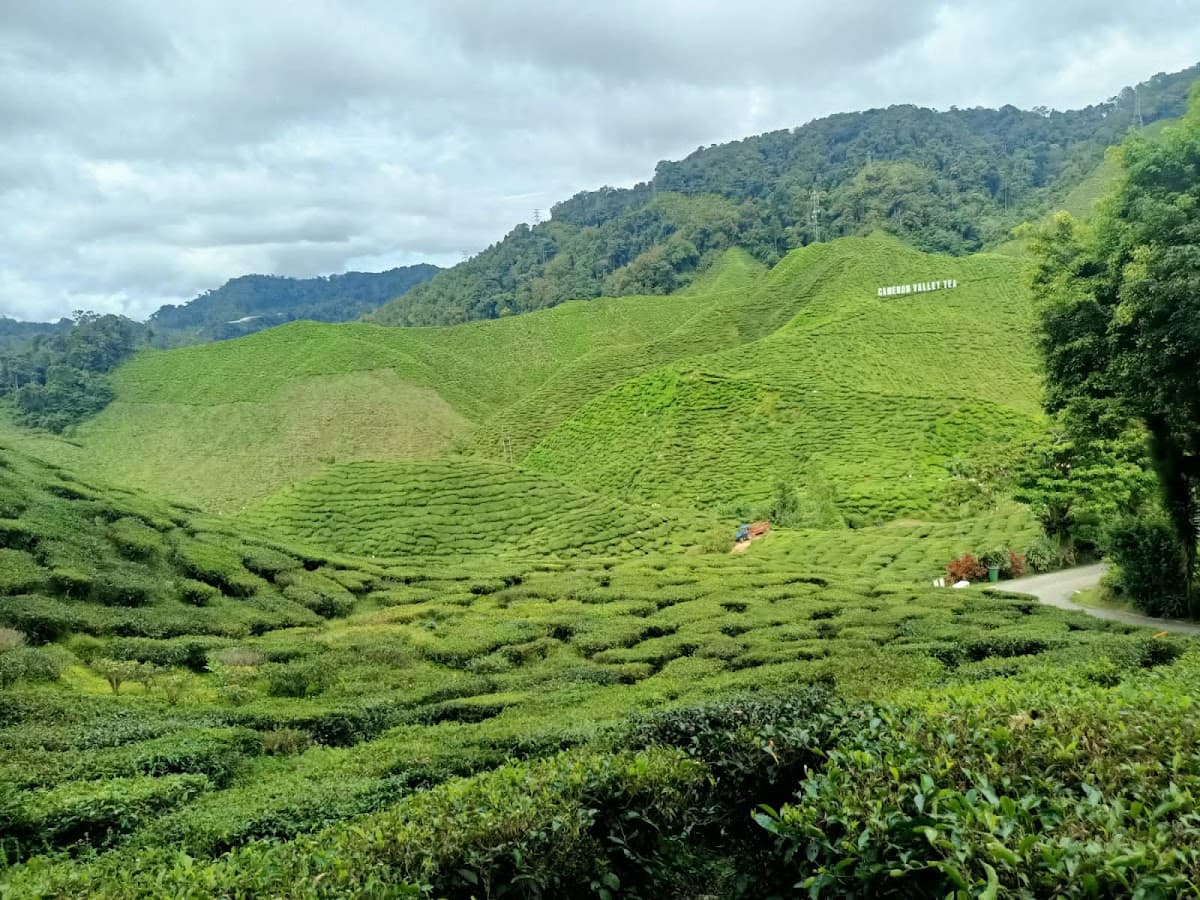
- 8.Cameron Highlands and hill stations charge premium prices for accommodation due to cool weather demand
Travel Tips
- •Download the Touch 'n Go eWallet app for seamless payments on public transport and at many shops
- •Carry tissues and hand sanitizer — public restrooms often lack toilet paper and soap
- •Dress modestly when visiting mosques and temples — cover shoulders and knees, remove shoes before entering
- •Learn basic Malay greetings like 'terima kasih' (thank you) — locals appreciate the effort even though English is widely spoken
- •Avoid pointing with your index finger — use your thumb or whole hand instead, as pointing is considered rude
- •Book island accommodation well ahead for East Coast destinations, as many places close during monsoon season (November-February)
- •Carry cash for hawker centers and local shops — many don't accept cards despite Malaysia's digital payment push
- •Use ride-sharing apps like Grab instead of street taxis, which often don't use meters and overcharge tourists
Frequently Asked Questions
Explore Malaysia
Ready to explore Malaysia?
Get a personalized itinerary in seconds with Takeoff.
Free on iOS. No credit card required.