Spain
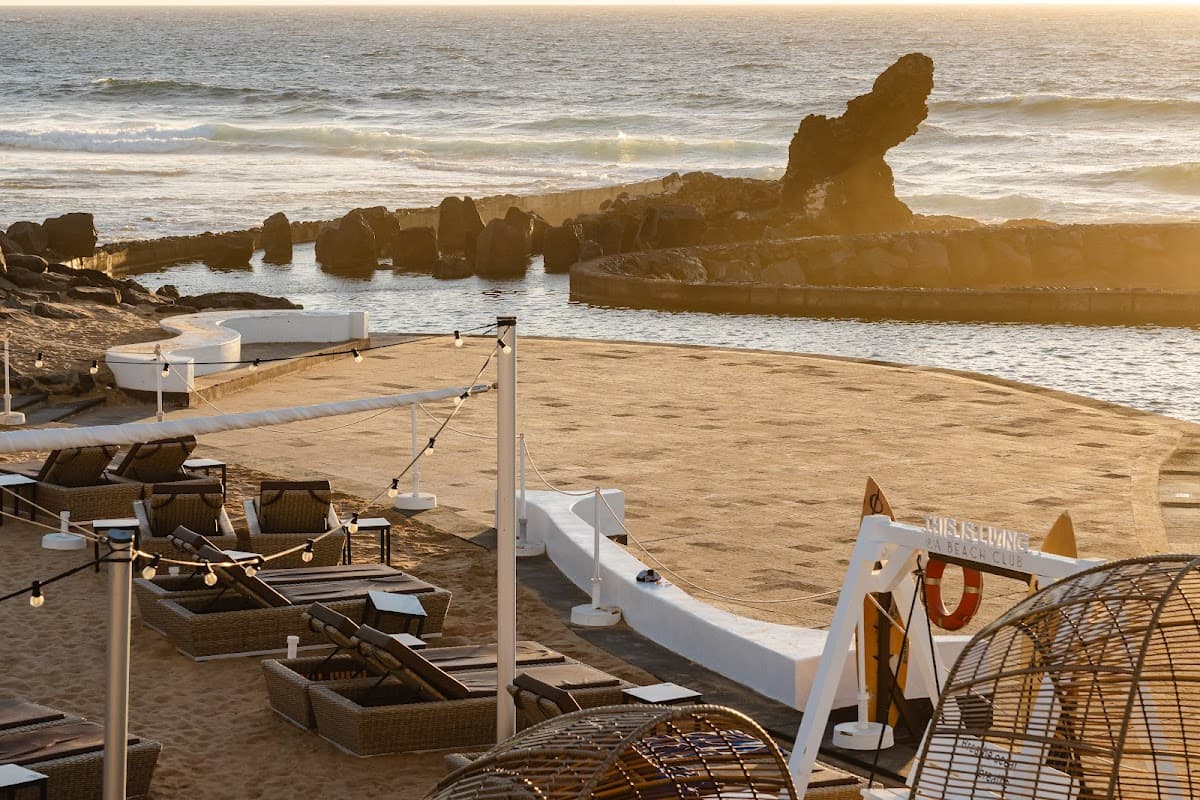
Passionate flamenco rhythms dance through sun-soaked Mediterranean dreams
Spain hits different. Maybe it's the way locals stretch dinner until midnight, or how every neighborhood plaza becomes a stage for impromptu flamenco. This isn't just a country—it's a masterclass in living well. From Barcelona's wild Gaudí architecture to Seville's orange-scented streets, Spain serves up art, history, and some of the world's best food with a side of Mediterranean sunshine. The Basque Country perfects pintxos while Andalusia perfects the siesta. And those beaches? They're just the beginning.
Culture & Context
CATALONIA NOT SPAIN
Barcelona is the capital of Catalonia — an autonomous community in northeast Spain with its own language, culture, history, and strong identity that is distinct from the rest of Spain. This is not a minor distinction. Catalans have their own parliament (the Generalitat), their own police force (Mossos d'Esquadra), and a language (Català) that approximately 50–60% of Barcelona's population speaks fluently. Street signs, metro announcements, official communications, and menus are in Catalan first.
The Catalan independence movement is real, politically charged, and ongoing. The tension between Catalan autonomy and the Spanish central government has deep historical roots — the Franco dictatorship banned the Catalan language for decades. FC Barcelona vs Real Madrid is not just a football match; it's a cultural and political proxy war. Do not casually call Catalan a 'dialect' of Spanish — it's a full Romance language with its own grammar and literature, and calling it otherwise is genuinely offensive to many locals.
2026 is a particularly significant year for Barcelona for two reasons: it is the centenary of Antoni Gaudí's death (June 10, 1926), and the city holds the title of UNESCO World Capital of Architecture. Gaudí's Sagrada Família — still under construction after 140+ years — is finally nearing completion, with the central Tower of Jesus Christ being inaugurated this year. The city is deeply proud of its Modernist architectural heritage and celebrates it in everything from street signage to municipal events.
Anti-tourism sentiment has grown significantly. With 30 million tourists visiting annually against a resident population of 1.7 million, housing costs have been pushed to breaking point (rents rose 13.3% in one year). The mayor has confirmed tourist apartment licenses will not be renewed in 2028. The 2024 water-gun protests made international headlines. In 2026, locals are increasingly frank about wanting respectful visitors who engage with the culture rather than treating the city as a backdrop for content. Small gestures — using Catalan greetings, eating off La Rambla, staying quiet in residential neighborhoods at night — matter more than ever.
Local Customs
DINNER AT 9PM, CATALAN FIRST
Lunch is at 2pm, dinner is at 9–10pm. Show up at 6pm hoping for dinner and most kitchens will be closed or empty. Restaurants fill between 9 and 11pm on weekdays, later on weekends..
Catalans and Spanish are NOT the same culture. Catalan is a full language — not a dialect — with its own grammar, literature, and history. Calling it a dialect is a fast way to offend someone.
A simple 'bon dia' shows you understand the difference.. Avoid establishments advertising SANGRÍA in big letters on the door. You're in Catalonia — order Cava (Catalan sparkling wine, brut or brut nature) or Vermut instead.
Same rule applies to places with huge TAPAS! signs and laminated photo menus.. Stand at the bar for your coffee.
Sitting at a table or on the terrace triggers a surcharge of €0.50 or more. Locals at café counters are not being antisocial — they're being economical..
Politely decline the 'Pan y Servicio' (bread and service charge) at restaurants. It's €1.50–3 per person, it's legal, and the waiter won't be offended if you say no.
Just say 'sin pan, gracias.'. Clubs genuinely don't fill until 2–3am.
Showing up at midnight means you're sharing the dancefloor with other tourists. If you want local nightlife, go late. Clubs along the Port Olímpic waterfront are tourist traps with bad music and overpriced drinks — head instead to Apolo, Razzmatazz, Moog, or Jamboree..
Dress modestly inside the Sagrada Família, Barcelona Cathedral, and other religious sites. Bare shoulders and shorts above the knee aren't banned, but it's disrespectful. Pack a light scarf..
Beachwear stays at the beach. Walking through central Barcelona in a bikini or trunks with no shirt is technically illegal and fuels the anti-tourism sentiment locals already feel strongly in 2026.. Anti-tourism frustration is real in 2026.
You may see 'Tourists Go Home' graffiti or hear about water-gun protests. Travelers are not being physically targeted — but being mindful, eating local, learning a few Catalan words, and staying quiet in residential areas goes a long way.. Tipping is not mandatory or expected the way it is in the US.
A 5–10% tip for genuinely good service is appreciated. Rounding up the bill is common. Never tip at a bar when you're ordering at the counter..
The Sardana (a traditional Catalan folk dance where people join hands in a circle) happens spontaneously at festivals and in front of the Cathedral. Watch, or join in — locals will welcome you.. Castellers (human tower-building teams) perform at major festivals.
It's one of the most jaw-dropping things you'll see. Designated as UNESCO Intangible Cultural Heritage. Don't treat it like a photo op — watch the whole performance.
Safety
WATCH YOUR PICKPOCKETS
Barcelona is safe for the vast majority of visitors. Violent crime targeting tourists is extremely rare. The city's main problem — and it is a genuine, persistent one — is pickpocketing, specifically professional, organized teams who work tourist areas around the clock.
THE PICKPOCKET REALITY: Barcelona is consistently ranked as one of Europe's top cities for petty theft. Thousands of incidents are reported monthly. Primary hotspots: La Rambla, Gothic Quarter streets, Metro Lines L1 and L3, Barceloneta promenade after midnight, La Boqueria market, and Plaça de Catalunya. These are professional operations using distraction — spilled drinks, directions requests, someone bumping into you — while an accomplice takes your phone or wallet. You typically don't notice until it's already gone.
PRACTICAL DEFENSES: Use a crossbody bag with a zipper, worn in front. Get a phone leash or wrist strap — phones are the number one target. Use a money belt or hidden pouch for your passport and emergency cash. Keep your actual wallet separate from a decoy wallet with a small amount of cash and expired cards. Never put your phone on a table at a restaurant or leave a bag on a chair back.
COMMON SCAMS: The shell game / trileros on La Rambla — rigged every single time, also a distraction for pickpockets. Bird dropping scam (liquid squirted on your shoulder, someone offers to help clean it, accomplice takes your wallet). People posing as police asking to check your passport or wallet — real police do not do this.
AREAS TO BE CAREFUL AT NIGHT: The northern end of Las Rambla, El Raval (especially streets away from the main thoroughfares after midnight), and Barceloneta's promenade after clubs close. These are not no-go zones — just areas that require extra awareness.
ANTI-TOURISM PROTESTS: In 2026, local frustration over housing costs and over-tourism continues. You may see 'Tourists Go Home' graffiti and small protests. Travelers are not being physically targeted. Being a respectful, culturally aware visitor goes a long way.
EMERGENCY NUMBERS: 112 (universal emergency — police, ambulance, fire). Mossos d'Esquadra is the Catalan regional police. For stolen documents, visit the SATE (Foreign Tourist Assistance Service) office in the city centre. Keep digital copies of your passport bio page at all times.
HEALTH: Tap water is safe to drink but tastes heavily chlorinated — most locals and visitors prefer bottled or filtered. No vaccinations required. Hospital Clínic and Hospital del Mar are well-regarded. EU EHIC cards are accepted. All other visitors should have comprehensive travel insurance.
Getting Around
METRO & T-CASUAL
Barcelona's public transport is excellent. Use it for almost everything — taxis are for late nights and airport runs only.
METRO: 12 lines (L1–L12), color-coded and easy to navigate. Runs 5am–midnight Mon–Thu, until 1am Fridays, 24 hours on Saturdays. Single ticket in 2026 costs €2.90 — don't buy these one at a time.
BEST TICKET FOR MOST VISITORS: T-Casual card (€13 for 10 journeys, Zone 1) — covers metro, bus, tram, FGC suburban trains, and Rodalies (Zone 1). Personal use only, cannot be shared simultaneously. Valid for the whole calendar year. Pick it up at any metro ticket machine (supports English).
FOR MULTI-DAY VISITORS: Hola BCN pass covers unlimited metro, bus, tram, FGC (Zone 1), and crucially includes airport metro transfers. Prices: 2 days €18.70 / 3 days €27.30 / 4 days €35.60 / 5 days €43.60. Works out to around €8.72–9.35/day — excellent value.
AIRPORT: Metro Line L9 Sud connects both terminals to the city (€5.90 each way — this IS the special airport ticket, not covered by T-Casual). Taxi from airport to city centre runs €35–40 flat. Uber and Cabify also work from the airport.
BUS: Over 100 routes. Day buses run roughly 5:30am–10:30pm; night buses (N lines) run 10:30pm–5:30am. Same T-Casual card works.
PICKPOCKETS ON METRO: Lines L3 and L4 have the worst reputations. Keep bags zipped, in front of your body. Don't use your phone in crowded carriages near doors.
WALKING: The Gothic Quarter, El Born, Barceloneta, and lower Eixample are all walkable between each other. Barcelona is more compact than it looks on a map.
TAXIS: Yellow and black metered taxis are safe and licensed. Uber and Cabify operate legally. Avoid unlicensed private drivers approaching you at the airport.
Useful Phrases
Explore Destinations
Alhambra
Andalusia
Balearic Islands
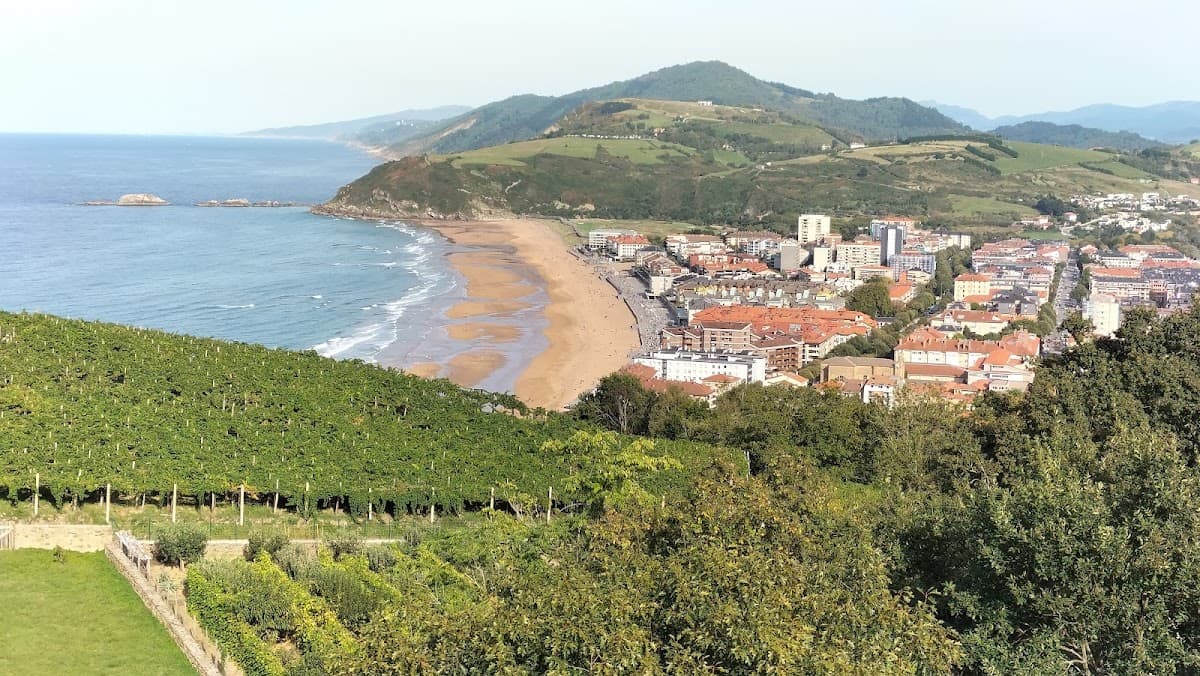
Basque Country

Camino de Santiago
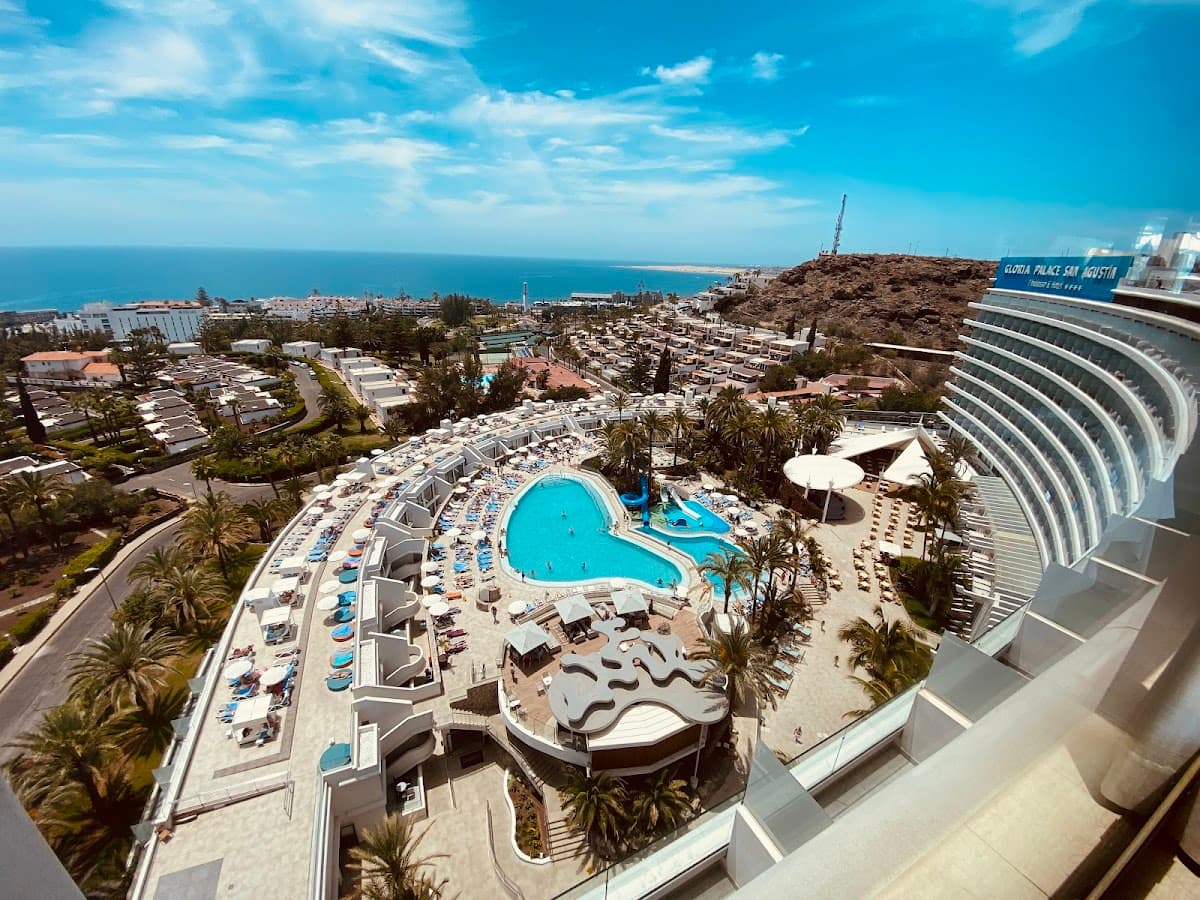
Canary Islands
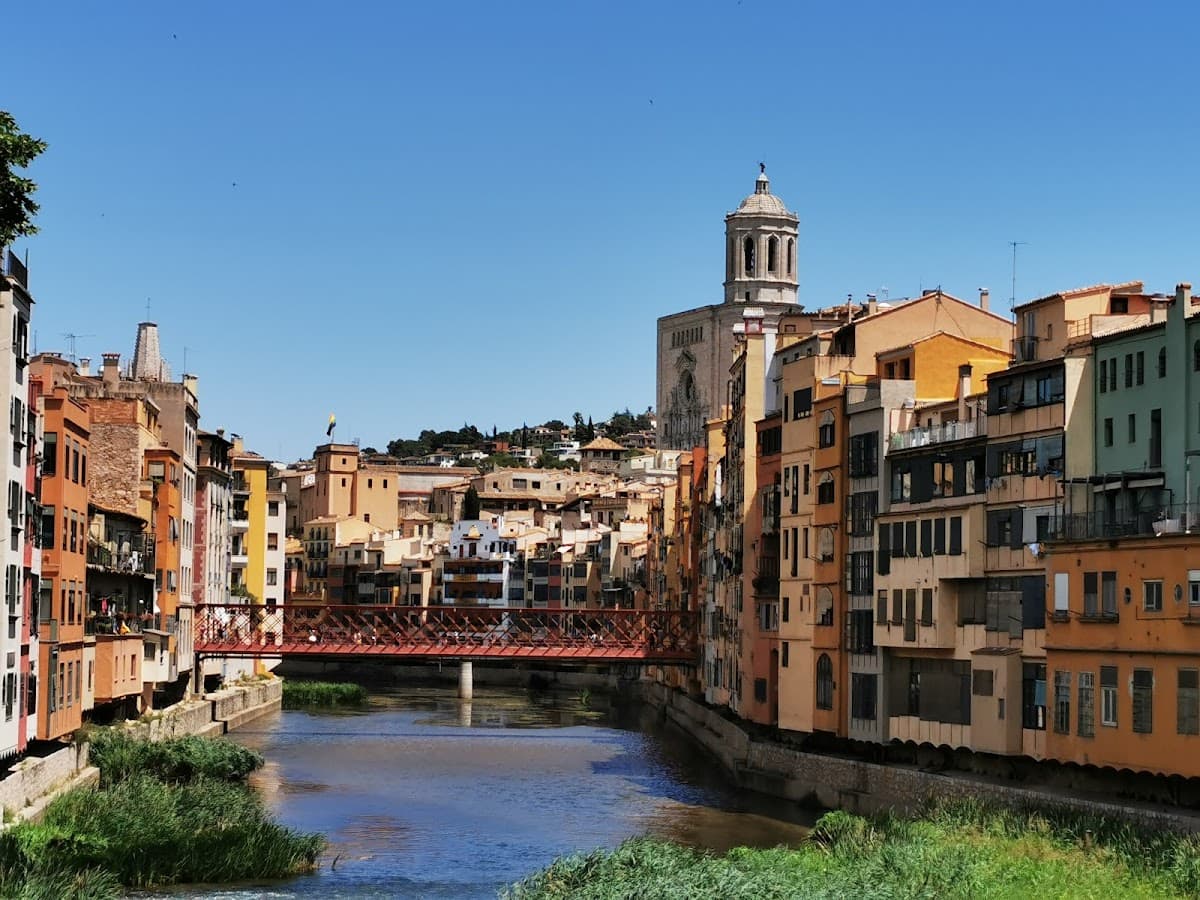
Catalonia
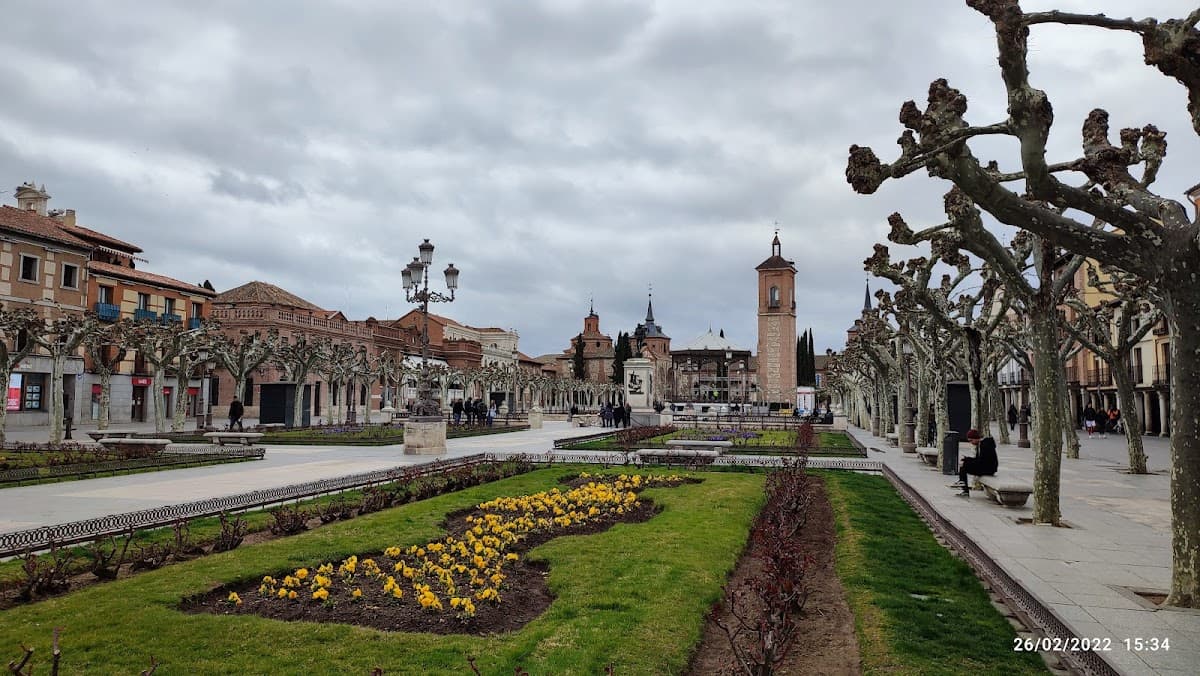
Community of Madrid
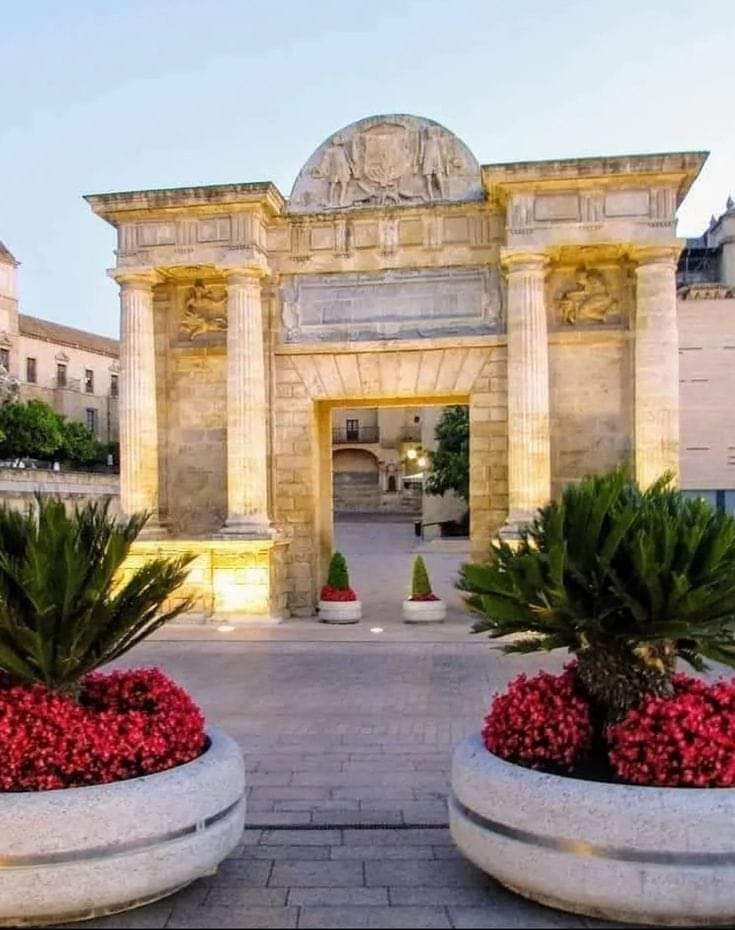
Córdoba
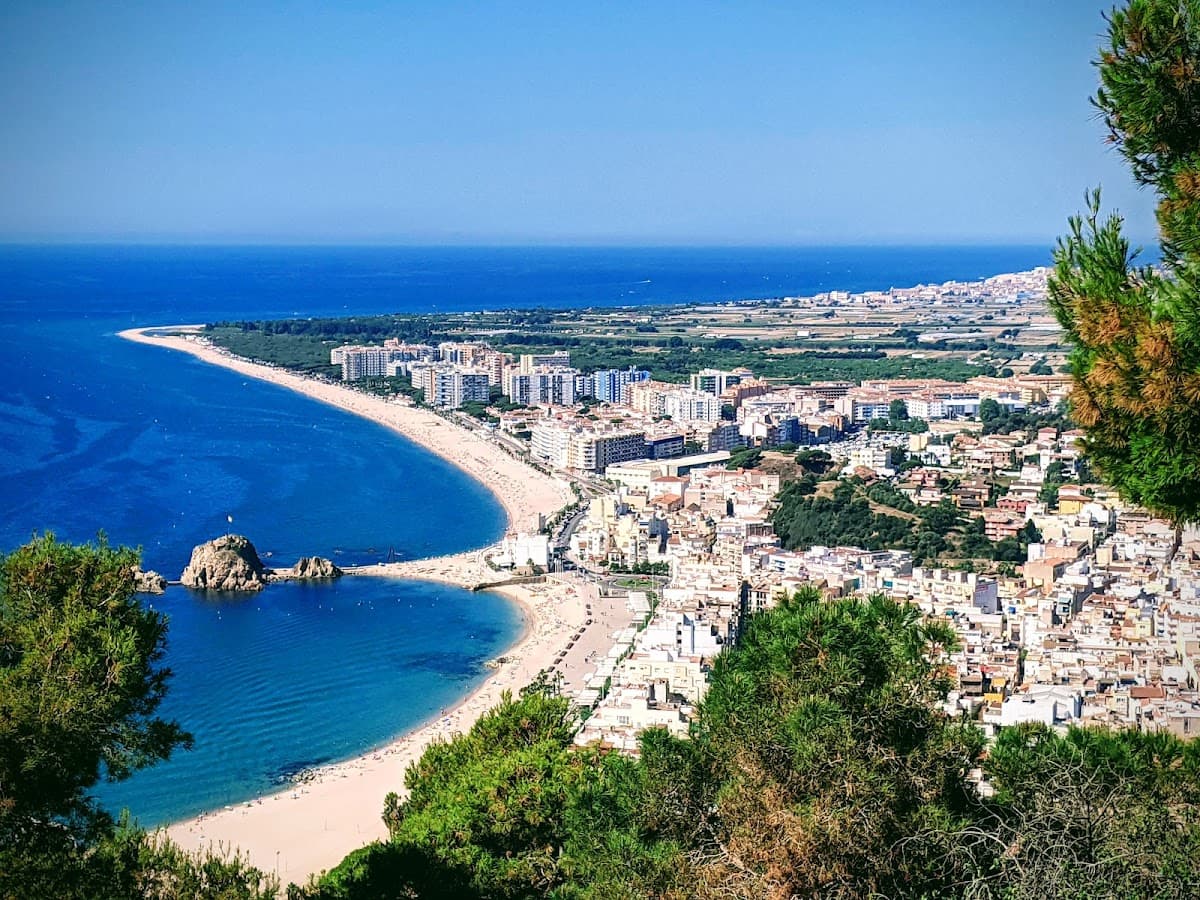
Costa Brava
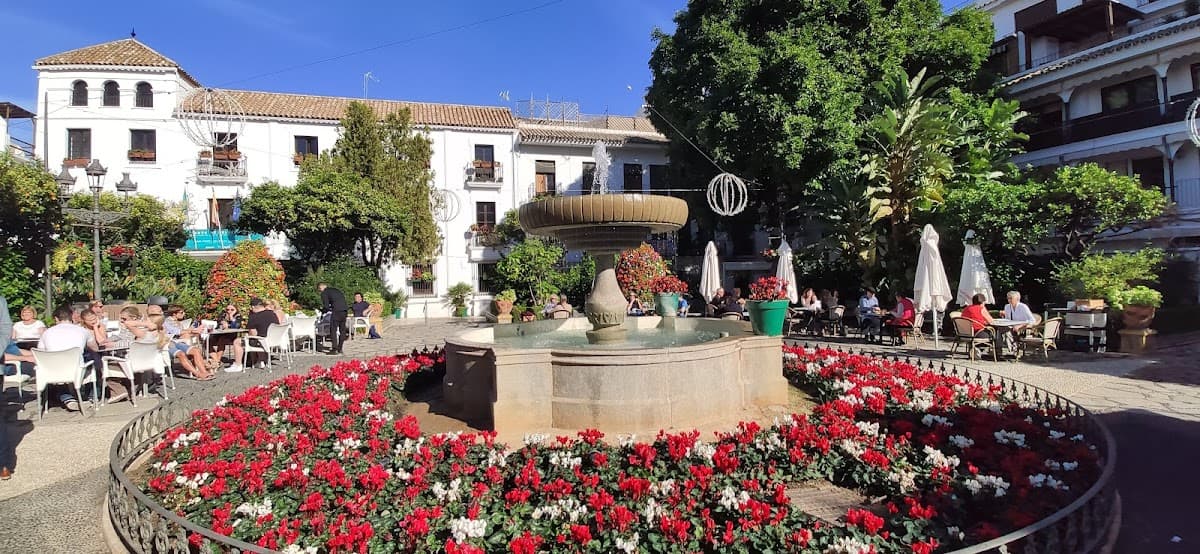
Costa del Sol
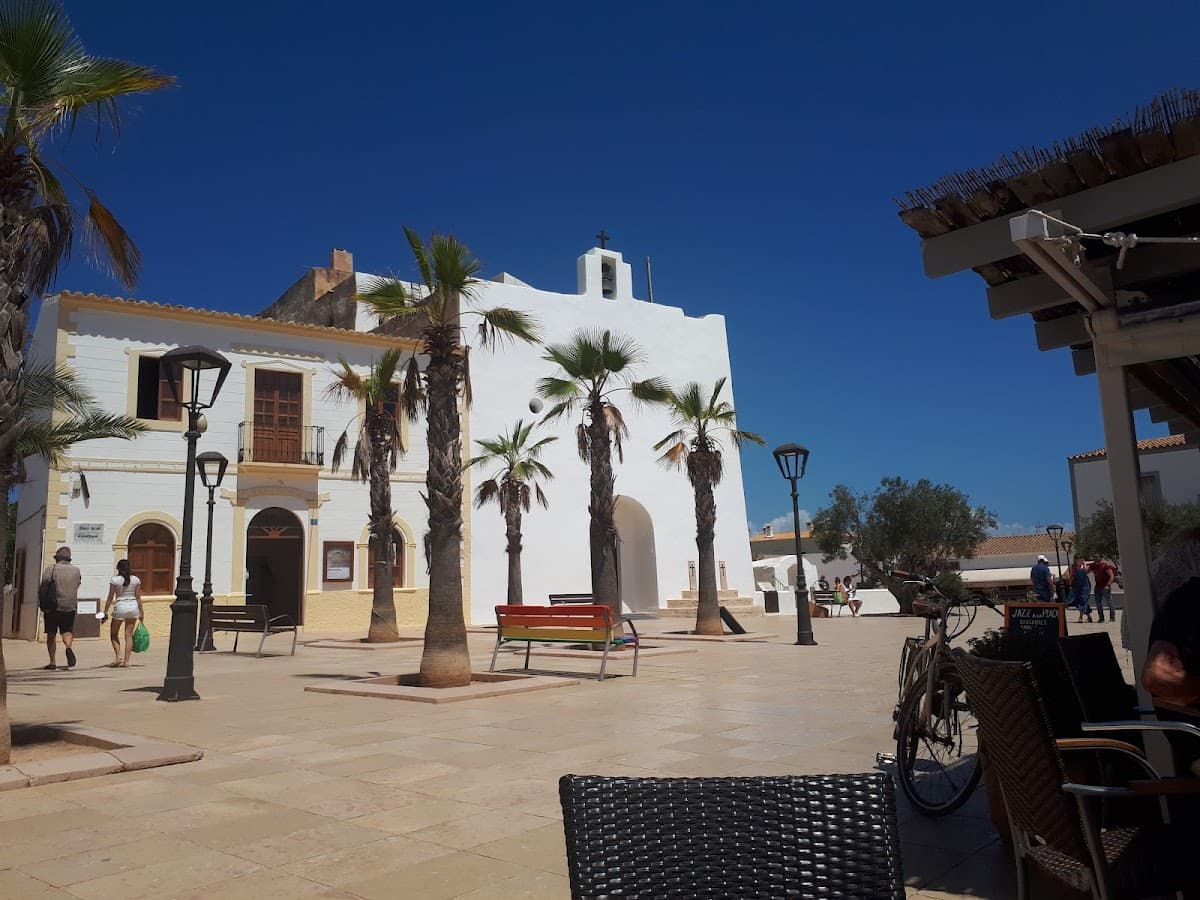
Formentera

Fuerteventura
Galicia

Girona
Gran Canaria

Ibiza Town

La Palma

La Tomatina

Lanzarote

Menorca

Ordesa National Park
Palma de Mallorca
PortAventura

Rioja

Ronda
Running of the Bulls
San Sebastián
San Sebastián Food Scene

Santiago de Compostela
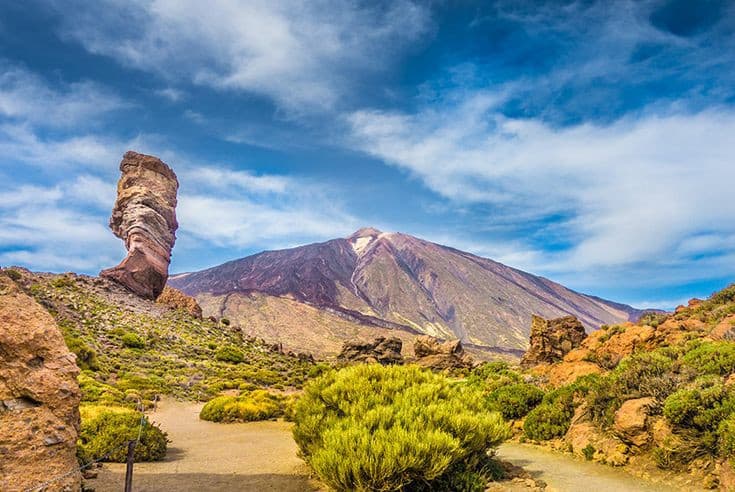
Teide National Park
Toledo
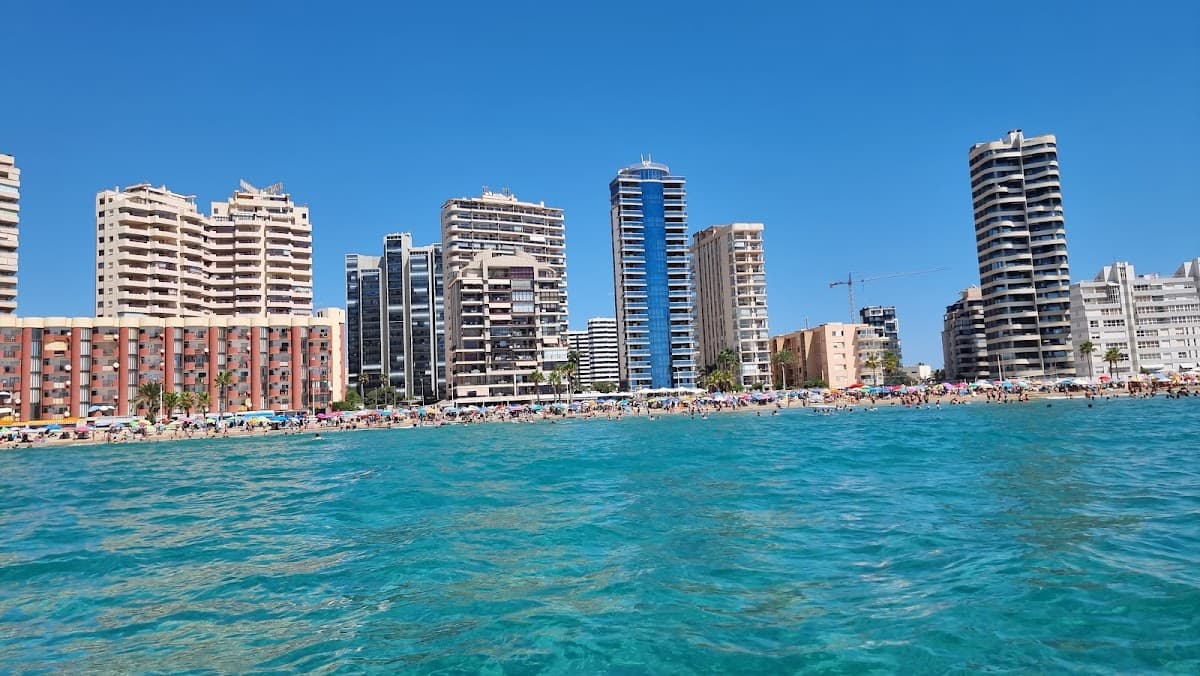
Valencian Community
Explore the Region
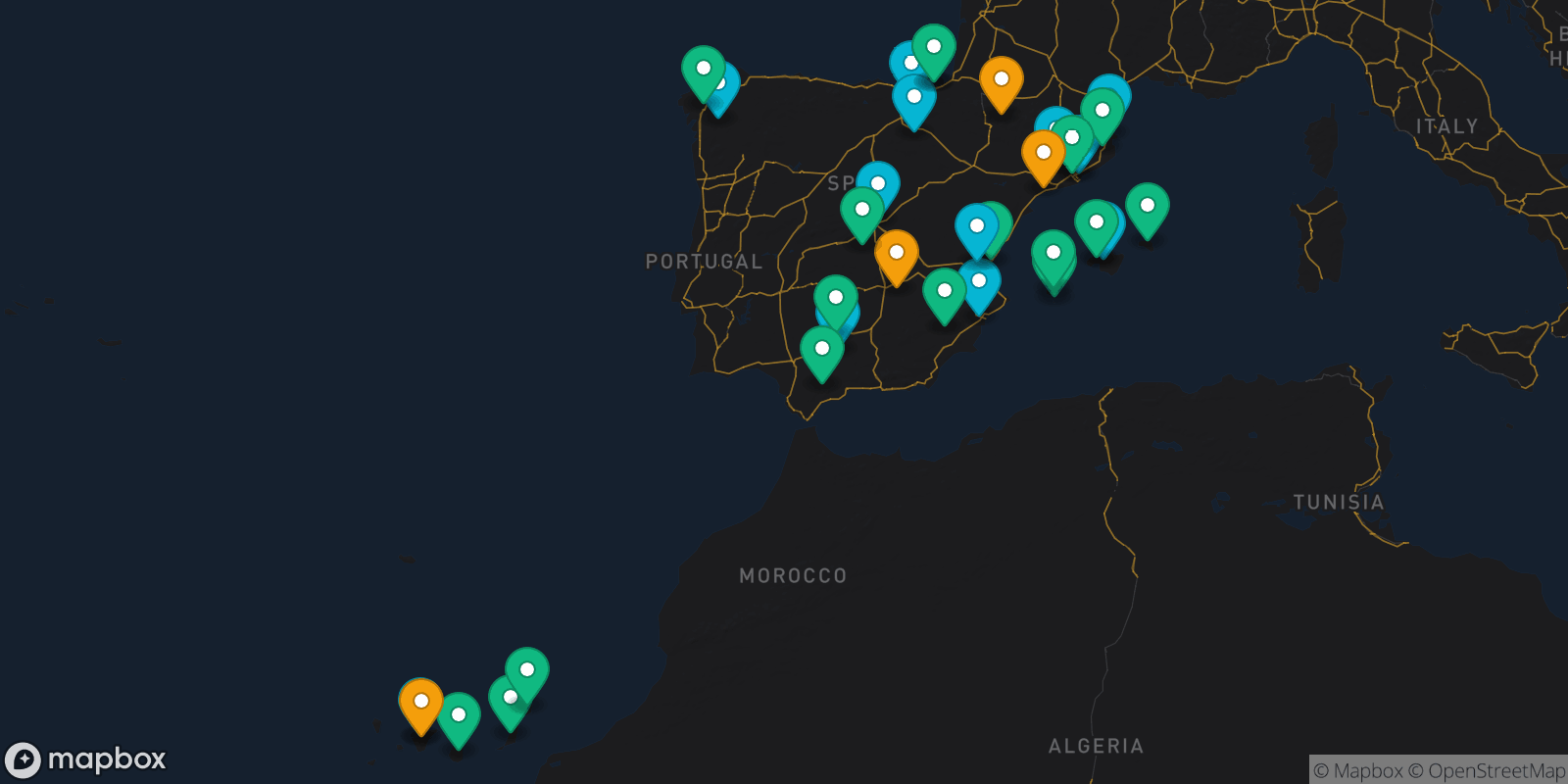
Spain Itineraries
View all
Gaudí, Gothic Alleys & Tasty Bites in One Perfect Day
Weekend · $$
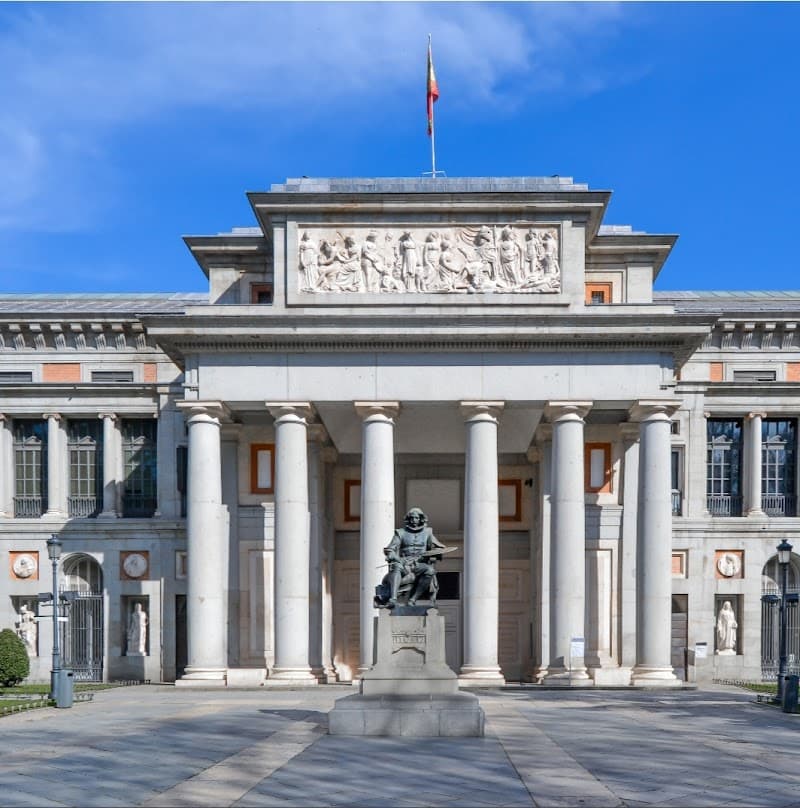
Seven Budget-Friendly Days Solo in Madrid
Week · $
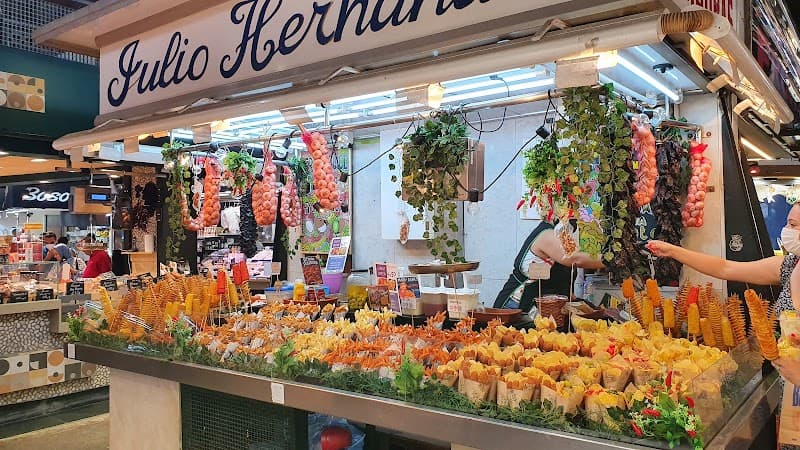
One Perfect Foodie Day in Barcelona’s Old Town & Beach
Weekend · $$$
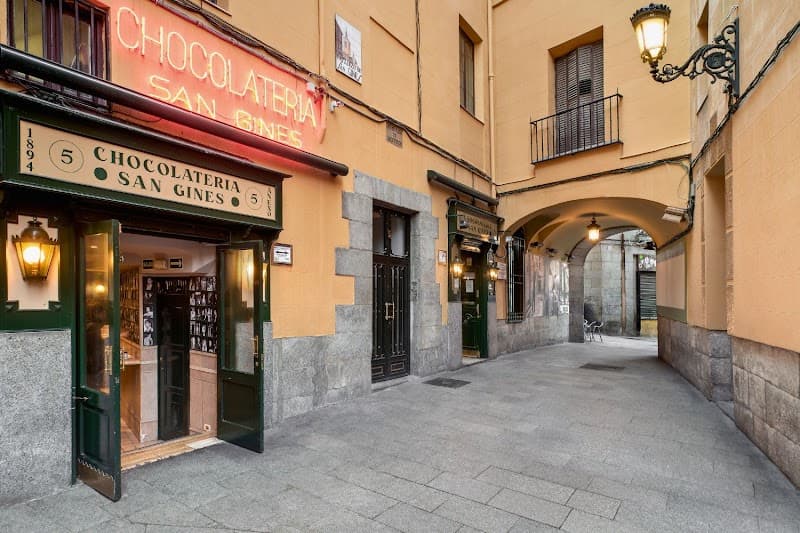
Madrid in a Weekend: Family-Friendly Culture, Parks & Tapas
Weekend · $$
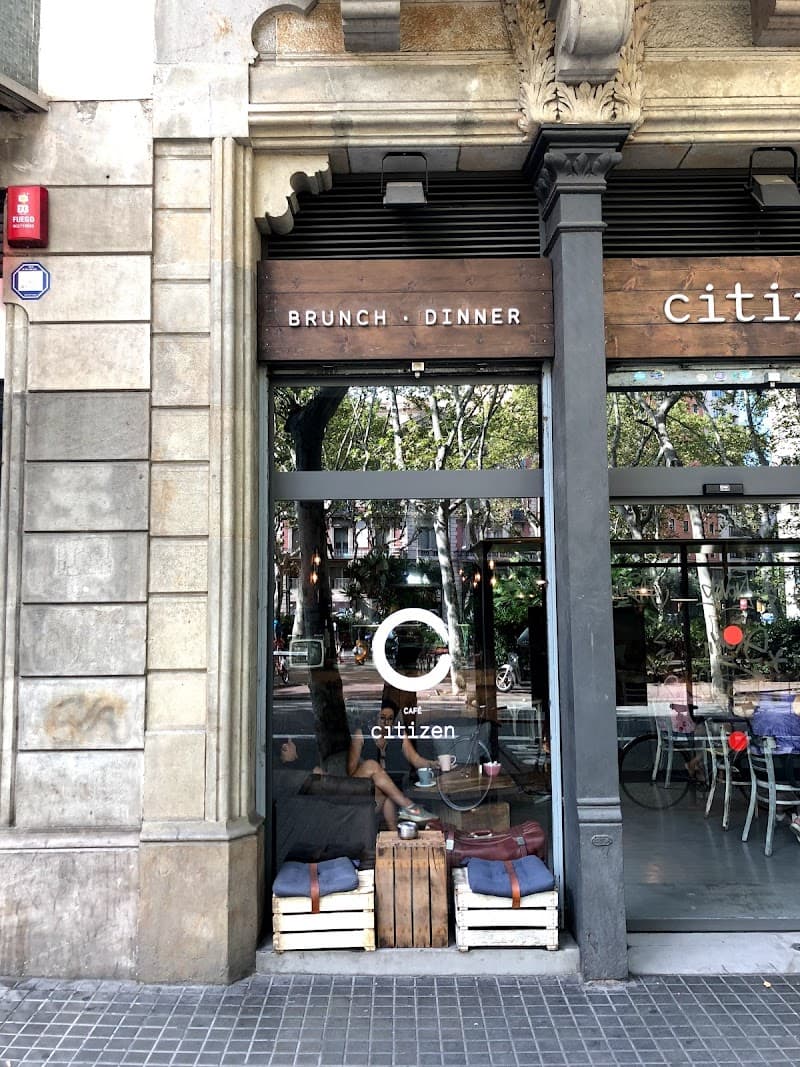
Seven Elegant Nights in Adventurous Barcelona
Weekend · $$$
7 Days of Sun, Soul, and Sierra Adventure in Andalusia
Week · $$$
Money-Saving Tips
- 1.Eat lunch at the bar counter instead of tables—same food, 30% cheaper prices
- 2.Buy wine at Mercadona supermarkets for €3 bottles that cost €15 in restaurants
- 3.Book AVE trains 2 months ahead for 40% discounts on high-speed rail
- 4.Stay in Airbnbs outside city centers—metro connections are excellent and you'll save €50+ per night
- 5.Hit museums on free afternoons: Prado is free weekdays 6-8 PM
- 6.Shop at local markets before 2 PM—vendors slash prices on perishables before siesta
- 7.Avoid tourist menus del día near major attractions—walk 3 blocks for authentic €12 lunches
Travel Tips
- •Download the Renfe app for train tickets—the website crashes constantly but the app works
- •Pack layers for spring and fall—Spanish weather swings 20 degrees between morning and evening
- •Learn basic Spanish greetings—English isn't widely spoken outside tourist areas
- •Restaurants close 3-7 PM between lunch and dinner service—plan your meals accordingly
- •Carry cash—many small bars and shops don't accept cards for purchases under €10
- •Book accommodations early for Easter week in Seville and San Fermín in Pamplona
- •Spanish plugs use Type C and F—bring adapters or buy them at any Carrefour for €5