Minorca
Menorca runs on its own clock
Culture & Context
BIOSPHERE & HORSE COUNTRY
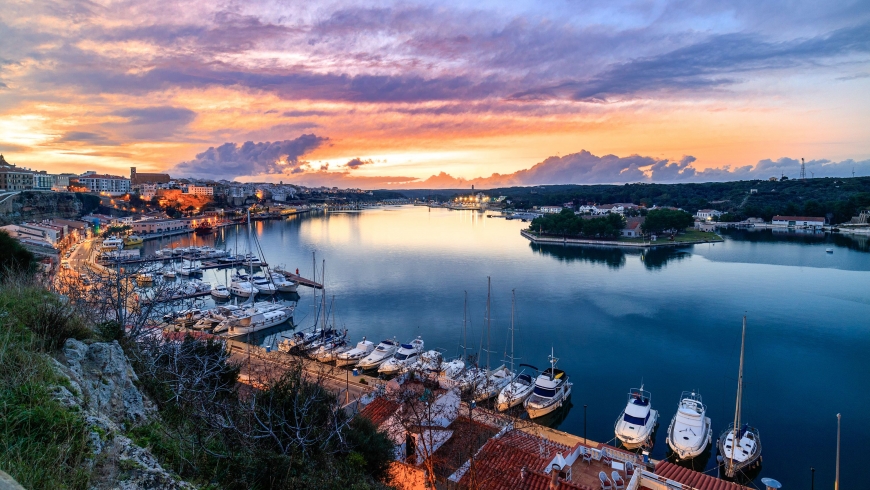
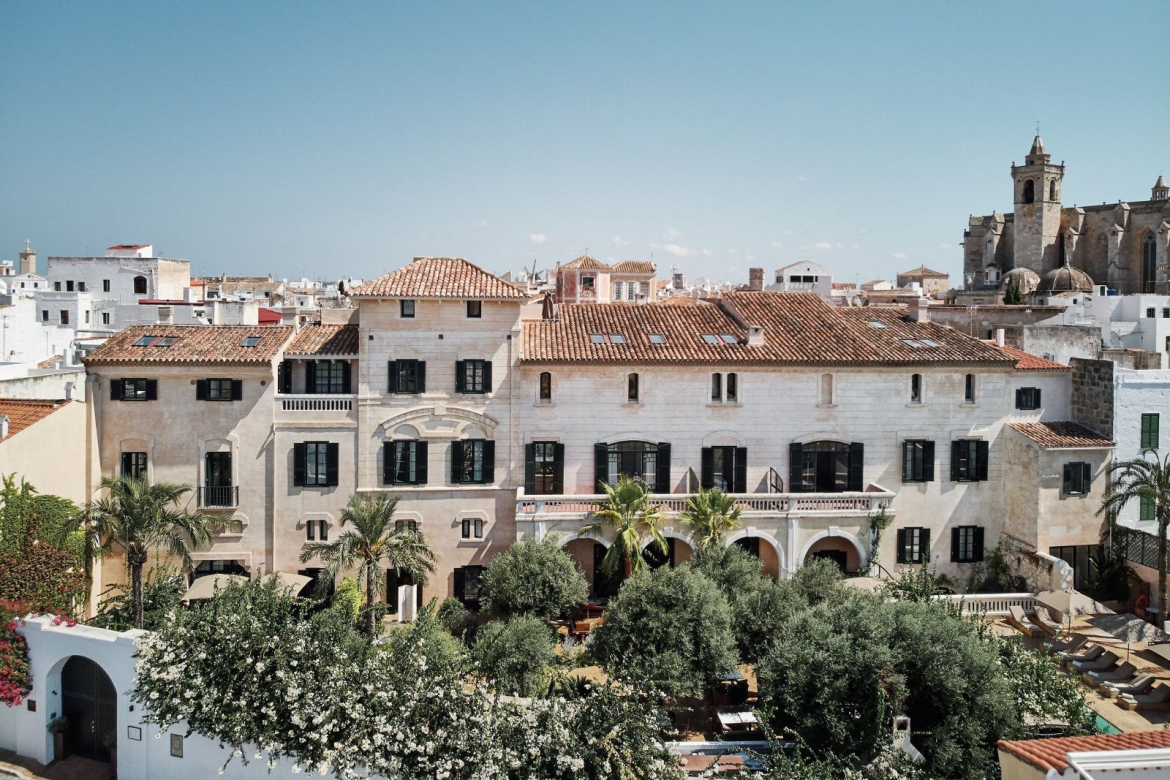
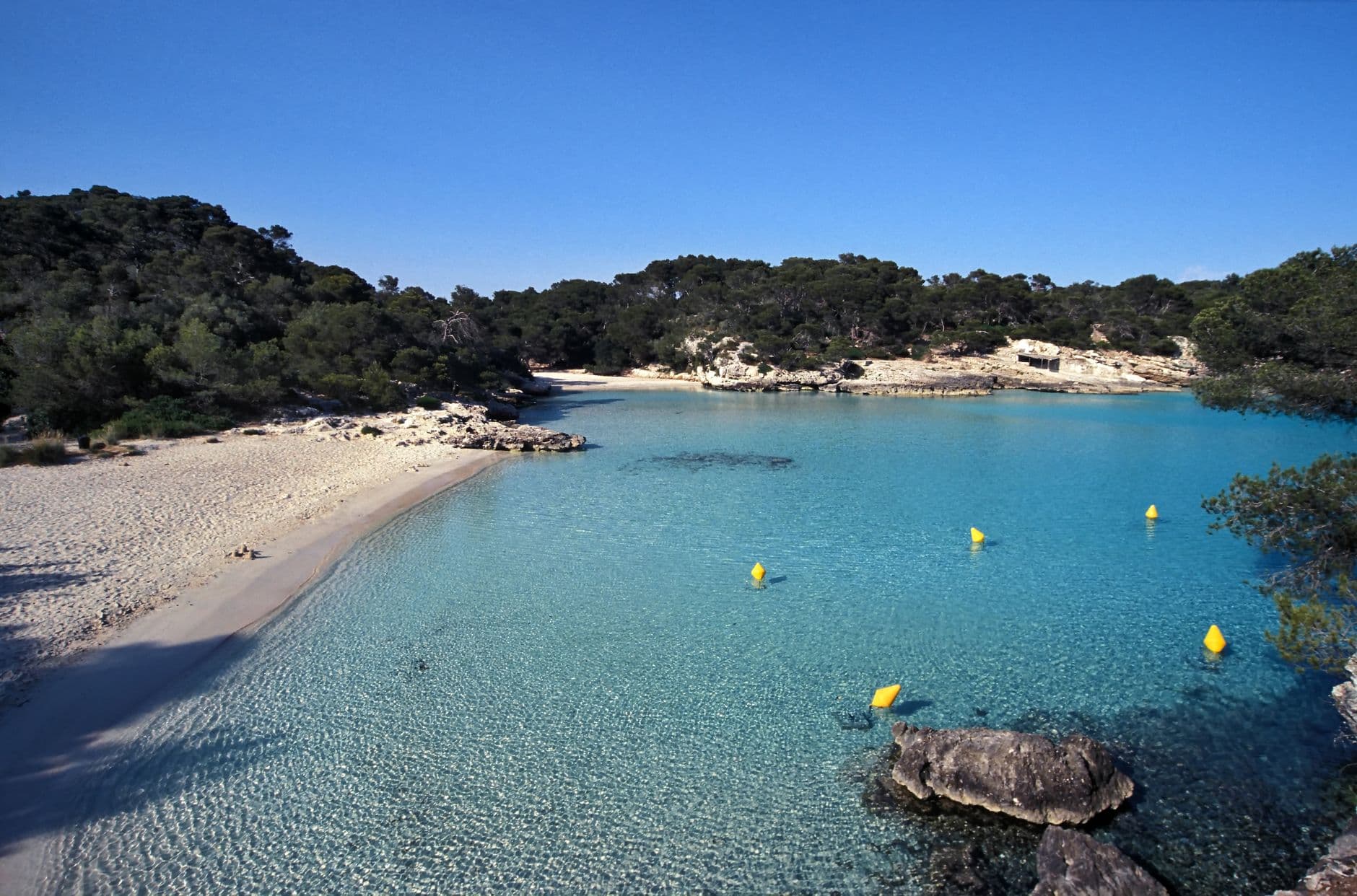
Menorca runs on its own clock. This is the Balearic island that said no to the Ibiza playbook and actually meant it. Since 1993 it's been a UNESCO Biosphere Reserve, and that status shapes everything: strict development limits, no motorways slicing through farmland, and a coastline that still looks like coastlines are supposed to look. The island's identity runs deep — prehistoric Talayotic people left over 1,500 megalithic monuments scattered across the countryside, and the black horse of Menorca is not just a tourist symbol but a living thread connecting the islanders to their medieval past. Mahón carries the fingerprints of 70-plus years of British rule: an obsession with gin (Xoriguer distillery is still family-owned), architecture that doesn't quite look Spanish, and a harbour so deep the Royal Navy once loved it. Ciutadella, the former capital, has the aristocratic air of old Catalan nobility, with golden-stone palaces around Plaça des Born that glow properly at sunset. Locals speak Menorquí, a dialect of Catalan with some English loanwords baked in from the British era — words like "grevi" (gravy) that snuck in 300 years ago and never left. The pace is genuinely slow. Long lunches, late dinners, and a collective shrug at urgency. This is an island that chooses restraint on purpose.
Local Customs
Jaleos are the emotional core of every summer fiesta.
Riders bring their horses up on their hind legs and press through crowds. Touching a horse's chest is considered good luck.
Stay aware of your surroundings, wear closed shoes, and absolutely do not startle the horses.. Wear a top in town. Shirtless or bikini-top walking through Mahón or Binibeca annoys locals.
Beach or pool only — the rule is that simple and widely understood.. Tipping is optional. Rounding up or leaving 10% for genuinely good service is appreciated, but nobody will chase you out if you don't.
For a coffee or a quick drink, nothing is expected.. Learn the wind before planning your day. When the northern Tramontana blows, south-coast beaches are calm and north-coast beaches are rough.
Locals plan by wind direction — it's the single most practical habit to adopt.. Lunch is serious, long, and late — typically 13:00 to 15:30 or 16:00. The Menú del Día (two or three courses plus a drink) in town restaurants is the best-value meal on the island.
Many kitchens close between lunch and dinner service.. Respect the biosphere. Don't vandalize caves or rocks, don't collect shells or plants from protected areas, and observe private land signs on the Camí de Cavalls trail (watch for 'Coto Privado De Caza' — private hunting ground signs)..
Buy Avarcas (traditional Menorcan leather sandals) from a local shop rather than a tourist stall. They're genuinely handmade on the island and support an industry that's supported local families for generations.. Water is scarce.
Shorten showers where possible and don't let taps run unnecessarily. Hotels notice and locals appreciate it.. Pomada is the island drink: Xoriguer gin mixed with lemonade over ice.
Order one during fiesta season and you're halfway to being a local. The gin is made from wine alcohol rather than grain, so it tastes more rounded than standard gin.
Safety
GENERALLY SAFE
Menorca is one of the safer places you can visit in the Mediterranean. Violent crime is rare. The main concern is standard petty stuff: pickpockets in busy festival crowds, opportunistic theft from hire cars parked near popular beaches, and the usual watch-your-drink caution at any evening bar. The UK government's general Spain advice applies here — be alert at the airport when collecting bags, don't carry everything in one place, and be aware that thieves sometimes work in pairs using distraction tactics. Festival season brings large, sometimes quite dense crowds for the jaleos horse events, so keep an eye on bags. Most beaches are safe and well-managed, though the north coast gets genuinely rough seas when the Tramontana is blowing from the north — take wind warnings seriously. Water scarcity is a real environmental concern on the island, so respect water-use guidance at accommodations. One practical 2026 driving note: Spain now requires all registered cars to carry a V-16 emergency beacon (replacing the old red warning triangles), and hire car companies are responsible for providing one.
Getting Around
RENT A CAR
Here's the honest truth: without a car, you will miss most of what makes Menorca worth visiting. The bus network runs reasonably well in summer between the main towns — Mahón to Ciutadella costs around €5.10 — but it won't get you to Cala Macarella, Cala Turqueta, or most of the south coast calas that are the whole point of the trip. Car rental starts from around £17/day booked early (prices spike dramatically in July-August, so book ahead). Mahón Airport (MAH) has all the major companies on-site. The road network is simple: one main east-west spine called the ME-1, then a web of narrow lanes with dry-stone walls. No motorways, no dual carriageways, speed limits of 50km/h in towns and 90km/h on open roads. For peak-season popular beaches, parking fills by 9-10am — arrive early or you're hiking from half a mile away. Taxis are metered and plentiful in Mahón; airport to central Mahón runs about €15, airport to Ciutadella is €58. There are no direct airport buses to resorts — you connect through Mahón with potential waiting times. Bicycles and scooters work well for day trips. The 185km Camí de Cavalls coastal trail circles the entire island and can be walked, cycled, or ridden on horseback in sections.
Useful Phrases
Where to Stay in Minorca
9 recommended properties