Auckland
City of Sails Where Urban Sophistication Meets Natural Beauty
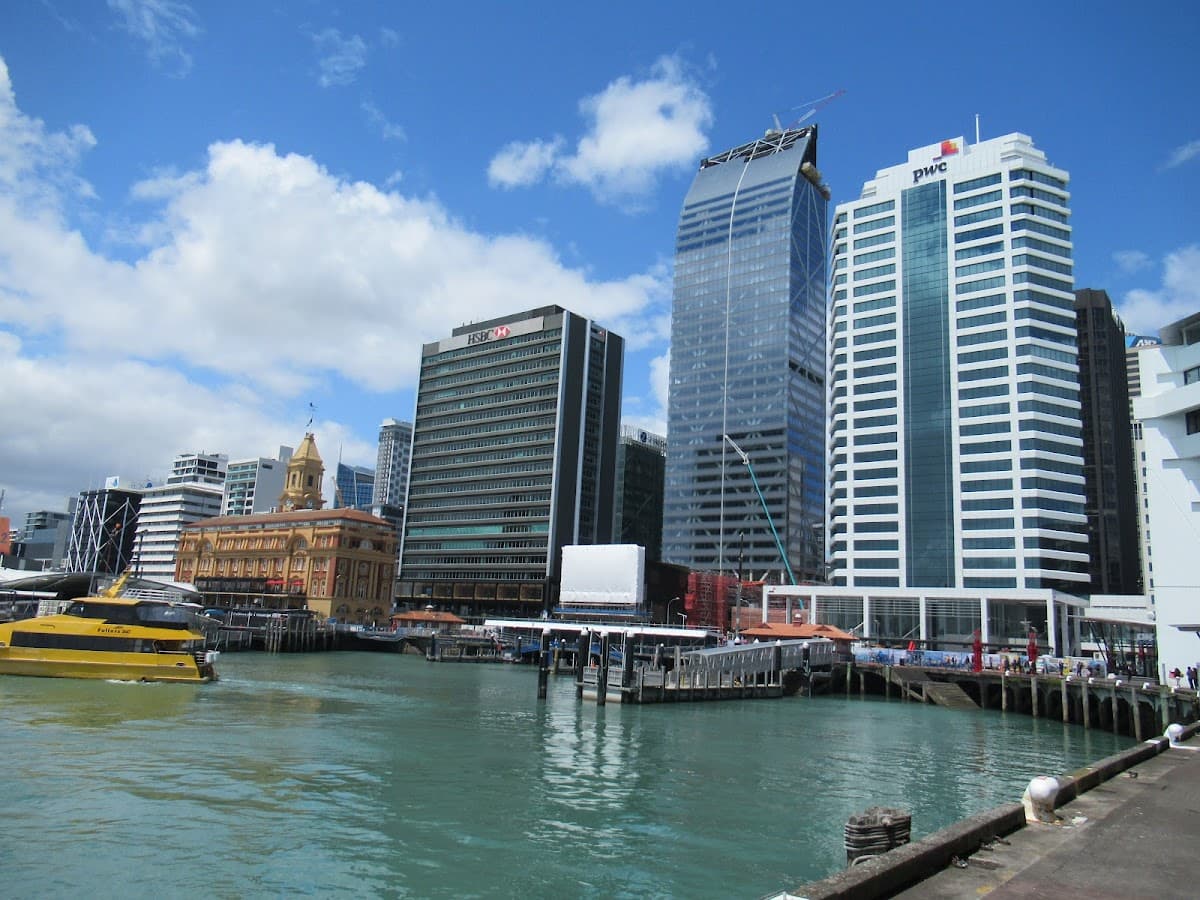
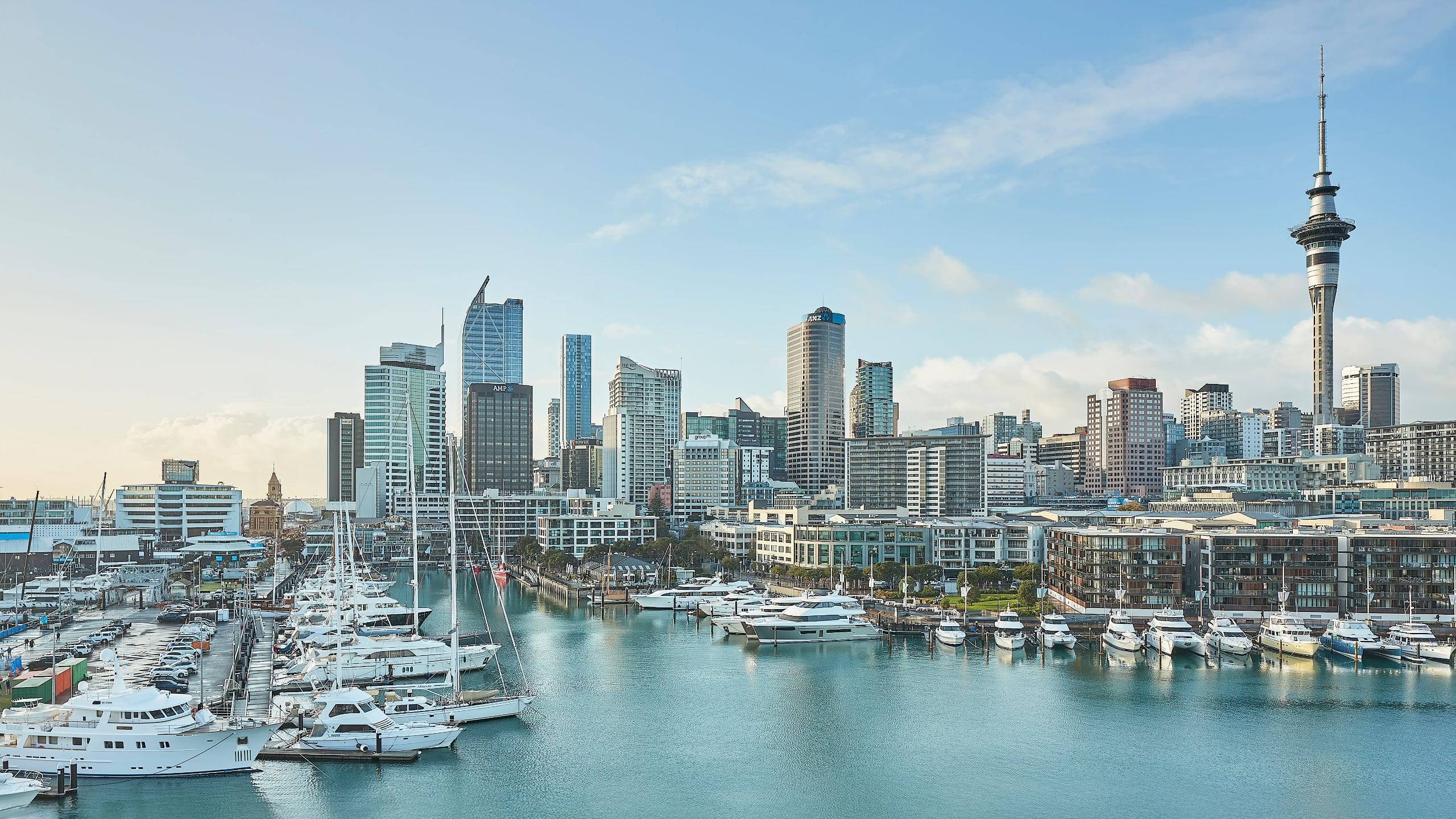
Auckland sprawls across two harbors like it owns the place. And honestly? It kind of does. New Zealand's largest city serves up harbor views with your flat white, volcanic islands you can reach by ferry, and restaurants that'll make you forget about that flight to Europe you were planning.
The Maori called this place Tamaki Makaurau - "the maiden sought by a hundred lovers." Today, 1.7 million people call it home, creating a city that feels both cosmopolitan and laid-back. You'll find glass towers reflecting the Waitematā Harbor, black sand beaches twenty minutes from downtown, and wine country that's closer than most people's commute to work.
But here's what travel guides won't tell you: Auckland traffic is genuinely terrible, especially crossing the harbor bridge during rush hour. The weather changes faster than your Uber driver's mood. And yes, it's expensive - a beer downtown will set you back NZ$12 easily.
Still with me? Good. Because Auckland rewards those who dig deeper than the tourist trail.
Best Months
JAN · FEB · MAR · APR · DEC
~23°C · peak crowds
Culture & Context
INDIGENOUS & WONDERFULLY DIVERSE
Auckland sits on Tāmaki Makaurau, the ancestral land of Māori iwi (tribes). The Māori language, Te Reo, is one of three official national languages and you'll hear it woven into everyday life — on TV news sign-offs, in email greetings, in the names of streets and parks. Over 180 ethnicities call Auckland home, with around 42% of residents born overseas, and strong Pacific Island, East Asian, and South Asian communities shaping the city's food, music, and social scene.
This is the most diverse city in New Zealand by a wide margin. Kiwis in general are informal and egalitarian to a fault. No one cares about your job title.
First names from the first handshake. The Māori concept of manaakitanga — generous hospitality — runs deep, and you'll notice it when strangers go out of their way to help. One thing that catches visitors off guard: tipping is not the norm.
Service workers are paid fair wages. A small tip for exceptional service is appreciated but never expected.
Local Customs
SHOES OFF, NO TIPPING
Tipping is not expected or required. Service staff are paid proper wages. A small tip for truly great service is welcome but don't feel obligated — and don't tip on bad service just out of habit..
Remove your shoes when entering a Kiwi home. Most households have a pile of shoes at the front door. Follow that cue..
If you're invited to a marae (Māori meeting ground), wait to be formally welcomed through the pōwhiri ceremony before entering. Don't wander in unannounced. Follow the lead of your hosts..
Always ask before photographing people or sacred Māori sites and carvings. At a marae especially, some ceremonies and spaces are not for cameras.. BYO is standard at backyard barbecues — bring your own drinks.
Your host might offer something once you arrive but don't assume.. Kiwis drive on the left. Seriously — this catches a lot of visitors off-guard at roundabouts.
Rental car companies will remind you. Pedestrians get confused too.. The NZ sun is intense year-round thanks to lower ozone levels in the Southern Hemisphere.
Even overcast days can burn you. Sunscreen is not optional.. Rugby is basically the national religion.
If conversation stalls with a local, asking about the All Blacks or Super Rugby will get you further than nearly any other topic.. Embrace the 'Tiaki Promise' — an informal commitment to respect and care for New Zealand's natural and cultural environments. Leave no trace, stick to marked trails, don't take shells or stones from beaches.
Safety
MOSTLY SAFE, WATCH SUN
Auckland is considered one of the safer major cities globally. Violent crime against tourists is uncommon and most visits pass without incident. The main things to actually worry about: car break-ins at scenic trailheads and lookouts (remove everything from your rental, including bags out of sight), petty opportunistic theft in busy areas like Queen Street and transport hubs, and late-night Queen Street on weekends when alcohol-fueled incidents increase.
The CBD empties out after business hours and can feel uncomfortable at night — Britomart and Ponsonby have better late-night atmospheres. Suburbs like Ōtara, Māngere, and parts of Manurewa have higher crime rates but these are not tourist areas and visitors have little reason to go there. The NZ sun is a legitimate danger year-round — UV levels are high even on cloudy days due to lower ozone levels in the Southern Hemisphere.
Sunscreen is non-negotiable. Emergency number for police, fire, and ambulance is 111 (free calls). For non-urgent police matters, call 105.
Auckland City Hospital is at 2 Park Road, Grafton.
Getting Around
AT HOP CARD ESSENTIAL
The AT HOP card is the single most useful thing to grab on arrival. Buy one at Auckland Airport from the vending machine next to the AirportLink bus stop (NZD $25, includes NZD $20 credit), or online in advance. Tap on when boarding any bus, train, or inner-harbour ferry, tap off when exiting.
Miss the tap-off and you pay the maximum zone fare — it adds up. A $50 weekly cap applies automatically for regular users, and a $20 daily cap kicks in with contactless credit/debit cards. Buses are completely cashless.
The City Rail Link (CRL) opened in 2026 with new stations at Karangahape (K-Road) and Te Waihorotiu — expect faster, more frequent trains. Britomart/Waitematā station remains the main downtown hub connecting to buses and ferries. Devonport ferry: 12 minutes, runs frequently from the downtown ferry terminal.
Waiheke Island ferry (Fullers360): 35 minutes, buy tickets in advance online to dodge the NZD $63 walk-up fare (off-peak returns can drop to ~NZD $46). Note that Fullers360 Waiheke services don't accept contactless payment — you need AT HOP or a Fullers ticket. For the airport, the SkyBus runs 24/7 to the CBD for around NZD $20-25 one way.
Traffic during weekday peak hours (7-9am, 4-6pm) is genuinely brutal, so avoid driving then if you can.
Useful Phrases


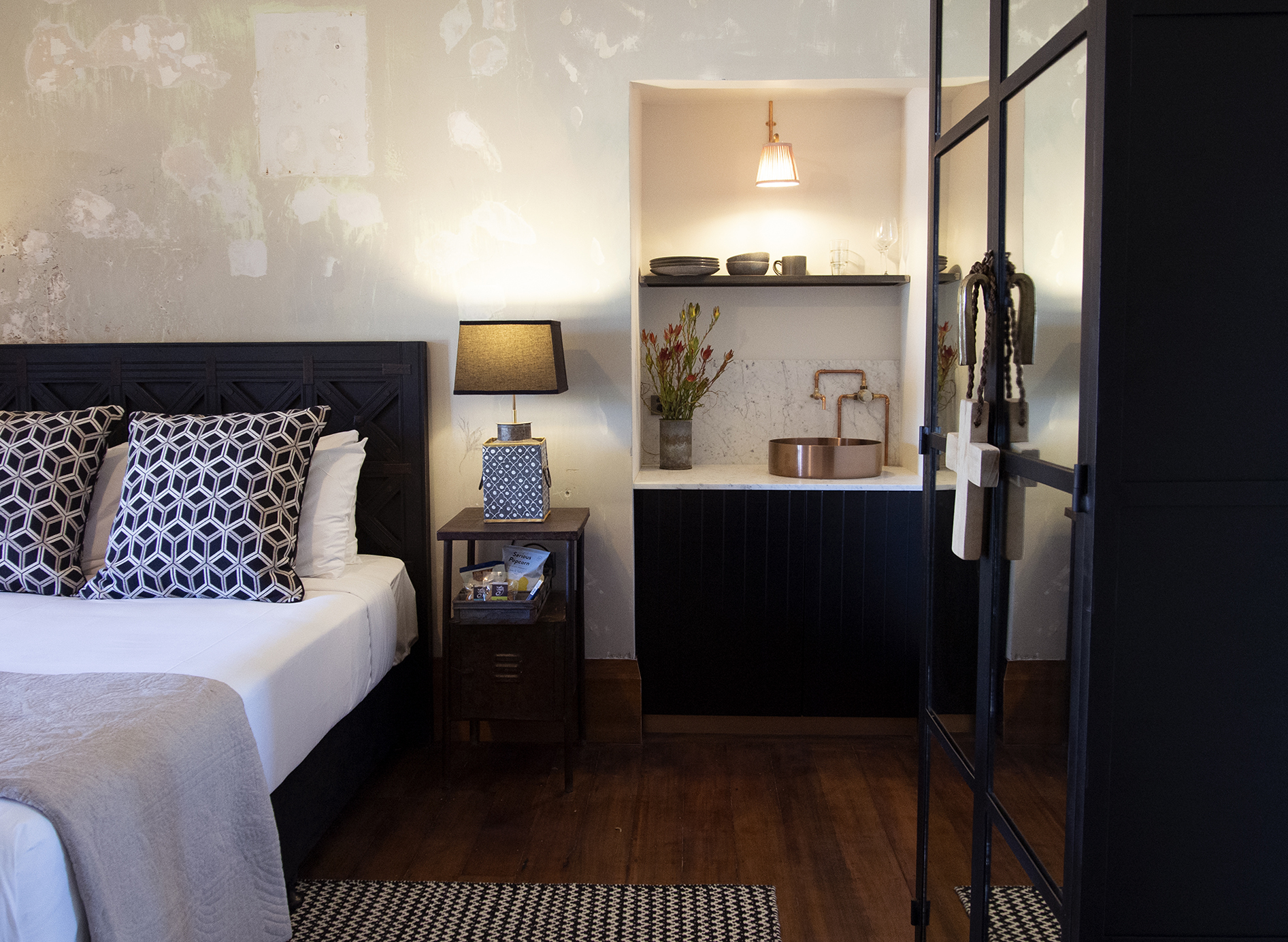
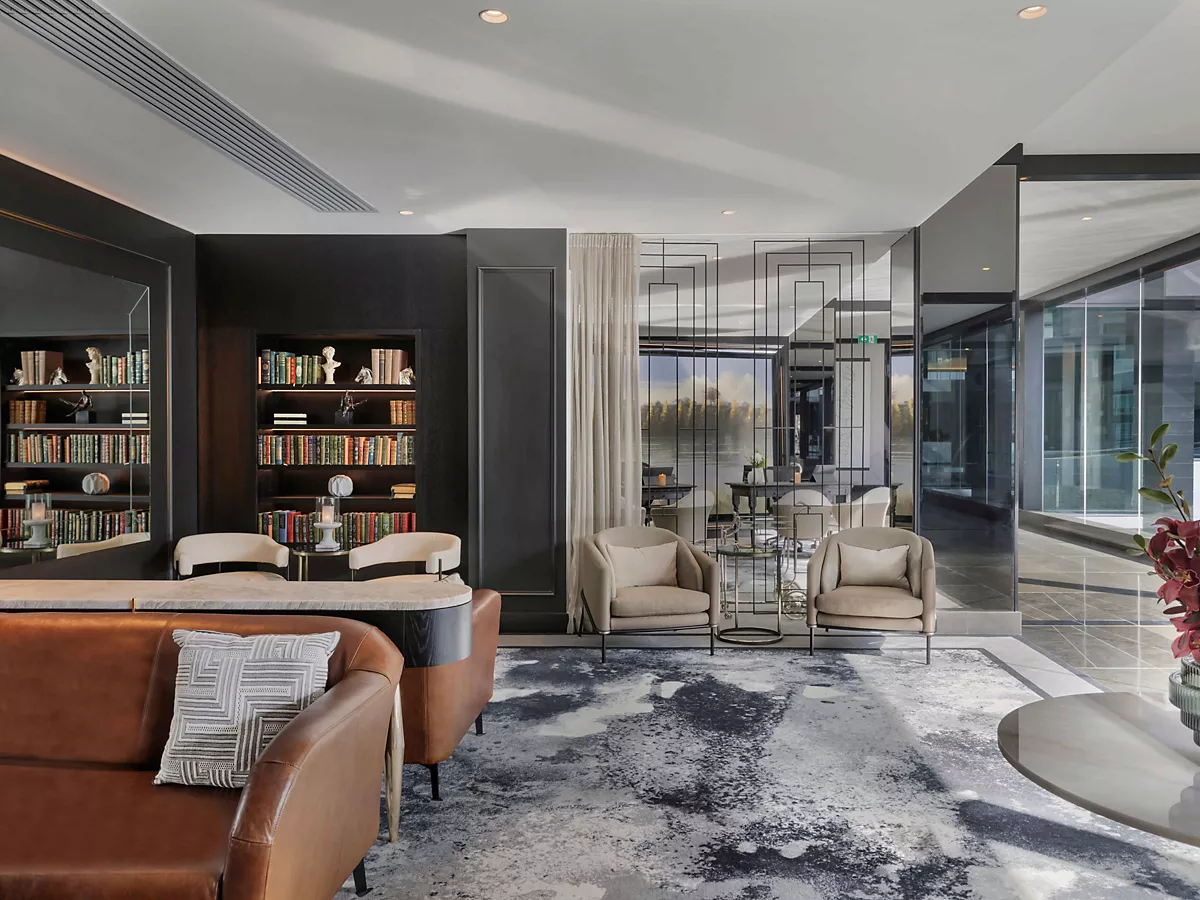
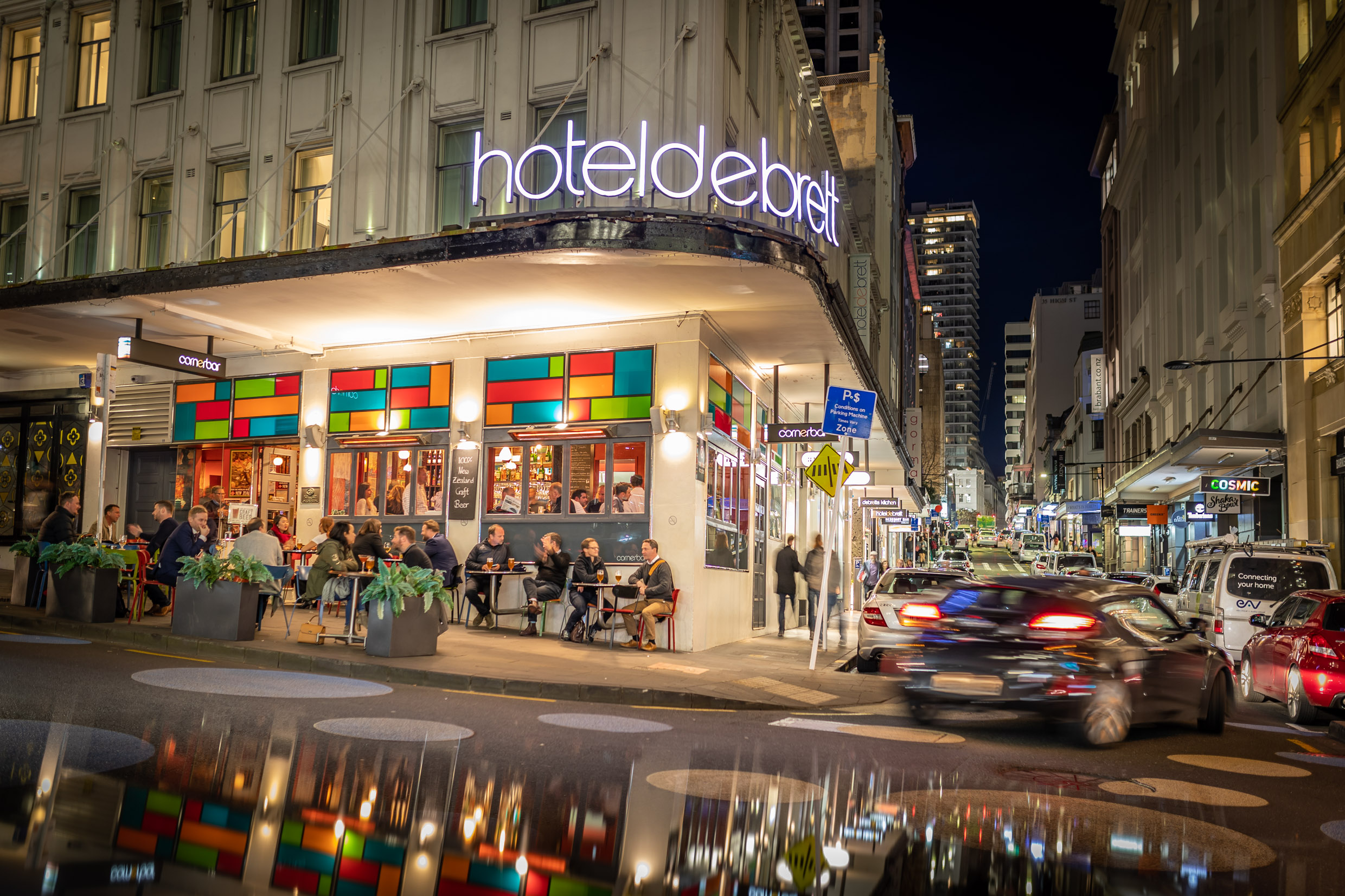
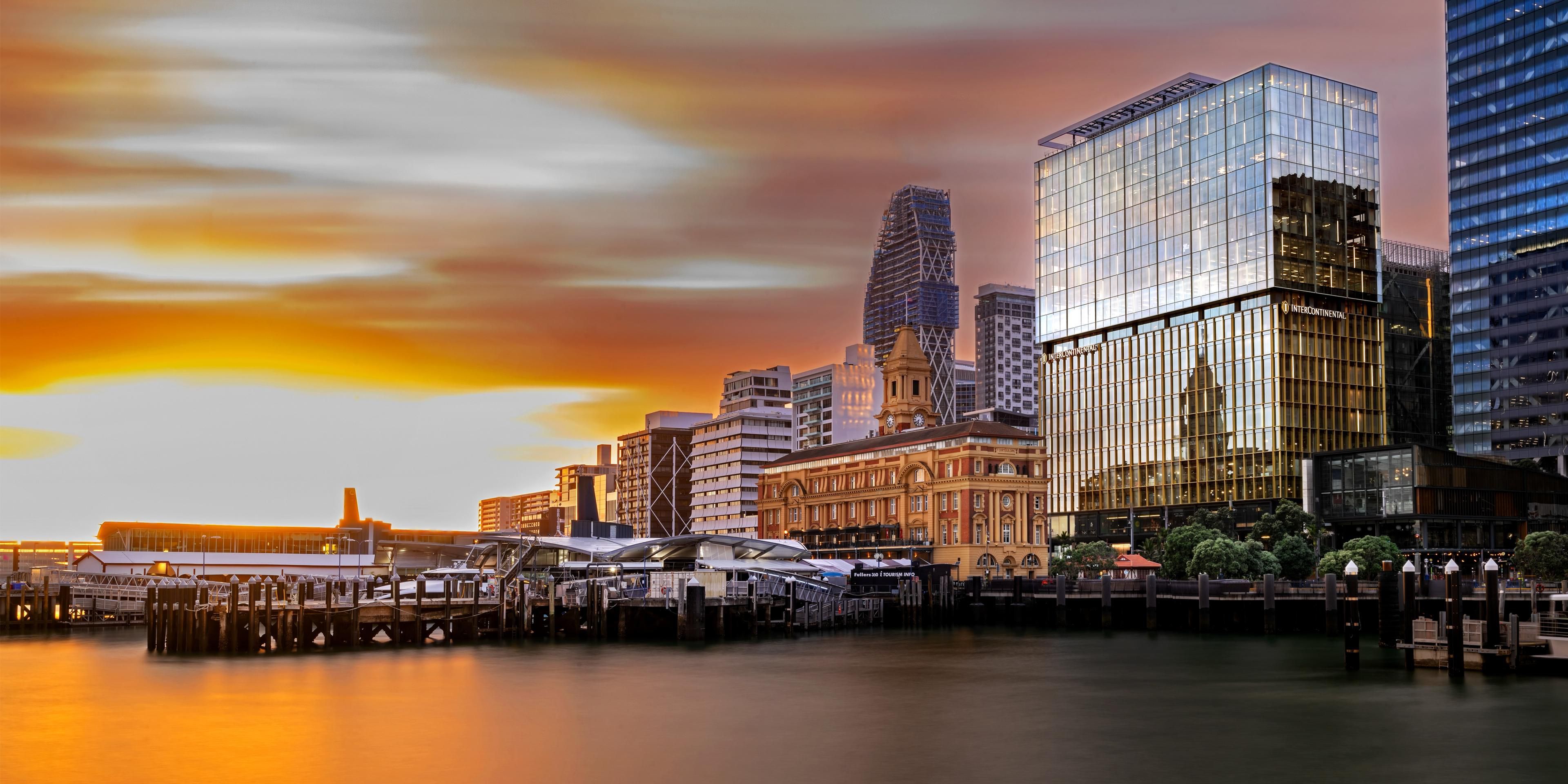
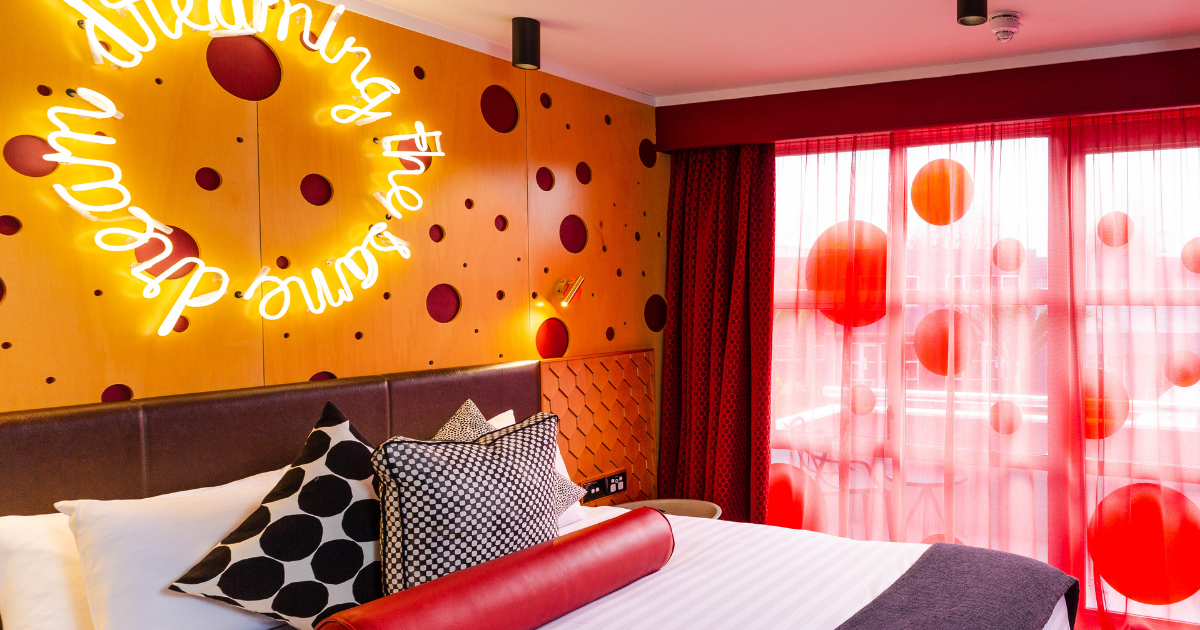
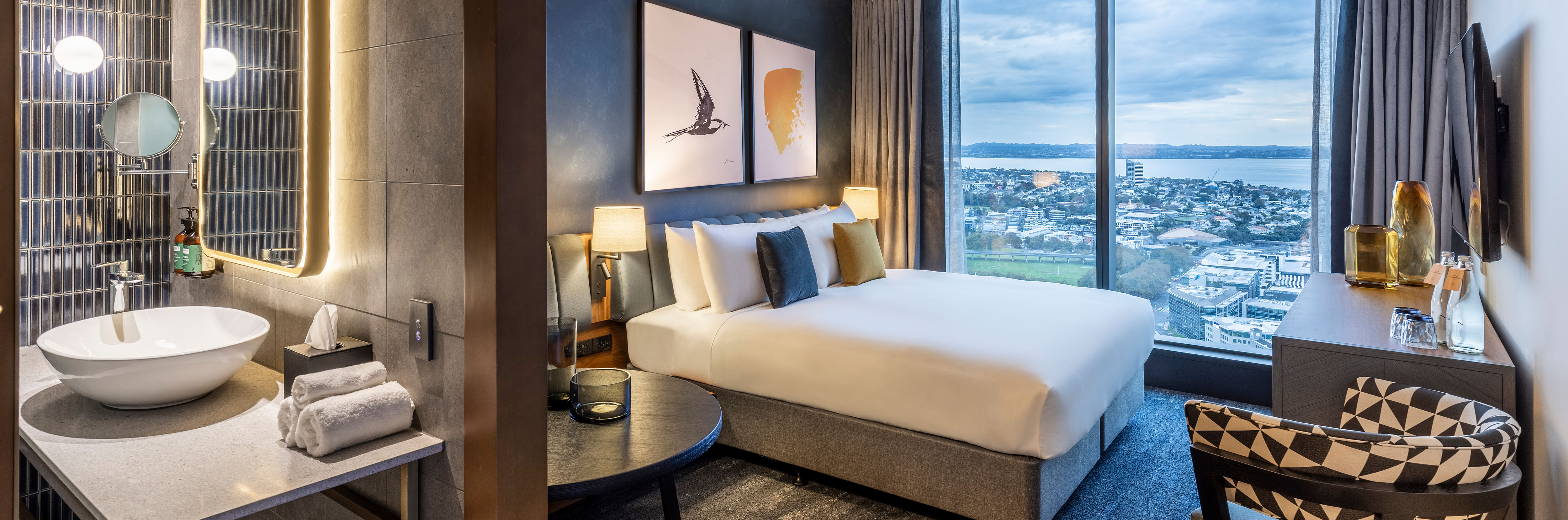
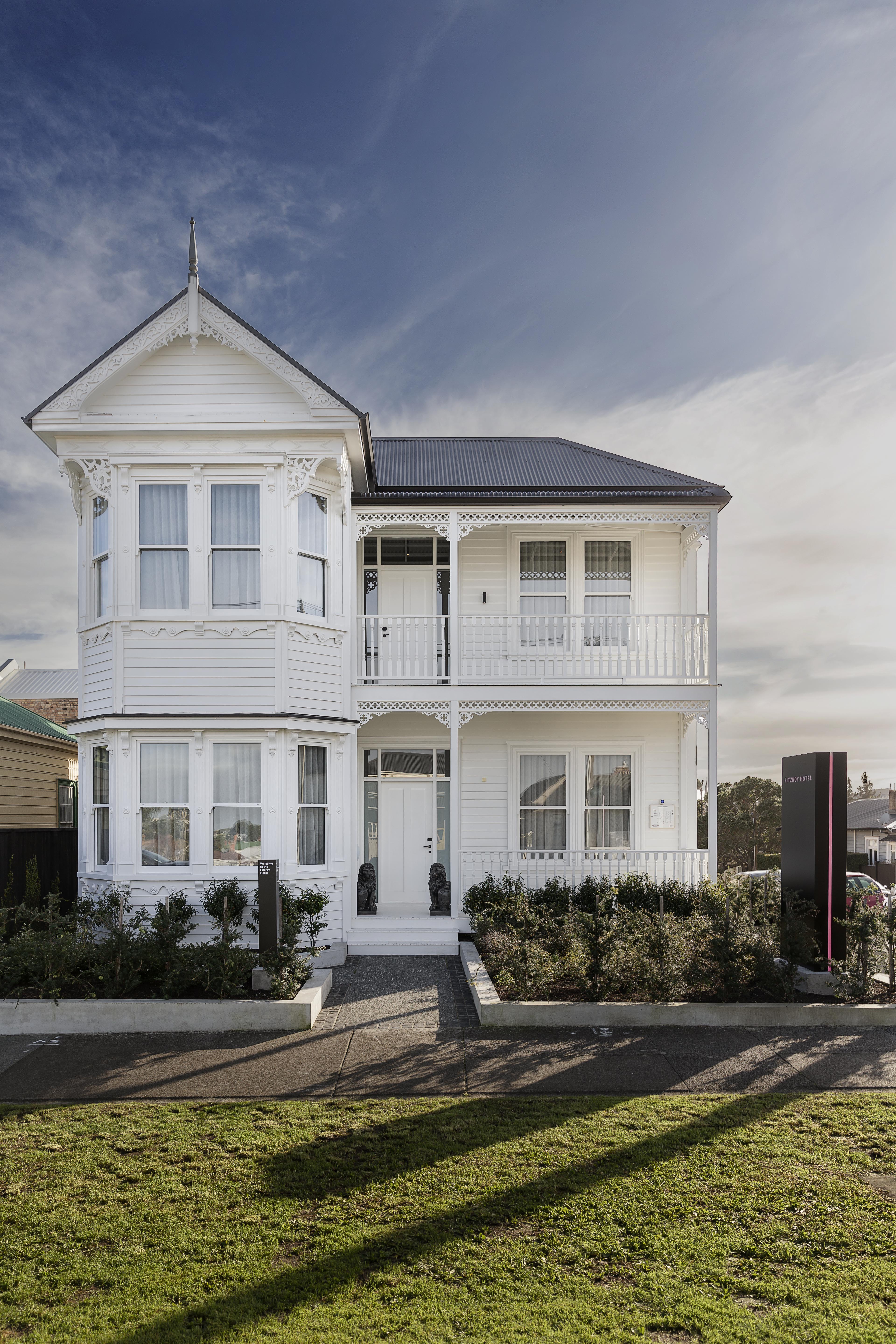
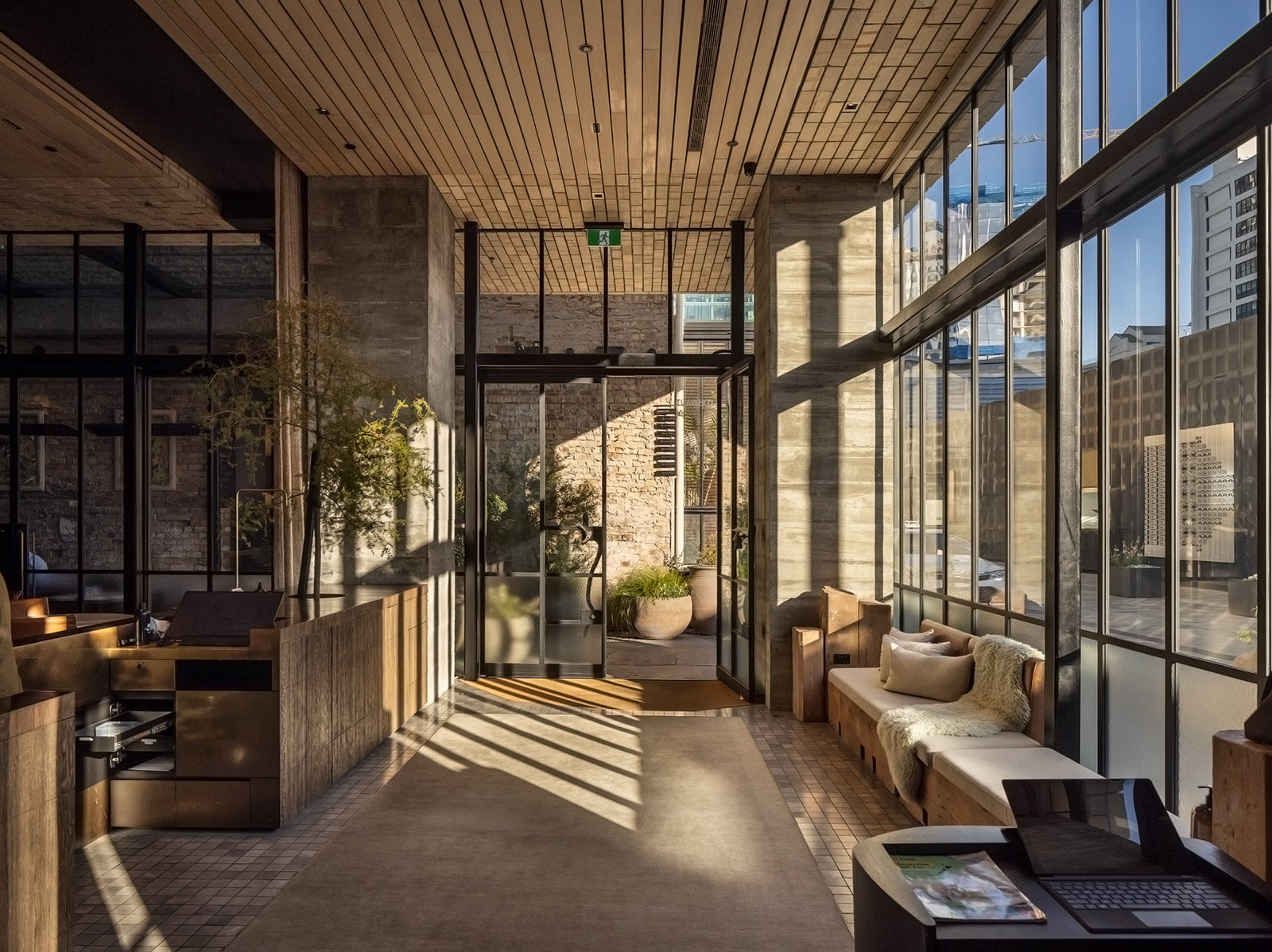
Where to Stay in Auckland
9 recommended properties
Things to Do in Auckland
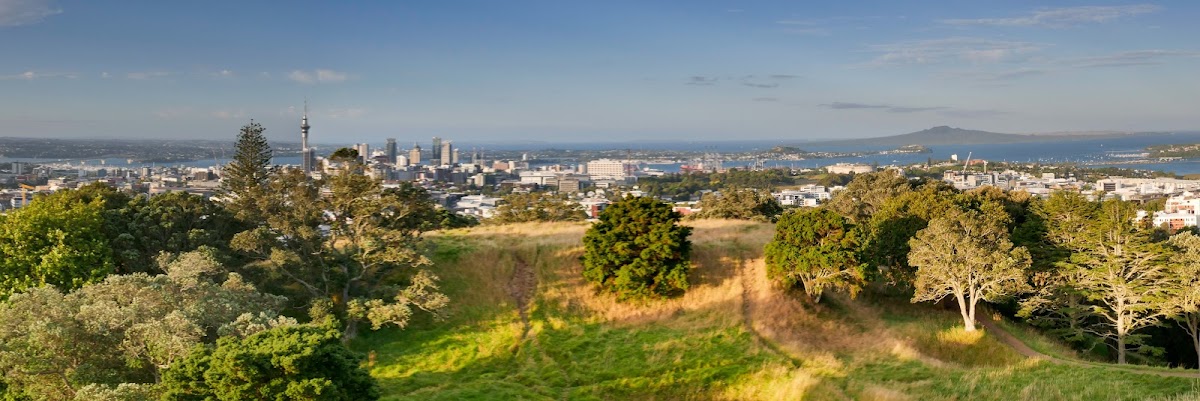
Mount Eden (Maungawhau)
Mt Eden · 90 min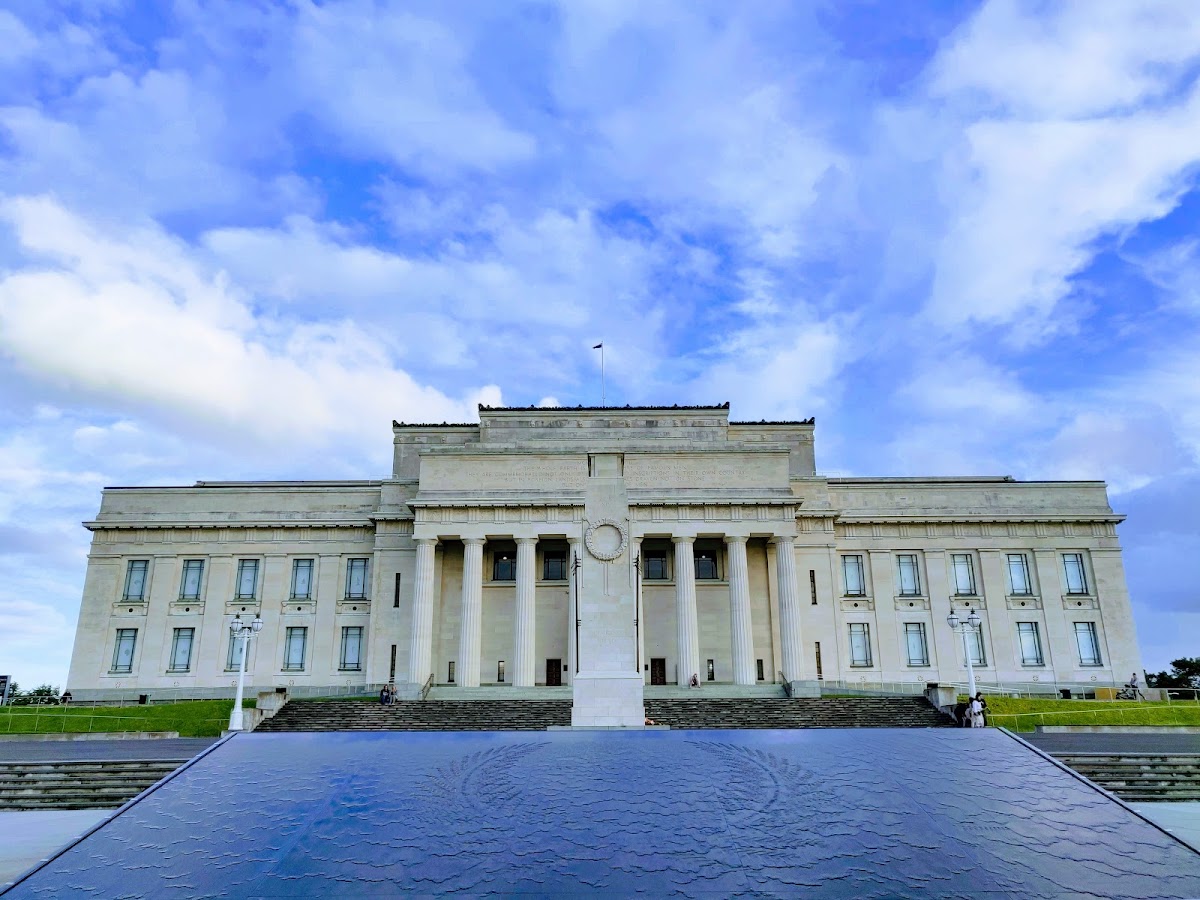
Auckland Domain
Auckland Domain · 120 min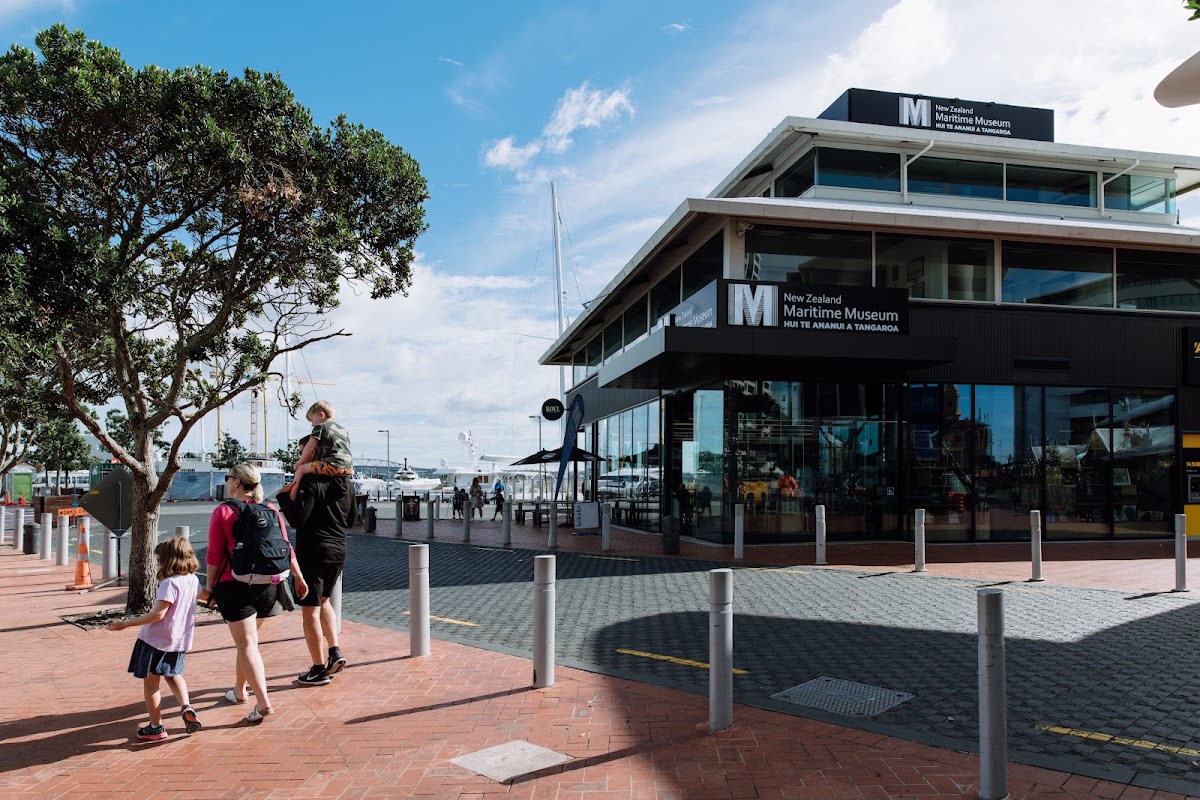
New Zealand Maritime Museum
CBD · 150 minMoney-Saving Tips
- 1.Buy an AT HOP card for public transport - cash fares cost double the card price
- 2.Happy hours run 4-6pm at most bars, with drinks 30-40% cheaper than evening prices
- 3.Free ferry rides to Devonport on Sundays with AT HOP card purchase
- 4.Auckland Domain and Albert Park offer free green space and harbor views without admission fees
- 5.Supermarket wine costs NZ$15-20 for bottles that restaurants charge NZ$60+ for
- 6.Many museums offer free admission for New Zealand residents - ask if international student discounts apply
- 7.Waiheke Island's Hop On Hop Off bus day pass (NZ$45) includes winery visits and beach access
- 8.BYO restaurants charge NZ$3-5 corkage but save you 200% markup on wine
- 9.Auckland Fish Market offers fresh seafood at wholesale prices - perfect for self-catering
- 10.Free walking tours of the city center run daily from Aotea Square - tip-based only
Travel Tips
- •Pack layers - Auckland weather changes rapidly, especially in spring and autumn
- •Download Citymapper app for accurate public transport times and route planning
- •Book Waiheke Island ferries in advance during summer weekends - they sell out
- •Carry cash for small cafes and markets - many don't accept international cards
- •Auckland traffic is worst 7-9am and 4:30-6:30pm - plan museum visits during these times
- •Most restaurants close between 2-5pm - plan late lunches or early dinners accordingly
- •Uber surge pricing kicks in when it rains - keep AT HOP card as backup transport
- •Sky Tower's SkyJump and SkyWalk book out weeks ahead in summer - reserve early
- •Many beaches have dangerous rips - always swim between the flags at patrolled beaches
- •Wine tastings typically cost NZ$10-15 but are waived with bottle purchases
- •Auckland Domain's museum offers the best overview of New Zealand culture and history
- •Free WiFi available in most cafes, libraries, and shopping centers throughout the city