Southern Europe
Mediterranean magic blending ancient history with modern charm
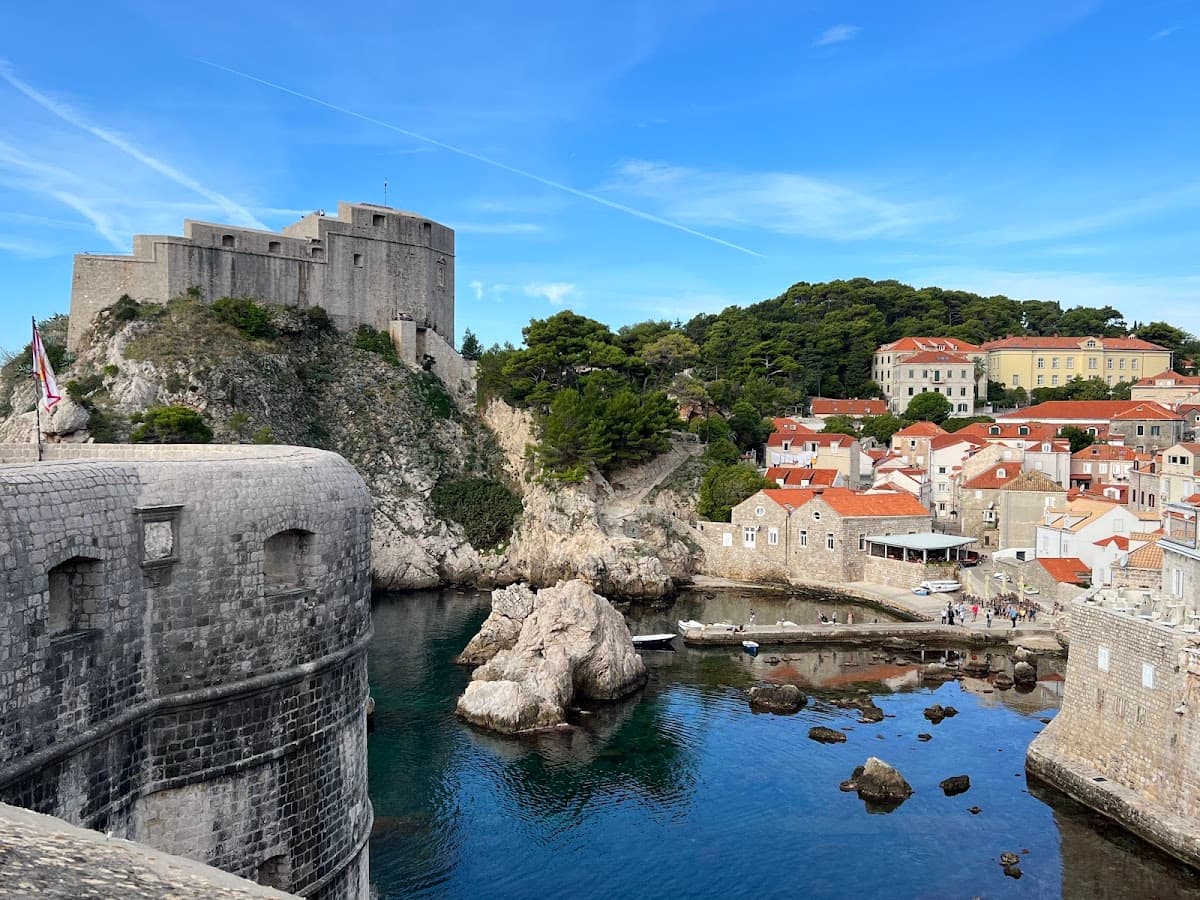
Southern Europe hits different. The light here has this golden quality that makes even a mundane Tuesday feel cinematic. You've got ancient Roman ruins casting shadows over bustling piazzas, family-run trattorias serving recipes passed down through generations, and beaches that shift from dramatic clifftops to endless sandy stretches. But here's what travel guides won't tell you: the real magic happens in the in-between moments. That afternoon nap culture isn't laziness—it's wisdom. The late dinners that stretch past midnight aren't inefficiency—they're an art form. This is where history lives alongside modern life without the awkward tension you find elsewhere.
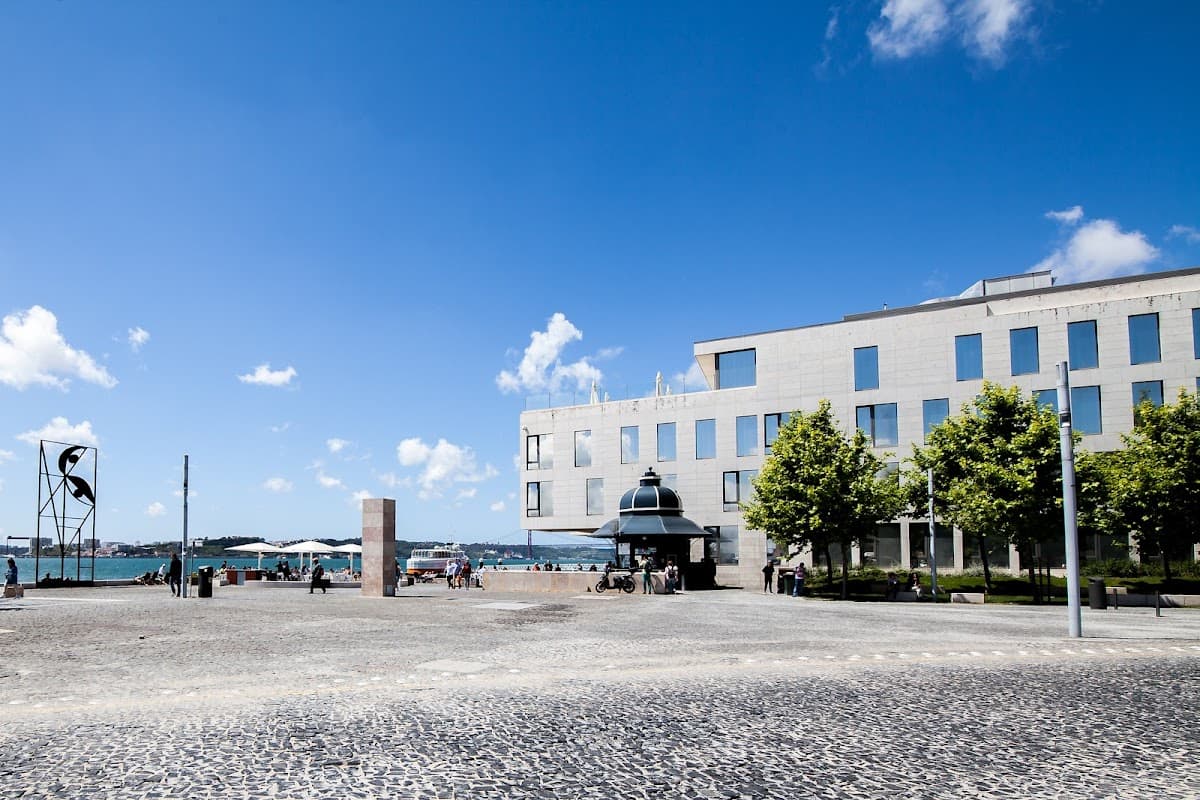
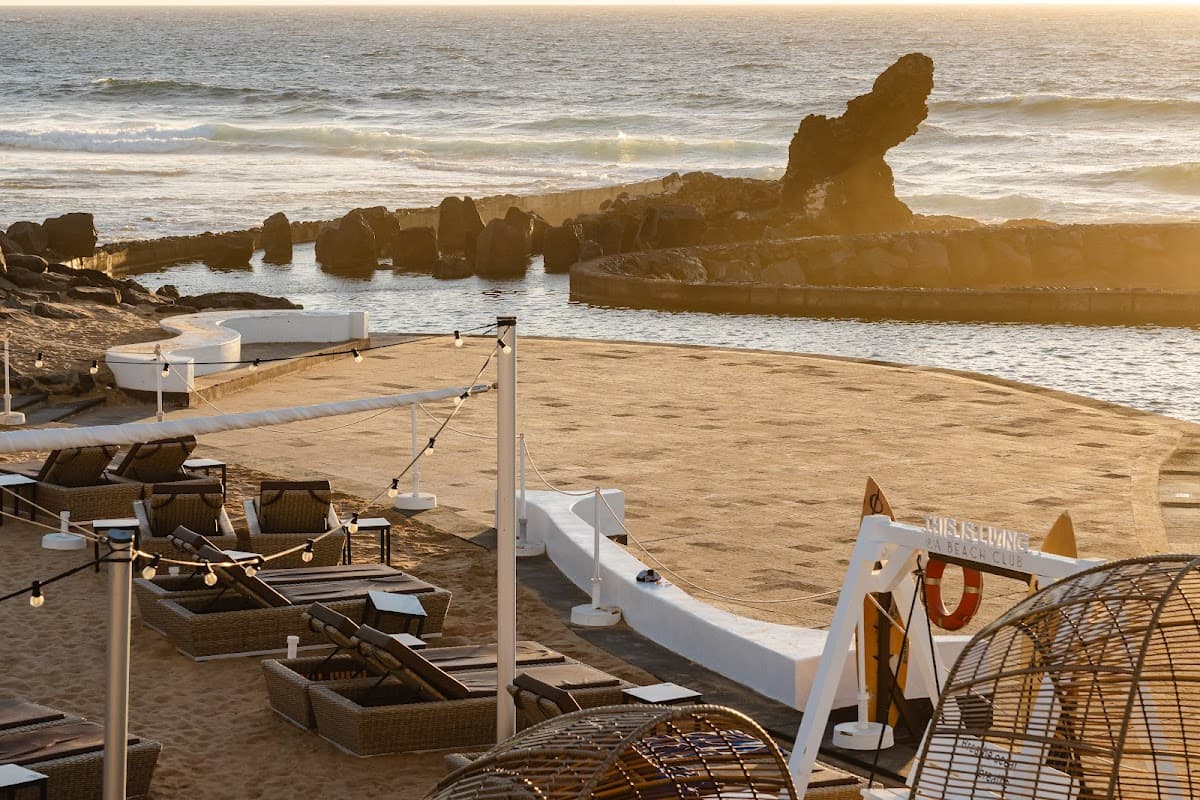
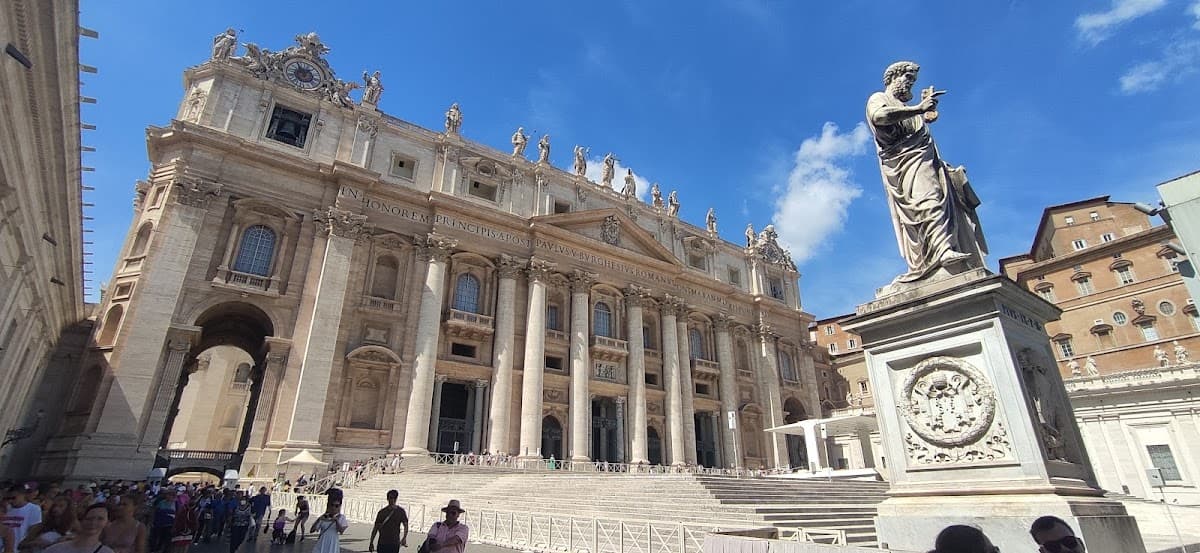
Explore the Region
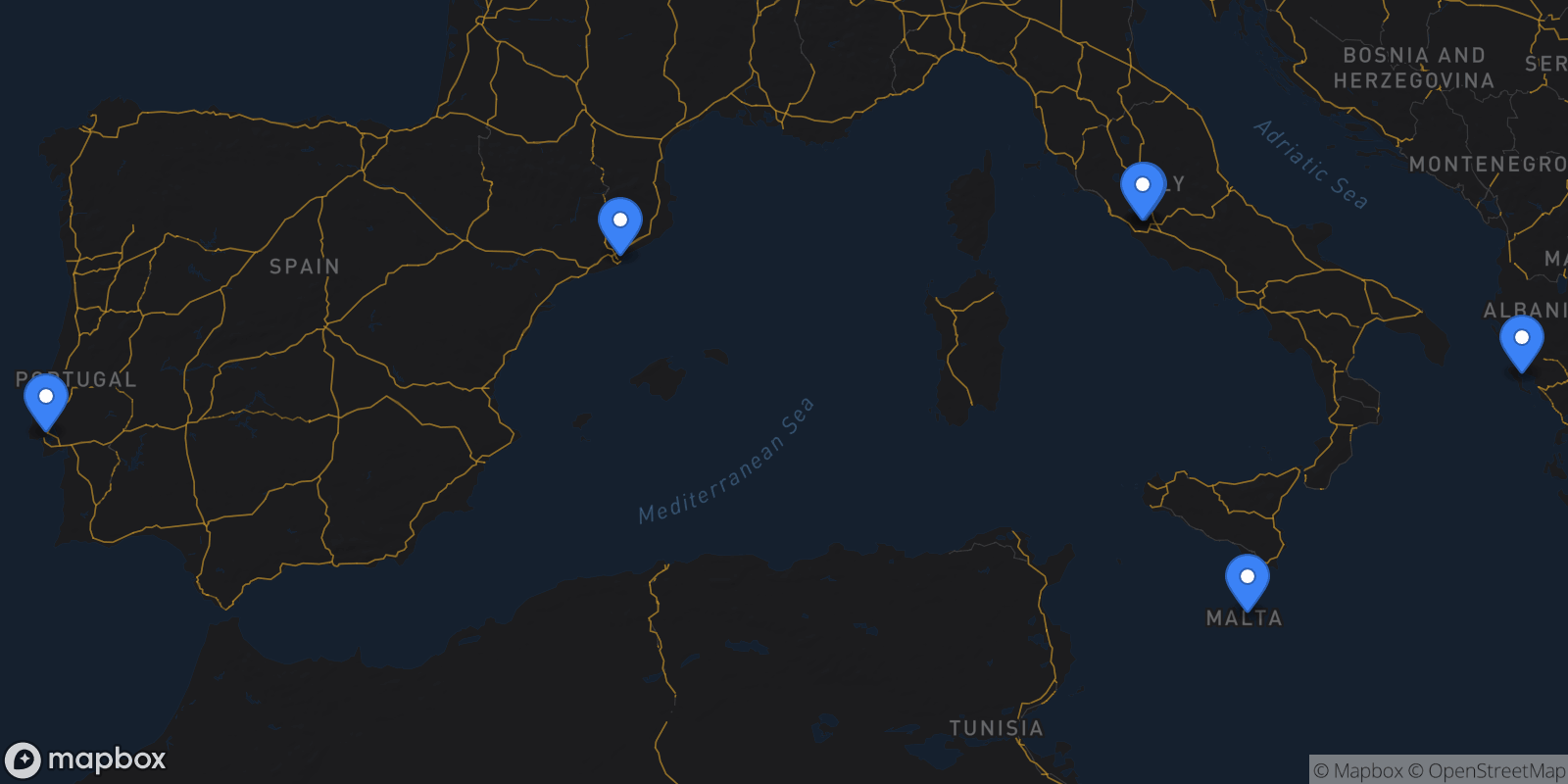
Southern Europe Itineraries
View all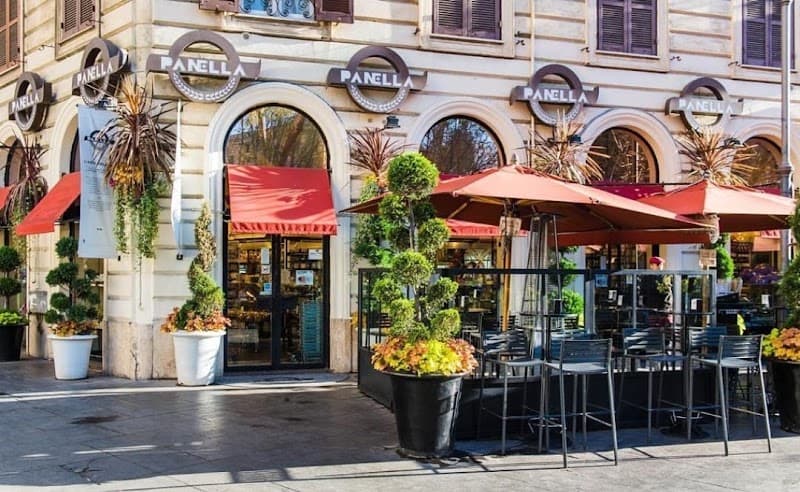
Seven Classic Days in Italy: Rome, Florence & Venice
Week · $$
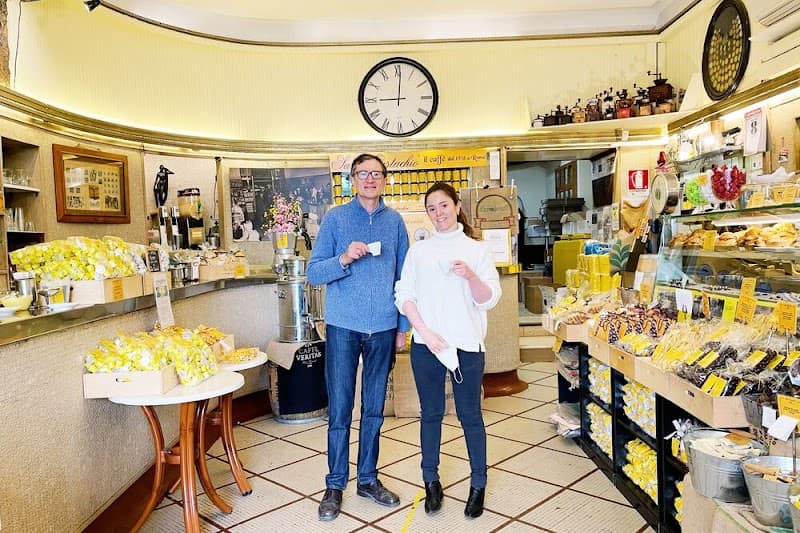
Classic Italy Adventure: Cities, Coasts & Hills in 7 Days
Week · $$$
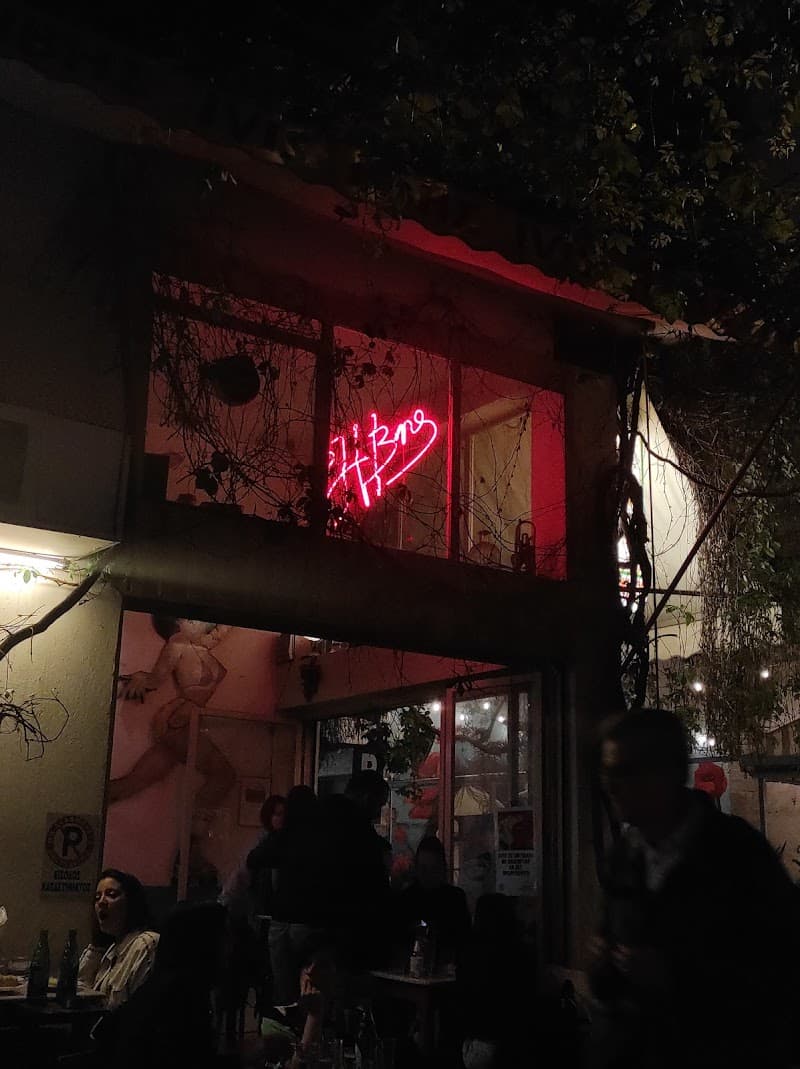
Six Days in Athens: Ancient Stones, Night Lights, and Markets
Weekend · $$
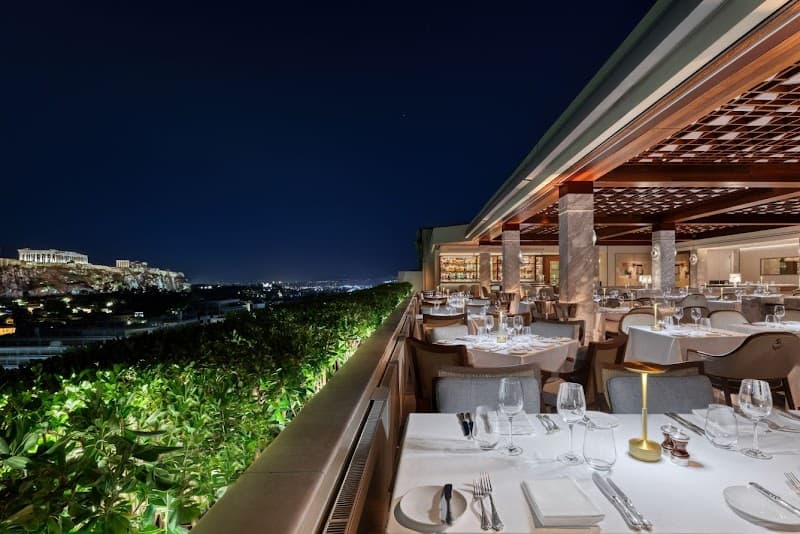
Athens in 6 Days: Ruins, Ridges, Markets, and Nights
Weekend · $$
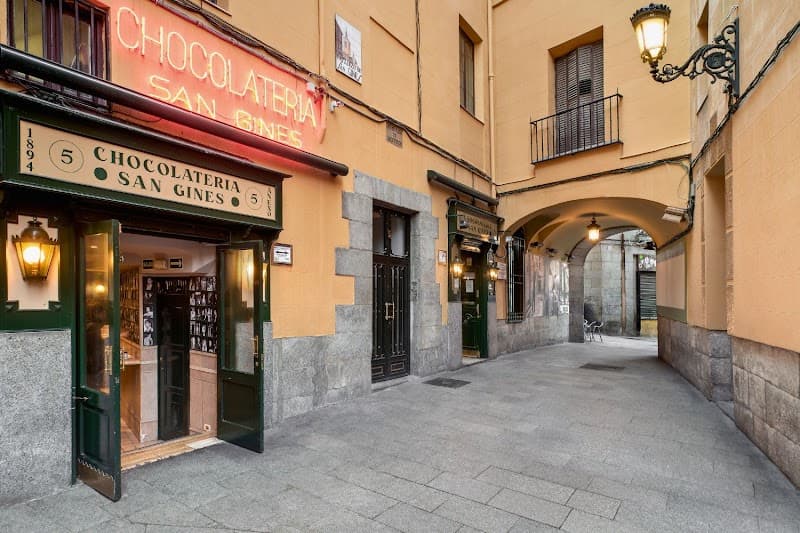
Madrid in a Weekend: Family-Friendly Culture, Parks & Tapas
Weekend · $$
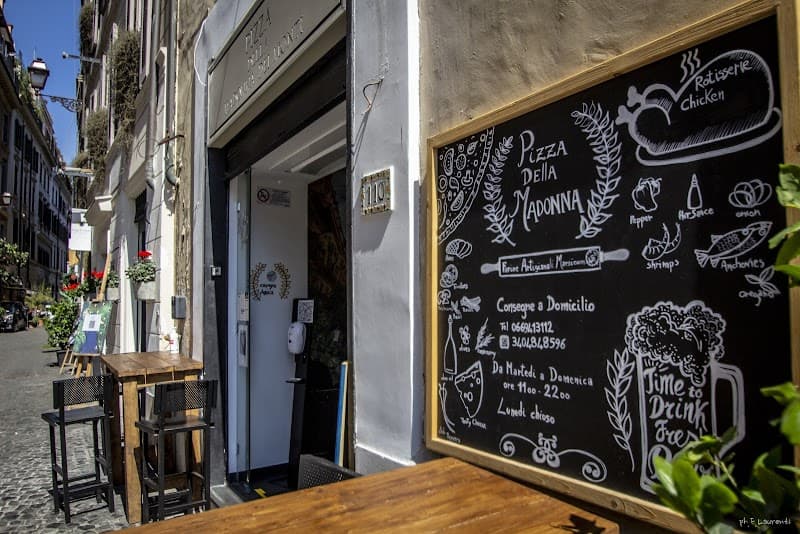
Shoestring Rome: Ruins, Views & Street Food in One Day
Weekend · $
Money-Saving Tips
- 1.Eat lunch at bars standing up—Italian tradition saves you 30% versus table service
- 2.Buy train tickets online 2-4 months ahead for up to 70% savings on high-speed routes
- 3.Shop at local markets before 10am for best selection and prices on fresh produce
- 4.Many museums offer free entry on first Sunday mornings—Rome's Colosseum included
- 5.Spanish menú del día lunch specials cost €12-15 for three courses at dinner-priced restaurants
- 6.Book accommodations directly with small hotels to avoid booking site commissions
- 7.Regional wines cost €3-5 per bottle at supermarkets versus €25+ at tourist restaurants
- 8.City tourism cards often cost more than individual attraction entries—do the math first
Travel Tips
- •Download offline maps before traveling—cell service gets spotty in hill towns and islands
- •Pack a universal power adapter with USB ports for charging multiple devices
- •Learn basic greetings in local languages—even attempts earn you better service
- •Carry cash for small purchases—many family restaurants don't accept cards
- •Book dinner reservations by phone, not apps—especially in smaller cities
- •Bring comfortable walking shoes with good grip for cobblestone streets
- •Pack layers for shoulder seasons—Mediterranean weather changes quickly
- •Keep copies of important documents stored separately from originals
Frequently Asked Questions
Explore Southern Europe
BUILD YOUR
SOUTHERN EUROPE PLAN
Insider picks, smart timing, and a plan ready when you are.
Start Planning- Aeolian Islands
- Amalfi
- Amalfi Drive
- Bergamo
- Bologna
- Bologna Food Scene
- Cagliari
- Campania
- Capri
- Catania
- Chianti
- Cinque Terre
- Cinque Terre National Park
- Cinque Terre Region
- Cortina d'Ampezzo
- Dolomites
- Dolomites Alta Via 1
- Elba
- Gran Paradiso National Park
- Ischia
- Italian Riviera
- Lake Garda
- Lazio
- Lecce
- Lombardy
- Lucca
- Matera
- Mediterranean Cruise Route
- Perugia
- Piedmont
- Alhambra
- Andalusia
- Balearic Islands
- Basque Country
- Camino de Santiago
- Canary Islands
- Catalonia
- Community of Madrid
- Córdoba
- Costa Brava
- Costa del Sol
- Formentera
- Fuerteventura
- Galicia
- Girona
- Gran Canaria
- Ibiza Town
- La Palma
- La Tomatina
- Lanzarote
- Menorca
- Ordesa National Park
- Palma de Mallorca
- PortAventura
- Rioja
- Ronda
- Running of the Bulls
- San Sebastián
- San Sebastián Food Scene
- Santiago de Compostela
- Teide National Park
- Toledo
- Valencian Community